

You’ve probably noticed grocery prices going up and up lately. One way to combat inflation: Grow your own food—whether in containers, in a vegetable bed in your own yard, or in a community garden. And if you want to really save money—and time and labor—consider planting a perennial edible garden. Wouldn’t it be nice to not have to plant every year?
Here is a list of perennial plants that will come back year after year, for years. Some are long-lived; others are not, but self-seed enough to maintain a perennial presence. Most need full sun. Most like good soil, with the exception of sea kale, a tough plant that can be grown even in shingle. Be sure to check the labels for specific care instructions since many of these have different varieties.
Walking Onions (Allium x proliferum): Zones 3-10
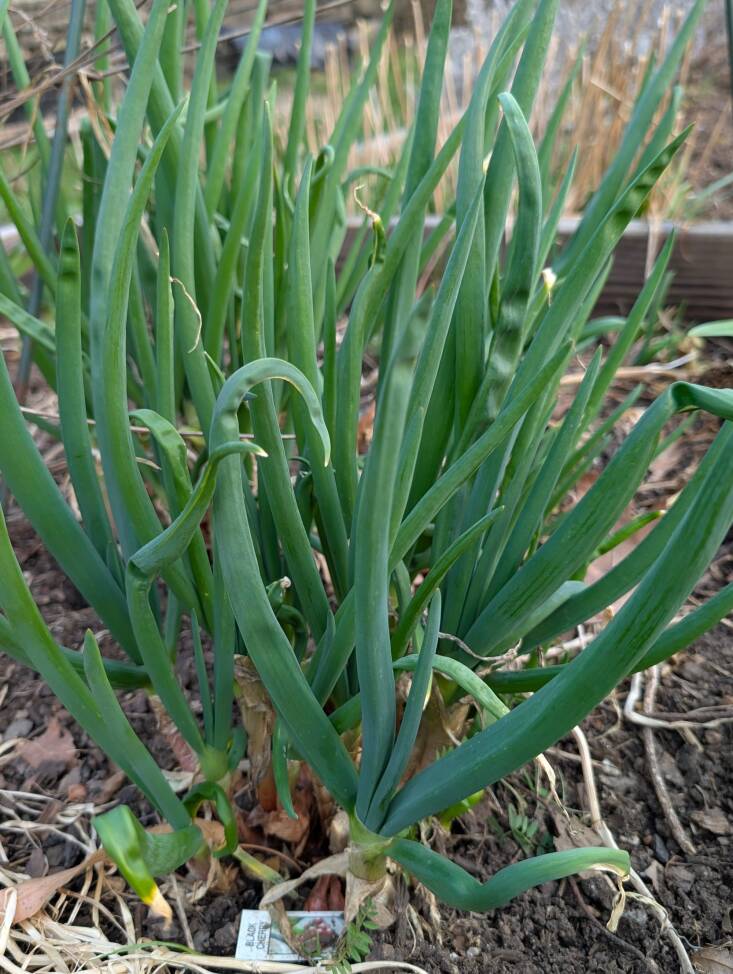
Plant it once and share it with everyone. The onions “walk” because their bulbils or topsets, the bulbs on the ends of their leaves, bend over and root in the soil. They also multiply at their bases. The leaves can be used like scallions; the bulbs and bulbils are used like onions. (Note that they tend to have a stronger flavor than supermarket onions.) Walking onions can be harvested from spring through fall.
Sea Kale (Crambe maritima): Zones 4-8
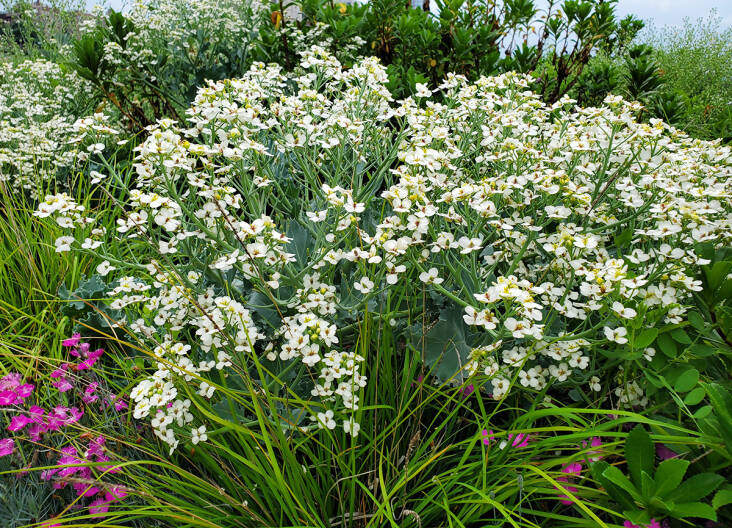
A Victorian-era vegetable that fell out of favor but now is making a comeback. Part of the brassica family, it has blue-green leaves that can be prepared the same as its better-known kale cousins. Very salt-tolerant and normally disease- and pest-resistant. Can be harvested from spring through fall, but new leaves are more tender.
Red-veined Sheep Sorrel (Rumex acetosella): Zones 4-8
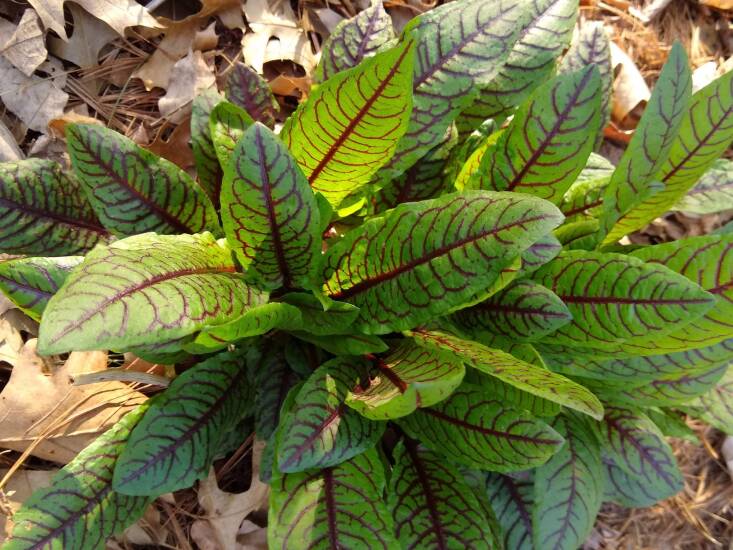
Its sword-shaped green leaves with red ribs and veins can be a nice addition to a salad visually, and its lemon-like tartness will brighten the flavor. However, it is high in oxalic acid and should be consumed in moderation. Harvest from spring until it bolts in summer.
Asparagus (Asparagus officinalis): Zones 2-9
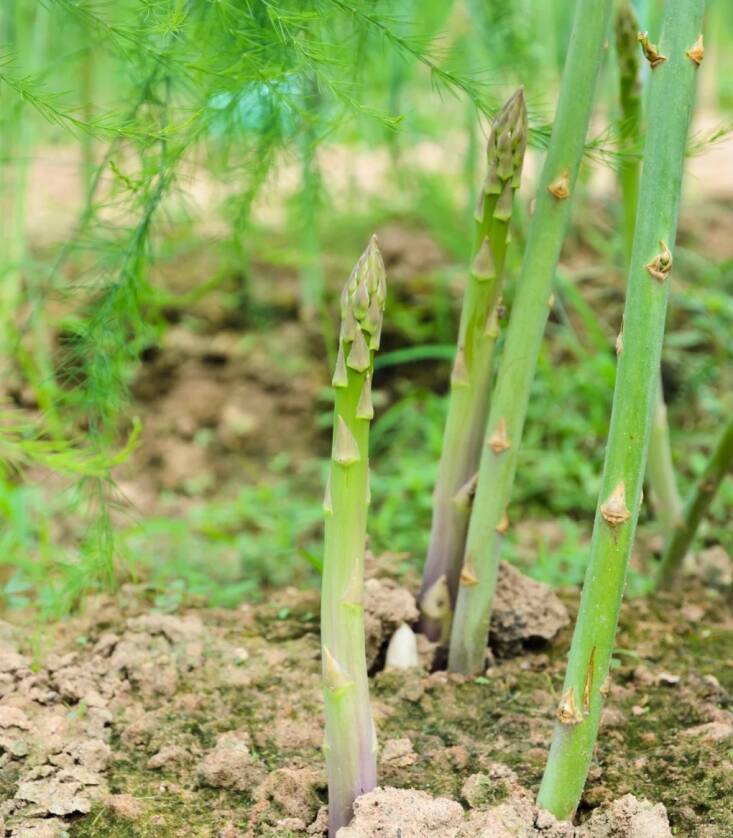
A longtime favorite of perennial gardeners, despite its long harvest wait time. Purchasing crowns is the easiest way to start on your asparagus journey. Depending on the health of the plant, you can begin harvesting lightly in the second year, but waiting until at least the third year is better for the plant. Harvest the shoots before the unfurl, in spring only. When the stalks are narrower than a pencil, or by June, stop harvesting. The crowns need time to recover for next year.
The Berries: Various Zones
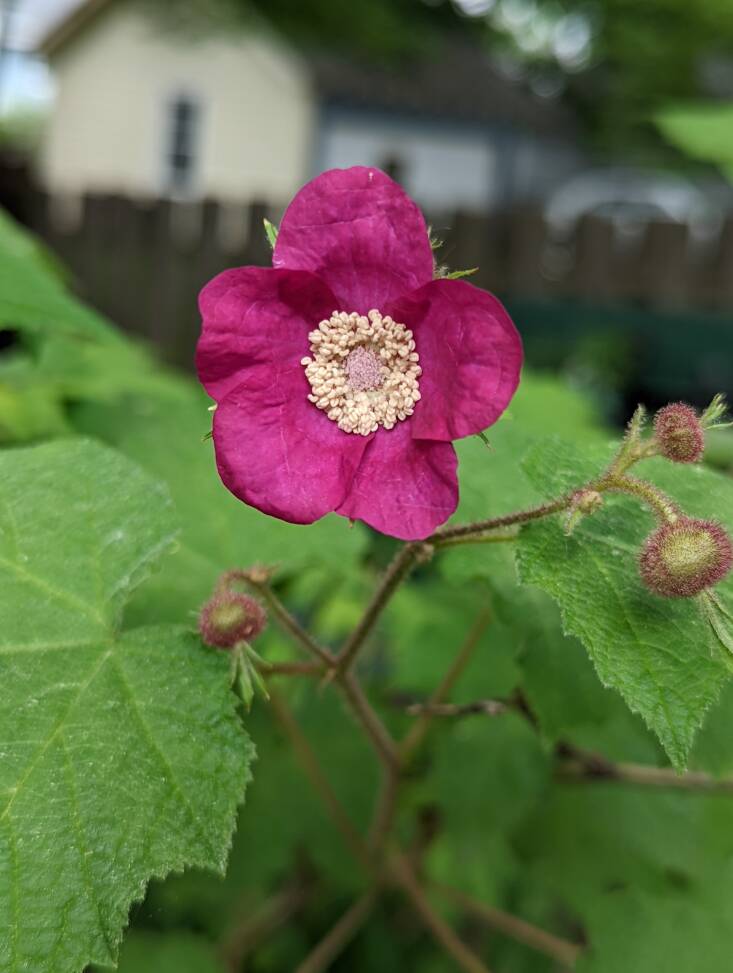
There is a berry for everyone. Strawberries, best for Zones 5-9, come in everbearing (a crop in spring and fall), as well as June-bearing (one large crop in June/July) and day-neutral (fruits throughout the season). Blueberries (Zones 3-8) come in low and high bush varieties, and you will need two different varieties for better and bigger berries. There are dozens of different raspberry plants; raspberries, wineberries, black raspberries, blackberries, thimbleberries, to name a few. The single thing that all these berries have in common is that they are loved by birds and animals. Either use bird- and animal-safe netting or plant more than you need and share.
The Herbs: Various Zones

Oregano, mint, lemon balm, and rosemary. All of these are in the mint family Lamiaceae. And with the exception of rosemary, they all like to spread. This means they are perfect for using and sharing. Oregano or Greek oregano are best in Zones 3-10, but some are rated for Zones 5-8. Known mostly for use on pizza, you can find it in many dishes. It also makes for a great ground cover. Mint can be grown in Zones 4-9 and has a reputation for being aggressive, so best to plant it in a container. Lemon balm (Zones 3- 7) self-seeds with abandon. Plant it once, have it forever. Its lemony scent makes it ideal for tea, and it pairs well with fish and chicken. It can also be used in skin balms and scented soaps. Rosemary is ideal for Zones 8-10, but the Arp varieties are hardy to zone 6. From meat dishes to mocktails, rosemary is a staple in the kitchen. Make some rosemary simple syrup for your iced tea. You’re welcome.
Jerusalem Artichoke (Helianthus tuberosus): Zones 3-9
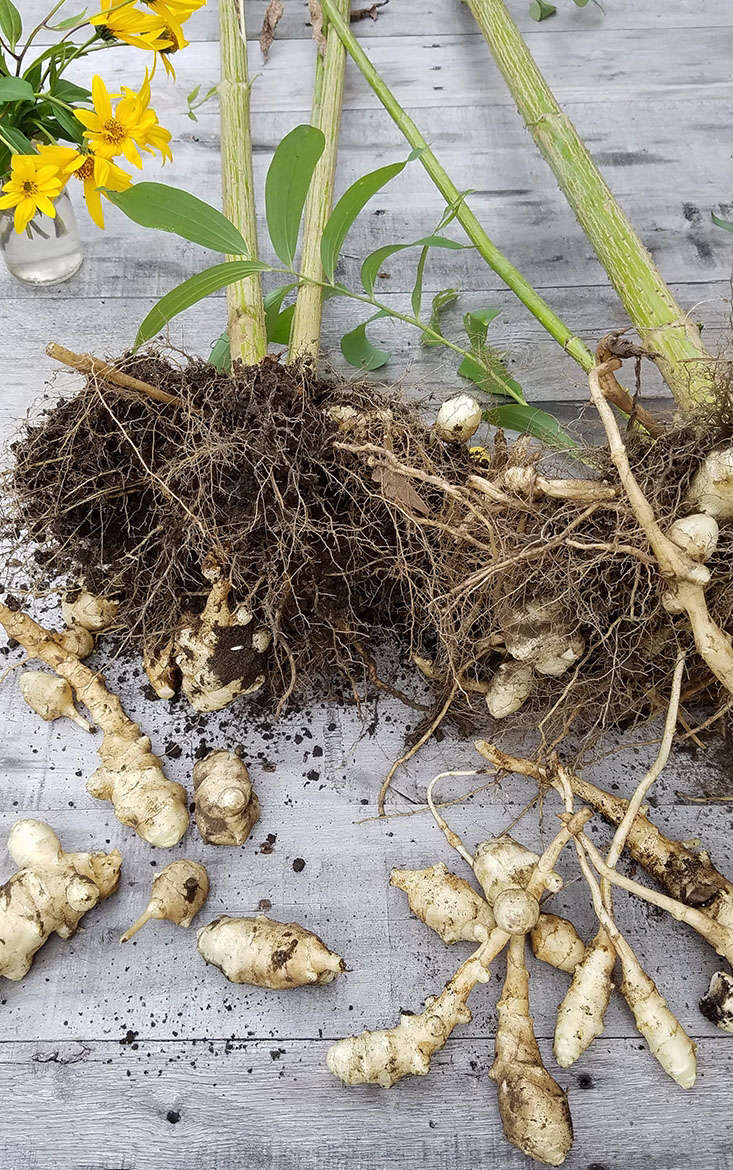
Neither an artichoke nor from Jerusalem, Jerusalem artichoke (also known as sunchoke) is in the sunflower family and native to the eastern US. It produces edible tubers prolifically. Everything you can do with a potato, you can do with a sunchoke—with one very important caveat: The tubers have a high level of inulin, a soluble fiber that is very good for you, and must be cooked well to avoid gastrointestinal issues. Harvest in fall but leave enough for the following year.
Skirret (Sium sisarum): Zones 4-9
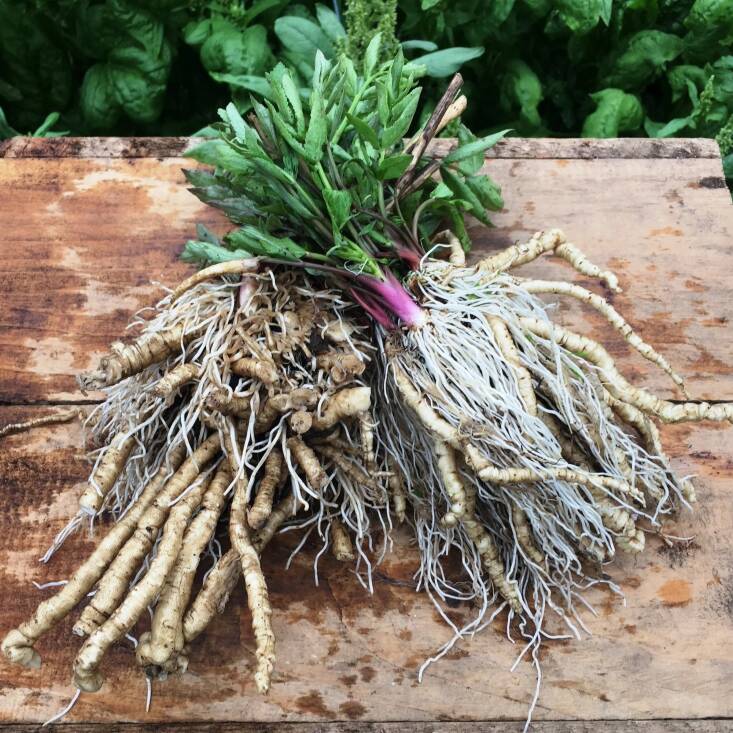
Skirret is a cool-season root vegetable in the carrot family that tastes like a very sweet parsnip. It looks like a collection of small parsnips growing out of a central crown and was a favorite from early Rome to the Victorian area until potatoes became more commercially available. It is very low-maintenance and has good pest and disease resistance; it can be harvested by division in its second year.
Hazelnut Hybrid (Corylus americana x Corylus avellana): Zone 5-8
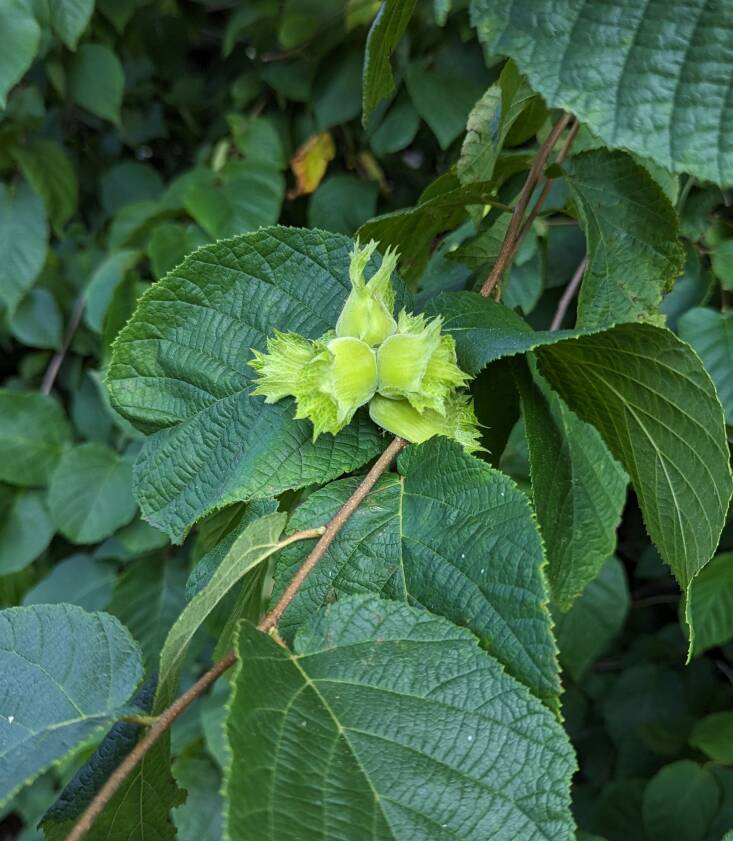
Hazelnuts are an understory shrub whose nuts flavor coffee, dessert, and can be even found on pizza. The European varieties have larger sized nuts but are killed by a fungus in the US. The American variety is resistant to the fungus but has smaller sized nuts. To solve this conundrum, Rutgers University has created hybrids with the best from both plants. While you will need to wait six years for nut production, making your own Nutella fresh is worth the wait and effort! Harvest before the squirrels get to them when the nuts turn brown.
See also:
- Edimentals Are Trending. Here’s Why You Should Include Them In Your Garden
- Flavorful and Fragrant: 5 Top Drought-Tolerant Herbs to Plant Now
- 10 Things Nobody Tells You About Starting a Vegetable Garden




Have a Question or Comment About This Post?
Join the conversation