


This is part of a series with Perfect Earth Project, a nonprofit dedicated to toxic-free, ecological gardening, on how you can be more sustainable in your landscapes at home.
How beautiful the blossoms are—emblems of the resilience of life.
The birds approach eagerly.
—Louise Glück from “Primavera”
It’s happening! With a burst of warm weather all the flowering trees seemed to have bloomed at once here in the Northeast, which happened to coincide with the arrival of spring migration. This fledgling birder couldn’t be happier. I’m thrilled to have already spotted Black-and-white, Palm, and Pine Warblers, a Blue-headed Vireo, and my first Orchard Oriole! I can’t wait for the Bobolinks to return to a local grassy meadow in a few weeks. And I am hoping that this is the season I’ll see my first Painted Bunting. Fingers crossed.
One way we can all see more birds and help reverse the increasing population declines caused by habitat loss and pesticide use is to adjust how we garden and care for our yards. I spoke with John Fitzpatrick, the director emeritus of the Cornell Lab of Ornithology and one of the founders of eBird, to learn more about what we can do. Fascinated with birds since he first identified an American Redstart while home sick from school when he was just five years old, Fitzpatrick shares how understanding the intricate relationship between birds and plants helps us provide them with what they need. Here are his recommendations.
Feed birds naturally and avoid all pesticides.
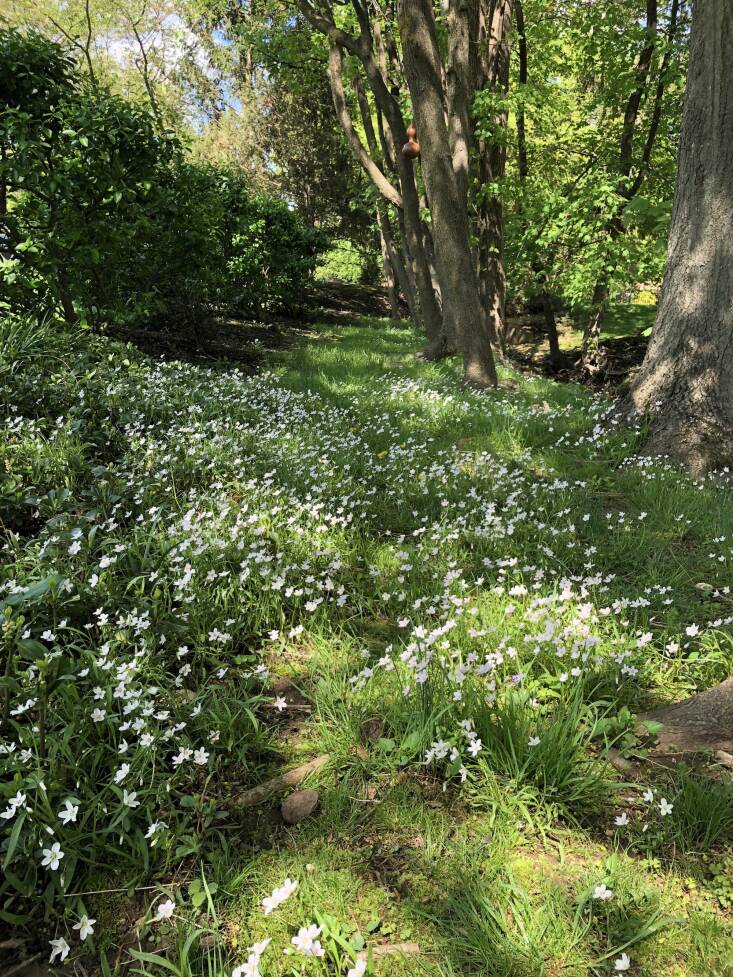
If you love birds, you have to love insects, too. A whopping 98 percent of terrestrial birds feed their young insects. When you spray pesticides on your plants, you kill insects—all of them, not just the ones you’re targeting. And when you kill insects, you are depleting the vital food supply of birds, which means fewer birds. Grow the beautiful native plants that birds have evolved alongside and welcome the insects that come to nibble on them. At Perfect Earth Project we say, “Plant 2/3 for the birds,”
“Ideally your entire yard is a bird feeder,” says Fitzpatrick. But Fitzpatrick does hang feeders at home, skipping the summer months when there’s an abundance of food outside. Feeders are a fun way for humans to watch birds. But Fitzpatrick wants you to recognize that when you hang a feeder, you’re also potentially subsidizing hawks and other predators that eat birds, as well as squirrels and other wildlife who will partake eagerly in the seed buffet. And if you hang feeders at home, please be sure to clean them often to avoid spreading disease.
Plant for pollination.

We often think of butterflies and bees when we think about pollinators, but plants rely on birds for pollination as well. “The hummingbird is a spectacular example of co-evolution with flowers,” says Fitzpatrick. The Ruby-throated Hummingbird, for example, is drawn to the vibrant red blooms of the cardinal flower (Lobelia cardinalis), Eastern columbine (Aquilegia canadensis), and scarlet beebalm (Monarda didyma). Their long, narrow bills fit perfectly inside those tubular flowers, which “have evolved specifically to attract hummingbirds.” When they dip their bills in to sip nectar, they also pick up pollen on their foreheads and transfer it to the next flower as they fly from plant to plant. These tiny jewel-like birds can visit as many as 2,000 flowers in just one day!
Grow fruit.
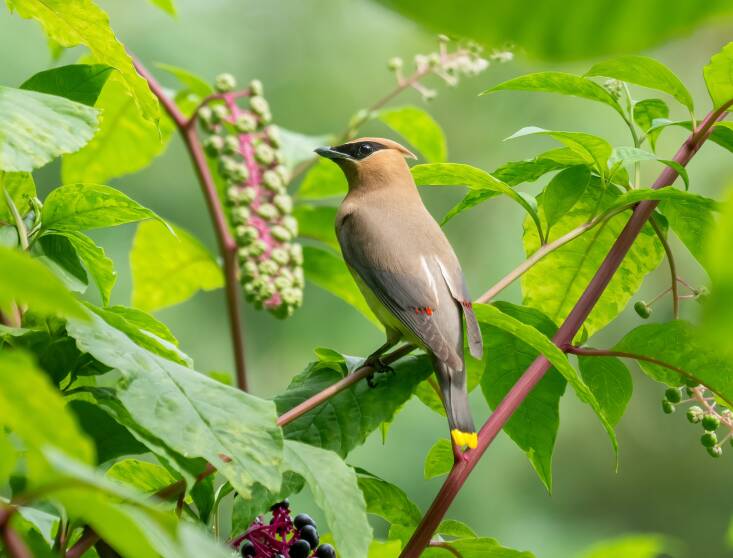
Native serviceberries, junipers, bayberries, chokecherries, and blackberries attract birds like waxwings, cardinals, and orioles, who like to snack on their berries in summer. Native spicebush (Lindera benzoin) produces its fat-rich berries in fall just in time for when the tanagers and thrushes are making their long journeys south for the winter. Bird-eating berries provide important plant-bird relationships. Birds are natural seed dispersers, says Fitzpatrick, seeding plants where they fly. But that also means that they can spread invasive plants, too, which is why it is important to remove aggressive fruiting shrubs like Japanese barberry (Berberis thunbergii) and burning bush (Euonymus alatus) before they fruit in the late summer, early fall. (Read some suggestions on removing invasive plants without chemicals here.)
Give them shelter and places to nest.
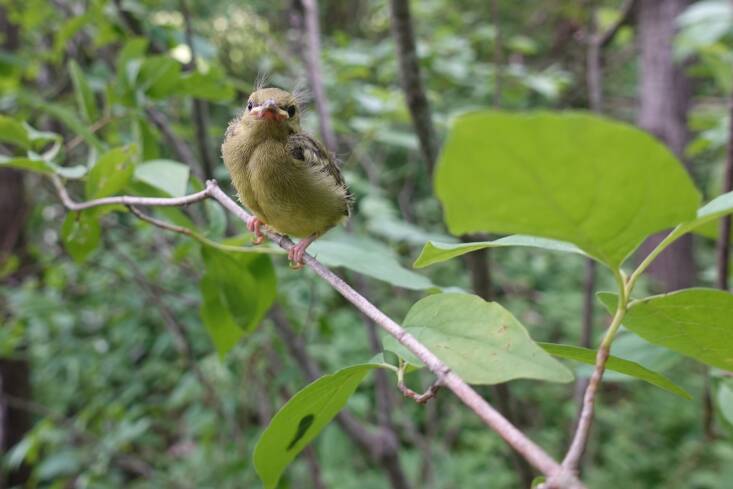
One of the best things you can do for birds is plant native thickets, dense clusters of shrubs and trees in varying heights and density, says Fitzpatrick. “Thickets are an invitation for birds to come to your yard,” he says. “Birds’ wing shape and span have evolved to fit inside the plant structures they live in.” If you want to make a hospitable spot for the diminutive Chestnut-sided Warbler or Ruby-crowned Kinglet to stop by during migration, plant a dense thicket and watch them zip out to snatch some bugs before zipping back into protection. If you want to attract larger birds, like catbirds or cardinals, aim for a thicket that’s made up of plants that are a little looser in habit, such as inkberry (Ilex glabra).
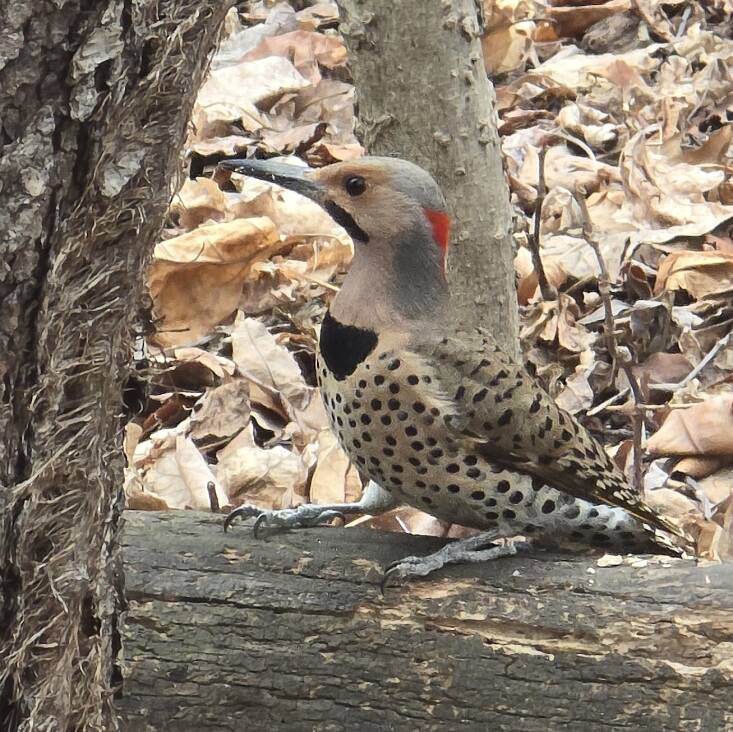
You can also gather fallen twigs together to make brush piles, wren tents, habitat stacks, and keep snags (dead trees) on your property. (Read our story on habitat piles.) “Another key to maintaining a vibrant biodiversity in your yard is to have some dead wood around in various forms,” says Fitzpatrick. Woodpeckers, Brown Creepers, and Nuthatches rely on dead wood to nest and forage. “The Northern Flicker is one of the most rapidly declining birds in Eastern North America,” Fitzpatrick says of this woodpecker, which has cumulatively lost about 50 percent of their population in the last 50 years. “When you cut down a dead tree, you’re taking away the chance for a flicker to nest in your yard.”
Grasslands and meadows are important for birds like Bobolinks and Meadowlarks, which are also declining precipitously. Delay cutting back meadows until after their young have fledged, sometime in mid- to late August.
Diversify your lawn.

“Really tightly manicured lawns sprayed with pesticides are the least interesting to look at and are dangerous to birds,” says Fitzpatrick. “Who needs a lawn that looks like a bright green rug?” The more diverse your lawn is, the more birds you’ll have. Having a lawn dotted with tiny violets, spring beauties, and pussytoes is not only prettier, more romantic, and more inviting (at least to this gardener), but it also increases the insect and arthropod diversity above and below ground, which means more birds, says Fitzpatrick. And more birds means more joy for the rest of us.
See also:
- 5 Favorite Hummingbird-Approved Plants
- 10 Things Nobody Tells You About Bird Baths
- 10 Easy Pieces: Modern Bird Feeders




Have a Question or Comment About This Post?
Join the conversation