

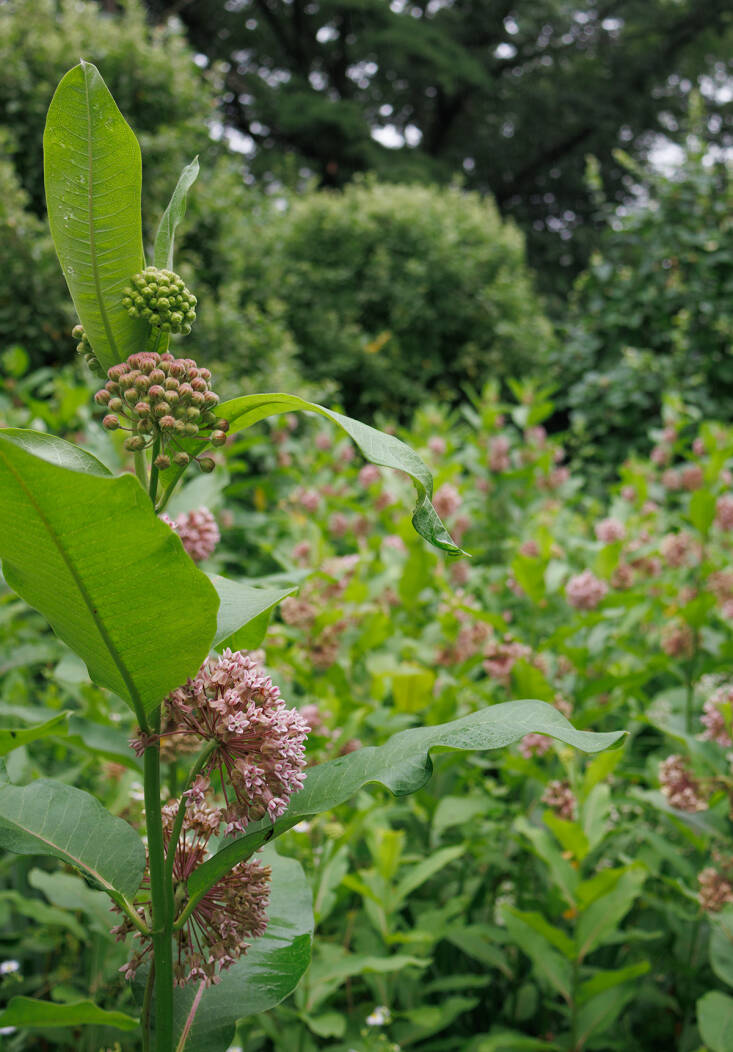
What is a chaotic native perennial? The concept of chaos-gardening is trending (think of it as re-wilding, rebranded for 2026). And if you have ever grown common milkweed you are nodding and smiling, possibly through gently clenched teeth: “Oh yes, that is one rambunctious native wildflower.” Perfect for chaos. It is also gorgeous, resilient and necessary for a host of small creatures, from aphids to monarch butterflies to hummingbirds. While common milkweed may vex gardeners at sowing time, because it requires cold stratification to germinate, once established this sumptuously beautiful, unruly, useful, and perfumed perennial is yours forever. And perhaps your neighbor’s, too. It is a pollinator haven, a monarch pantry, and a native vegetable. Common milkweed might define the gift that keeps on giving.
Here’s how and why to grow this important plant, with some expectation-management thrown in.
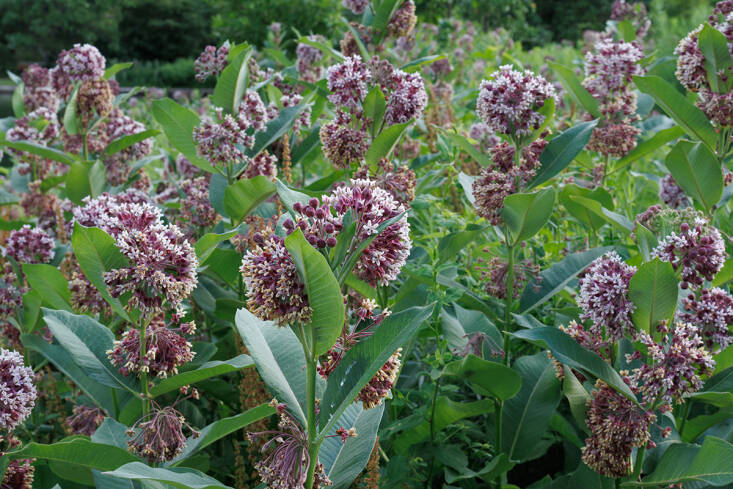
Common milkweed—Asclepias syriaca—is one of over 130 species of milkweed native to North America. It is also one of the diverse spectrum of milkweeds whose leaves feed the larvae (caterpillars) of monarch butterflies. Thriving milkweed populations are essential for the butterflies’ currently threatened survival.
In a 2018 study led by Victoria Pocius to establish which milkweed species monarchs prefer, the leader among the species sampled appeared to be swamp milkweed (Asclepias incarnata). But the authors noted that female butterflies laid eggs on a variety of milkweeds when given a choice, and concluded that “a suite of different milkweed species may provide a broader set of resources across the flight season compared to only one milkweed species. Additionally, females laid more eggs when a diversity of milkweed species were present in their environment.”
Planting common milkweed and other species is just one piece of the large monarch jigsaw: habitat loss is a critical factor in their decline— monarchs migrate over several generations and mature in different regions, geographically; pesticide and herbicides are another threat. But for decades, milkweed colonies, common milkweed especially, have been treated as unwanted weeds and destroyed. Building them back up will help support not only the butterflies, but the dizzying array of other beneficial insects that find food, shelter, and prey among the plants.
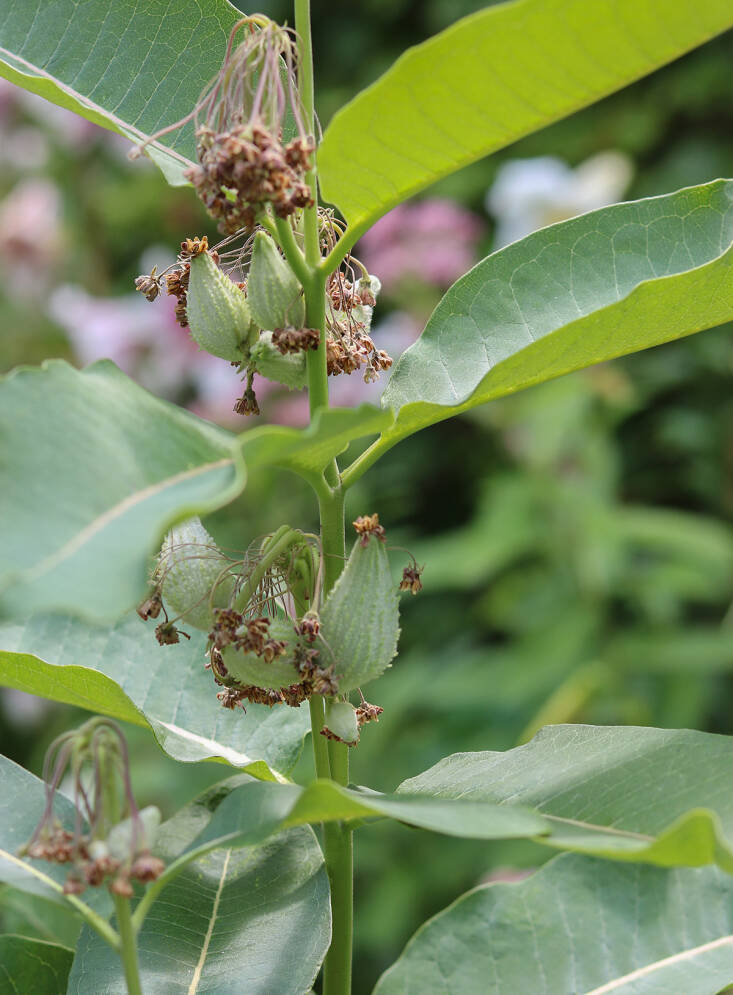
So why grow common milkweed if other species are also beneficial to monarch butterflies? In my own experience, growing this versatile plant was simply exciting. (I planted it in-ground in my previous vegetable garden; this is not a plant for pots.)
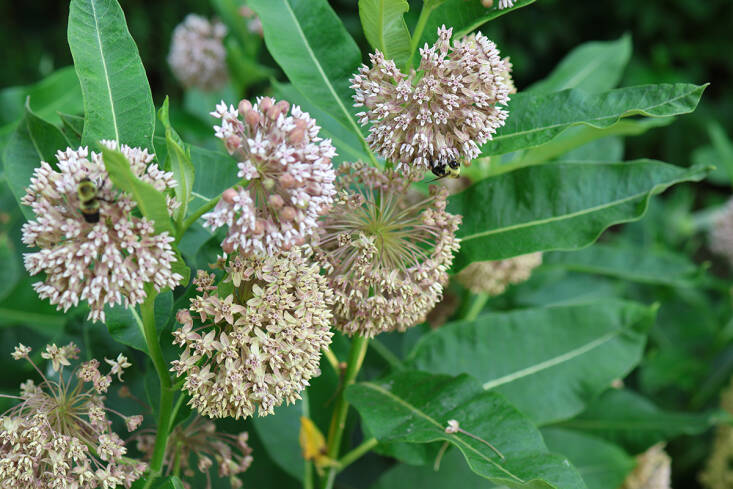
- Common milkweed is a biodiversity powerhouse, attracting a multitude of insects, from pollinators—bees, butterflies, and others; to predators —ladybugs and lacewings and their prey—aphids. (Also milkweed beetles, which resist these categories.)
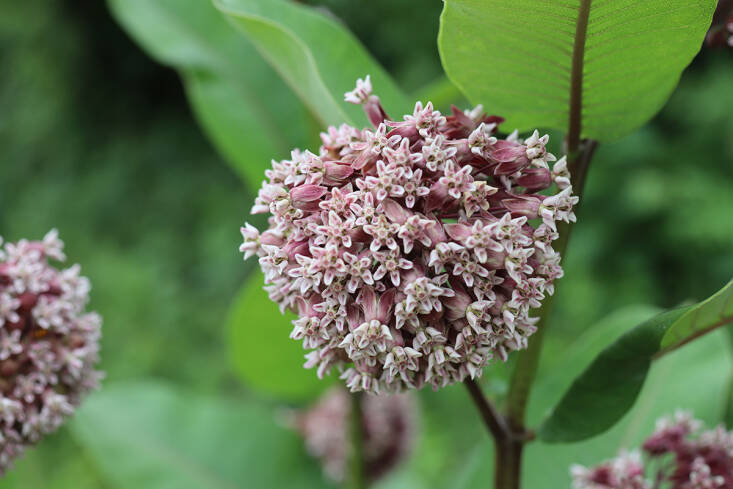
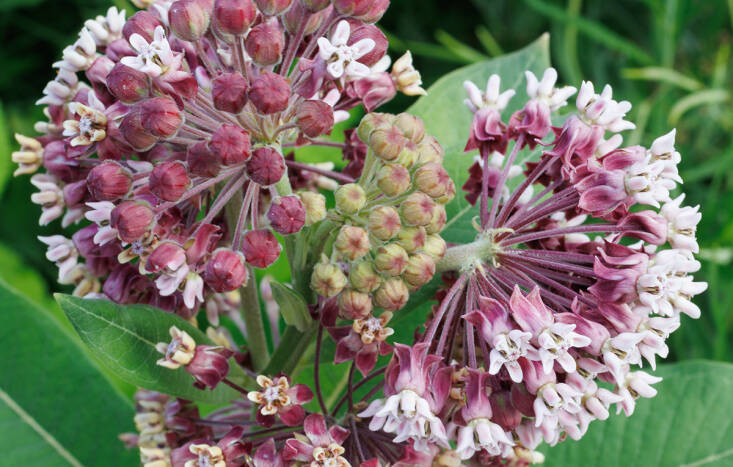
- That perfume: the flowers are richly perfumed.
- Common milkweed is a very good vegetable. Shoots, buds, flowers, and young pods.
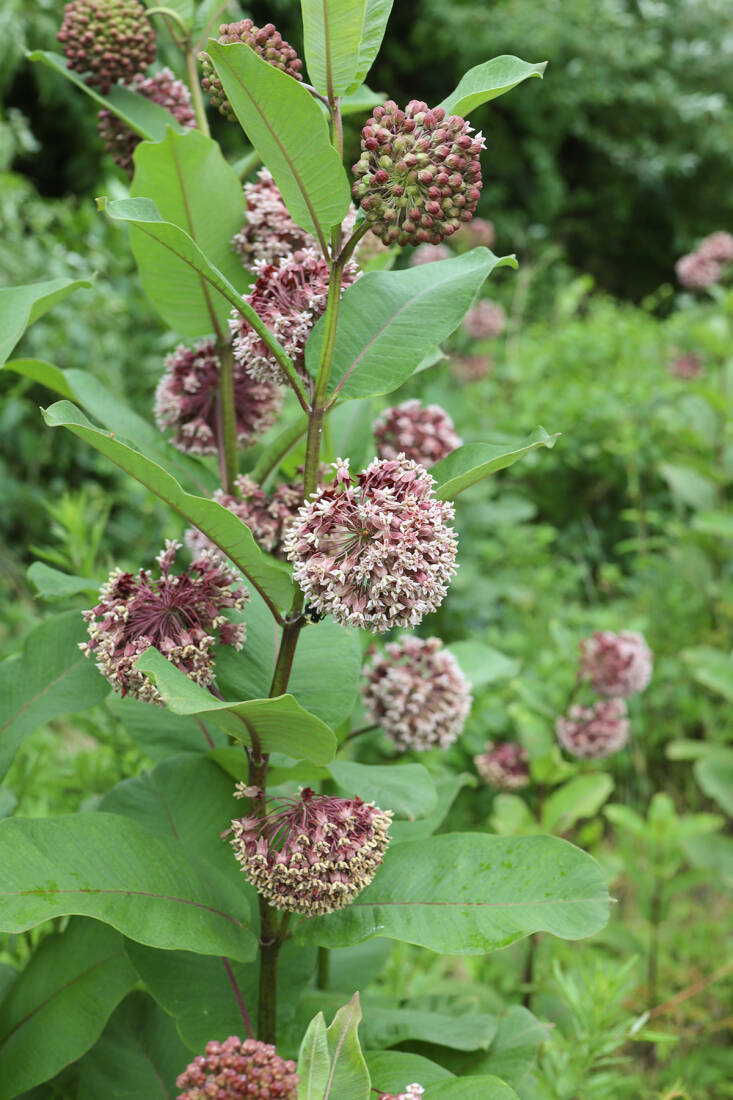
The source of my own plants was threefold: I grew some from seed, I rescued runners from a development site, and I planted already-established specimens bought from a nursery. As expected, the seeds, sown in fall, were the slowest to produce plants. The runners had sent up new shoots by the end of summer, and the nursery-grown plants established the most quickly.
By their second year, the more mature runner-milkweeds began popping up randomly, far from their initial orderly row behind the peas. Chaos garden. But very satisfying. Because I recognize it as a very delicious native vegetable, harvesting the randomly appearing shoots in spring was also a rewarding way to control their spread.
Fascinating Facts
- Asclepias syriaca’s species name refers to Syria, due to a series of mix-ups involving early European illustrators, collectors, and botanists. The original mistake was made in 1635 by the namer, Jacques-Philippe Cornuti, who misidentified a living plant in Paris, confusing it with a dogbane (same family) from the Middle East. Carl Linnaeus decided to keep the species name when he classified it botanically in 1753.
- Common milkweed was introduced to Europe, where it has naturalized, over 400 years ago.
- Honey bees’ legs are sometimes trapped by the flowers, a pollination strategy that can unintentionally kill these small, non-native bees.
- A sheep farming friend reports that her sheep actively seek out young common milkweed plants and graze them to nubs. They are happy and healthy. This contradicts common advice that livestock farmers should remove the supposedly toxic plant from pastures. It is worth further study.
Cheat Sheet
- Common milkweed is native to the Eastern North America.
- Because it reproduces in part via underground runners, new shoots will pop up at random: it is best suited for meadows or wild borders.
- Monarch butterfly females lay eggs on the plant and their caterpillars feed on the leaves.
- Common milkweed’s nectar feeds hummingbirds.
- The tender shoots, flower buds, and immature pods of common milkweed are a very good cooked vegetable.
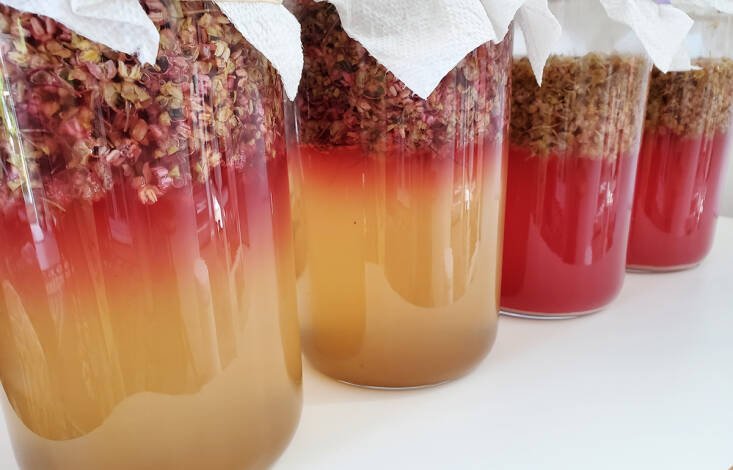
- The intensely scented flowers make good syrups, cordials, or fritters.
Keep It Alive
- Common milkweed is very cold hardy. Grow it in USDA zones 3 to 9.
- Plant in-ground—it will not thrive for long if restricted to a pot (swamp milkweed is better in pots).
- Grow in full sun or part shade (plants in sun will bloom more prolifically).
- To grow from seed, sow fresh seeds in autumn, allowing for a winter of cold stratification
- If planted from runners in the growing season, expect the above-ground parts to wilt soon and possibly die back, but the runners will root if watered immediately.
- Nursery-grown plants in pots 4 inches and larger will establish quickly while plugs (1.5 inches) may take a few years to bloom.
See also:
- Monarch Butterflies Are Nearing Extinction: 5 Ways to Help
- Milkweed Pods: A Native Summer Vegetable to Grow, Cook, and Eat
- Landscape Ideas: What to Plant for Pollinators? Choose Milkweed



Have a Question or Comment About This Post?
Join the conversation