


Every spring for the last couple years, “chaos gardening” enthusiasts emerge online. They suggest that gardeners take a bunch of seeds, mix them together, toss them on the earth, and wait to see what will emerge. It’s a trend that has maddened seasoned gardeners. After all, boiled down, gardening is essentially a series of choices about what to cultivate, where to plant, and how to care for your garden.
That said, the idea of a toss-and-grow garden is undeniably appealing. “People feel overwhelmed and they feel like gardening is hard, which frankly, it is to a degree,” says master gardener Angela Nickerson, the author of the Wild Revivial newsletter. Chaos gardening promises simplicity and ease.
Google Trends shows how the phrase rises each spring in March and April (peak seed-sowing season in the northern hemisphere), but origin of the phrase and the idea is hard to pinpoint. Teresa Woodard, who has written a forthcoming book on the topic, Grow a Chaos Garden, points to Mirabel Osler’s gardening memoir, A Gentle Plea for Chaos, which was originally published in 1989, as the first to put the two words together. TikTok is where the trend has gained steam and its current mix-and-toss method.

When I asked Woodard for her definition of “chaos gardening,” she told me it’s loose. “I really focus on the seed sowing part of it,” she says. “But it’s also a philosophy where you’re stepping away from rigid order and embracing curiosity instead of overly controlling your garden. It’s about scattering seeds and observing what emerges and editing that, rather than planting rigid rows or planting according to strict garden rules.” By that definition, many gardens with a more naturalistic look and self-seeding plants might fall into the chaos category.
A looser, more naturalistic style is trending in gardening overall, but critics dismiss chaos gardening for creating false expectations. One of the problems is that some of the articles and social media posts that promote chaos gardening use images of landscapes that weren’t made using chaos gardening tactics. Nickerson says she has seen people disappointed with the results. “She’s expecting some grand, beautiful English-style garden, and she has put a bunch of seeds together hoping that that will come true,” Nickerson explains. “Then she thinks, ‘I have done it wrong.’ When what really is true, is that she’s been given truly bad, unrealistic advice.”
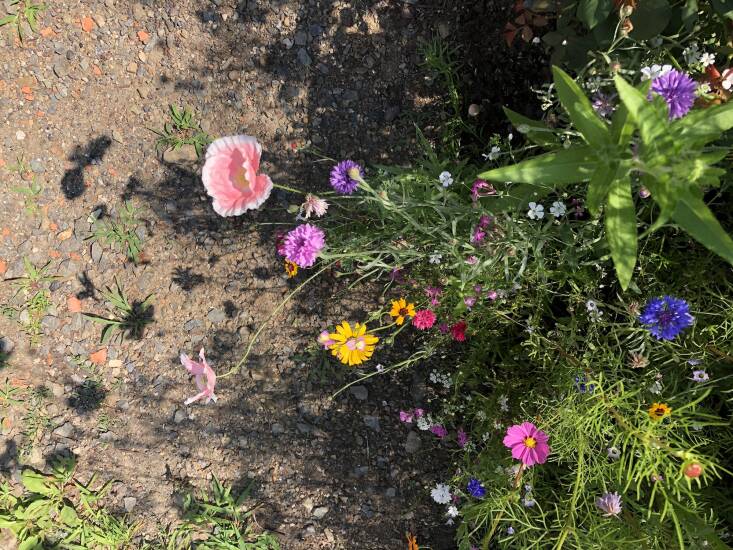
However, Nickerson isn’t against chaos gardening; she says that she employs it in her own garden to create green mulch. Whenever she has a few seeds left from a packet that aren’t enough to save or have expired, she puts them in a jar. Then in the spring she spreads them on the bare earth beneath the fruit trees in her side yard. “Sometimes I end up with tomatoes growing in there and sometimes I end up with a whole bunch of lettuces, but it’s great because it creates biomass and groundcover—it’s a cheap and easy way to cover soil,” she says. “Chaos gardening can be great for filling in blank spaces, but you have to have some structure there. It’s not going to look like an English country garden.”
Even if the results of chaos gardening are not picture-perfect, Woodard believes the trend invites younger people to consider gardening. “Perhaps they’ll learn about gardening through chaos gardening—through trial and error—and then they’ll get into more involved gardening. Seed sowing is really a simple affordable way to get plugged into gardening.”
Another downside of chaos gardening is that it has the potential to introduce pesky plants. Both Woodard and Nickerson caution against buying a random pre-mixed wildflower mix. “ You want to buy those from reputable sources—not something you found on Amazon. You want actual wildflowers that are native to your area.” Woodard likes the native seed mixes from Prairie Nursery; Nickerson recommends ones from American Meadows or Botanical Interests.
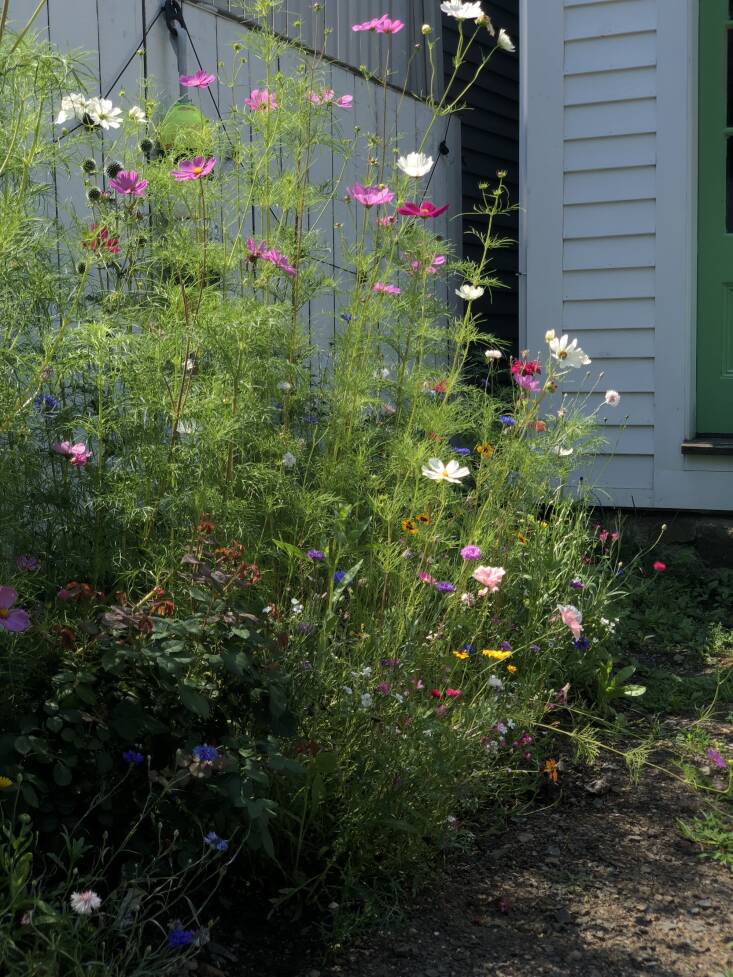
Katy Elliott, the creator behind Modern New Englander, used just such a mix when she extended the garden beds around her Marblehead, Massachusetts home. Elliott selected a wildflower seed mix appropriate to her region and zone to test the conditions and the sun of the new area. “I wanted to see what could grow there,” she says. That test garden informed the garden Elliott would eventually plant. “I could really see the path of where the sun-loving plants were really thriving, and not—literally a foot over because of a shadow of a house,” she recalls. “It helped me plan my future garden.”
Today, Elliott’s garden is 95-percent perennials, and she jokes, “It’s still chaos but with perennials,” but she still embraces some of that seeded spontaneity with poppies and zinnias sown amongst the perennials. She has also embraced chaos in another way. “This year I tried to be very careful not to weed as much in the early spring because I felt like in past years I was weeding too much and not realizing those were from plants that had self-seeded,” she says. “I had some surprises this year of different echinaceas and my cat mints are everywhere in the garden, which I love.”
Whatever form of chaos gardening you decide to try, don’t follow the example of those TikTokers throwing Dollar Store seeds willy-nilly. Writing on social media, permaculture enthusiast Huw Richards, said, “Seeds are precious, and even if they are old it is worth doing the very bare minimum to give them a good start.” So, if you want to try chaos gardening, start with good seeds and at least cover them with soil to give them a fighting chance.
See also:
- Rethinking Native Gardens: Beyond Wildflower Meadows
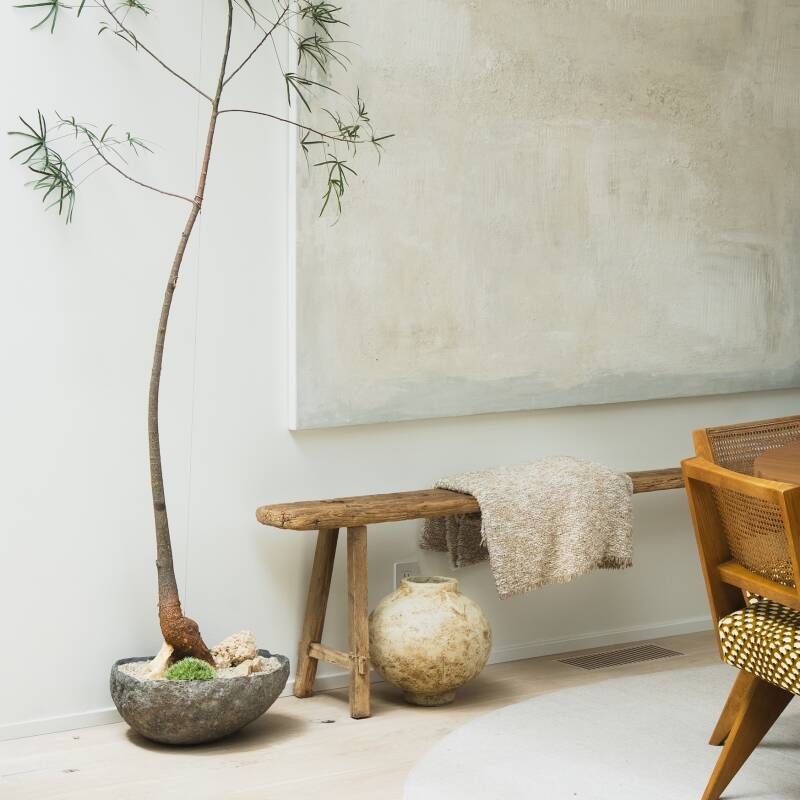
- Gardening 101: Queensland Bottle Tree, The Trending Cult Houseplant
- Trend Alert: Beautiful Low-Impact Pathways





Have a Question or Comment About This Post?
Join the conversation