


When we saw the news that “swift bricks” would be required in all buildings in Scotland, it sparked our curiosity about masonry designed to create habitat. Could something as simple as replacing a facade brick with a special habitat-supporting one really make a difference?
Swifts, along with many other bird species are undergoing major decline, in part because nesting sites are disappearing on existing buildings due to re-roofing and replacement of soffits and fascias (not to mention the loss of their natural habitat). The idea behind mandating the swift brick is that developers would install these built-in nesting sites in new homes to replace what is being lost.
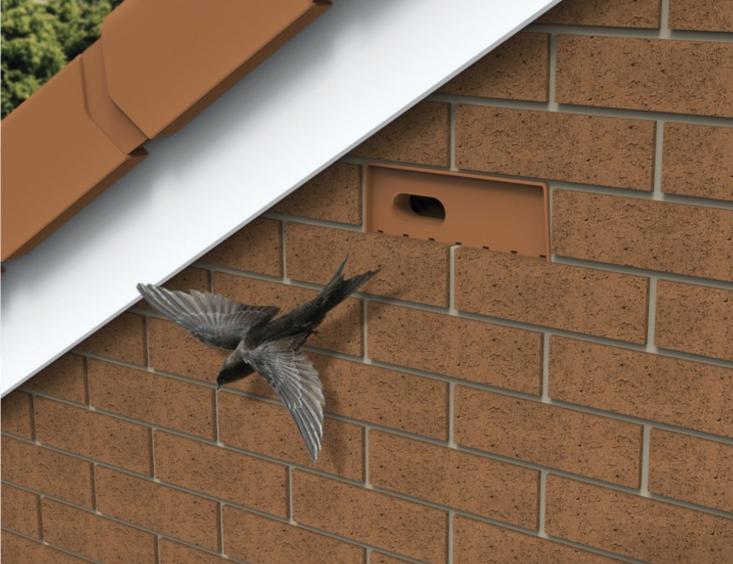
A “swift brick” is not a traditional brick, but rather, a hollow block sized to hold a nest with a hole in it. Swifts unquestionably need more habitat, but there has not been a comprehensive study on the effectiveness of the bricks. In the summary of their 2015 study of swift boxes (both integrated and mounted), the authors of “Nest-boxes for Common Swifts Apus apus as compensatory measures in the context of building renovation” wrote, “studies on the efficacy of such measures remain sparse”—and this remains true today more than a decade later. That said, the study concluded that “installing nest-boxes is likely to be an appropriate measure to compensate for nesting sites of Swifts lost during building renovations,” a recommendation that is behind the swift brick movement.
There are other types of integrated habitat bricks, including bee bricks and integrated bat boxes, which are a little thornier. Writing in frustration about the fanfare that bee bricks received in Brighton, England, Mark Patterson, a UK-based ecologist, urban apiculturist, and environmental consultant wrote, “The bee brick is a really poorly designed nesting feature for solitary bees, and the research indicates that they just don’t work as well as they are intended to.” Among many criticisms, Patterson and other scientists believe the bricks are too shallow for bees to nest within.
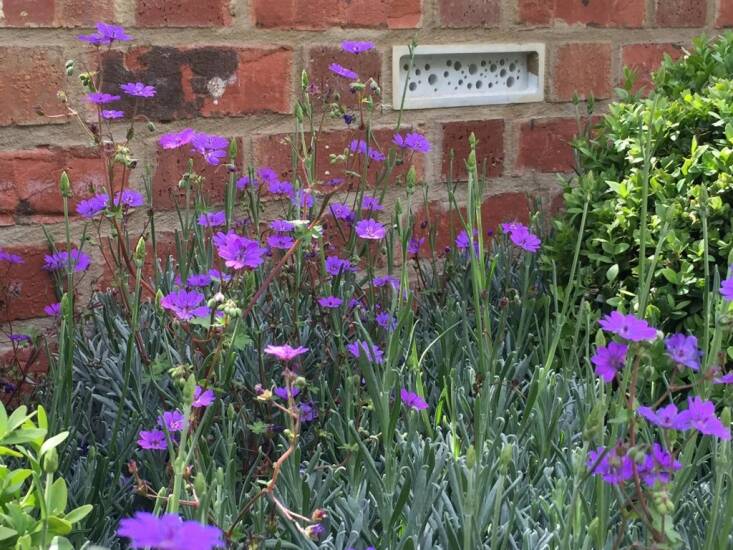
Indeed, a small study by University of Exter showed that only 3.5 percent of 128 monitored bee bricks were actually used for nesting. Speaking to The Guardian, Dave Goulson, a professor of biology at the University of Sussex, said bee bricks are not “ideal homes for bees” but “are probably better than nothing.”
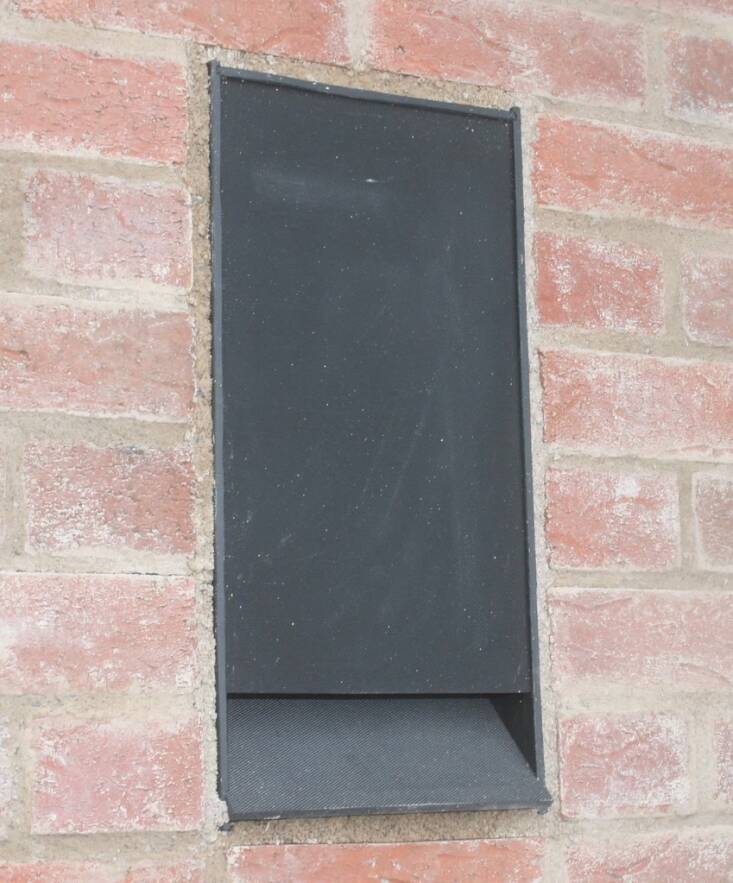
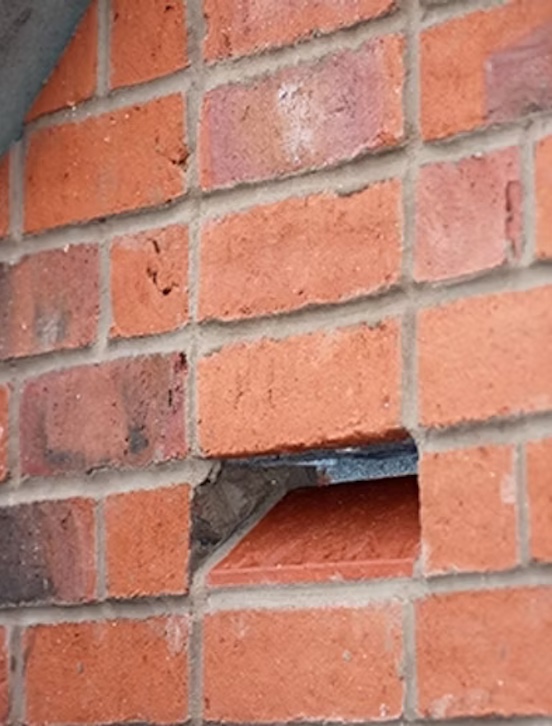
When we reached out to Bat Conservation International (BCI) to get their take on integrated bat houses, the organization did not have specific experience with integrated designs and hesitated to either recommend or discourage them. Mylea Bayless, the Chief of Strategic Partnerships at BCI, says what makes a good bat house is quite complex: materials, insulation, size of house, number of chambers, size of roosting spaces, color, the number of boxes, and where they are mounted are all factors that impact the suitability of a bat box. She points out that planning all that in advance of construction is much more complicated than just slotting in a special piece of masonry.
Goulson also brought up another danger of habitat masonry mandates when speaking to The Guardian: They give people the feeling that they are doing something meaningful to support biodiversity, which may, in turn, mean that more impactful action isn’t taken. In fact, there’s evidence that the mandates have spurred little more than self congratulations: Researchers at the University of Sheffield surveyed nearly 6,000 newly-built houses and found that only half of the legally mandated features to help wildlife on housing developments had materialized. One hundred percent of bug boxes and 75 percent of both bat and bird boxes were found to be missing from new developments (many of the trees detailed on planting plans were also missing or dead).
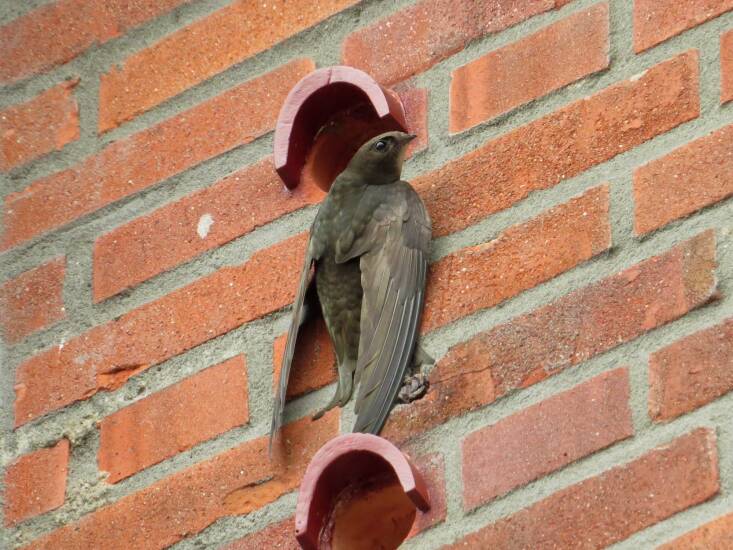
Our takeaway? Adding purpose-built habitat to a home–either integrated or surface mounted–is a positive way to try to support birds, bats, and bees, but you should follow the recommendations of a local conservation organization when planning your habitat feature. We also need more studies to understand if these bricks are effective ways to create habitat. We’d love confirmation that this simple swap is worth making.
See also:
- 5 Favorites: Architectural Birdhouses
- Gardens Are For People (And Bats): A Memorable Chelsea Flower Show Garden
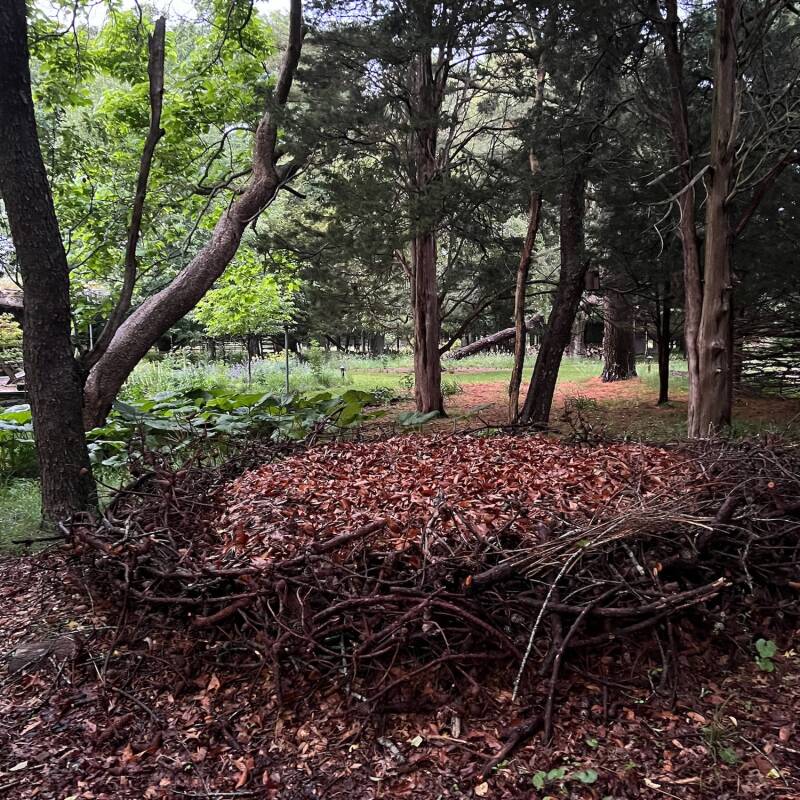
- Habitat Piles: Turning Garden Debris Into Shelter and Sculpture


Have a Question or Comment About This Post?
Join the conversation