


I have been a devotee of sedums for several years, adding them to all sorts of gardens, and this appreciation just keeps growing as new varieties emerge on the scene. I’m not alone. National Garden Bureau named 2026 the Year of the Sedum. What’s not to like about them? They’re durable, versatile, and play well with so many plants. Curious to learn more? Here are 10 other qualities that you may not know about sedums, which are also known as stonecrops:
1. Sedums propagate beautifully.
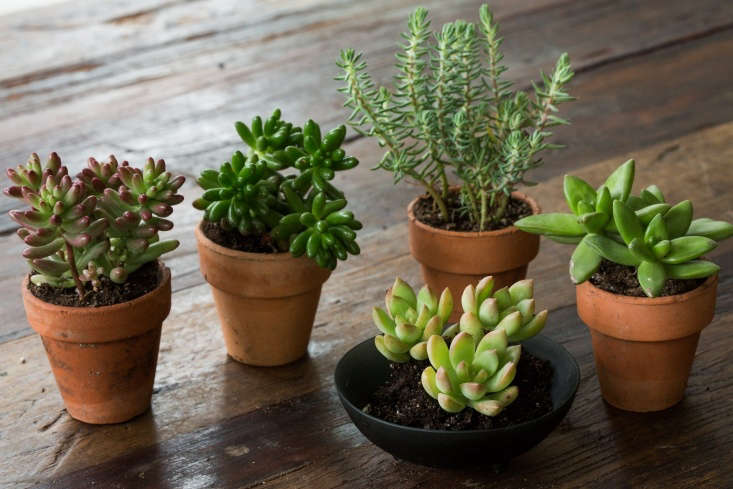
Most sedums are a cinch to make more of. If you find a broken stem or you intentionally break off a stem, just stick the cutting in some barely moist succulent soil and wait for new growth before watering sufficiently. I know some rule-abiding gardeners insist on drying out the end for 1-2 days to let it callous over before sticking it in well-draining soil but I usually ignore that step and still have success. A simple but slower step is to do leaf propagation where you twist off a healthy leaf, including the base, and lay it on top of dry soil. Wait, and soon tiny rosettes and roots will sprout. Now, if you have an established mass of a sedum ground cover, you can dig up a clump, making sure to get the roots, and replant it immediately. This is best done in the spring or fall.
2. Sedums come in two forms.
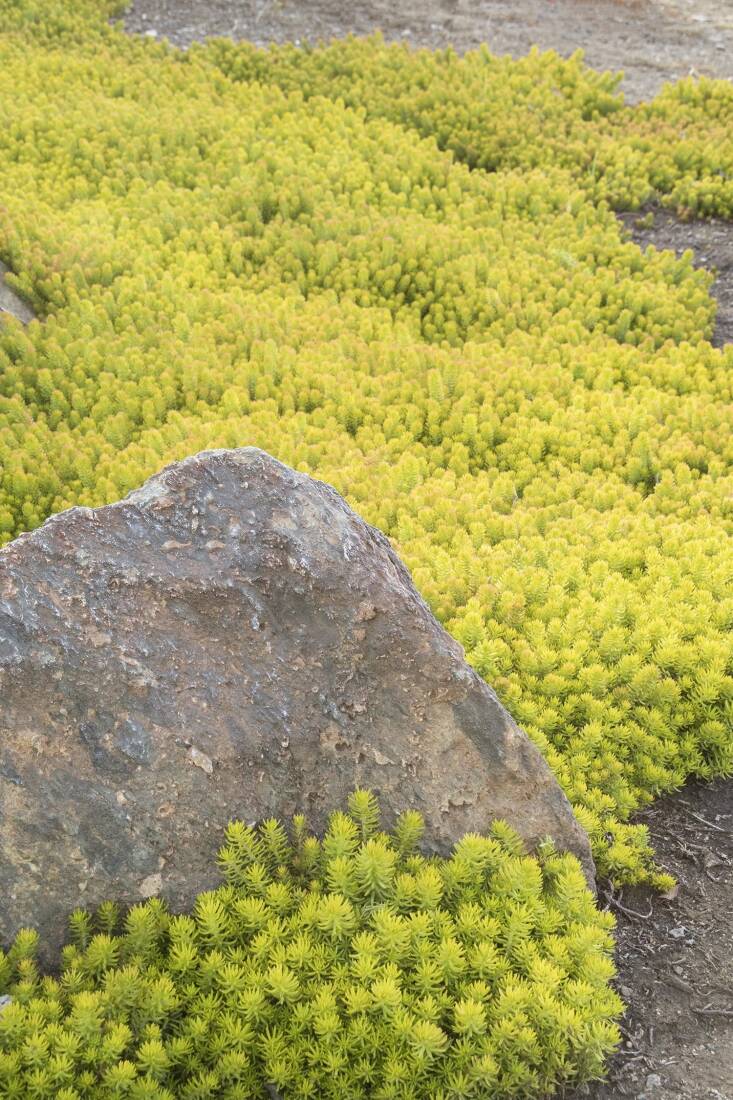
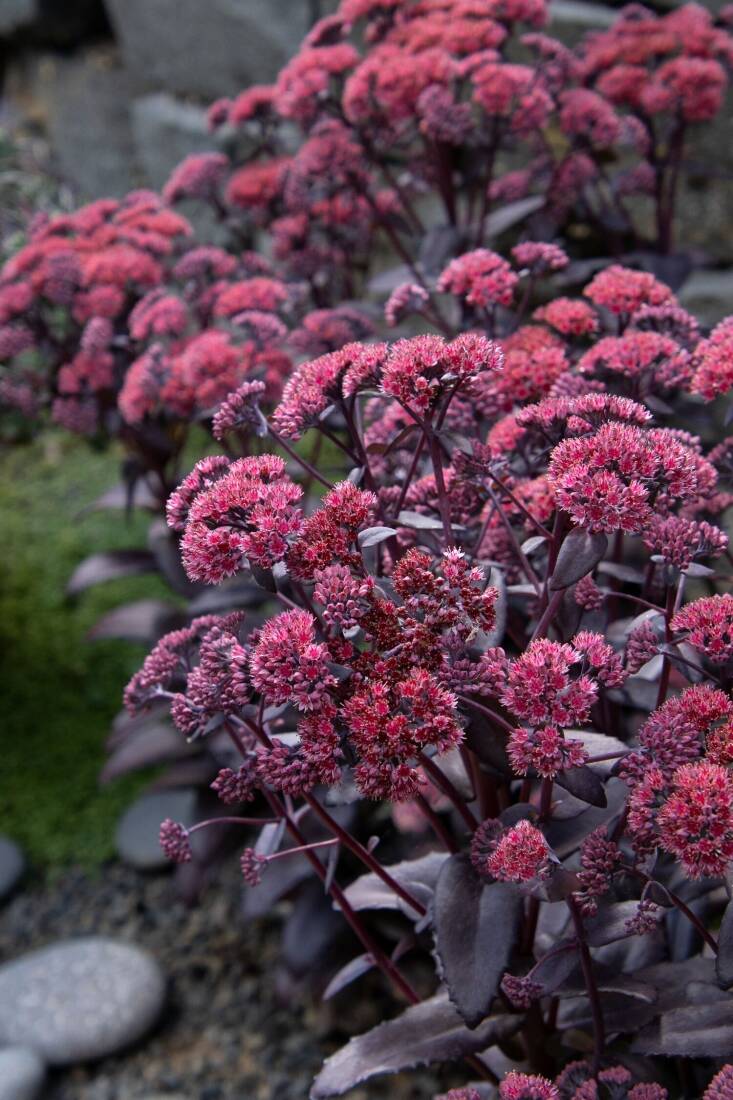
One form is the low-growing and creeping type that’s often planted as a ground cover, a filler between paving gaps and rocks, or a spiller that creeps down slopes or cascades over container edges. Among my favorites of this type are Sedum rupestre, ‘Angelina’, and many (okay, all) of the Sedum spurium varieties. The other form is taller and more upright with clusters of bigger blooms, making them perfect for perennial or succulent beds where some medium height is desired. A fine and popular example is Sedum ‘Autumn Joy’. Both forms are thankfully drought-tolerant once established.
3. Sedums offer wonderful winter interest.

The more upright sedums gift gardens with dried sculptural flower heads if left unpruned. A dusting of frost or snow adds to the beauty. A fine selection for this would be Sedum ‘Matrona’. Many creeping varieties also morph into vibrant shades of orange, red, or bronze as the weather cools. Ground cover Sedum ‘Dragon’s Blood’ turns a brilliant crimson as cooler temperatures arrive.
4. Sedums are nocturnal.
Sedums don’t open their tiny pores during the day (a way to avoid loosing precious water reserves) and instead open them at night to absorb and store carbon dioxide for use during daytime photosynthesis. This superpower is called Crassulacean Acid Metabolism (CAM) photosynthesis.
5. Pollinators adore sedums.

Both the smaller and taller varieties have nectar-rich flowers, blooming summer through fall, that are irresistible to bees, butterflies, and other pollinating insects. They’re also captivating to me; I like to snip the cute blooms to add to small floral arrangements.
6. Sedums are rabbit- and deer-resistant.
Looking for plants that don’t need protection from nibbly predators? Sedums are your solution due to their fleshy and thick texture; plus they have a bitter taste that deters hungry visitors. Of course, if nothing else is available, your sedum flower heads may become more attractive to deer. Not much these days is completely safe.
7. Sedums don’t require rich soil.
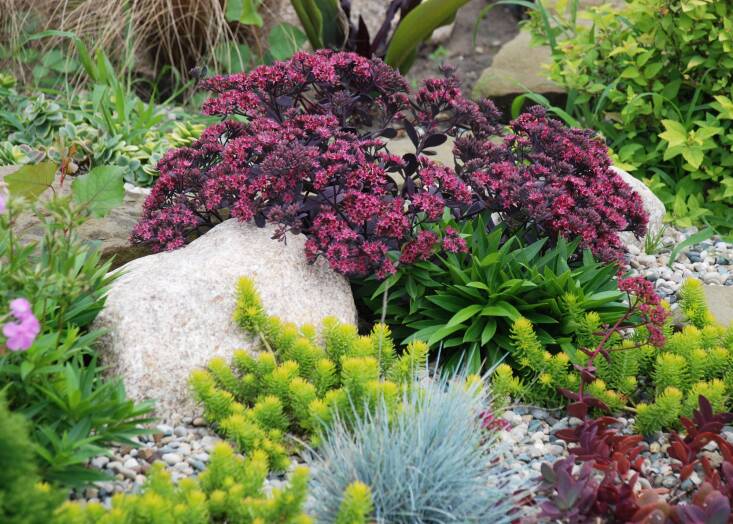
Sedums favor sandy, gravelly, and generally lackluster soil. Plus overwatering and overfertilizing will cause weak and floppy stems.
8. There’s no need to prune back sedums in the fall.
Fall is not the best time for pruning sedums. You can wait until spring, at which point you can cut them to the ground. By delaying the pruning, you give local birds a winter food source.
9. Some sedums may go by another name.
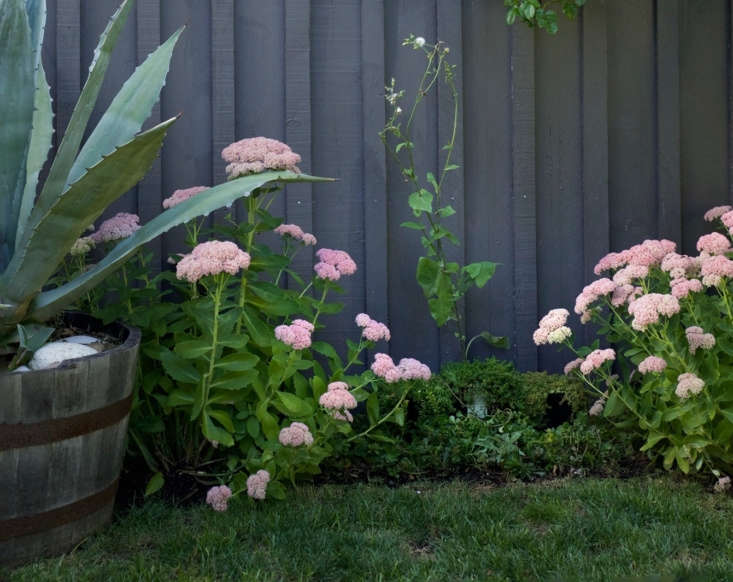
As if remembering plant names weren’t hard enough, but many upright varieties have been reclassified into the genus Hylotelephium. For example, Sedum spectabile is now Hylotelephium spectabile. This happened because botanists realized that the large group was too genetically diverse to mass all together, so many species have split off into separate genera.
10. Sedums can survive on rooftops and green roofs.

Not only are sedums un-thirsty, but they are lightweight and shallow-rooted, making them great candidates for limited-soil situations. Sedums can also tolerate harsh rooftop conditions like intense heat, wind, and reduced water. The ground cover varieties are best for these areas.
See also:
- Gardening 101: Stonecrops
- Gardening 101: Ground Covers for Every Landscape
- How to Plant a Pollinator Garden…in a Pot


Have a Question or Comment About This Post?
Join the conversation