Icon - Arrow LeftAn icon we use to indicate a rightwards action. Icon - Arrow RightAn icon we use to indicate a leftwards action. Icon - External LinkAn icon we use to indicate a button link is external. Icon - MessageThe icon we use to represent an email action. Icon - Down ChevronUsed to indicate a dropdown. Icon - CloseUsed to indicate a close action. Icon - Dropdown ArrowUsed to indicate a dropdown. Icon - Location PinUsed to showcase a location on a map. Icon - Zoom OutUsed to indicate a zoom out action on a map. Icon - Zoom InUsed to indicate a zoom in action on a map. Icon - SearchUsed to indicate a search action. Icon - EmailUsed to indicate an emai action. Icon - FacebookFacebooks brand mark for use in social sharing icons. flipboard Icon - InstagramInstagrams brand mark for use in social sharing icons. Icon - PinterestPinterests brand mark for use in social sharing icons. Icon - TwitterTwitters brand mark for use in social sharing icons. Icon - Check MarkA check mark for checkbox buttons.
You are reading

Meet the Small Vermont Nursery Redefining American Gardens

Search

Meet the Small Vermont Nursery Redefining American Gardens

July 3, 2026

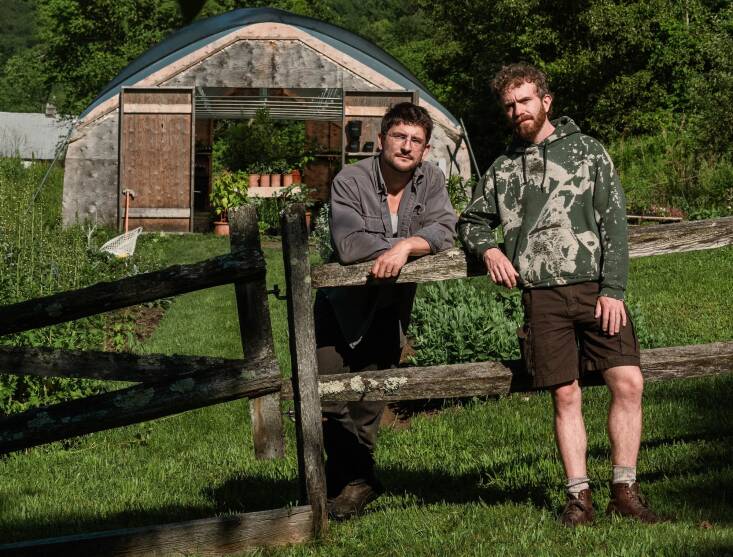
In 2024, after years spent gardening and never quite finding their dream nursery, Adam Whitney Nichols and Bryan Dunbar decided to take matters into their own hands. Thus, Spring Road Nursery was born. Part greenhouse, part shop, and part garden design studio, the business runs out of the couple’s 19th-century terraced property in Turnbridge, Vermont. Nichols and Dunbar now spend their days propagating rare plants, slinging terracotta, and collaborating with local makers on small batch runs of goods for the garden.

This place, and the cultural landscape that surrounds it, is central to Spring Road’s ethos. “We’re interested in the history of American gardening and American craft, and in discovering what a distinctly American gardening practice might look like today.” Here, the couple walks us through the things they’re most excited about this season, and explain how this venture, not unlike gardening itself, is ultimately an exercise in world-building.

Photography by Sarah Priestap-Porter, courtesy of Spring Road Nursery.
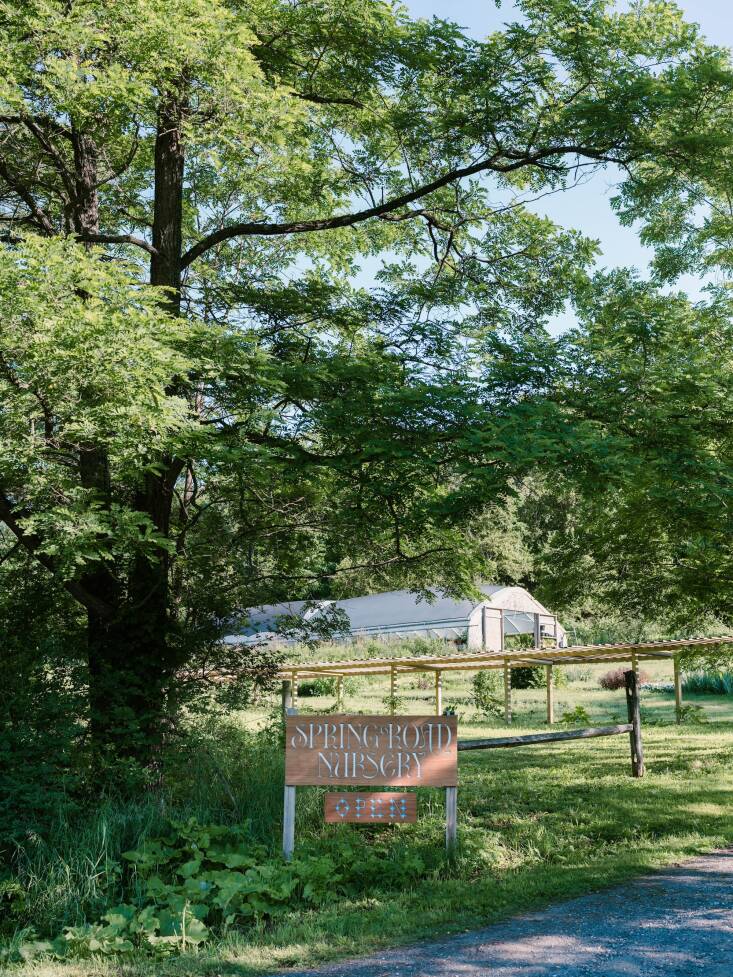
“Visitors wander through our greenhouse and shop, past a weathered potting shed, and out to a terraced hillside that serves as our growing field: a living library of rare, unusual, and sometimes strange plants. Everything here is meant to help people build a closer relationship with the living world around them.”
Above: “Visitors wander through our greenhouse and shop, past a weathered potting shed, and out to a terraced hillside that serves as our growing field: a living library of rare, unusual, and sometimes strange plants. Everything here is meant to help people build a closer relationship with the living world around them.”
“I grew up seeing wooden whirligigs in the small towns around my family&#8\2\17;s farm on the Eastern Shore of the Chesapeake Bay,” says Nichols of the inspiration behind their own. “I&#8\2\17;ve always been drawn to them. They serve no practical purpose beyond making the wind visible, which has always felt deeply poetic to me.”
Above: “I grew up seeing wooden whirligigs in the small towns around my family’s farm on the Eastern Shore of the Chesapeake Bay,” says Nichols of the inspiration behind their own. “I’ve always been drawn to them. They serve no practical purpose beyond making the wind visible, which has always felt deeply poetic to me.”
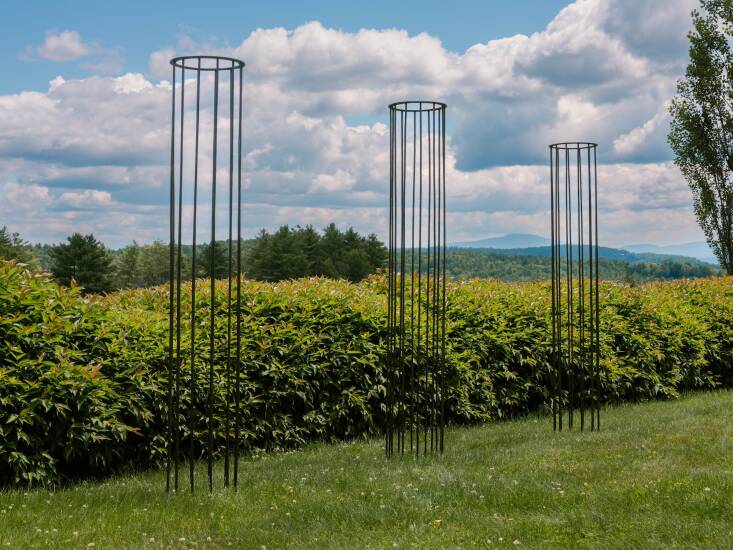
The form for Spring Road’s column trellis, “came out of a visit to Chanticleer,” says Dunbar. “I was struck by how a simple vertical structure could showcase a climbing plant without needing a large arbor or tree. We wanted something airy yet solid, timeless enough to sit quietly in the garden while bringing architecture to a loose, naturalistic planting.”
Above: The form for Spring Road’s column trellis, “came out of a visit to Chanticleer,” says Dunbar. “I was struck by how a simple vertical structure could showcase a climbing plant without needing a large arbor or tree. We wanted something airy yet solid, timeless enough to sit quietly in the garden while bringing architecture to a loose, naturalistic planting.”
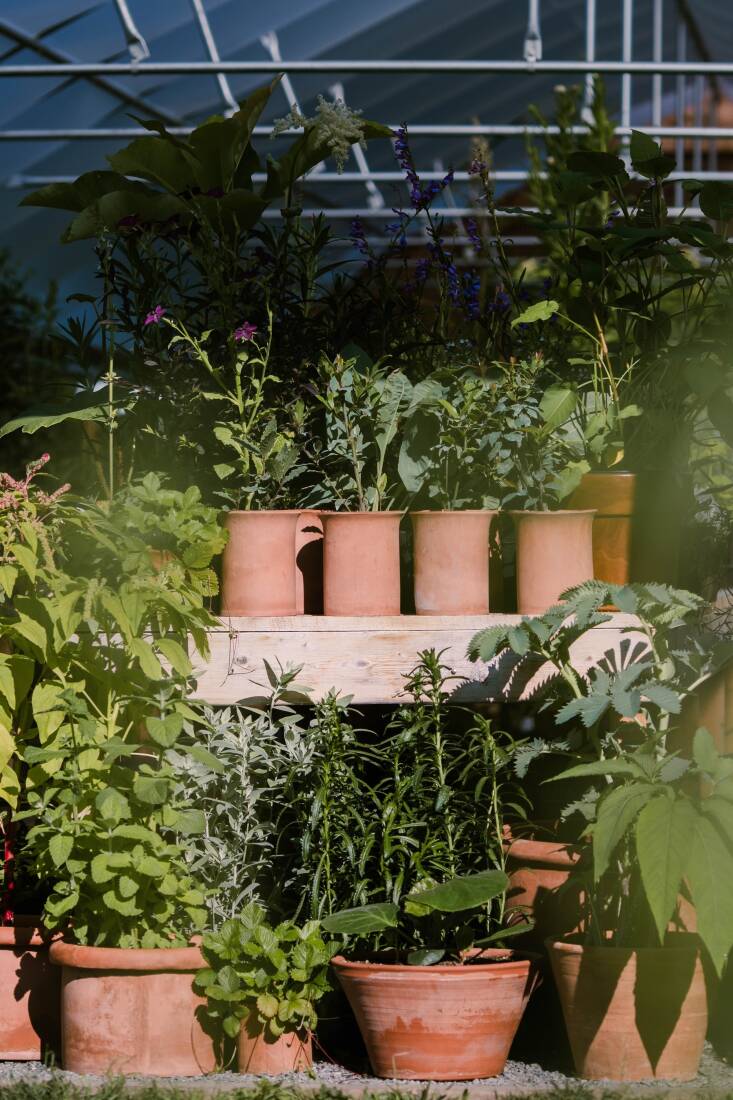
Dunbar, a potter, makes all of the nursery’s pots by hand. The serrated planter (pictured, top) was designed to be just the right size to squeeze into a windowsill.
Above: Dunbar, a potter, makes all of the nursery’s pots by hand. The serrated planter (pictured, top) was designed to be just the right size to squeeze into a windowsill.
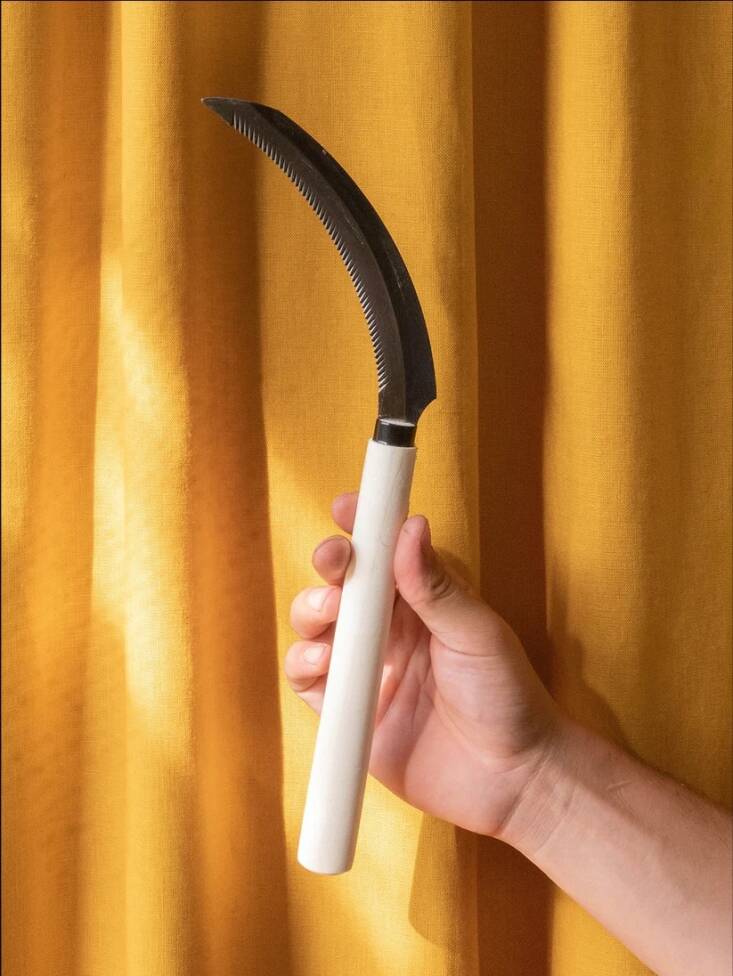
Above left: The product that first caught this writer’s eye? Horticultural grit—a staple of British horticulture that is notoriously difficult to find stateside. Dunbar and Nichols partner with local quarries to make a variety composed of 100% Vermont ggranite. Above right: “We recommend a Japanese serrated sickle constantly. It’s simple, incredibly useful, and one of those tools people wonder how they ever gardened without.”
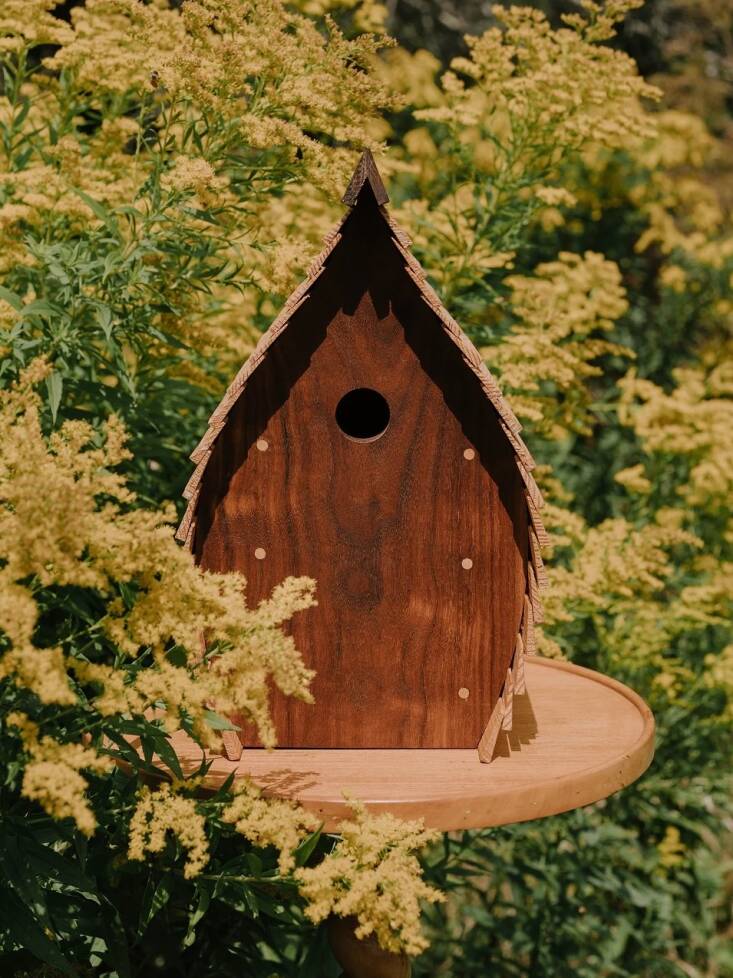
Dunbar and Nichols collaborated with Luthier Clayton Pledger of Pledger Guitars on the Arc Nesting Box, which attracts a variety of birds, including Black-Capped Chickadees, Red Breasted Nuthatches, White-Breasted Nuthatches, Downy Woodpeckers, and House Wrens.
Above: Dunbar and Nichols collaborated with Luthier Clayton Pledger of Pledger Guitars on the Arc Nesting Box, which attracts a variety of birds, including Black-Capped Chickadees, Red Breasted Nuthatches, White-Breasted Nuthatches, Downy Woodpeckers, and House Wrens.
“We want everything we offer, from a sunny perennial to a terracotta pot to a pruning tool, to feel like a natural extension of our world,” say Dunbar and Nichols. Photo by Sarah Priestap-Porter
Above: “We want everything we offer, from a sunny perennial to a terracotta pot to a pruning tool, to feel like a natural extension of our world,” say Dunbar and Nichols. Photo by Sarah Priestap-Porter

See also:

(Visited 33 times, 33 visits today)
You need to login or register to view and manage your bookmarks.

Have a Question or Comment About This Post?

Join the conversation

v5.0