


When I heard that there would be a book published about Madoo, the garden that artist Robert Dash created on eastern Long Island, I was both excited and nervous. I was excited because Madoo is one of the most enchanting American gardens I have visited (and I have visited it often). I was nervous because I wasn’t sure that a book could capture Madoo’s particular magic. But after 30 years as a public garden, Madoo was overdue for a monograph.
I shouldn’t have been worried. Co-written by Madoo’s executive director Alejandro Saralegui and his partner of 35 years, editor Kendell Cronstrom, Madoo: The Making of an American Garden was made by people who know and love this garden best. They partnered with local photographer Tria Giovan, who shot the garden over the course of a full year, capturing it in all seasons.
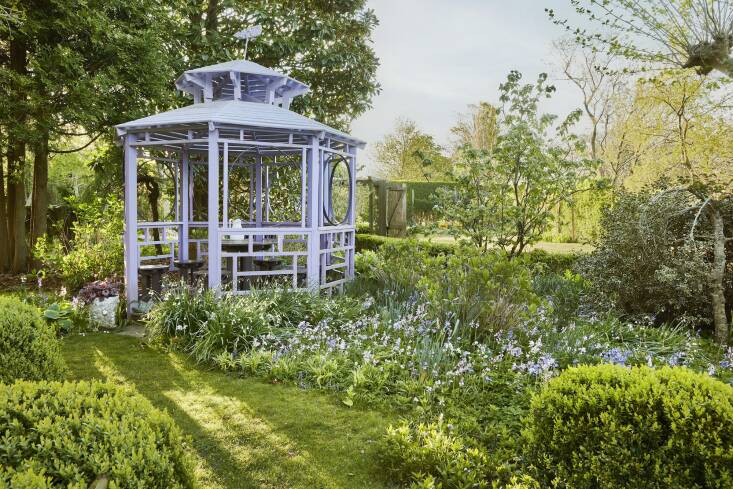
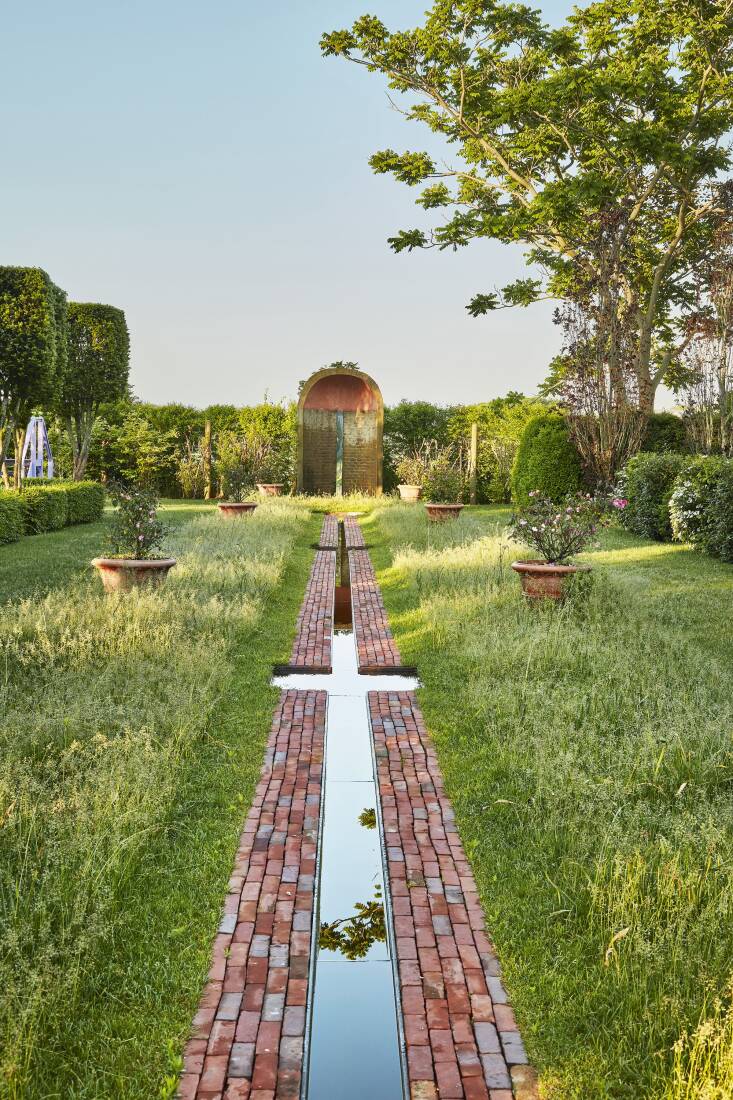
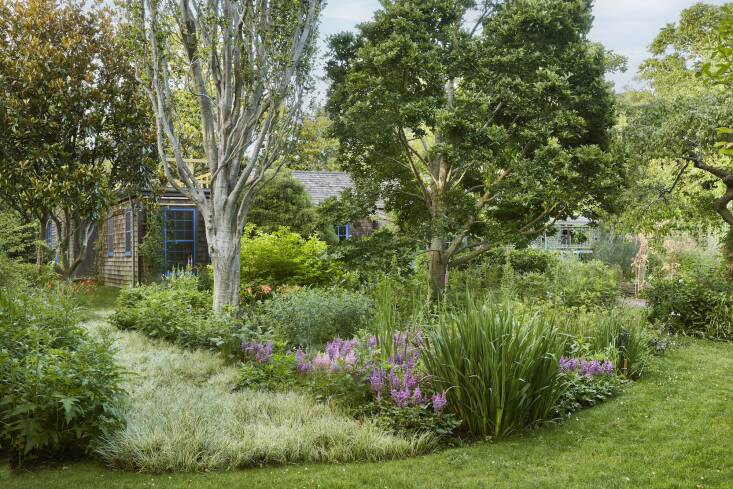
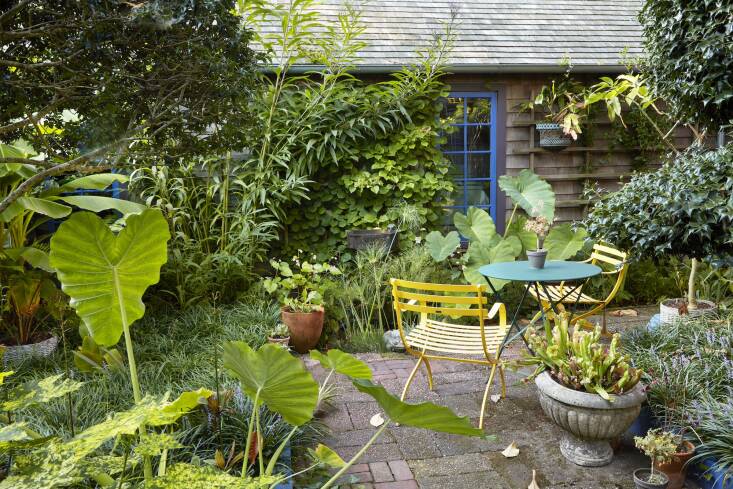
Dash, a painter, poet, and self-taught gardener, purchased the two acres in Sagaponack, New York, in the 1960s with the idea to “create a haven where art and the garden existed in tandem.” It began as a small garden with no trees in the midst of farm fields, but over the decades, Dash, planting one area at a time, created a series of distinct garden rooms punctuated with whimsical structures and licks of brightly-colored paint.
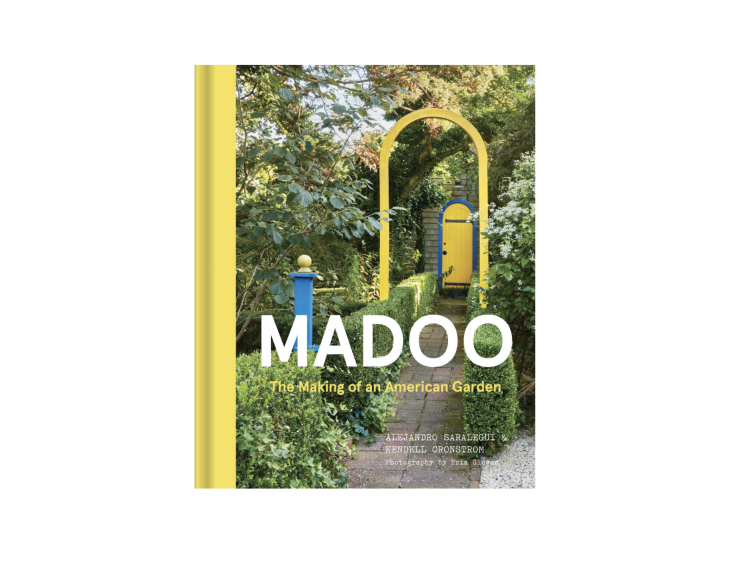
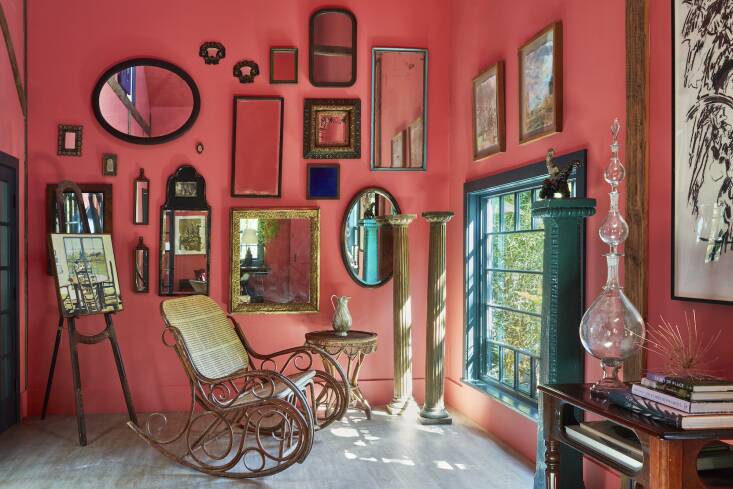
Readers get to observe the garden as it evolved over time through archival photographs. In order to tell Madoo’s full story, the authors have woven in bits of Dash’s own writing about the garden, reproductions of his paintings, photographs of the interiors, and essays from people who witnessed the garden’s evolution. The book is organized with a chapter for each garden within the garden or building. When I spoke to Cronstrom and Saralegui about the book, they emphasized that Dash did not want his garden “preserved in amber.” The book reflects this and reveals the ways in which the garden has evolved since Dash’s death in 2013, including a new visitor center and garden shop.
“Madoo, like any good garden, is always in a state of flux,” says Saralegui. “Madoo progresses in a very organic manner, often letting nature make the decisions.” He cited a recent example of how the garden has evolved since they shot the book. A fastigiate oak died and needed to be cut down for safety. The stump is now a base for a large garden pot and a carpenter made a large arch out of the tree’s branches—exactly the kind of creative spontaneity Dash employed in his day.
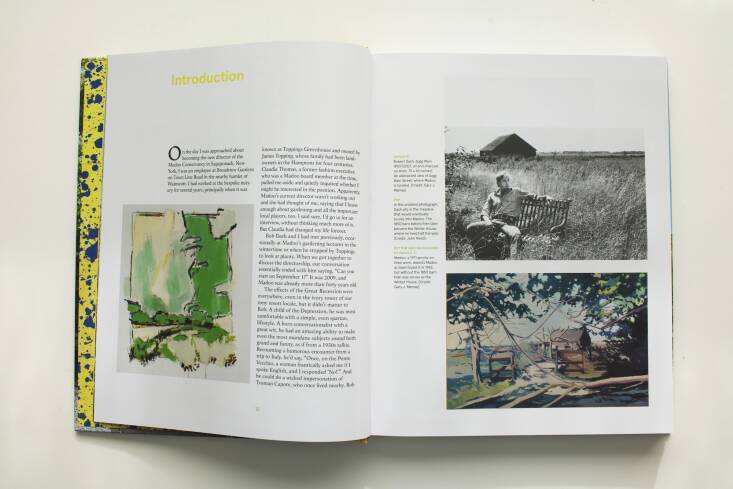
Madoo: The Making of An American Garden is a document of a special place in a particular moment in time, but it’s also an invitation to be a little more playful with our own gardens. I challenge any reader not to feel tempted to paint their window trim a jaunty blue or hang a mirror somewhere outside to trick the eye. There’s a looseness to the plantings that makes Madoo feel especially approachable. Likewise, while clipped hedges and whimsically topiaried trees create structure, they’re not clipped to uptight perfection. Books documenting important gardens are almost always beautiful, but they are rarely relatable to the home gardener. This book is both–thank goodness.
Read on to take a tour of five different garden rooms at Madoo.
Photography by Tria Giovan, unless noted.
See also:
- Artist Visit: Alice Fox’s Allotment Garden Plot 105 in West Yorkshire, England
- ‘Not Really a Garden at All’: Artist John-Paul Philippe’s Lightly Edited Landscape in Connecticut
- Evening Light: A Painter’s Serene Summer Garden in Upstate New York



Have a Question or Comment About This Post?
Join the conversation