

Summer in Historic Green-Wood Cemetery in Brooklyn means that the towering trees in this arboretum are a welcome source of peaceful shade for visitors seeking green relief from the city’s heat. But for plant people, gardeners, and photographers, there is also the significant lure of inspiring perennial pocket plantings within the parklike grounds. One of the most arresting floral showcases flanks Green-Wood’s quiet Fort Hamilton Parkway entrance. Here, against the backdrop of the brownstone-clad High Victorian Gothic-style gatekeeper’s residence, bright borders are a study in full-sun succession plant pairings. With a cleverly planned palette of perennials (and some shrubs), this living tapestry is so effective and seems so complete—as June ticks over into July—that it is hard to picture its spring and fall iterations.
Skewing towards North American natives, here are 11 plant pairings for the weeks before and after summer solstice.
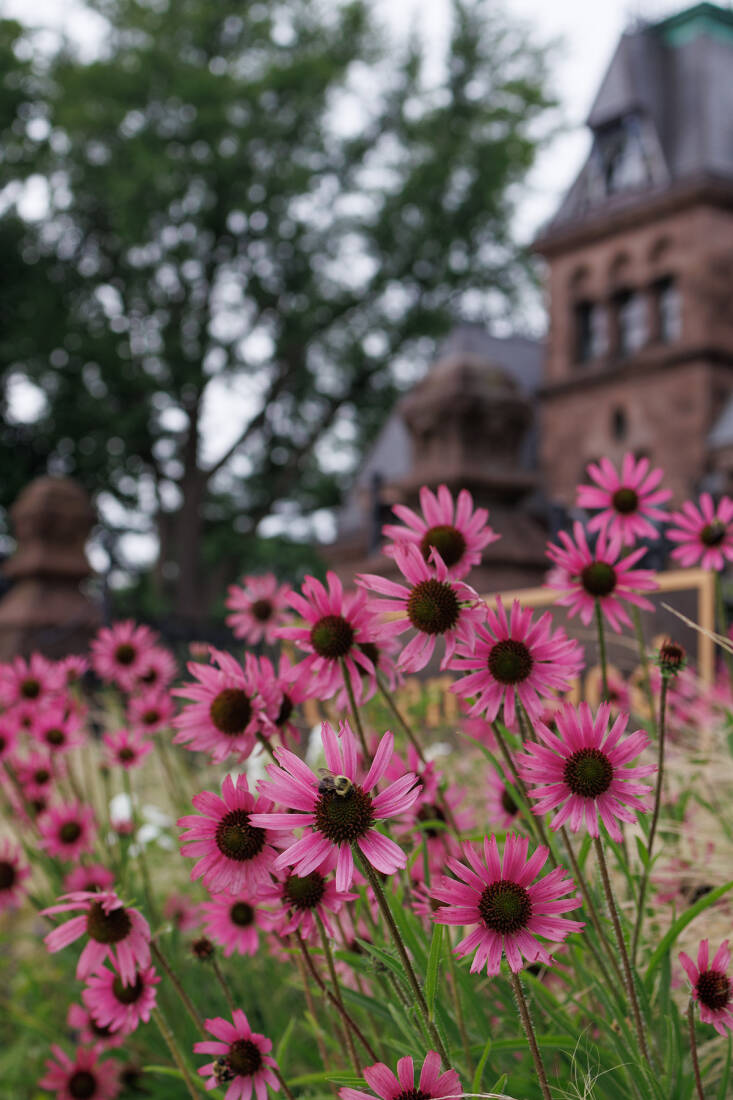
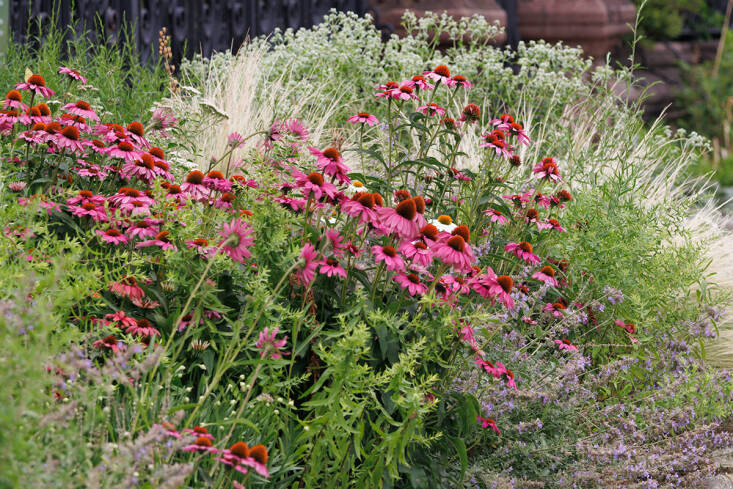
Originally designed by Art Presson, former Vice President of Special Projects at Green-Wood, they have been refreshed over the last four years by Sara Evans, the Director of Living Collections and Curator. As Baptisia flowers form seedpods and Salvias’ spires fade, her Echinacea fireworks display erupts, so engaging that you look past the the spent blooms that they eclipse. And while the borders are sumptuous in wide angle, close observation reveals a deceptively simple but highly effective series of plant pairings.
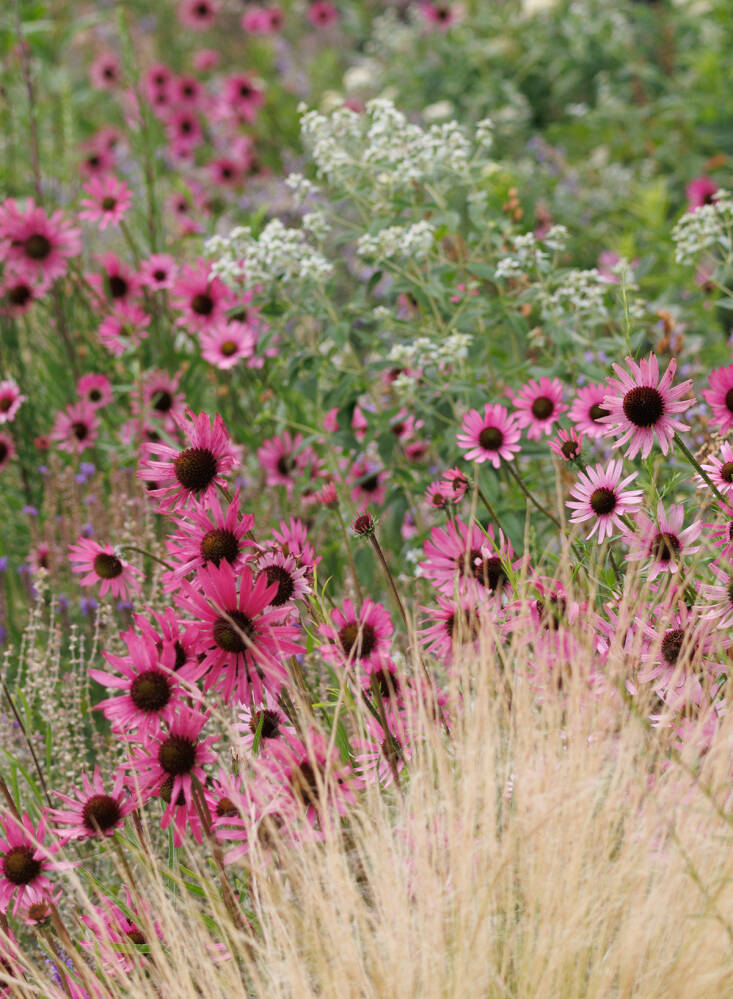
1. Echinacea and hairy mountain mint
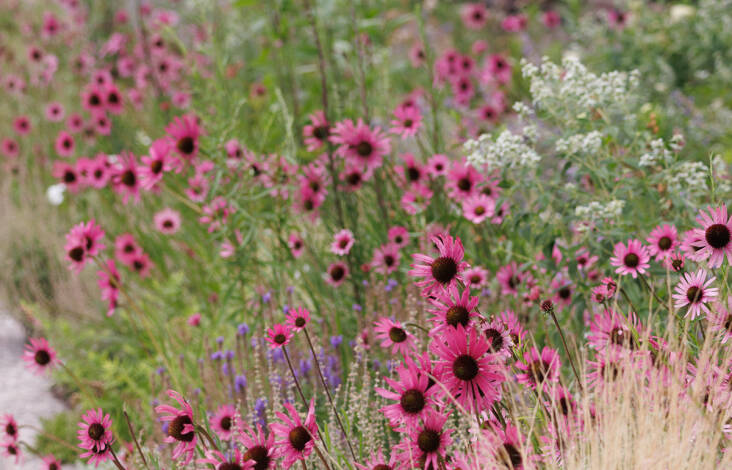
Several species of North American native Pycnanthemum, or mountain mint, are available in the nursery trade. Their leaves are fragrant and their flowers support a host of native pollinators. Hairy (or whorled) mountain mint grows to about two feet in height and its tiny flowers are packed with nectar.
2. Mexican feathergrass and echinacea
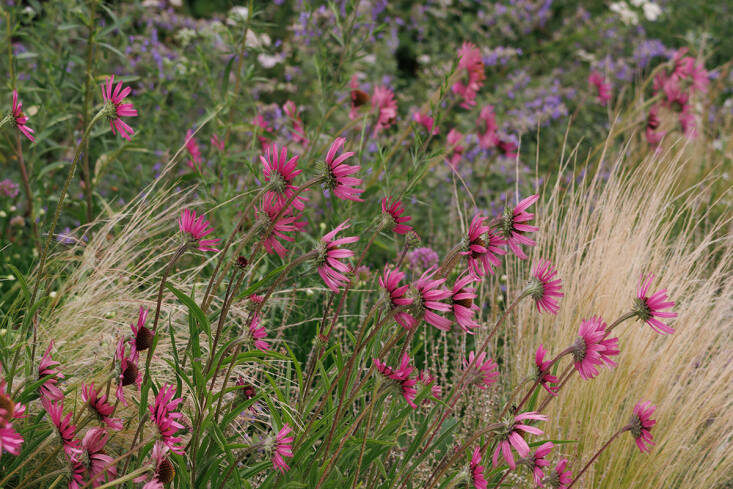
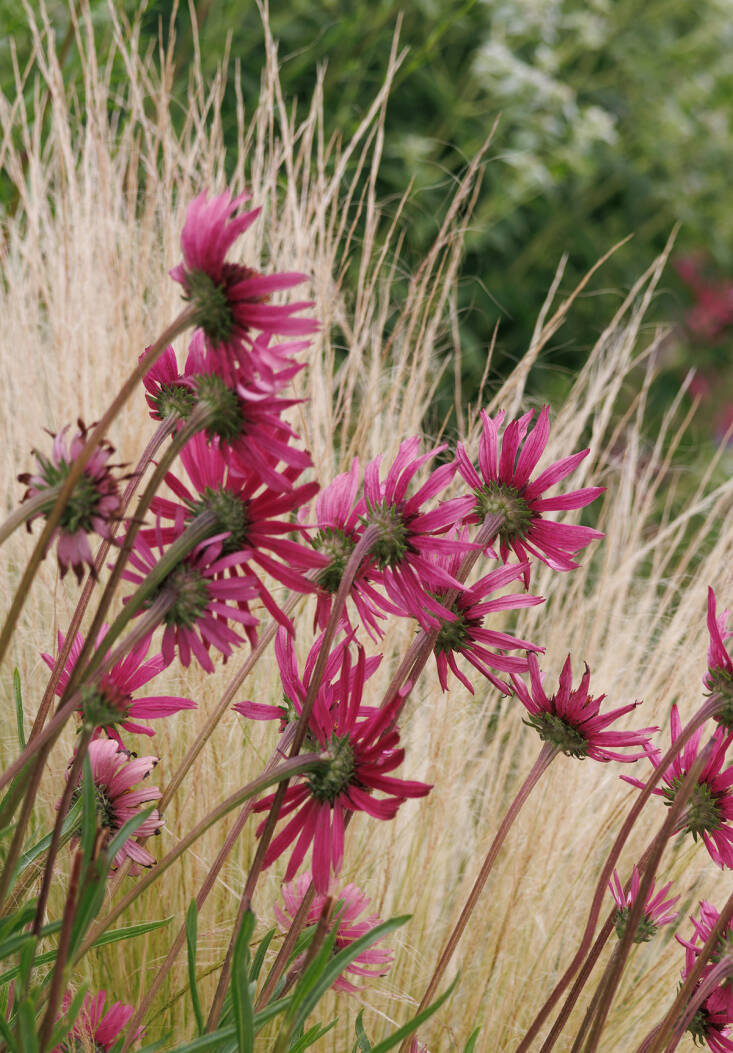
3. Slender mountain mint and Mexican feathergrass
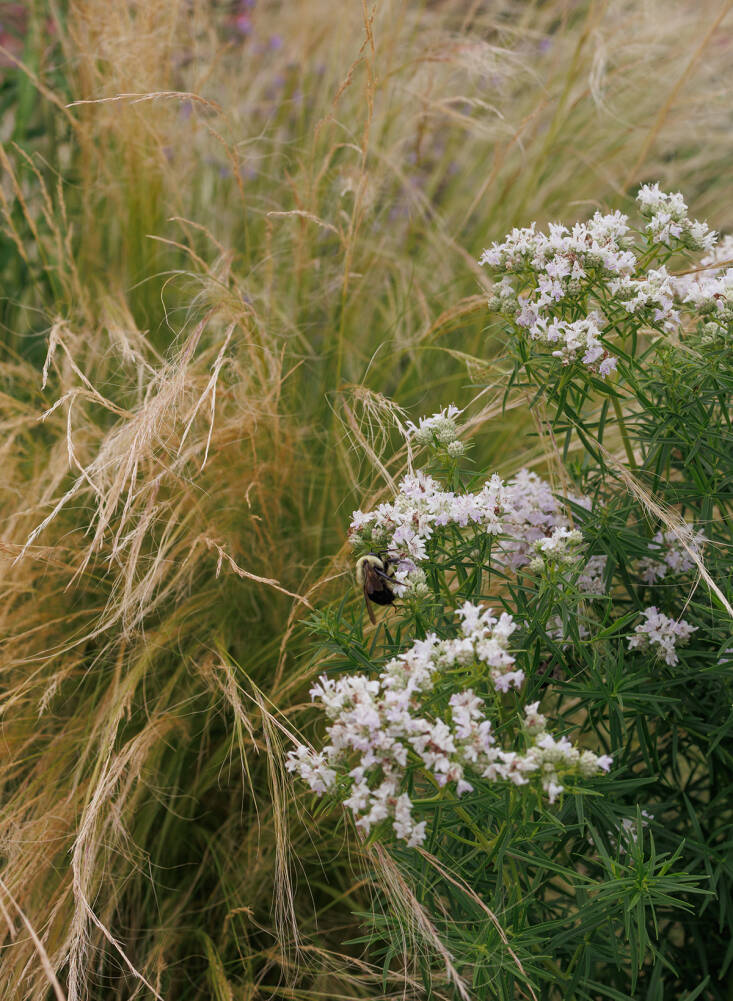
Rinse and repeat: The fine blond tresses of the Mexican feathergrass (also known commonly as finestem needlegrass) are a pale and soft foil for the green, needled leaves of slender mountain mint, which is a bee magnet.
4. Hairy mountain mint and catmint
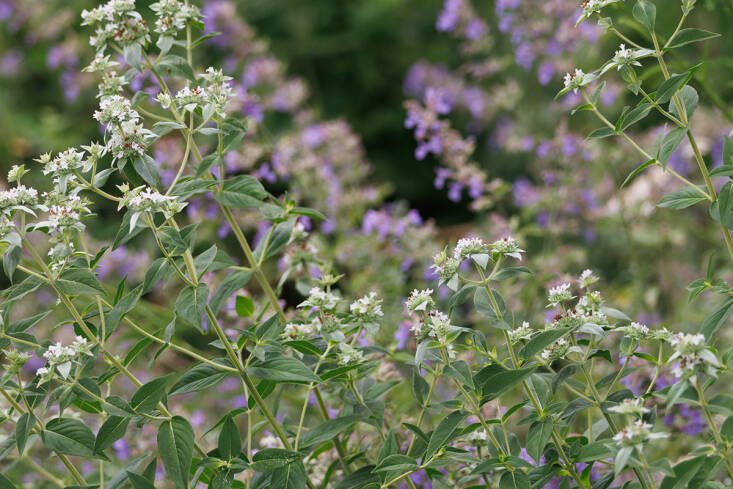
Catmint’s blossoms are at their best from mid spring to early summer. By the time the plant’s hardworking stems have grown leggy the flowers are beginning to fade. At this point mountain mints are reaching peak; their wiry stems can offer some support for the catmint when it threatens to flop (cut it back for a modest second bloom).
5. Slender mountain mint and…hairy mountain mint
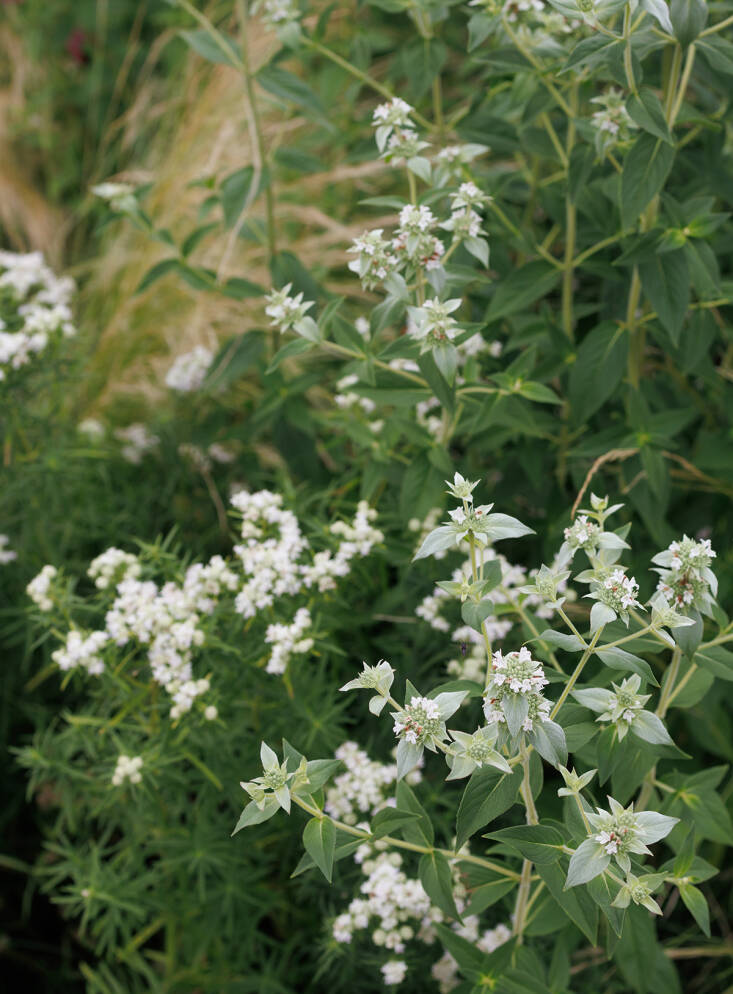
The broader, slivery-topped leaves of hairy mountain mint are brought into focus by the tiny green daggers of slender mountain mint beyond.
6. Yarrow and echinacea
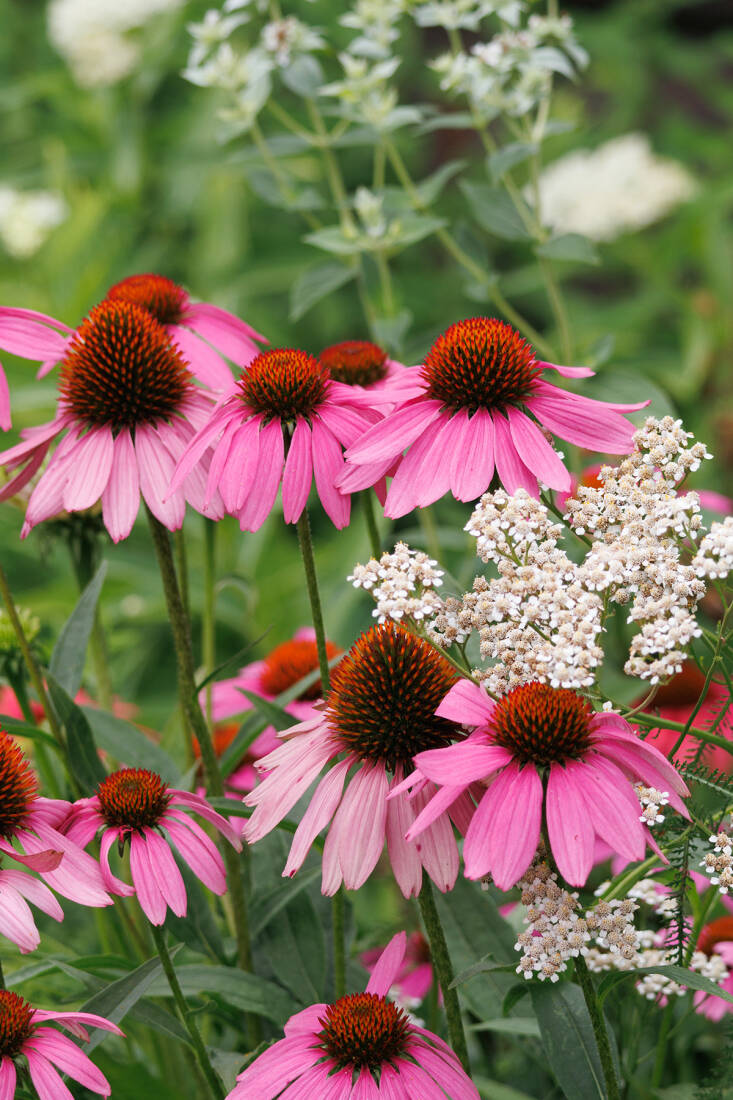
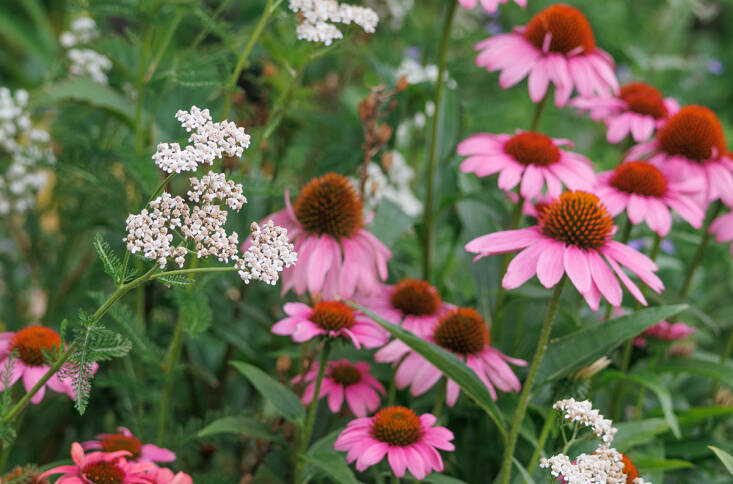
Achillea millefolium, or yarrow, is native to North America (and Europe and parts of Asia). The tough perennial is hardy from USDA zones 3 to 9.
7. White swamp milkweed and echinacea
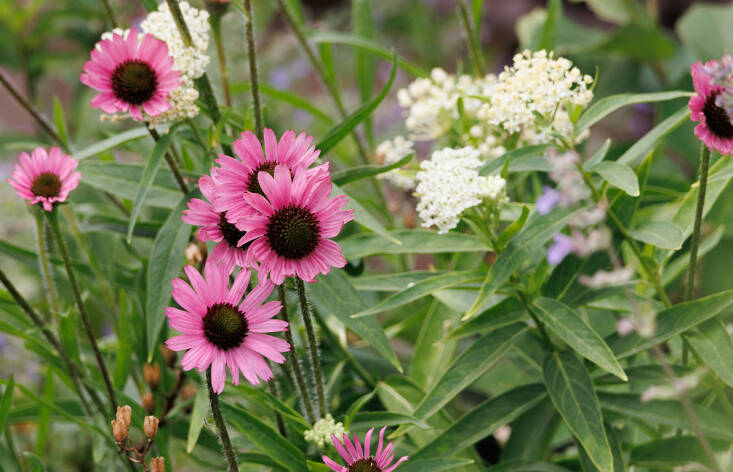
Swamp milkweed (Asclepias incarnata) has a more predictable growth habit than its common milkweed (A. syriaca) cousin, making it easier to incorporate into a planting scheme where other perennials need to thrive. ‘Ice Ballet’ is a white cultivar whose frosty blooms are a pretty counterpoint to the dark heart of echinacea. Curiously, despite its damp name, swamp milkweed is tolerant of dry conditions, once established.
8. Phlox and hairy mountain mint
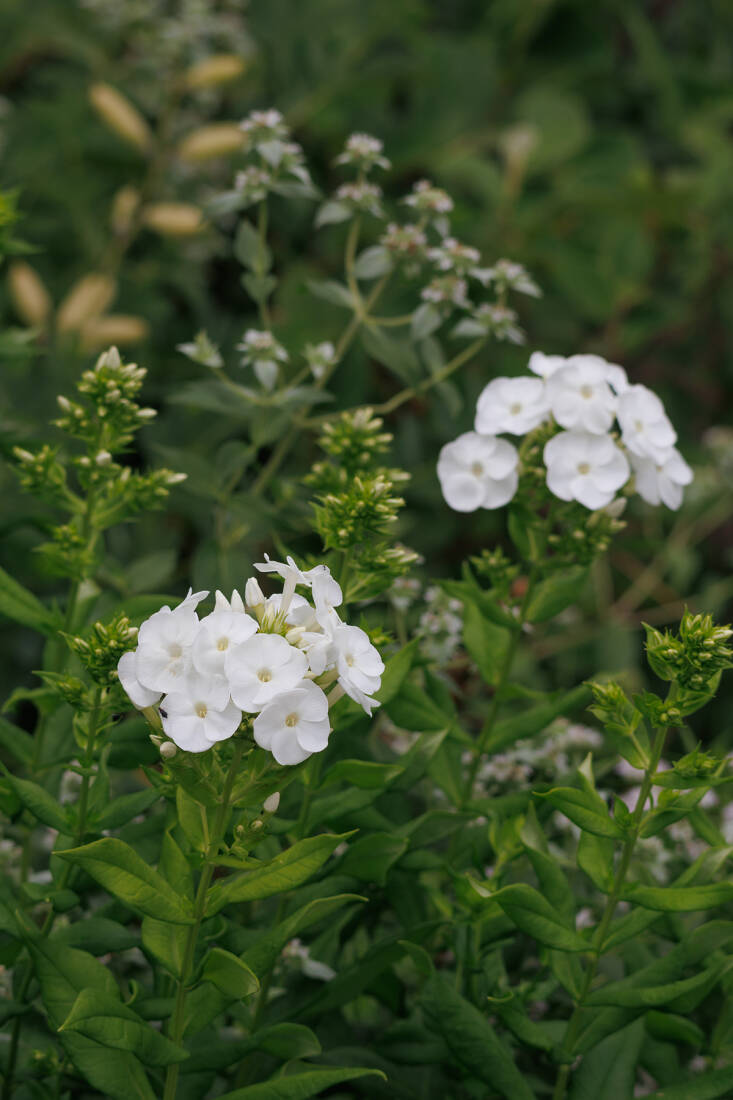
Tall native North American phlox bloom from mid to late summer, and excel in full sun. Interspersing their luscious clumps—plump white flowers and copious green foliage—with the tiny whorled clusters of mountain mint’s blooms on its wiry stems, highlights the best qualities of each perennial and also increases air flow to ward off that dread phlox mildew.
9. Catmint and swamp milkweed
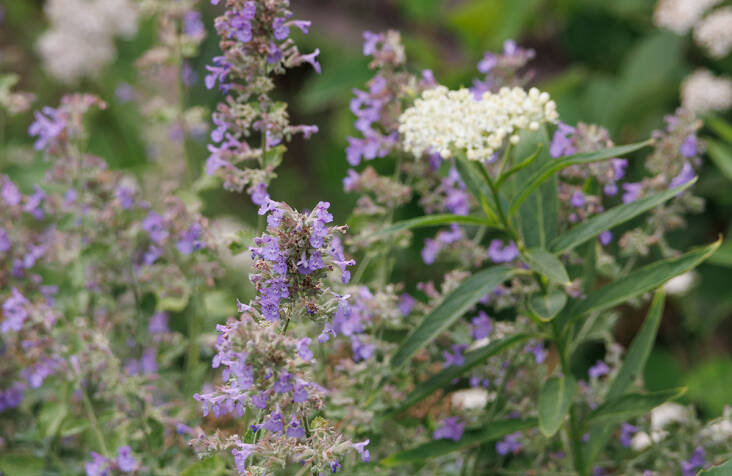
Swamp milkweed begins to bloom as catmint is ending its season. The sprawling stalks and gray leaves of catmint mingle between the upright, green-leafed stems of the milkweed.
10. Yarrow and catmint
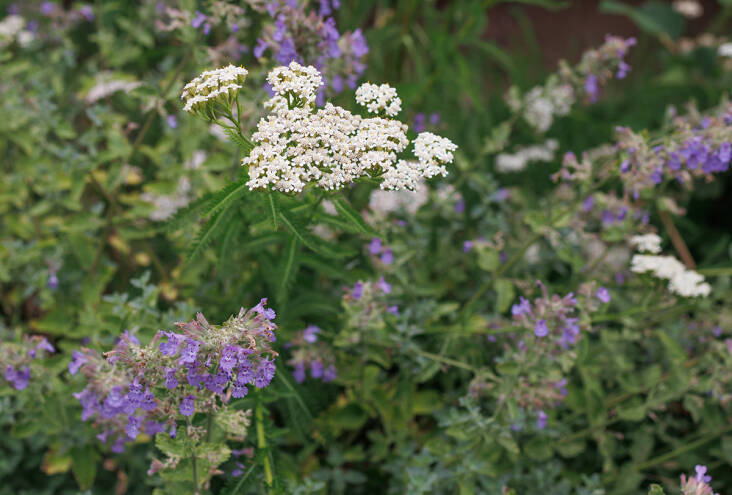
11. Allium ‘Millenium’ and catmint
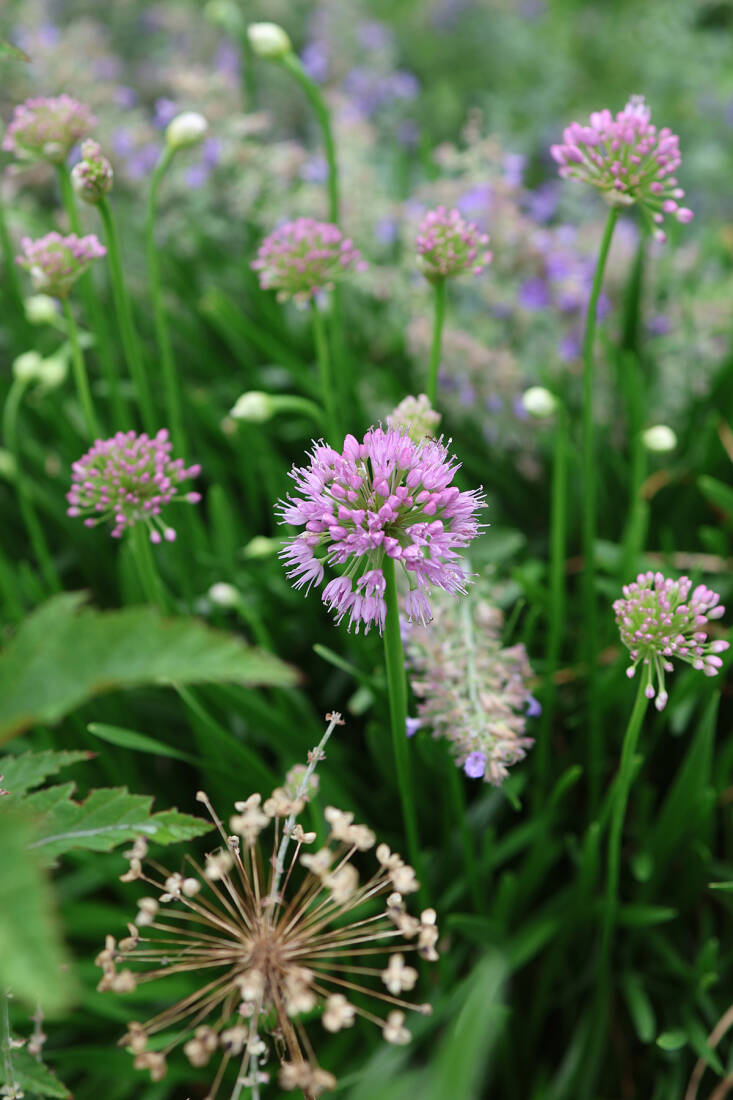
Hybrids of Allium senescens, like the famous ‘Millenium’ (a cross between A. nutans and A. senescens) bloom late, months after tall, fat globe alliums have set seed, and just in time for the stickily humid days of summer break. Above strappy green leaves their lilac-pink flowers pop open as catmint’s blues fades.
See also:
Power Couples: Kier Holmes Shares Her Favorite Plant Pairings
Ask the Experts; Favorite Native Plant Combinations



Have a Question or Comment About This Post?
Join the conversation