


Designing a garden can often feel like a puzzle as you build the layers of plants and try to time the parade of blooms. Reading Stephen Orr’s recent book The Gardener’s Mindset got us thinking about a piece of that puzzle that can be especially rewarding to incorporate: tall plants that tower over others.
Unlike plants that grow closer to the ground, tall specimens meet you at eye level. “With their human scale, you can almost feel the life force of the plant as you walk through a group of them, as if they were a crowd of people,” says Orr, who has a special fondness for ones with spire-shaped blossoms. “Tall plants that grow as spires offer an indispensable design element, functioning as exclamation points,” he writes in his book.
Landscape architect Michal Kapitulnik, a principal at San Francisco’s Surfacedesign, Inc. appreciates lofty plants for what they bring as a design element. “Dramatic flowering spires create a striking vertical presence, commanding attention with a relatively small footprint while lending rhythm, texture, and layered interest throughout the landscape,” she says.
Gardeners should know that many of these statuesque plants need staking of some sort. Another consideration for spire plants is their base. “Some of them have attractive mounds of leaves at the base, but others, like the alliums, have unsightly yellowing leaves that take away from the beautiful flowers above,” notes Orr. He suggests planting low, mounding perennials, such as hardy geraniums or salvias, in front of the spire plants “to hide anything you don’t want to see so as not to distract from the glories above.”
Below, Orr, Kapitulnik, and five other garden pros share their favorite tall plants and how they use them:
Culver’s root (Veronicastrum virginicum)
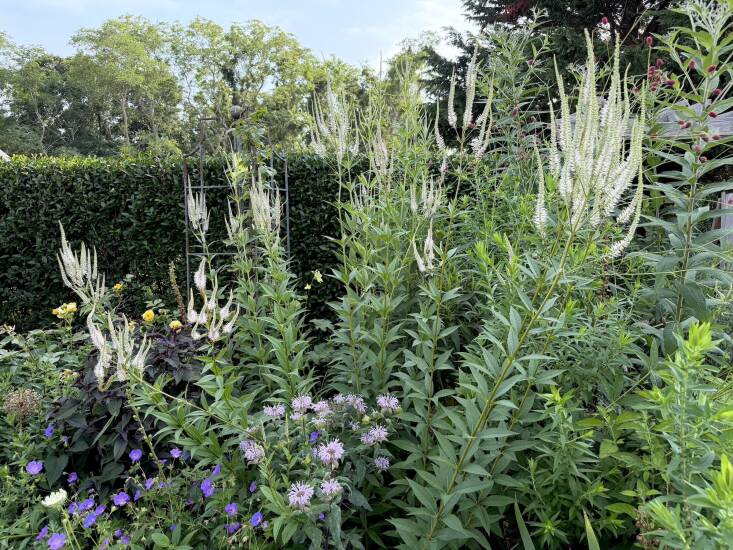
Known for lighting up semi-shade plantings, Culver’s root is one of Orr’s favorite spire plants, but he notes they also do well in full sun. “Pollinators love the midsummer flowers, which will droop slightly when the plant needs water,” says Orr.
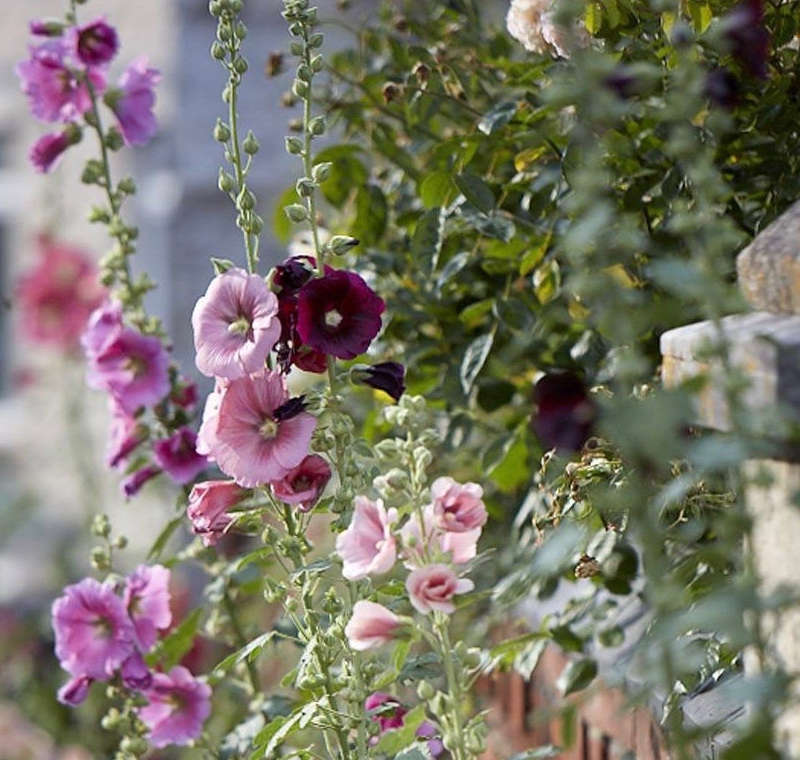
Hollyhocks (Alcea rosea)
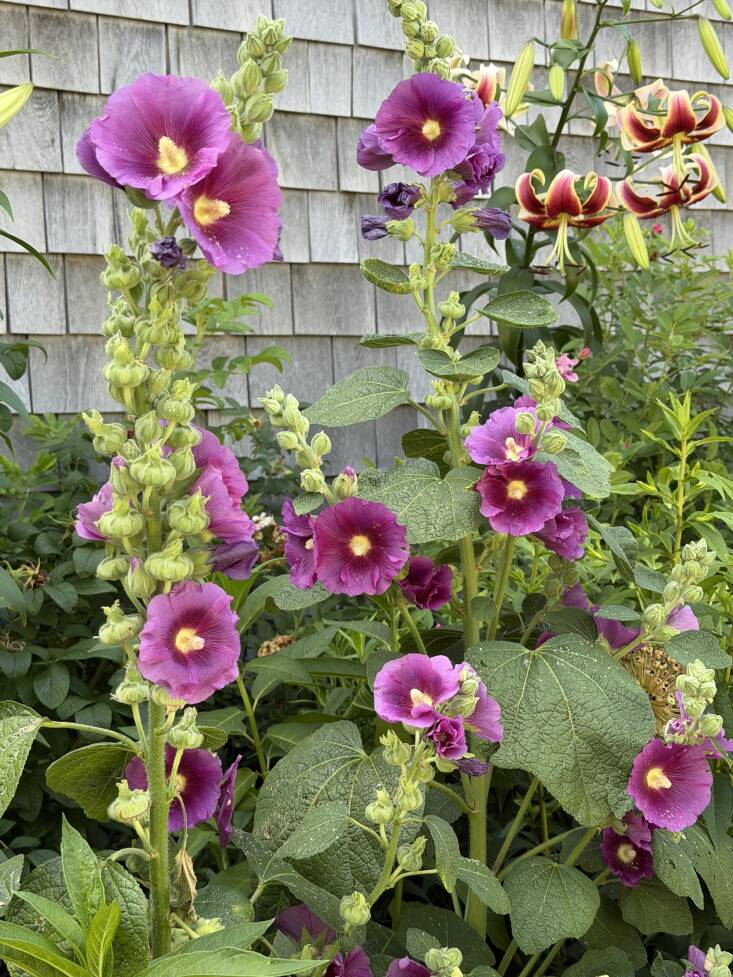
“Hollyhocks add an old-fashioned aristocratic presence to the garden,” says Orr. “Bees also love them, which is why I only grow the single varieties, which are easier for pollinators to access.” One thing to note: Hollyhock leaves are infamous for getting a fungus called hollyhock rust. Orr finds that with good air circulation fungus is not an issue, but it might be wise to plant lower growing plants around them to hide any unsightly foliage.
Mullein (Verbascum)
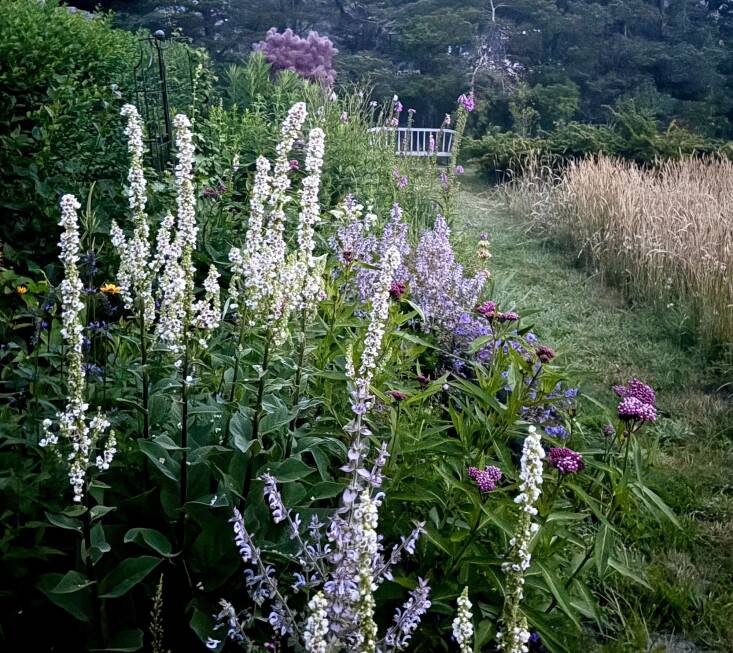
“I never met a member of the verbascum (aka mullein) clan that I didn’t love,” says Orr, who even likes the common mullein (Verbascum thapsis) that grows as a weed along roadsides. He says, “A new favorite this year is the elegant hybrid ‘Wedding Candles’ (pictured), but I am also obsessed with the muted pastel colors of ‘Southern Charm’.”
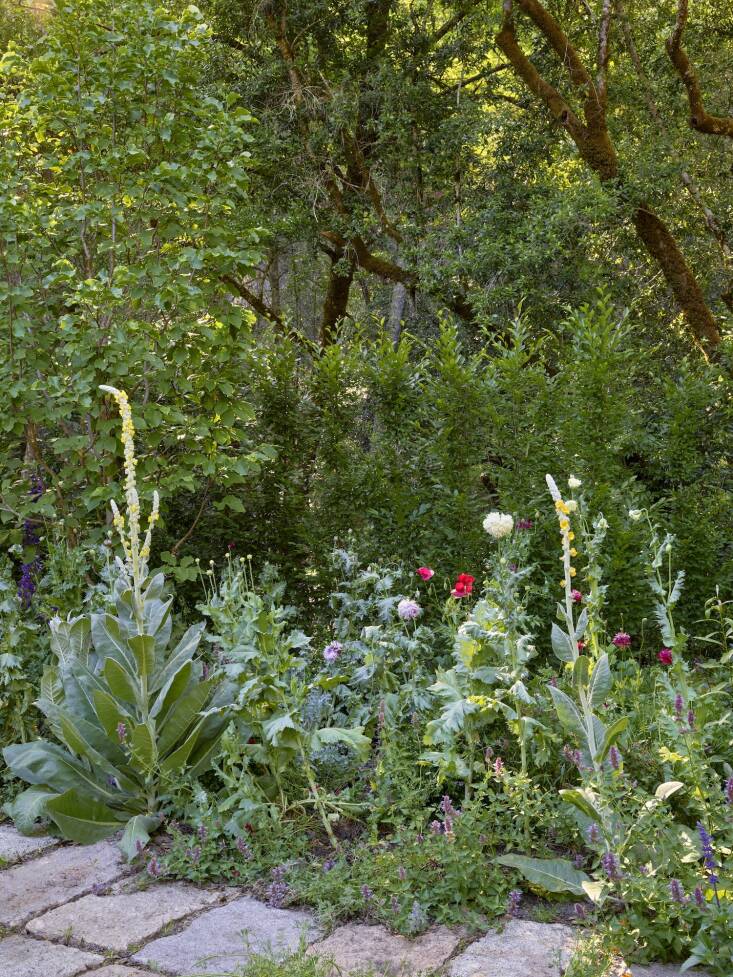
Kapitulnik seconds this pick: “Verbascum has a personality that extends beyond its height. There’s something unexpected and almost wild about it.” She notes verbascum is remarkably resilient, thriving in drought-prone conditions and adapting well to changing soil conditions.
Giant coneflower (Rudbeckia maxima)
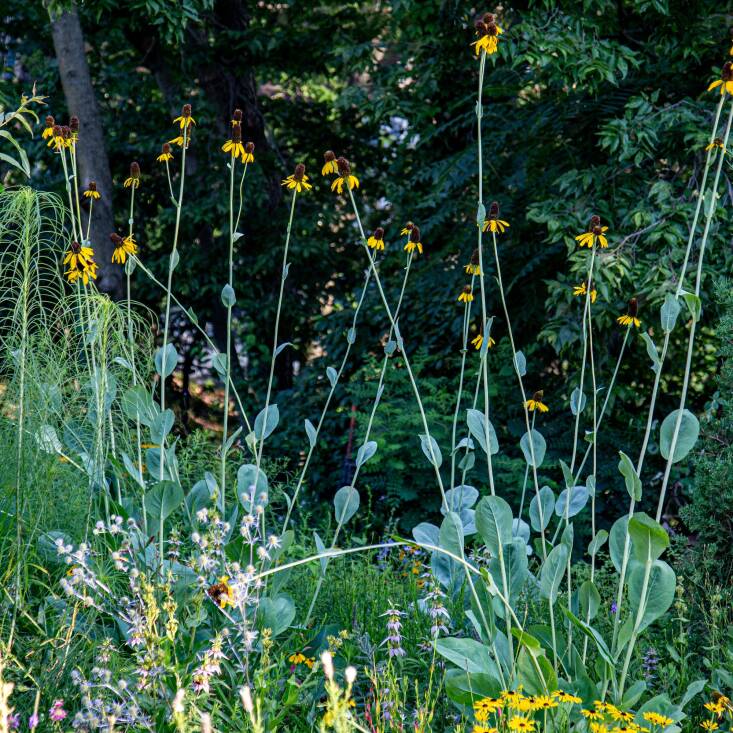
Horticulturalist, author, and garden designer Kelly Norris, who is based in Des Moines, Iowa, suggests Rudbeckia maxima. “The leaves in shape and texture are reminiscent of hostas stuck onto stems of similar color,” says Norris, adding, “The bluer-toned individuals really stand out with summer yellows, and goldfinches find the flowers even before the seeds ripen. Even non-gardeners notice this plant; it’s just so striking.”
Texas coneflower (Rudbeckia texana)
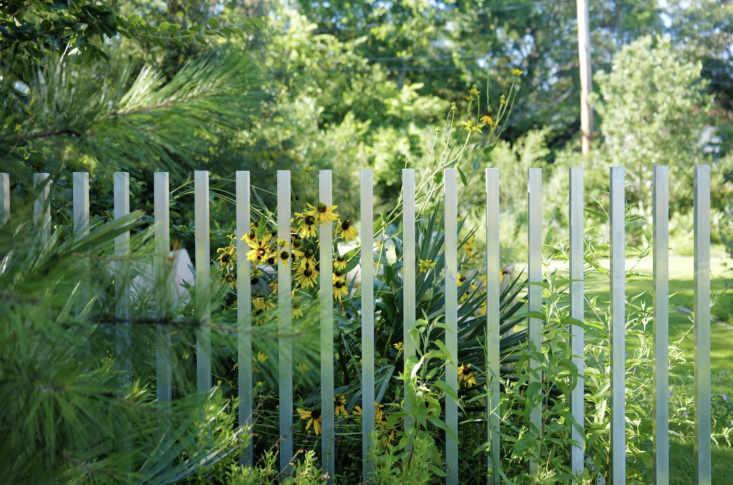
Landscape architect Isaac Stein, the co-founder of Houston-based firm Dept., loves another coneflower: The Rudbeckia texana, a hyperlocal species of coneflower found near Houston and in Gulf Coast prairies. “Its seeds don’t have a great shelf-life, and don’t keep well—leading to a necessitated hyper-locality,” says Stein. But for Texans, this plant is worth seeking out for its generous yellow flowers and height of about four to six feet. “They love a swampy, clay soil but are also incredibly resilient and can withstand drought,” says Stein.
Rattlesnake master (Eryngium yuccifolium)
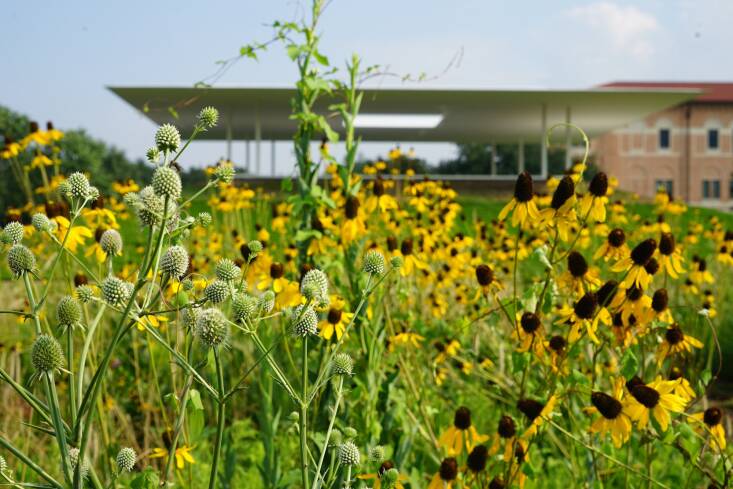
“We love Rattlesnake master for its beautiful silver-blue leaf, white globe flower, and seed head,” says Maggie Tsang, another co-founder of Dept. “They have a really subtle but stunning color, and can grow to be up to six feet.” Tsang notes that in the winter, the seed heads and stalks turn a dark brown, creating seasonal interest. “Endemic to grasslands, they’re spiky, fun, and really stand out amongst the rest of the landscape,” she says.
Boneset (Eupatorium perfoliatum)
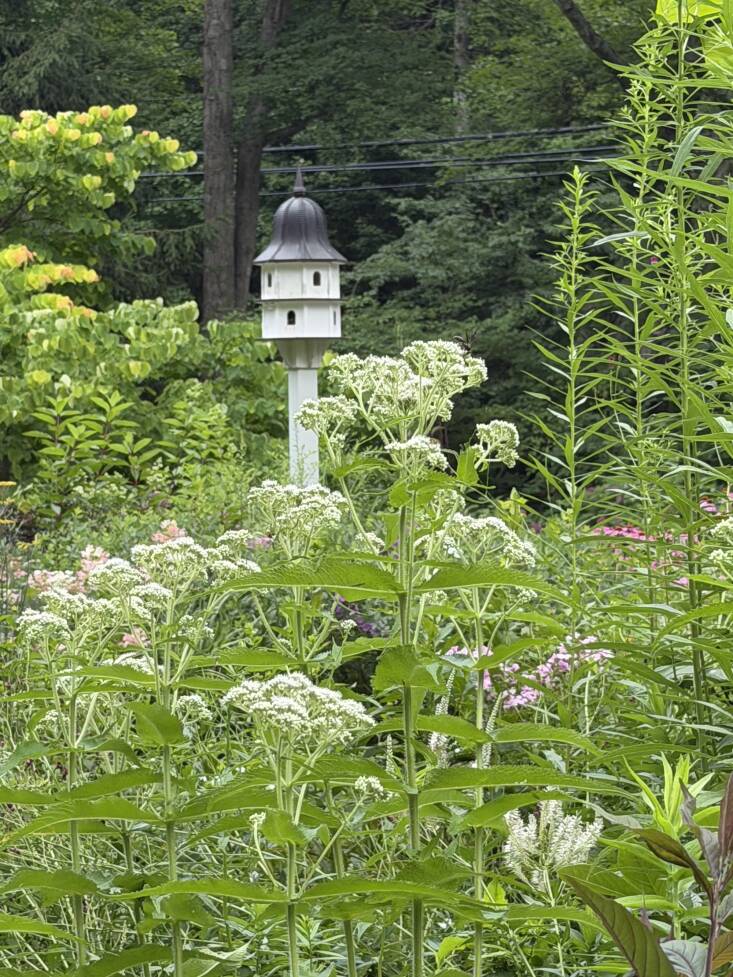
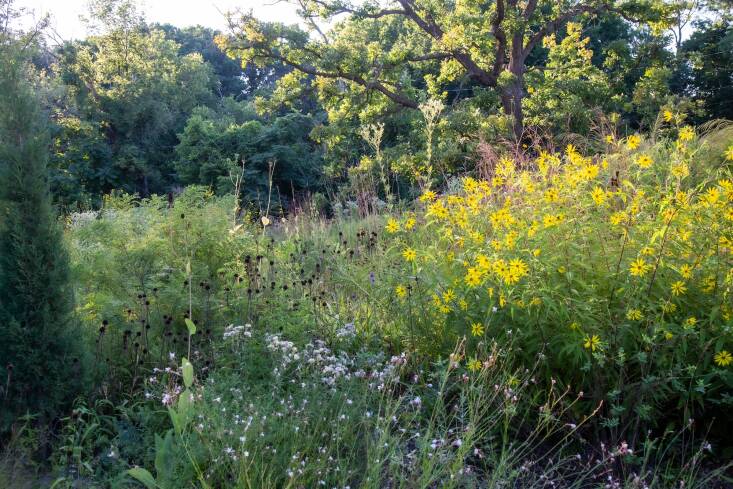
“Boneset brings a soft white haze to the late-summer garden and is always covered in pollinators,” says Connecticut-based florist and garden designer Christina Koether of Nomadica. “I like its slightly boho yet architectural look and the way it cools down stronger colors around it.” Koether plants it in medium to moist, sunny areas and lets it mingle with Solidago gigantea and Rudbeckia triloba, noting that the three together are a favorite meadow combination.
Perennial ‘O Sole Mio’ sunflower (Helianthus ‘O Sole Mio’)
Norris describes Helianthus ‘O Sole Mio as “a wonderful sunflower hybrid that forms handsome, six- to seven-feet-tall towers of pale-yellow flowers in August and September.” He notes that this sunflower is a good structural plant up against the house and a scaffold for other plants in an otherwise deep border.
New York Ironweed (Veronia noveboracensis)
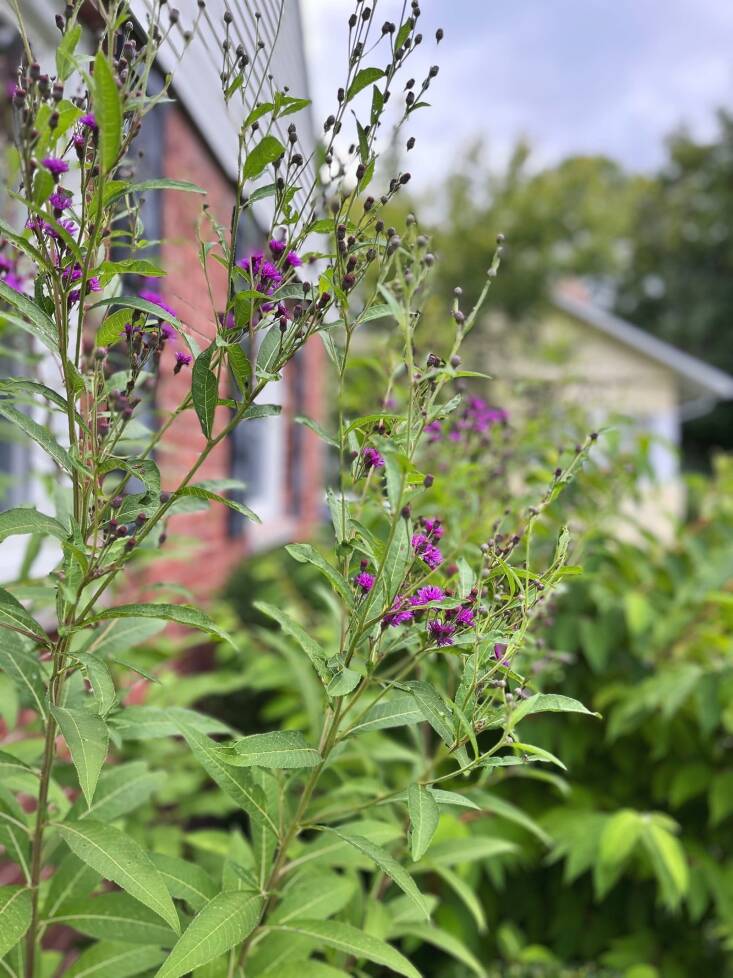
“When I moved to the Hudson Valley and made my first visit to Catskill Native Nursery, I saw huge stands of a wildflower, growing nearly nine feet tall, and went straight to the register to ask about it,'” says Karen Templer, the writer behind the garden blog Future Tiny Forest. “I have it everywhere, but I first planted it outside our front windows behind the boxwoods that came with the house, as a screen and so we could enjoy it from inside. The first year it reached above the windowsill. Last year, it was probably six feet tall, mid-window. This year it fills the windows and is threatening to bloom above them.” Norris also has a fondness for Veronia, including V. gigantea ‘Jonesboro Giant.’
Tatarian aster (Aster tataricus)
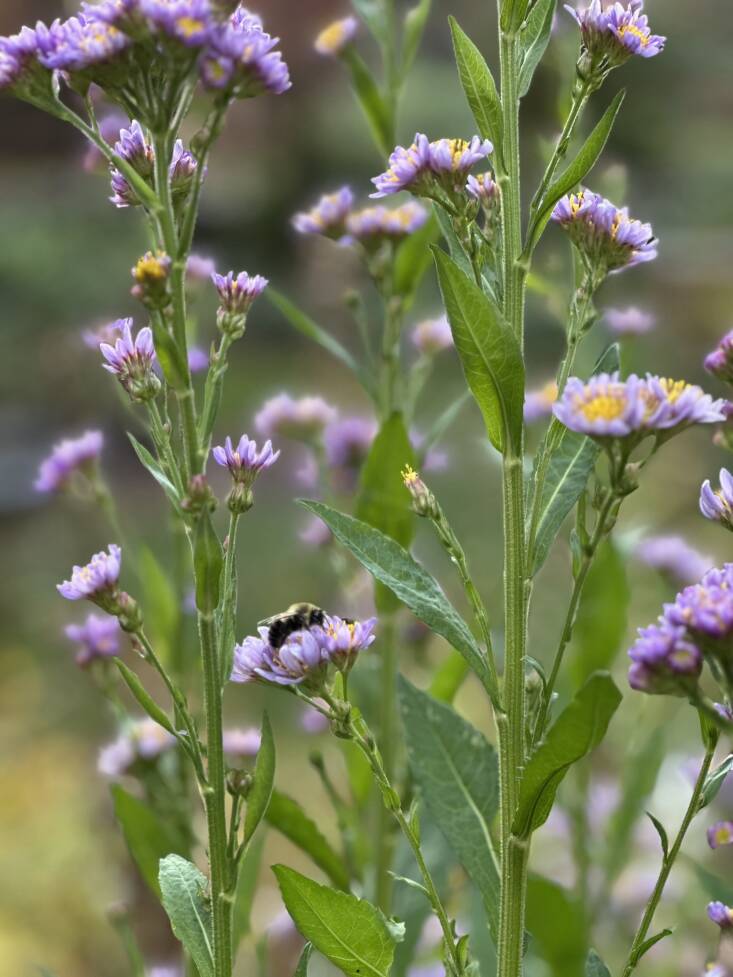
“Aster tataricus towers over the late-autumn garden with masses of purple flowers when almost everything else is finished,” says Koether. “The leaves turn yellow as the flowers fade for one iconic moment of final contrast.” Koether plants Aster tataricus in large clusters from the middle to the back of perennial beds, in full sun and average, well-drained soil.
Globe artichoke (Cynara scolymus)
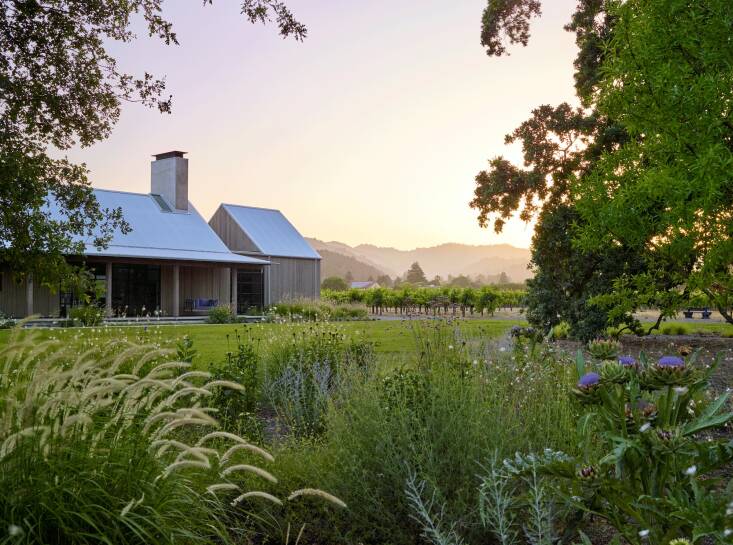
“Our firm definitely has a thing for globe artichokes,” says Kapitulnik. “We love how tall and dramatic the artichokes are after they flower; they add a compelling architectural dimension that feels surprising and adds texture to planting areas.” Kapitulnik notes that they thrive in specific, mild climates, like California.
‘Gateway’ Joe-pye weed (Eupatorium purpureum ssp. maculatum ‘Gateway’)
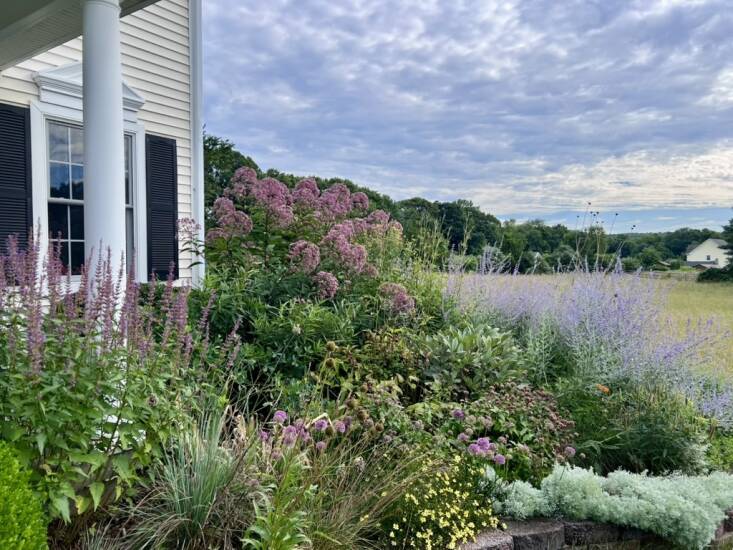
Kat Aul Cervoni, the founder of the New York landscape design firm Staghorn NYC, chose the ‘Gateway’ variety of Joe-Pye weed for its deeper purple pink color and dark stems, which she says “give it a punchier presence in the back of a border.” Cervoni notes that it holds its shape and dried seed heads well long after its peak bloom in mid-to-late summer. She gives it bonus points for not needing any form of support to stay upright.
White Japanese burnet (Sanguisorba tenuifolia var. Alba)
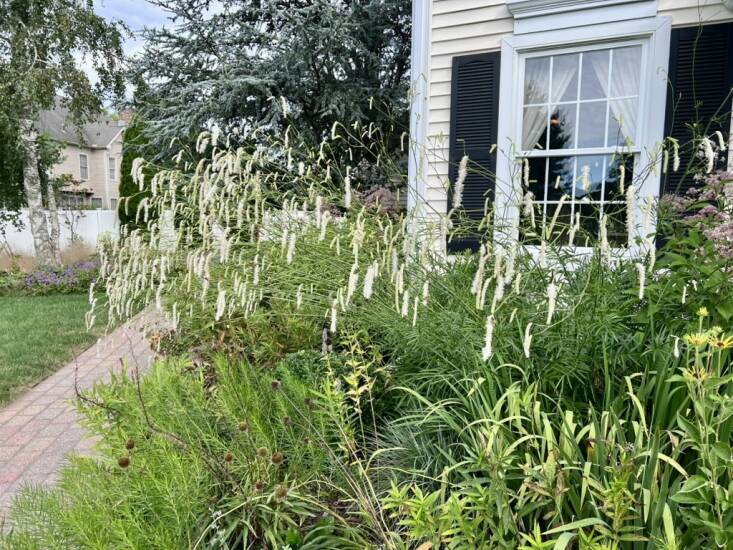
“I’m such a fan of wiry, tassel-y perennials like this ‘Alba’ sanguisorba variety,” says Cervoni, who notes that White Japanese Burnet can reach seven- to eight-feet-high. “Its ferny foliage shows up in early spring and creeps up before shooting upward with the flower buds in early July. The flowers usually open the first week of August and are quickly coated with honey bees,” she says. Cervoni notes that this plant flops after the first rain, but can be propped with bamboo supports.
See also:
- 15 Favorites: Native White Flowers for a Garden that Glows
- A Love Letter to Sanguisorbas
- Tousled: 11 Native Perennials for a Late Summer Tangle of Flowers



Have a Question or Comment About This Post?
Join the conversation