


I have exactly two confessions to make. The first is that I’m a lazy gardener. Not year-round, that is, but I can’t pretend that the zeal I bring to spring tasks doesn’t fade by early August, diminished by sun and heat and a desire to be down at the river instead of out in the yard.
The second is that because of this, and somewhat embarrassingly, my garden relies heavily on that late-season stalwart formerly known as Perovskia, now called Salvia yangii. I say embarrassingly because although I still think the plants are beautiful, I don’t think it’s fair for me to bemoan the pervasiveness of hemerocallis in municipal landscapes while ignoring the fact that you’re just as likely to find Russian sage in the medians of most Dollar Store parking lots in late summer.
I’m also reluctant to include rudbeckia, (most) asters, perennial mums, et al, in my planting plan since they, too, feel like low-hanging fruit when it comes to extending the season. So for the past few years, and in an effort to lead by example, I’ve begun to explore several other low-maintenance options that extend the growing season and are unlikely to be found in your local strip mall. Here is a list of some of them, many of which I’ve grown and some of which I’d like to.
Stokesia laevis
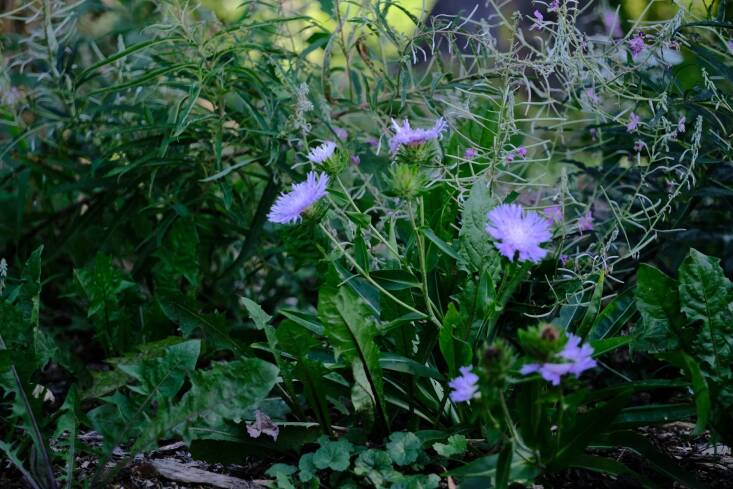
Technically a member of the aster family, this US native is endemic to the Southeastern US. While it’s foliage and form isn’t anything to write home about, it makes up for it by throwing up tall, wiry stems topped with flowers that feel more akin to a cardoon or liatris than any member of the aster family. (USDA Zones 5-9)
Althaea cannabina
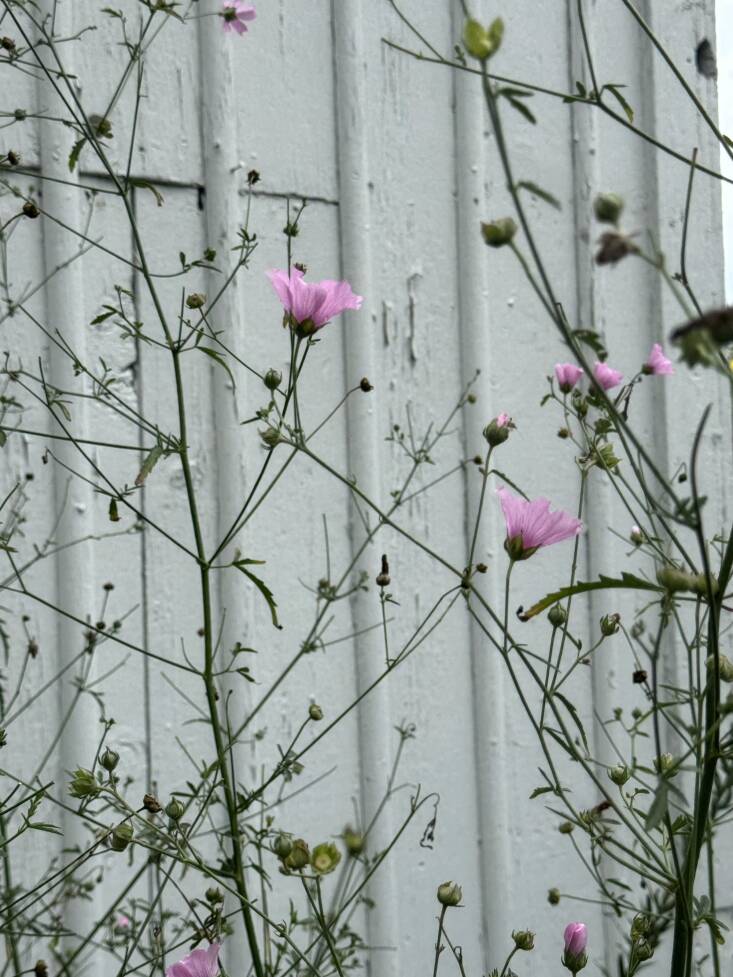
Native to Europe, this member of the mallow family has become a fast favorite for my late-season garden. Plants grow anywhere from 4 to 8 feet in height in my Zone 5 garden, and the deeply-cut, fine foliage is smothered in 1-inch pale pink blooms that sway in the wind. I grew mine from seed (with some difficulty) from Farmacie Isolde, and over the subsequent five years modest self-seeding has allowed me to increase their numbers. (USDA Zones 3-10)
Dianthus knappii
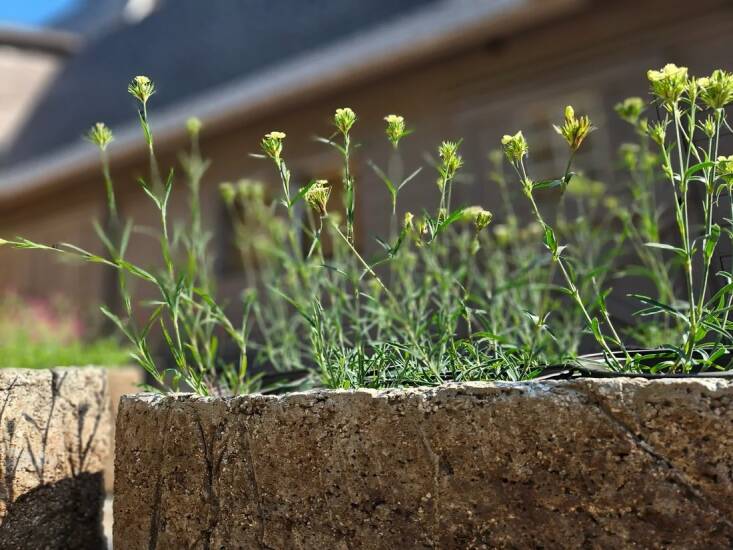
Another one that I’ve grown from seed, Dianthus knappii is native to the Balkans and a fabulous set-it-it-and-forget-it, short-lived perennial that thrives in full sun and free-draining soil. Forming a slightly glaucous mat of lancoleate leaves, lemony-chartreuse flowers spring up from mid-summer through early fall and light up like a safety vest in headlights during the evening gloaming. (USDA Zones 3-7)
Tryicyrtis hirta
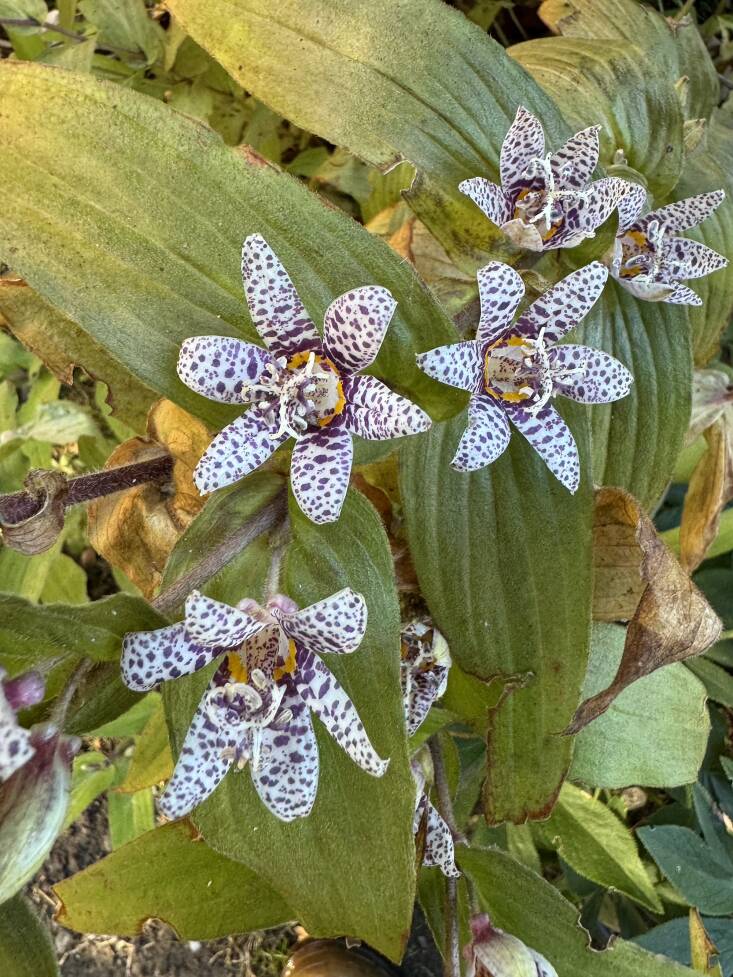
I first spotted this plant in Piet Oudolf’s scheme for the Lurie Garden in Chicago many years ago. Hailing from Asia and commonly referred to as “toad-lilies,” this part-shade-loving plant sends up fleshy shoots mid-season and then reveals spotted, orchid-like flowers forming from its axillary buds in September that remain until first frost. (USDA Zones 4-8)
Verbascum roripifolium
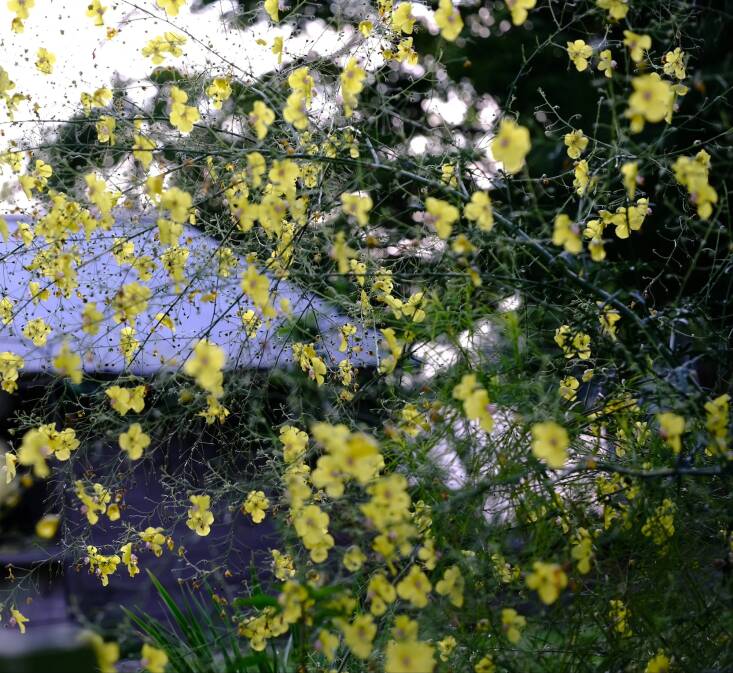
Full disclaimer: this is one that I haven’t grown, though I’m waitlisted for it from several different nurseries. Although it has yellow blooms and an upright habit, this species differs from others in the genus thanks to whirling masses of flowers that keep going for months. (USDA Zones 5ish through 8)
See also:
- Fall Flowers: 8 Best Plants, to Move Beyond Mums
- Fall-Blooming Anemones for Autumn Color
- Tousled: 11 Native Perennials for a Late Summer Tangle of Flowers


Have a Question or Comment About This Post?
Join the conversation