

In a British city like Oxford, there are many formal spaces—and they seem to intimidate even the gardeners. Quads of emerald green are meticulously striped in various ways while the planting around the edges shrinks against ancient walls. One of the few exceptions is Worcester College, where the head gardener Simon Bagnall revels in the opportunities offered by 26 enclosed acres in the middle of town. Among the first things he did when he arrived 23 years ago was to widen the Long Border. Against a backdrop of medieval cottages, towering banana trees mingle with tall shrubs such as tetrapanax, setting the scene for some energizing, often yellow planting, in the form of black-eyed Susans and sunflowers. Rather than making their apologies, these jolly flowers bring the place to life and, despite their pedestrian reputation, are not lacking in style.
Last week, we went over to have a look.
Photography by Britt Willoughby for Gardenista.
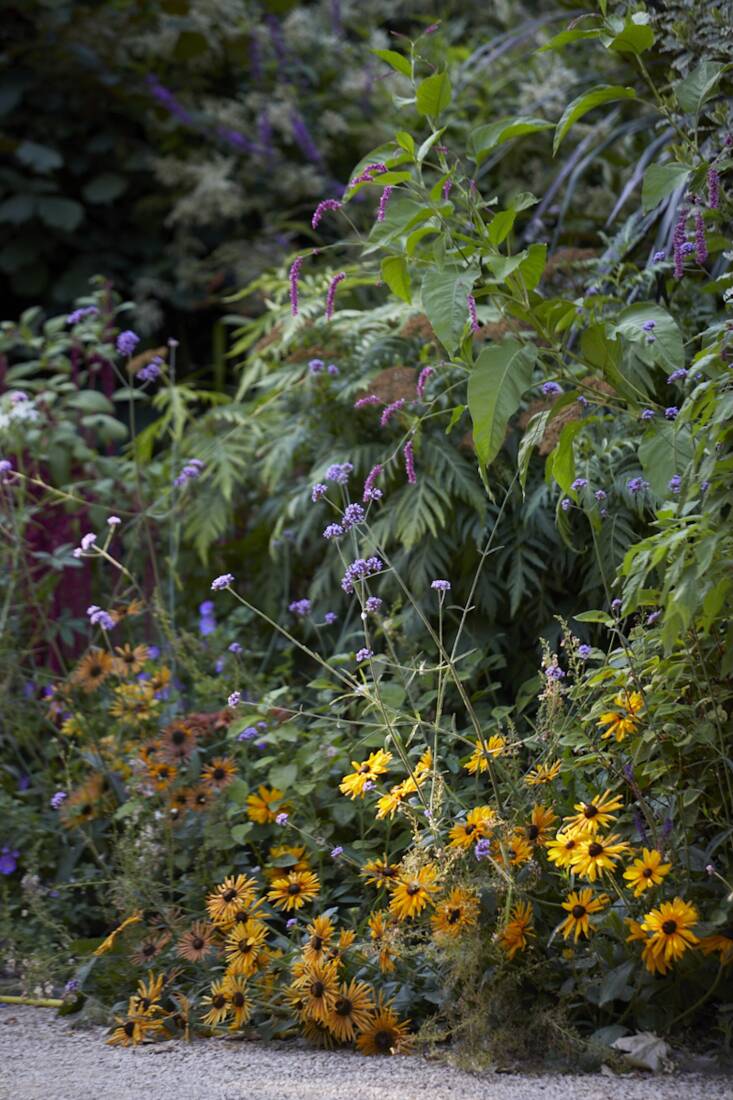
The daisy family is enormous, with members including aster, goldenrod, and dandelion. Many are taken for granted, including sunflowers, often grown for novelty, and black-eyed Susans, which are nice for enlivening a picket fence but rarely treated as prized plants. At Worcester College, yellow daisies from the Americas are an irresistible part of high summer, and they last until November. This is important for an all-season garden, and Michaelmas term starts at the beginning of October.
Irrigation comes from the 1817 lake, which is in turn fed by the adjacent canal. The provost used to keep cattle on the water meadows that now make up the Worcester College cricket pitch.
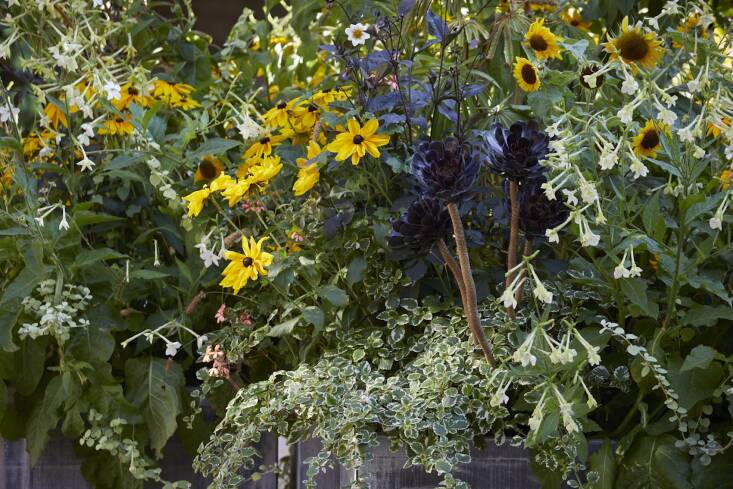
Yellow daisies could be kept in their place in the Long Border, as non-British flowers paired with exotic plants, but their success has recommended them for use all over the site. “We’ve leaned into them more and more,” explains Simon. “They’re reliable, they’re not as susceptible to slug damage, and they’re easy from seeds. They flower for a long time. They don’t need deadheading, in my opinion.” And, he adds: “I just love those zingy colors.”
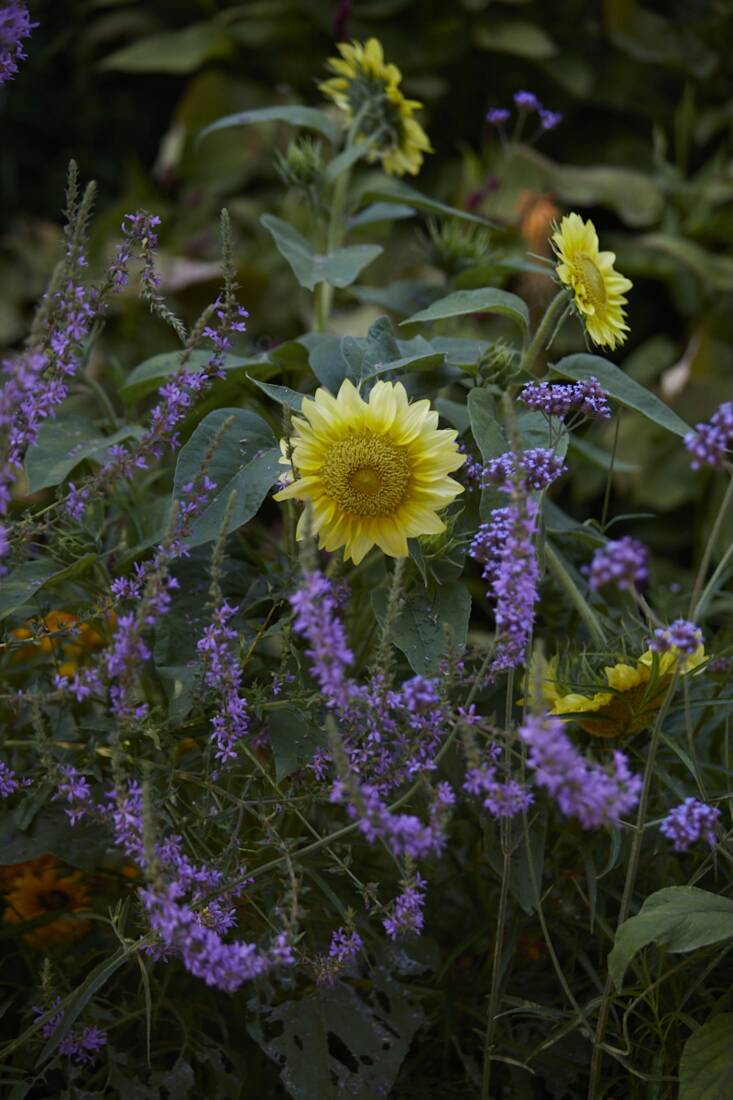
Sunflowers have a long season of bloom, having been grown from seed in one of the glasshouses. “As soon as we put them out, at the end of May or beginning of June, they flower immediately.”
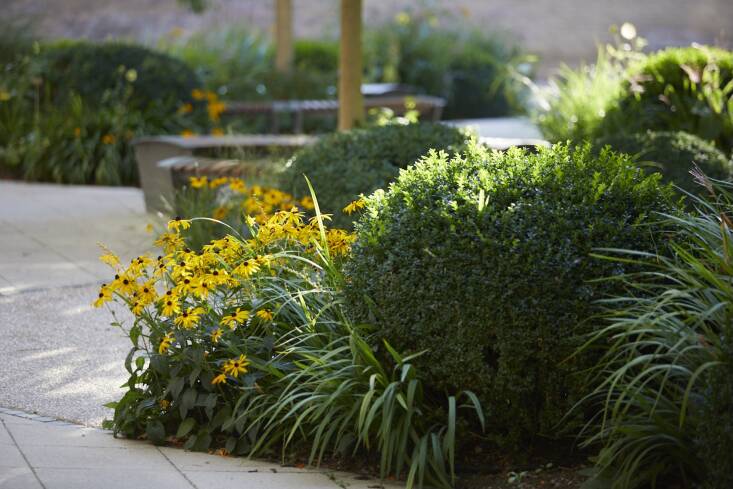
American prairie plants do not make a formal garden informal; they just relax things. “Rudbeckia is a lovely contrast to the very stiff boxwood,” notes Simon. “It gives it a bit of life and movement; it’s more playful.” This also complements the meandering design, incorporating repeats of Magnolia ‘Elizabeth’ and Paeonia daurica mlokosewitschii (‘Molly the Witch’ peony) both with pale yellow flowers.
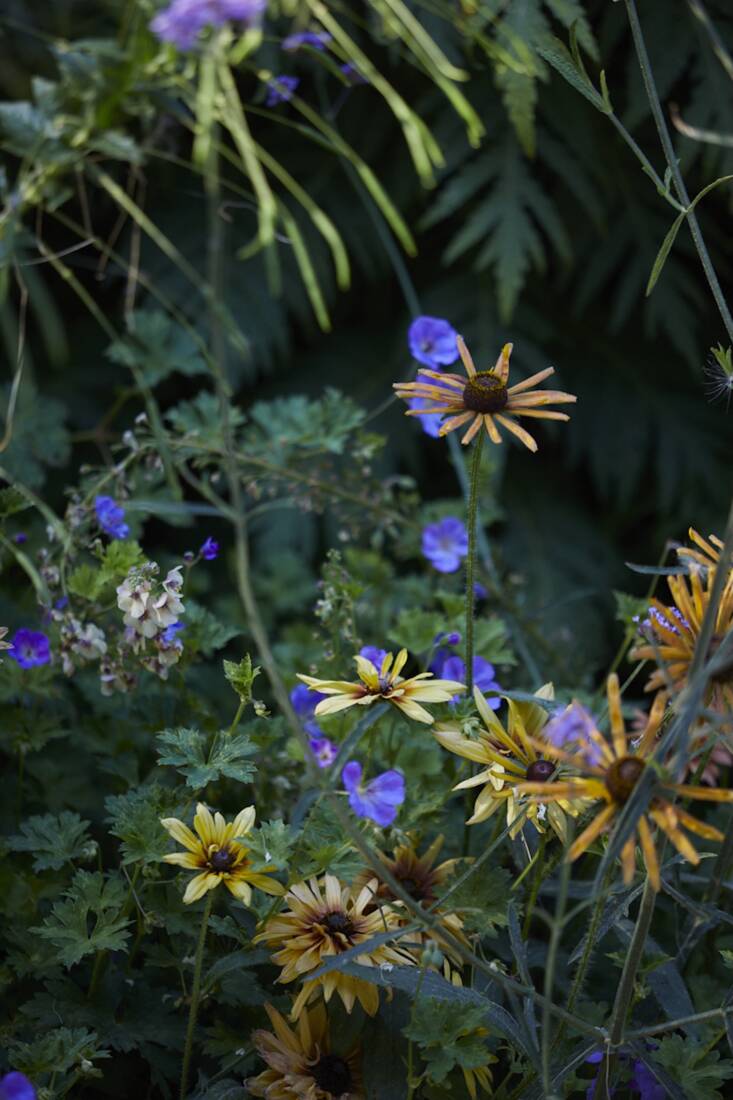
Yellow in their species form, these daisy flowers cover the spectrum of reds, yellows and browns, which increases their potential pairing partners. Fuchsia (F. hatchbackii) brings out the zing in a pinky-yellow companion, while Persicaria filiformis has such tiny red flowers that they appear as little dots, carried above red and green leaves. Creamy hydrangeas, fading to pink, also get a look in. The wide range of cultivars used in the gardens at Worcester allows some experimentation with plants that might not be considered at the peak of chic at this moment.
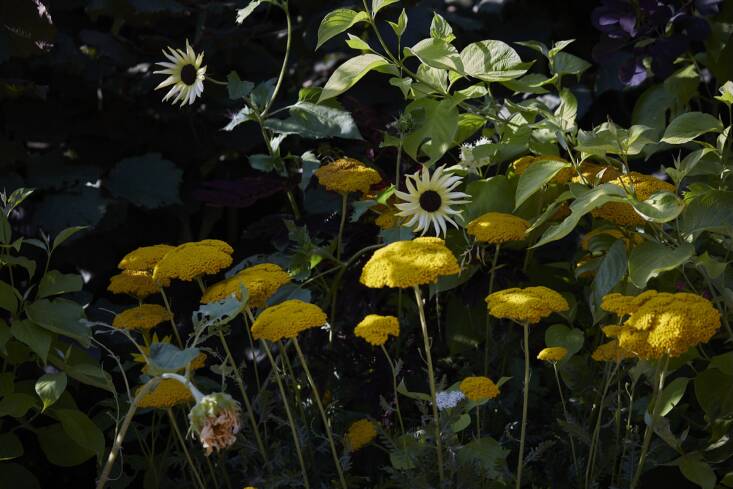
“There’s a good range of sunflowers now, from little, tiny things, the ‘teddy bear’ ones, as I call them, right up to huge, 8-footers beyond that, and they give you instant height in the border,” notes Simon. “Rudbeckia doesn’t get that high. It’s to do with the color punch.”
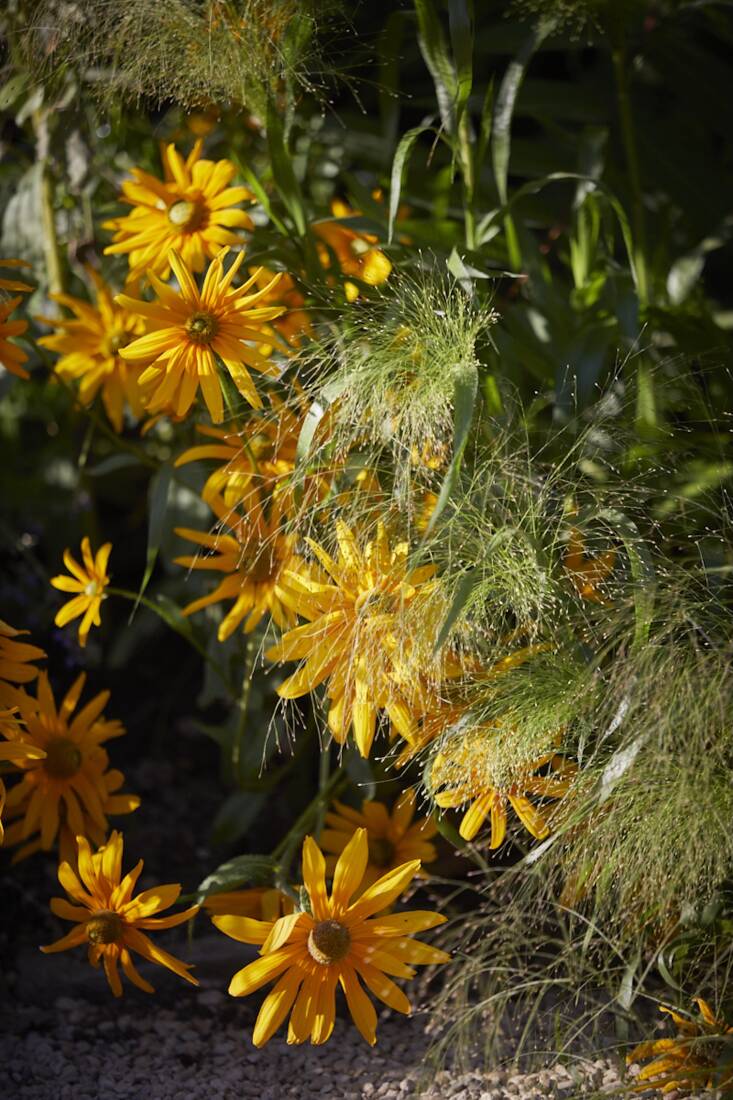
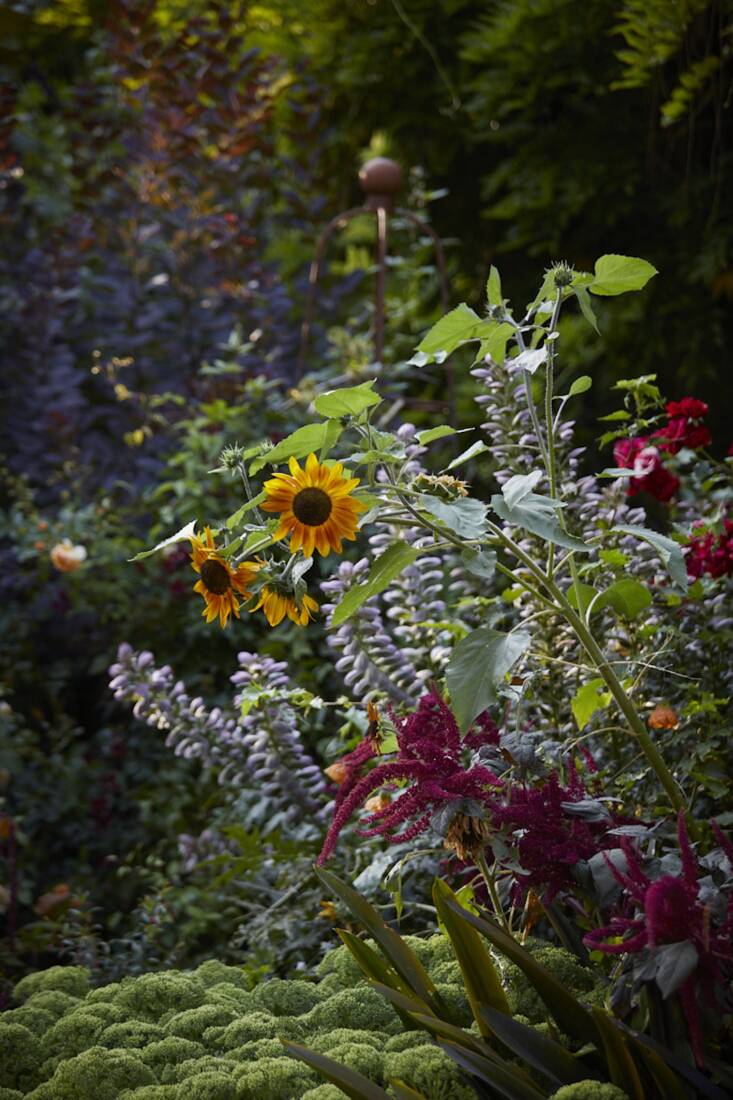
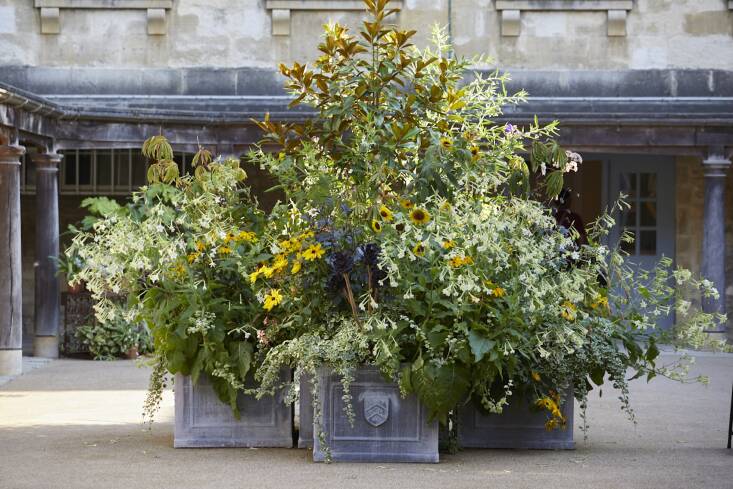
“We thread in annuals, tender perennials (like salvia for late season flowering, grown from cuttings), and exotic shrubs like banana (kept in place but wrapped) every year. This season, we’ve had a particularly good year with the amaranthus. Next year, we might not, so it’ll look completely different.”
See also:
- Gardening 101: Black-Eyed Susans
- Field Guide: Sunflowers
- Garden Visit: ‘The Thrill of Letting Things Happen’ in Helen O’Donnell’s Vermont Garden


Have a Question or Comment About This Post?
Join the conversation