


It is spring and we crave the flavors of a new season. Enter ramps (Allium tricoccum and subspecies), the native wild onion that is one of the few wild foods that shoppers recognize when it appears at market. The whole plant, from roots to leaves, has been sold as a sought-after delicacy for decades, despite evidence that the plants are under increasing pressure from over-harvest. Recently, when I posted my annual spring #rampleavesonly epistle on Instagram I expected either algorithmic indifference or weary snark. Instead, the comments section became a hive of discussion, with farmers, landowners, commercial and recreational foragers, gardeners, cooks, and land stewards weighing in. It was encouraging. There is growing support for the idea of selling only the leaves of this slow-growing spring ephemeral that is vulnerable to over-harvesting.
To celebrate their emergence in spring, and to continue to encourage vendors to bring only ramp leaves to market, here is a recipe for ramp leaf biscuits, a savory treat where a few leaves perfume an entire batch.
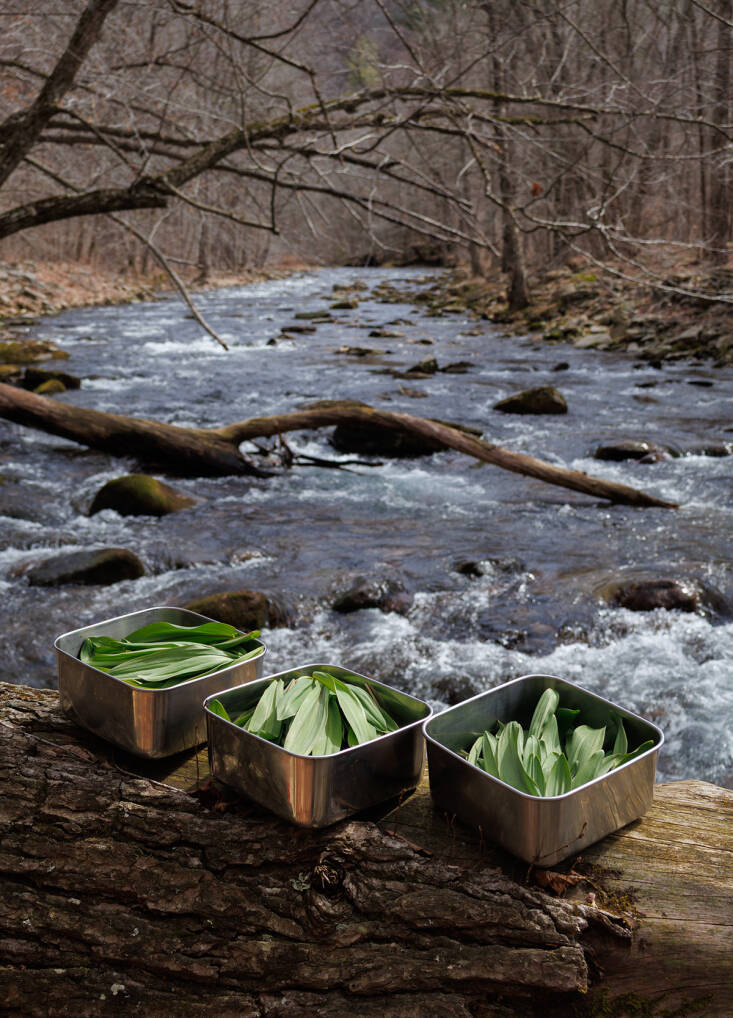
When I collect them from a prolific population that I have visited for 16 years in New York, I now harvest ramp leaves only, with an annual treat of 12 whole plants with the bulbs. The bulbs, I pickle. The leaves we eat fresh or preserved in the form of a vibrant ramp leaf oil, ramp leaf salt, or a simple purée that I freeze in small batches.
I used to collect more bulbs. But I have learned a lot since then. Mostly, from the land. But also from the practice of horticulture: growing ramps is not as hard as you would think. They are woodland plants and perfect for forest farming and for semi-shady gardens. They are remarkably resilient in pots.
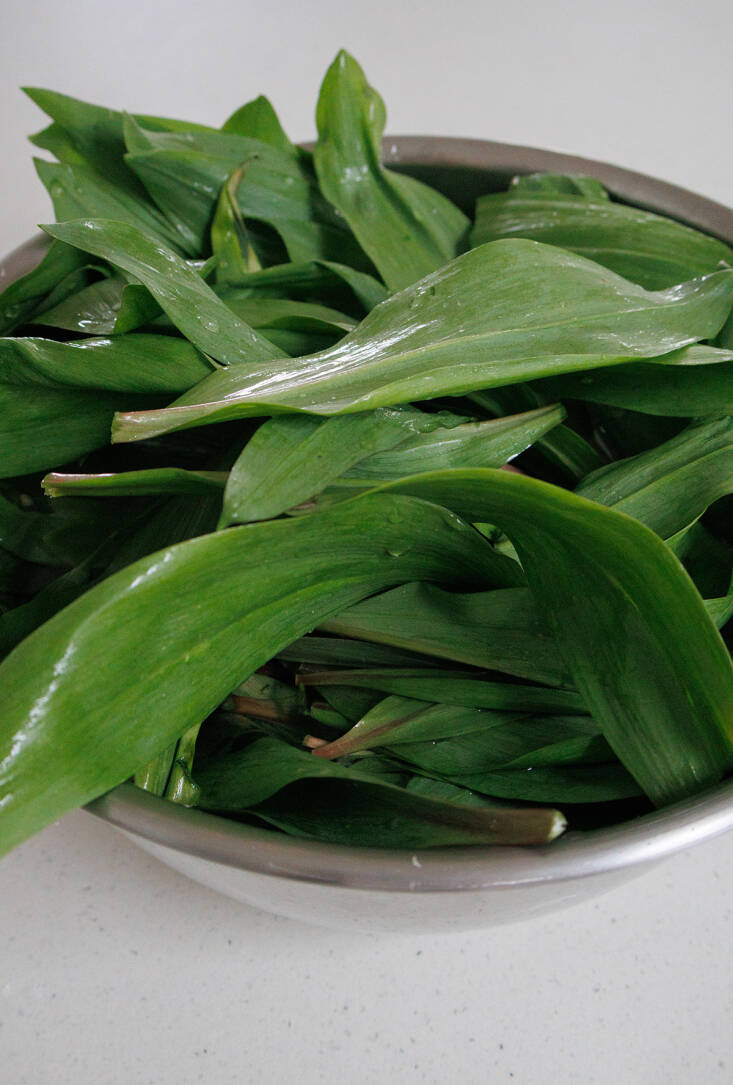
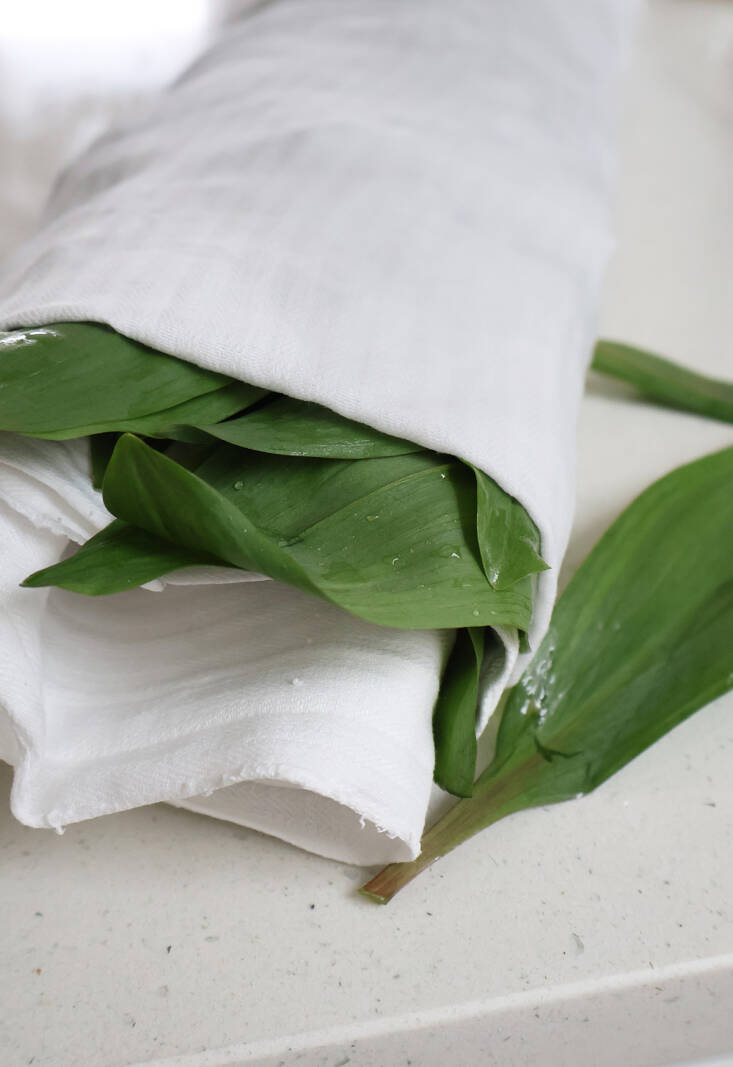
Exposed to light, ramp leaves lose condition quickly. Soak harvested or purchased leaves in a basin of water for at least an hour before patting them dry and then store them, wrapped and covered (in bags or containers) in the fridge. They will keep fresh for at least a week.
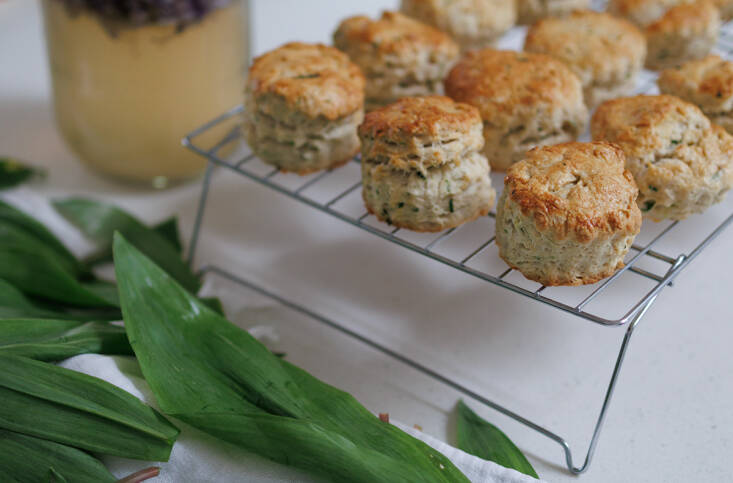
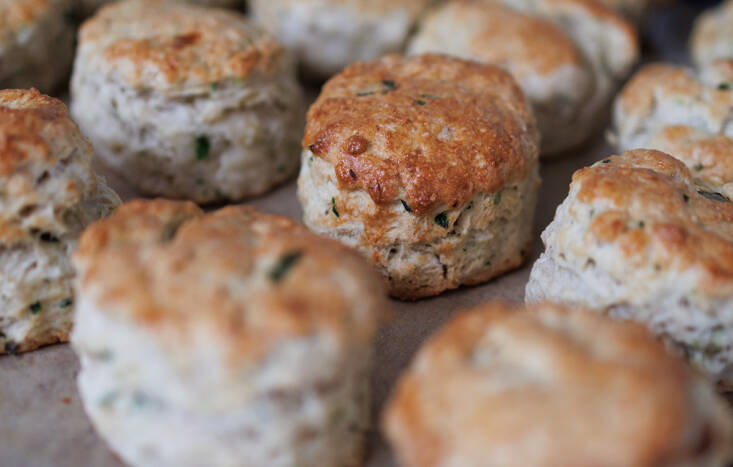
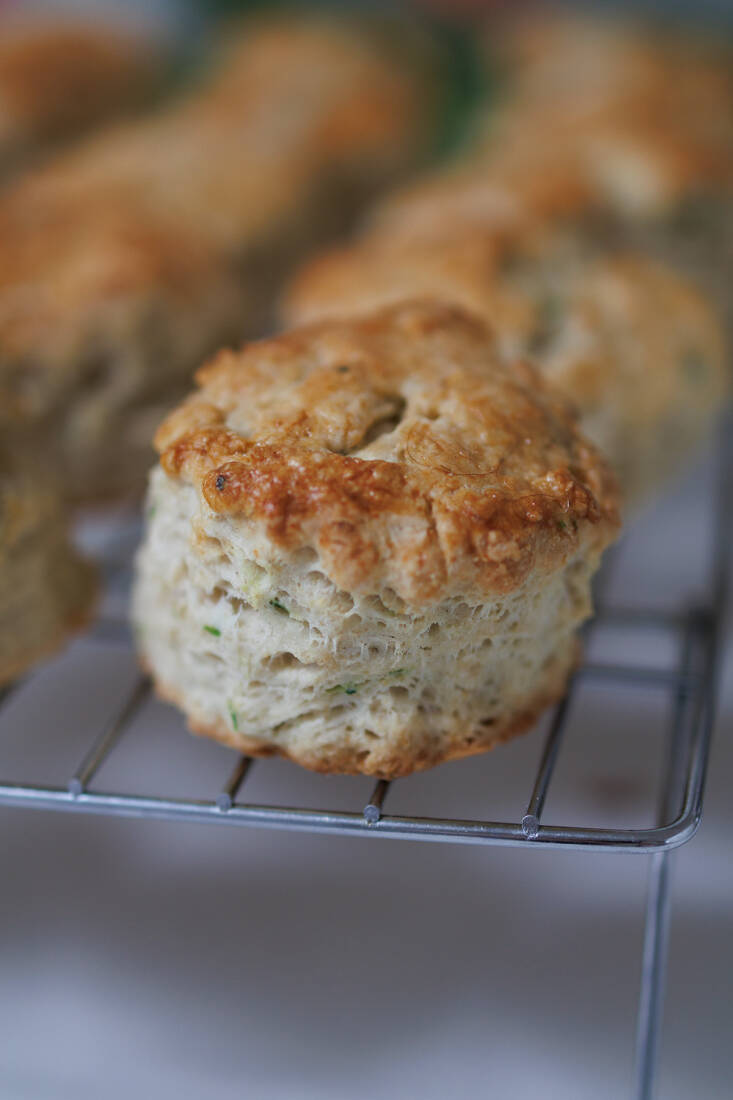
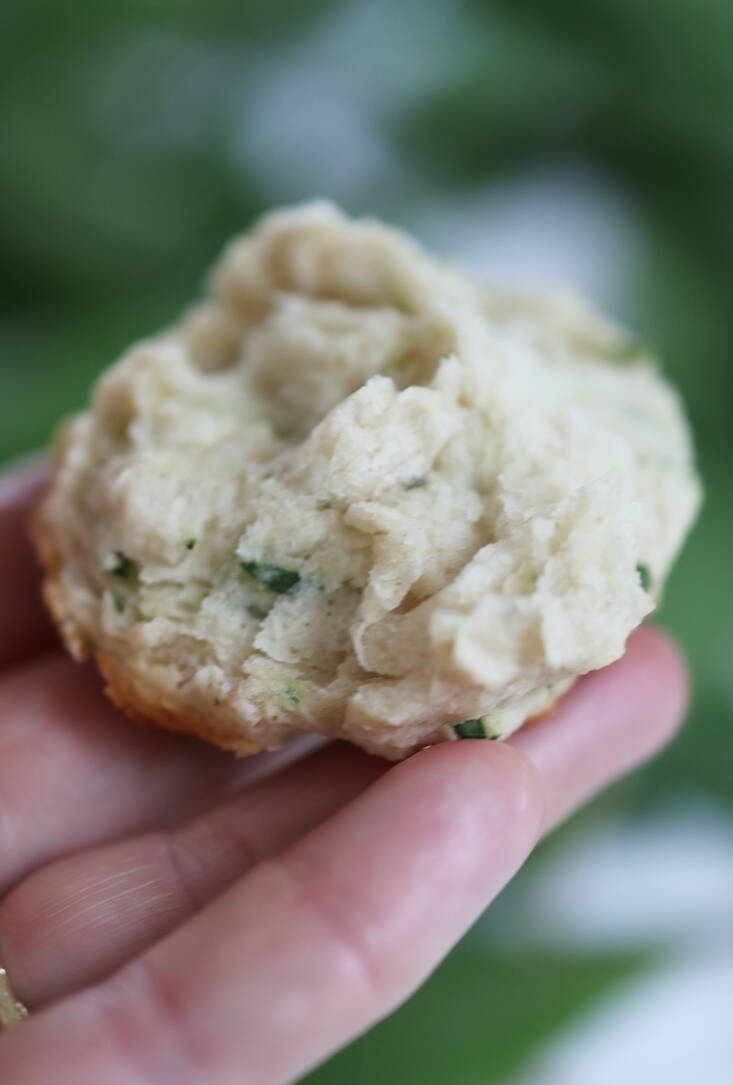
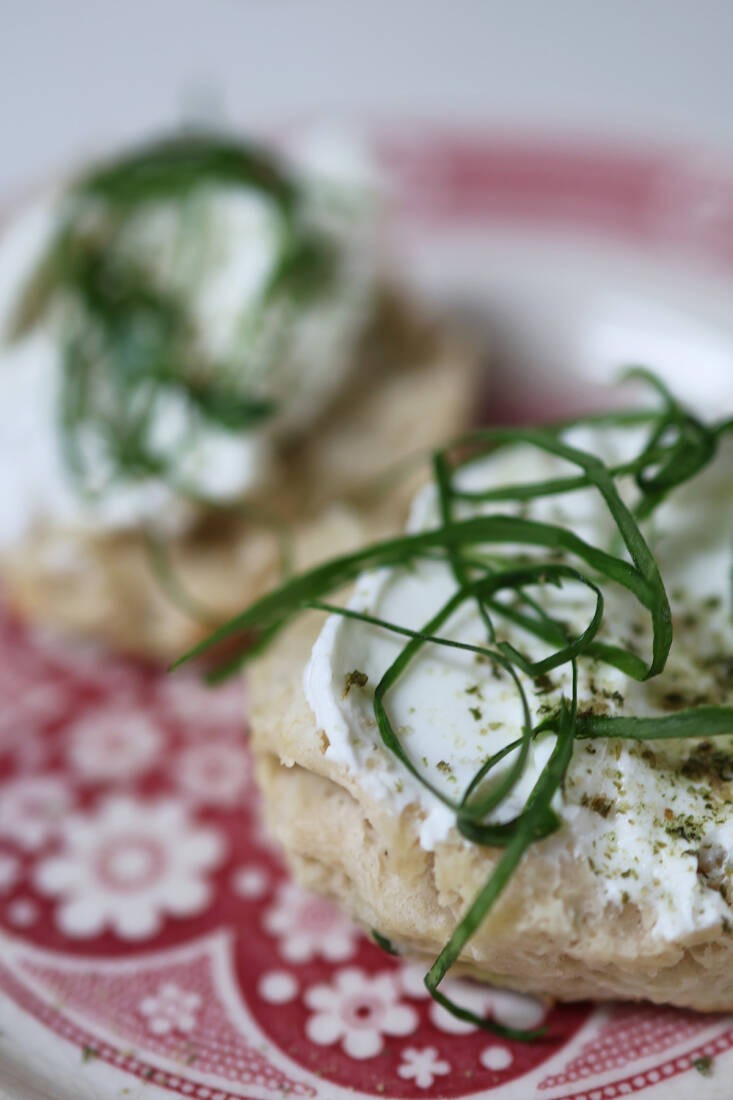
Ramp Leaf Biscuits
Makes 15 biscuits
While you could use the classic buttermilk, this recipe evolved when I had none, and I used wisteria flower vinegar (yes) to acidulate the milk. This method uses apple cider vinegar.
Top the ramp leaf biscuits with butter, with labneh, or with Greek yogurt. I add ramp leaf salt. Ham or prosciutto, and goat cheese work beautifully, too.
Biscuits
- 3 ramp leaves
- 1½ cups milk
- 1 Tablespoon + 1 ½ teaspoons apple cider vinegar
- 4 cups all-purpose flour
- 1 Tablespoon + 1 teaspoon baking powder
- 1½ teaspoons ramp leaf salt (or 1 teaspoon regular table salt)
- 6 oz unsalted butter
Egg wash
- 1 egg, beaten
Mix the vinegar into the milk and allow to sit for 10 minutes, to sour and curdle.
Preheat oven to 425°F. Line a baking sheet with parchment.
Stack the ramp leaves on top of each other, roll them into a leafy tube, and cut finely into thin ribbons.
In a bowl combine the flour, baking powder, and salt. Grate the cold butter into the dry ingredients and rub it in with your fingertips until the mixture resembles evenly coarse crumbs. Add the ramp leaves. Stir in the soured milky. Pull the dough together quickly, with a wooden spoon or your hands, handling it lightly. (Overworked dough makes leaden biscuits.)
On a lightly floured surface pat the biscuit dough out until it is about 1 ¼ inches thick. Using a 2 ½-inch cookie cutter, press out as many biscuits as you can. Reshape the leftover pieces of dough and press our more biscuits. (Using a knife you could also cut squares.) Place the biscuits on the tray.
Brush the tops of the biscuits with the eggwash.
Bake the biscuits for 20 – 35 minutes until well-risen and golden. Eat warm, or cool completely, and freeze.
See also:
- Cranberry Hand Pies: A Festive Necessity
- A No-Knead Focaccia for Thanksgiving and Beyond
- Gluten-Free Bread: Rich with Seeds, Dense with Nutrition, and Ready for Picnics

Have a Question or Comment About This Post?
Join the conversation