

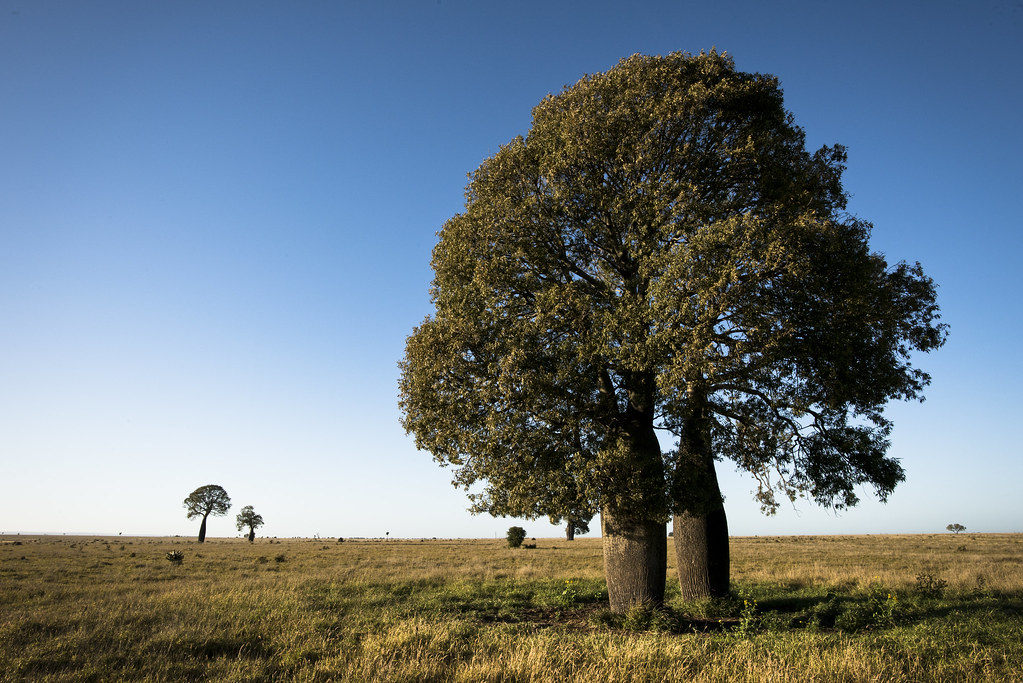
“Just like everything else in culture, plants have rises and falls and popularity,” says August Laska, the owner of The Old Yew Plant Shop in New York City. Monstera and fiddle leaf fig, for example, both have had their heyday as the “it” plant. The latest plant to gain star status? Queensland bottle tree (Brachychiton rupestris), which is also known as Australian bottle tree and narrow-leaved bottle tree. “I would say within the last 18 months, the desire for these trees have just risen dramatically,” says Laska. He’s not alone in his observation: Our friends at Flora Grubb called it “the must-have houseplant of the season” back in December.
A member of the Malvaceae family, Australian bottle tree hails from the east coast of Australia and normally grows in arid conditions. The trees store water in their often bulbous trunks (hence the name bottle tree). This succulent-like quality also makes bottle tree resilient and well-suited to container life. However, it’s their looks that has plant people and design enthusiasts fawning over bottle trees.
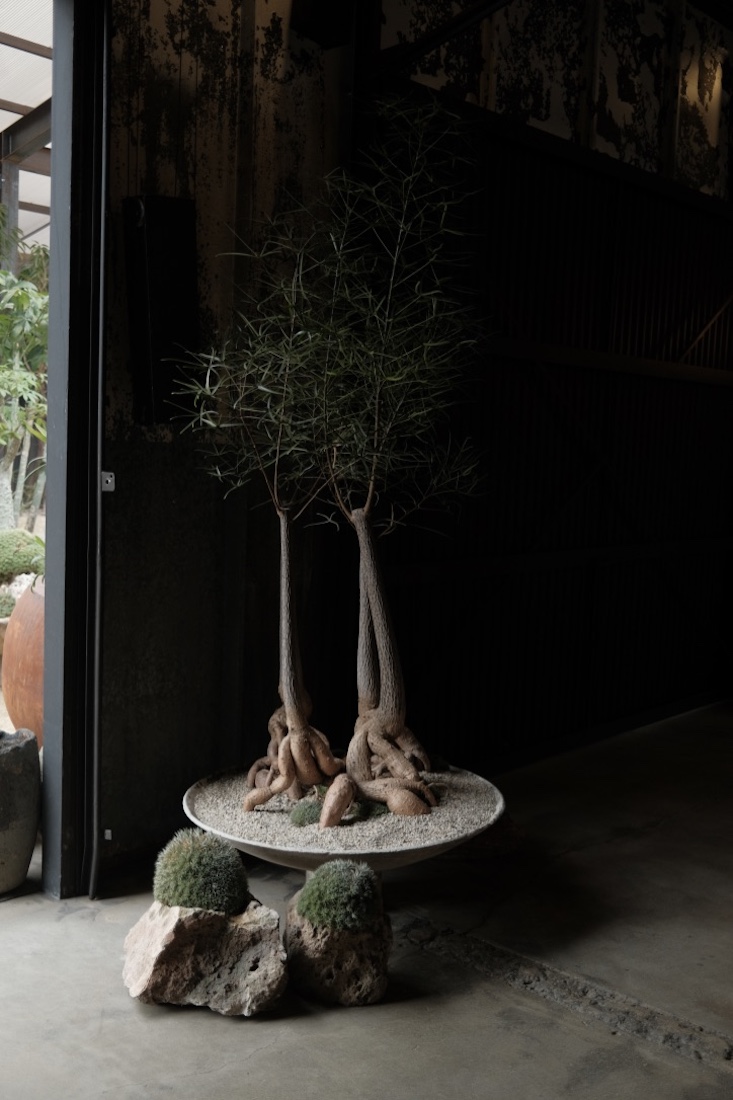
When we profiled Los Angeles-based houseplant stylist Rob Moffitt earlier this year, he told us he loves this plant for its unique form. “They always have a really interesting root structure underneath the soil and they’ll tend to get bulbous and twist around themselves,” he said. Moffitt and other plant stylists started removing soil from the roots to highlight the plant’s unique structure. “We really like ran hard with them once we started exposing the caudexes and starting to wire them into cool shapes,” says Kenneth Rickerd, one of the founders of The Plant Daddies, another Los Angeles plant design studio.
Laska notes that the plant’s airy, narrow leaves are another draw. “It’s very delicate looking—very wabi sabi,” he says. He notes that unlike broad-leafed tropical plants, you can put them in front of a window and they’re not going to block that light. Rickerd adds, “Interior designers, they love them because you kind of have both things: A pretty hearty-looking trunk and these very elegant, long leaves.”
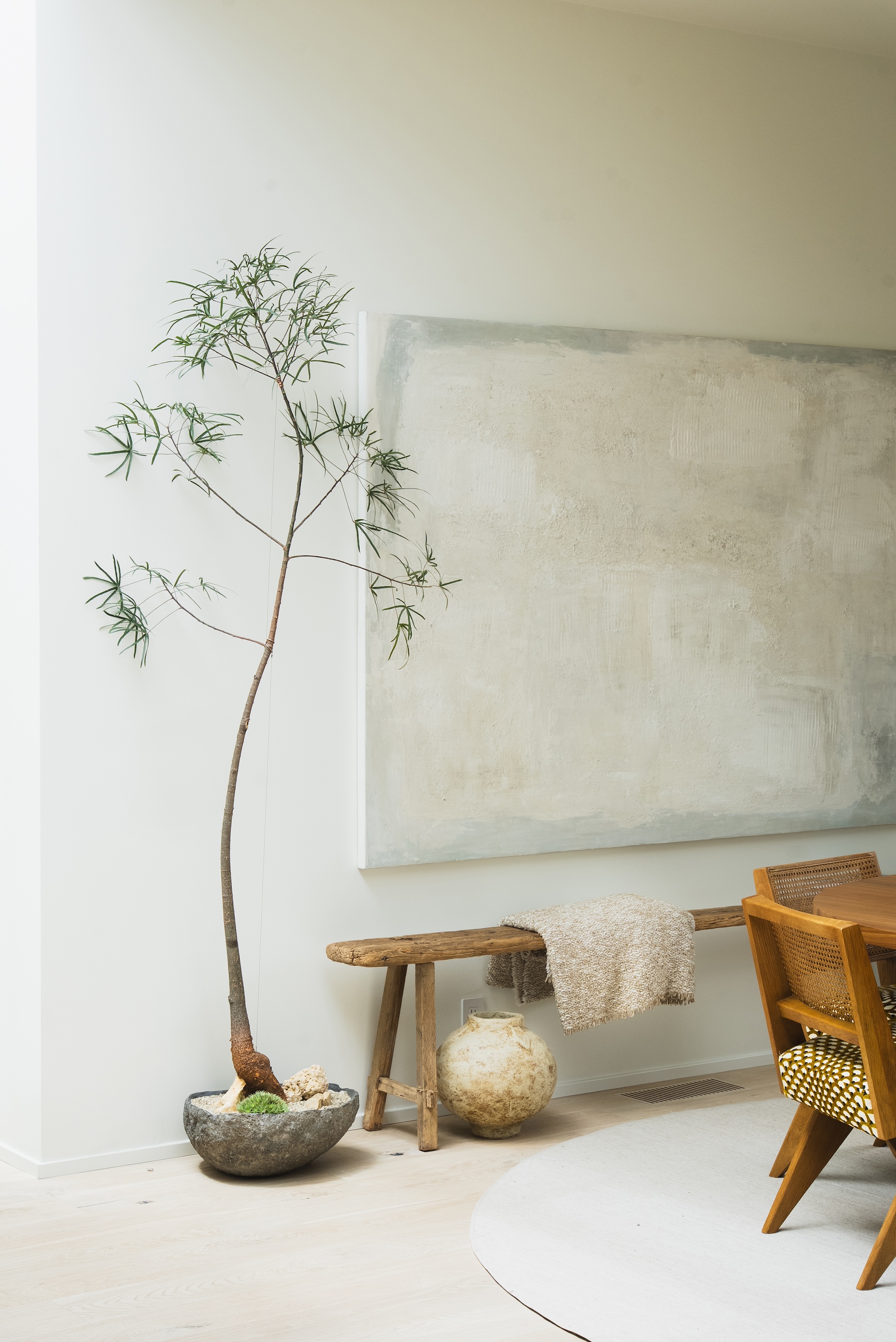
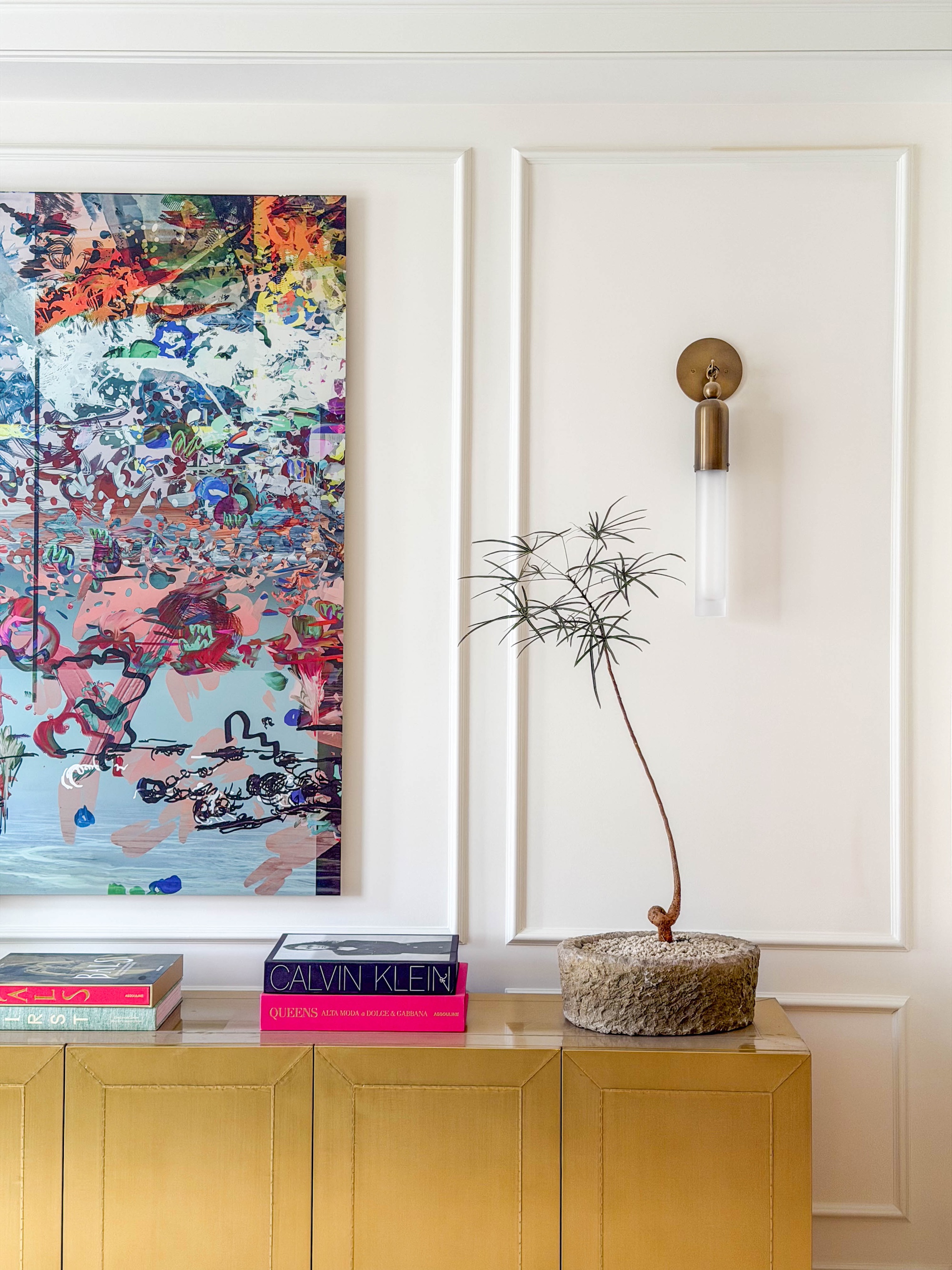
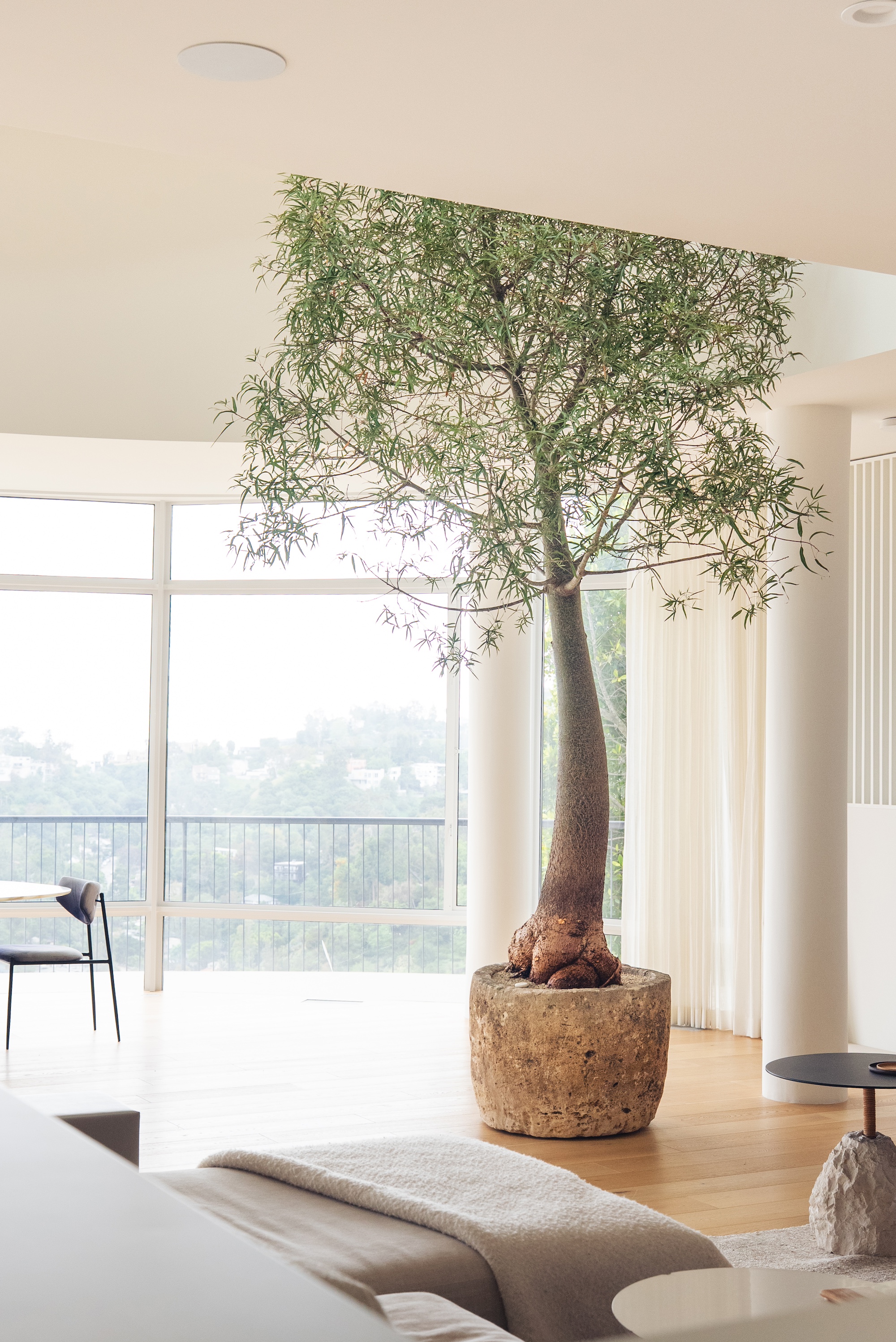
Australian bottle tree comes in a huge range of sizes, from eight inches to 20 feet tall. Smaller bottle trees are often wired and styled almost like bonsai in shallow dishes. Rickerd says, “They can be a really cool decorative tabletop piece or if they’re 15 feet tall, a statement anchoring the whole room.”
Despite their rising popularity, bottle trees can be hard to find (and very expensive) because they take so long to grow. If you want to hop on this houseplant trend, your best bet is to inquire at a specialty plant shop like ones mentioned here, who are more likely to have a direct line to a grower.
Cheat Sheet
- Bottle trees are native to the east cooast of Australia.
- They are deciduous, so don’t be alarmed if they drop their leaves! They can also shed leaves when acclimating to a new location.
- They are slow-growing, especially indoors.
- Larger specimens can be difficult and expensive to source.
- Nontoxic.
Keep It Alive
- Bottle trees need bright, steady light throughout the day; some direct sunlight is good, but Rickerd says “bright, indirect light is totally fine; they’re just not going to grow very fast.”
- Bottle trees prefer well-drained soil; choose a structured, fast-draining indoor potting mix.
- Allow the soil to dry thoroughly between waterings; use a moisture meter or your finger to check below the surface before re-watering.
- Overwatering is a common mistake; water slowly and evenly, so the soil hydrates without becoming sopping wet.
- Feed monthly in spring and summer; avoid fertilizing when the plant is dormant in fall/winter.
See also:
- 8 Favorites: Houseplants for the Bath
- The Indoor Bay Tree: Perfect Houseplant?
- 14 Things Nobody Tells You About Indoor Citrus Trees



Have a Question or Comment About This Post?
Join the conversation