


This is part of a series with Perfect Earth Project, a nonprofit dedicated to ecological gardening, on how you can be more sustainable in your landscapes at home.
There are so many benefits to ecological gardening—for the birds, bees, bunnies, butterflies—and, yes, even for us gardeners. The joy we feel when we watch the first Bobolink of the season swoop to catch an insect in a grassy meadow or or when we spot a spring azure butterfly fluttering from bloom to bloom tunes us into the rhythms of the world around us and is good for our health. These magical ecological moments encourage us to stop, pay attention, and revel in the delight they bring. We wait all year for them to occur and when they do, they mark the milestones of the seasons—the bloodroot unfurling its petals, ospreys building a nest to lay the next generation, a monarch caterpillar forming its cocoon. When we change how we care for our yards—growing native plants, going chemical-free, and closing the loop by keeping all biomass on site, we can set the stage for more glorious moments like these to occur. (Learn more ways here.) Not only will they make us feel good, but they’ll connect us with nature, reminding us that we are just part of the greater world around us. And we will all be better for it.
Recently, we talked with horticulturist and designer Rebecca McMackin; Claudia West, principal at Phyto Studio; gardener and author Page Dickey; James McGrath, head gardener at Robin Hill; Chanticleer horticulturist Timothy Erdmann; and writer and founder of Humane Gardener Nancy Lawson to learn what revelatory moments they look forward to each year.
Claudia West, principal of Phyto Studio:
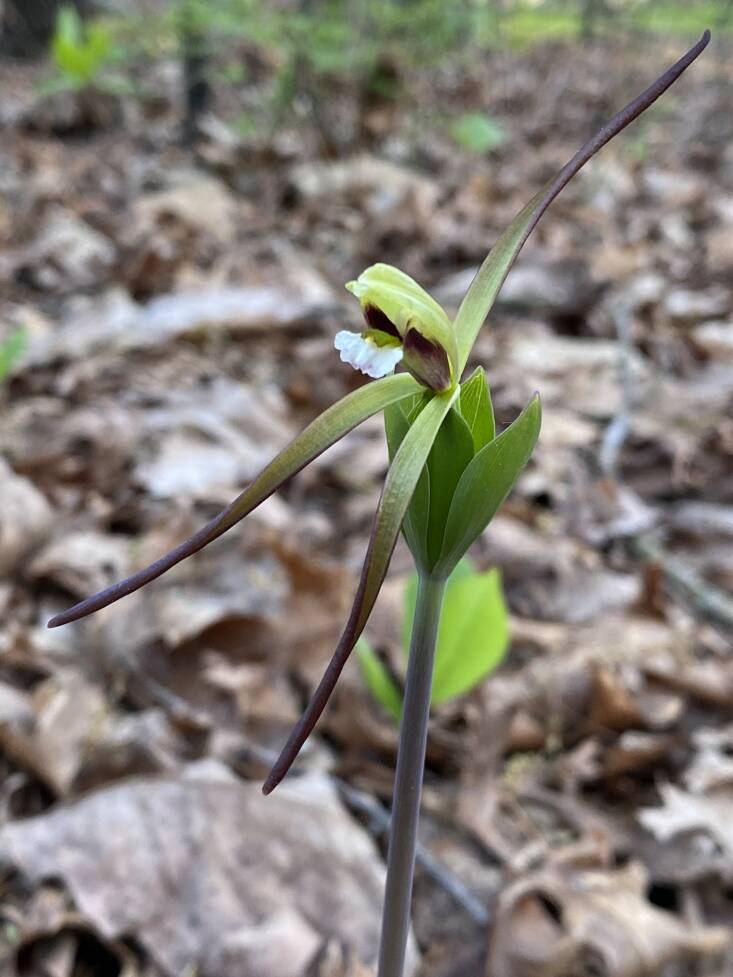
“We live outside of Baltimore and have spent the last couple of decades restoring the land. We have identified five different species of orchid naturally occurring on the farm, and when they bloom, I’m filled with such botanical geeky excitement. They’re still here! And they’re thriving! We’re also looking at abundance and what we’re seeing here on the farm is very hopeful in that regard. When I first moved here, I was beyond joyful when I saw one bald eagle flying over the farm. Now over 20 years later we have at least 20 roosting in the winter months in the valley overlooking a stream. We never used to see any ravens. Now they’re here daily. We used to see maybe one luna moth a year. Now they flutter through the evening sky all the time in the early spring. I was honestly not expecting how quickly things came back to life and how quickly the abundance bounced right back once we implemented more sustainable land management practices. It’s just amazing how even just in a few years you can see such a huge difference. Everything comes back to life in the most meaningful way.
“I love when I first hear wood frogs or spring peepers. It’s a sign that nature survived and the land is going to green up soon. When they start peeping or knocking, then I know other phenology events are about to happen. We’ll soon see the first flowers like skunk cabbage and early-blooming trees like willows starting to emerge. It’s very meaningful for a gardener. And it always fills me with a sense of wonder. I think about these little guys freezing solid and then thawing and coming to life. I feel this really deep connection to the natural world. It’s just magical. It never gets old.”
Page Dickey, author of Uprooted:
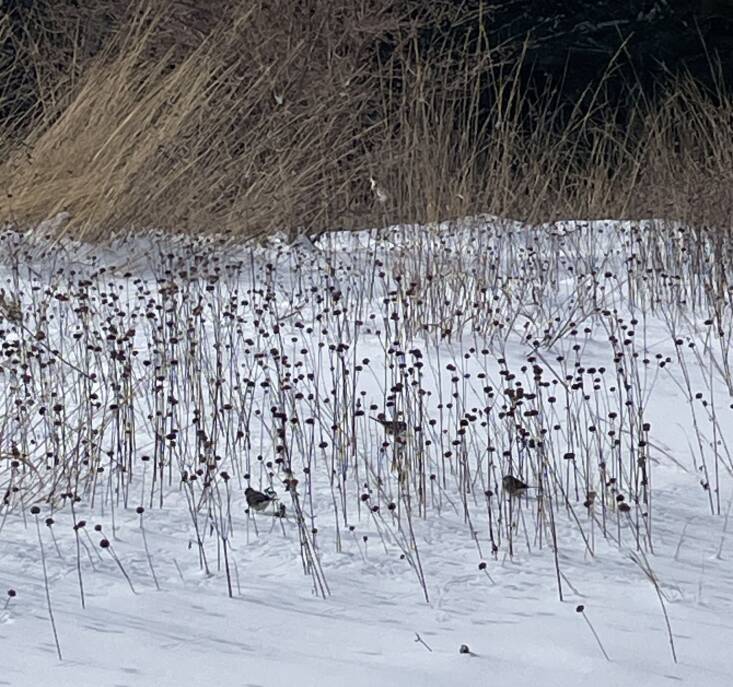
“This winter, we had 20 inches of snow and I went out snowshoeing. I was in the middle of the field where there were lots of seed heads of bergamot (Monarda fistulosa). Underneath all these seed heads were Juncos and Sparrows hopping around, bending down to the ground to grab a seed and eat it. I was so thrilled and realized this is why you don’t mow your field down in the fall. The birds are feasting out there.”
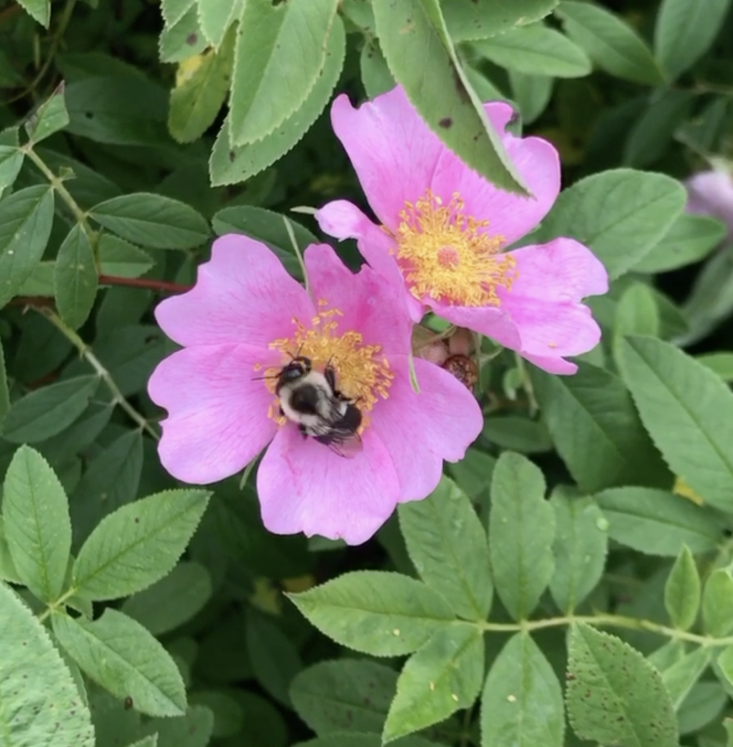
“I have this in a wet place outside the cutting garden where I grow swamp rose (Rosa palustris). I planted them so they have their feet in the dampness and their heads in the sun. The nice thing about the swamp rose is it blooms late, in early July. It has a pale pink single-petaled flower with a big boss of pollen right in the middle. The bumblebees go berserk. They bury themselves in it, buzzing and rubbing pollen on themselves. It’s such a delight to see.”
Timothy Erdmann, horticulturist at Chanticleer:
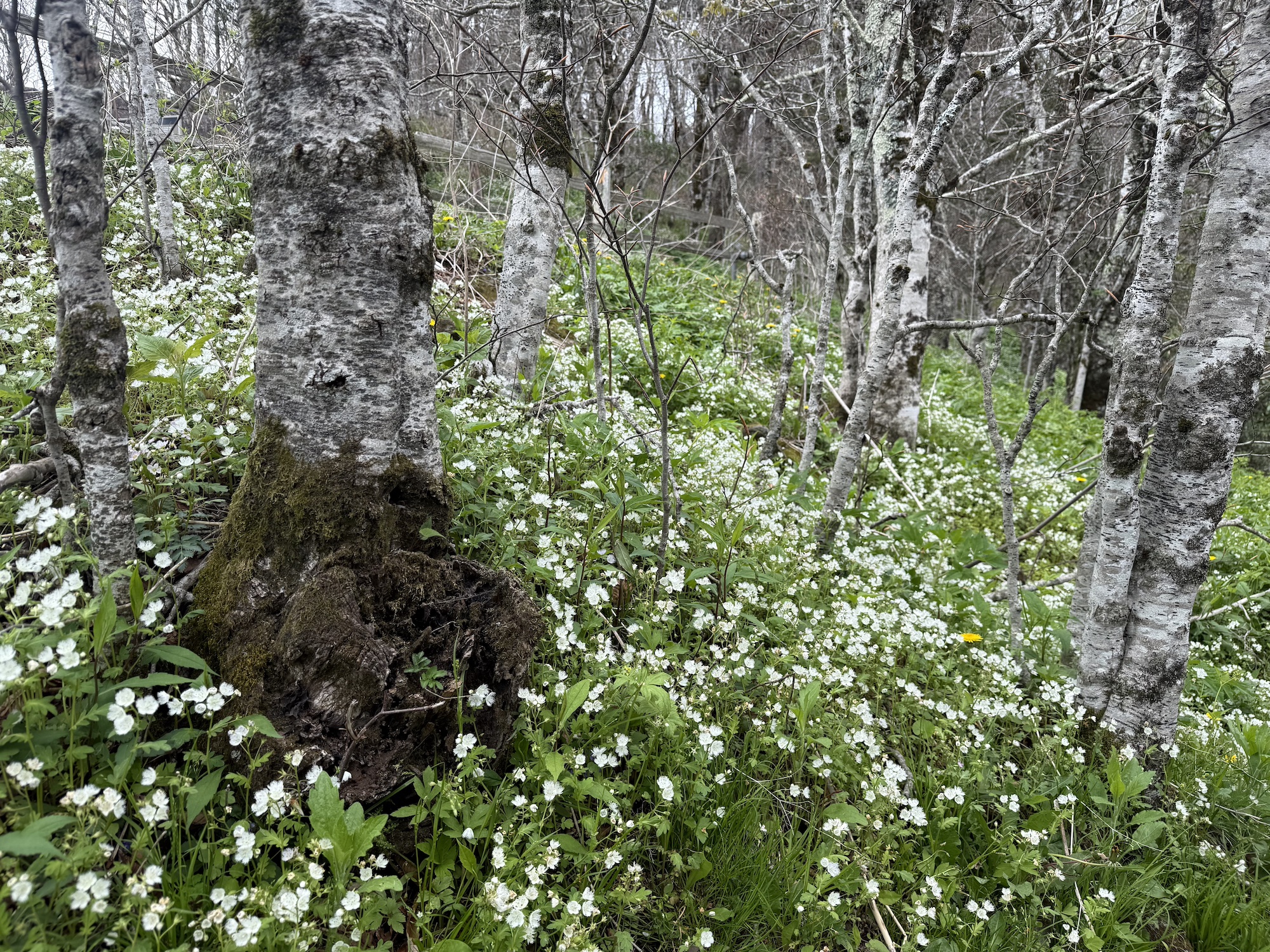
I love the moments when…
A pipevine finds its swallowtail.
Phacelia fimbriata looks like snow in April.
Kosteletzkya pentacarpos‘s long noses remind you that nature is goofy.
Goldfinches sit on a thistle.
Great spangled fritillaries turn all the world tawny.
Rebecca McMackin, horticulturist and designer:
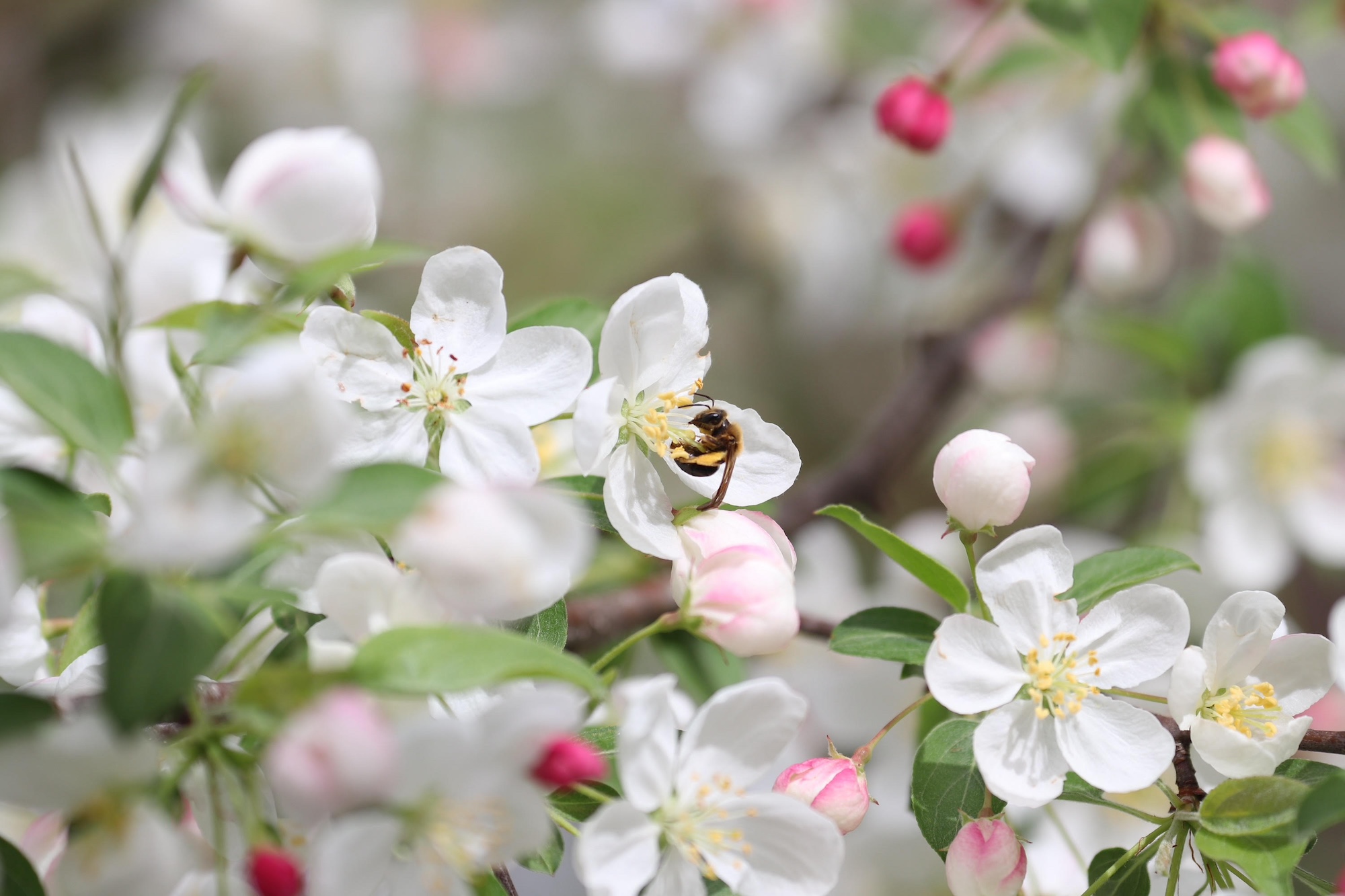
“There is a crabapple tree outside my office window and every spring it is a fluffy cloud of white and pink blossoms. It’s like if cotton candy was a tree. The entire thing is filled with bees. I counted seven species in one day! But for the rest of the week, there’s a Chickadee family who nests in the pillar of my porch. I know . . . I need to fix the porch. But the parents fly to the flowers, pluck out an insect, and bring them to the porch post, right below my office window. I can go outside and sit on the lawn and watch them. It’s such a wonderful reminder of the way one tree supports so many pollinators, and they support the birds and it’s all this web of connectivity and so often beauty as well.”
James McGrath, head gardener Robin Hill:
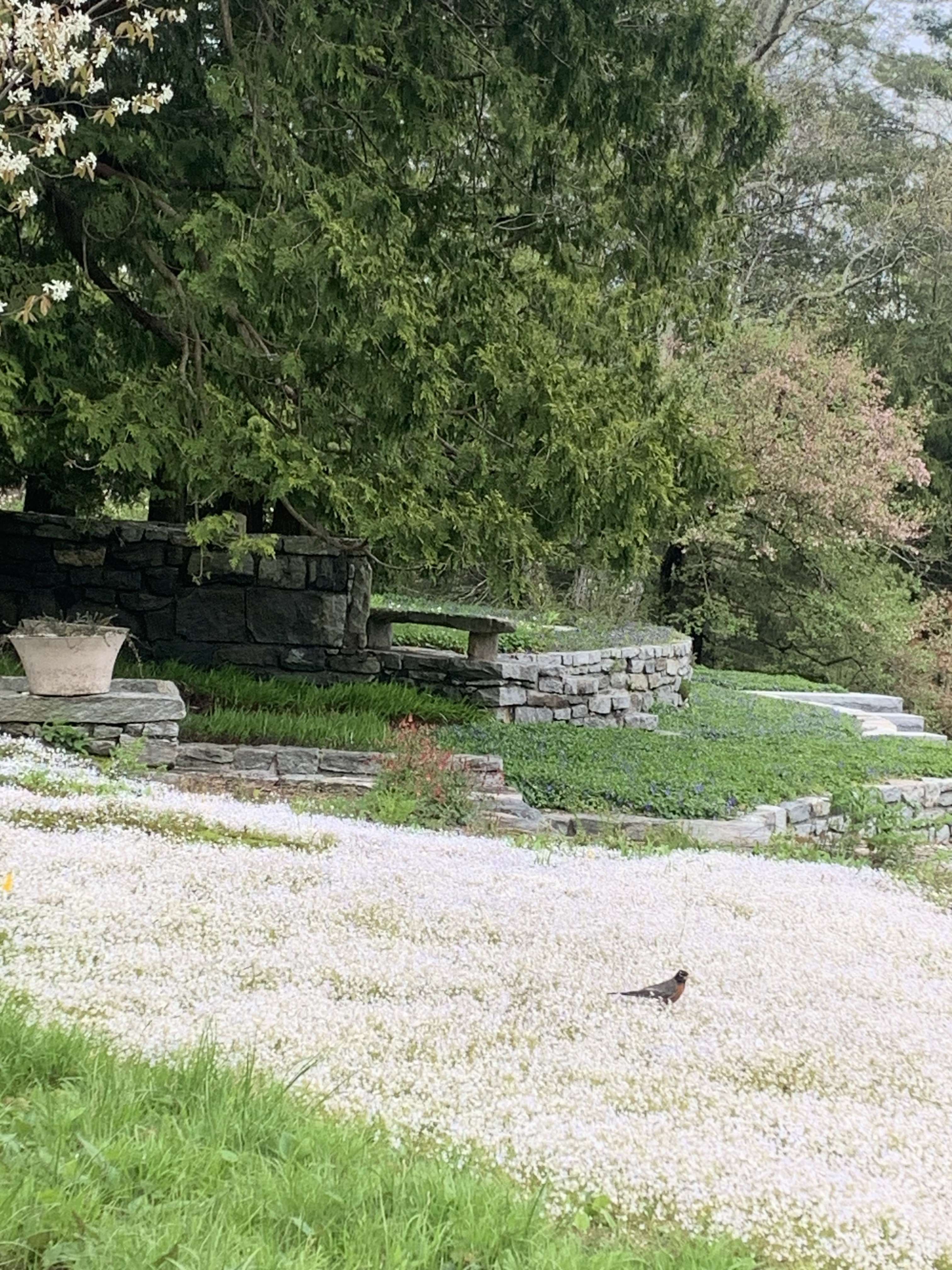
“One of my favorite spring moments is when our bluets (Houstonia caerulea) come out in the moss. We have a large area of moss that we weed every year. We didn’t know it when we first started, but weeding benefited the bluets because they don’t like competition. Once we understood this, we kept weeding and now every spring the entire area becomes a carpet of bluets. I find this especially wonderful because this beautiful moment happened because we listened to the plants.
“I also look forward every spring to when the Phoebes return. They have a nest outside my office door and come back every spring. They usually have two clutches and because they’re just outside my door, I hear the shrieking and feeding of the babies. Sometimes, when I’m sitting in my office and I have both doors open, the adults will fly back and forth through as I’m sitting at my desk. It’s such a sweet moment. I just sit back and watch them in awe.”
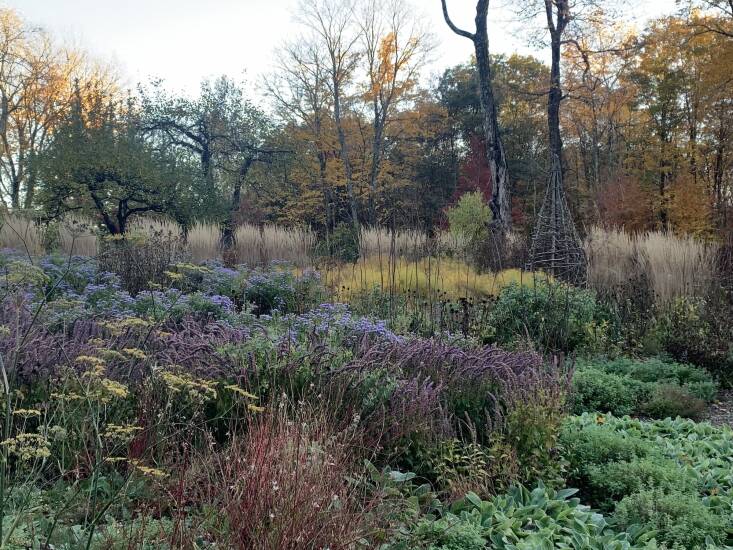
“There’s also this moment in the fall when the fall color starts. At first, I always get a bit nervous and wonder what’s going on but then I realize that this is the moment where I get to sit back and enjoy the moment because we’re on our way out. Everything sort of goes on autopilot at that point. It’s then that I start to feel an immense sense of pride for having made it through another season. I also feel a sense of relief because you know that you’ve carried the garden and you’ve carried it well. It’s like Mother Nature’s way of saying, congratulations, you’ve made it through again. She taps you on the shoulder and says, you know what, I’ve got this here on out, just enjoy it.”
Nancy Lawson, writer and founder of Humane Gardener:
“When I plant, I don’t have specific expectations for who might visit. I just know that as long as the plants are native to my area, there’s a high chance that at least someone—whether a bee, beetle, wasp, rabbit, migrating bird or any number of other animals—will appreciate them as a place to eat, nest, or take shelter. I think that makes it all the more joyful and awe-inspiring when I cross paths with my wild neighbors—that element of surprise never gets old.
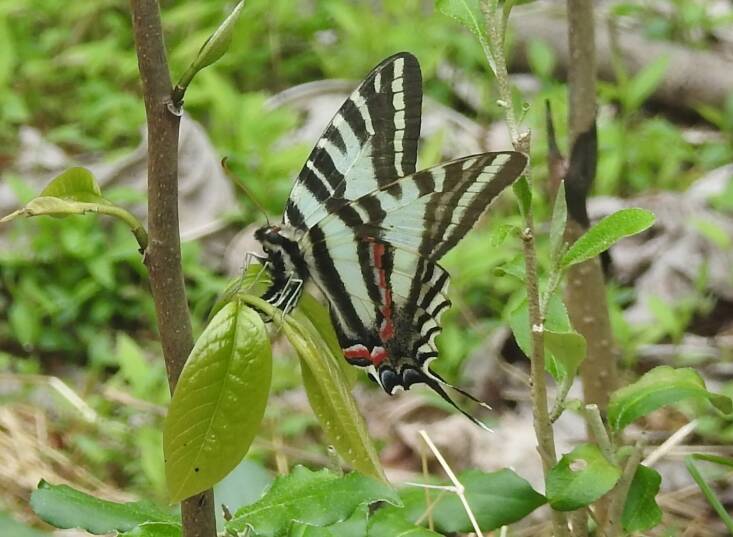
“And it’s usually the case that we are literally crossing each other’s paths as I go about my routines in the garden. When my mind is focused on the next task or destination, suddenly a butterfly floats in front of me, commanding my attention. That’s how I saw the zebra swallowtail—I was heading up to the house to retrieve a tool I’d forgotten to bring down to the meadow, and the zebra floated past. I followed her as she flew down to the pawpaws near the woods’ edge and watched her laying so many eggs for at least an hour. It was the first zebra swallowtail sighting in our habitat, 20 years after we’d planted those trees from 6- to 12-inch bareroots. Plenty of other animals, including us humans, have enjoyed the pawpaw trees in the meantime.
“In high summer, so many butterflies court and mate in front of me. It’s wild. Sulphurs, monarchs, swallowtails—all looping and swooping and dancing over the wildflowers.
“The animals responded in amazing ways after we dug our first larger pond. We very quickly saw mating green frogs, and the next season wood frogs came by the dozens; males wrestled in the pond, and a few lucky ones found partners. One couple hopped off together, still attached, in amplexus. to our smaller tub ponds. Birds, foxes, deer, chipmunks, snakes, raccoons and a box turtle started coming to the pond too. We also had some unexpected guests: A red-spotted purple came to the edge of the pond, leaned in, and sunk its proboscis into the water. An organ pipe mud dauber wasp gathered mudballs from the damp excavated soil next to the pond; she used sonication to dig the mud, and after those sounds alerted me to her presence, I was able to follow her and watch her stretch the mudballs out into organ pipes under our deck! In the fall, dozens of Pine Siskins migrating through swooped down and took a respite as I sat on the nearby bench, taking baths, drinking, and sitting in the trees above.
“I don’t really know how to narrow these moments down because they are all revelatory, instructive, rewarding, and yes, validating. They’re validating not only of our efforts but of the idea that working with nature and following nature’s lead brings far more life and love and joy than the conventional command-and-control model of gardening and landscaping.”
See also:
- Ask the Expert: How to Create a More Bird-Friendly Yard
- The Plastic Pot Conundrum
- Yes, Deer: How to Live in Harmony With the Notorious Garden Foe

Have a Question or Comment About This Post?
Join the conversation