

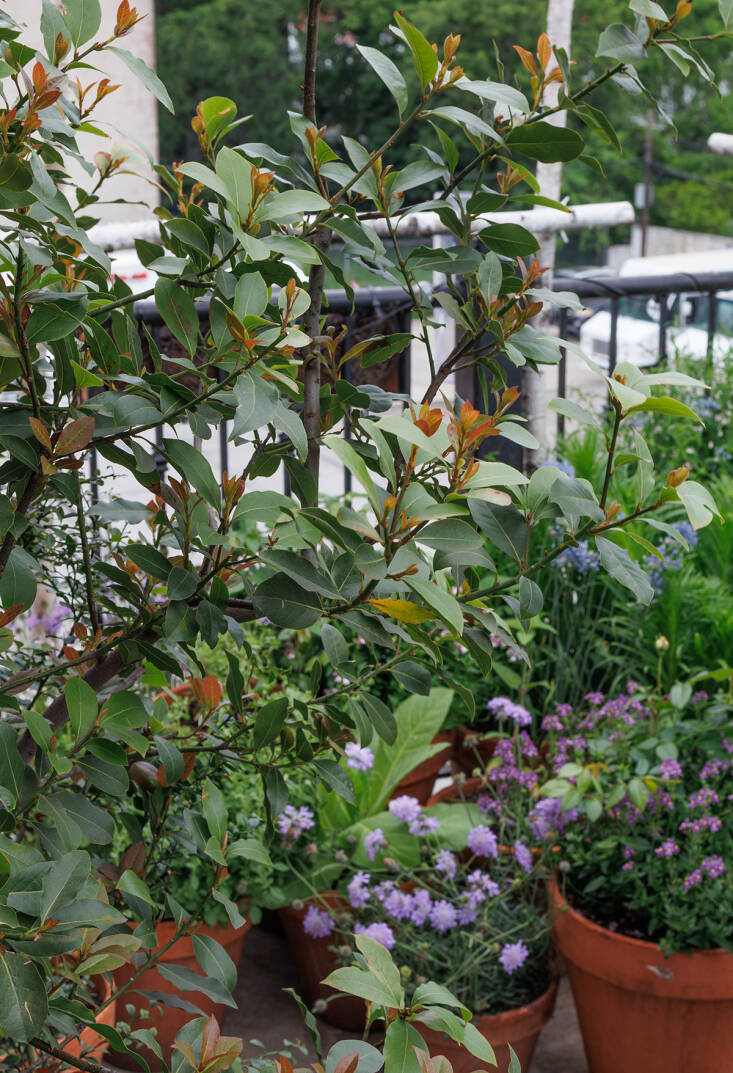
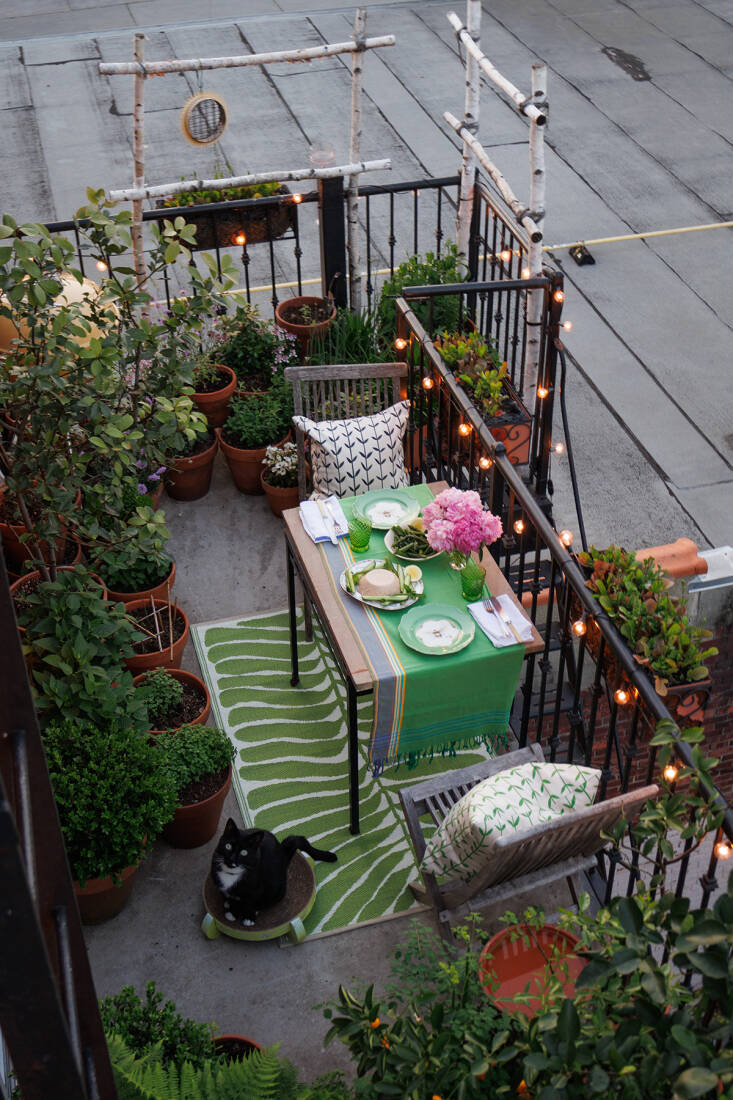
Twenty-seven pots. Four window boxes. That’s my gardening real estate in Brooklyn, on a terrace that is 15 feet 5 inches long by 5 feet 6 inches wide. After a sincere winter, where an early February surge of Arctic air plunged temperatures to a record low of 3°F, followed by a tree-breaking, snow-white blizzard, I thrilled to see new, familiar life emerge from the collection of terra cotta pots in our terrace garden.
What lived, what died, and what will happen next?
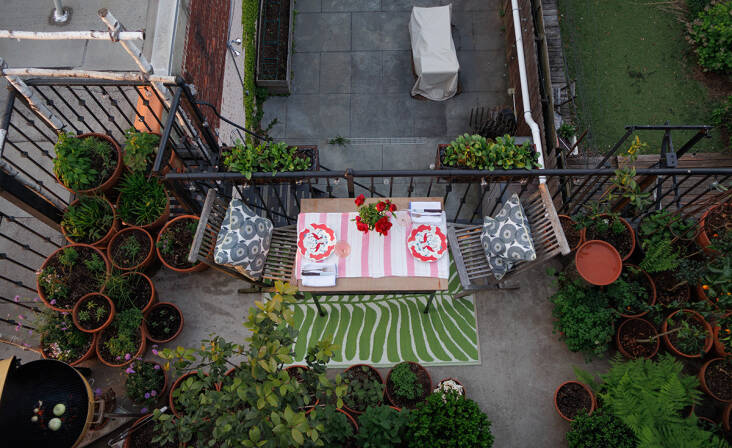
In April native ferns and ramps emerged on cue. Agastache and calamintha and asters reappeared as though winter had been nothing. Dormant roses woke and produced new, red shoots. As weeks passed and temperatures rose, they were joined by the tender plants that I overwinter indoors: citrus trees, ginger family members, and a bay. Life has returned to the terrace and our outdoor lives have resumed.
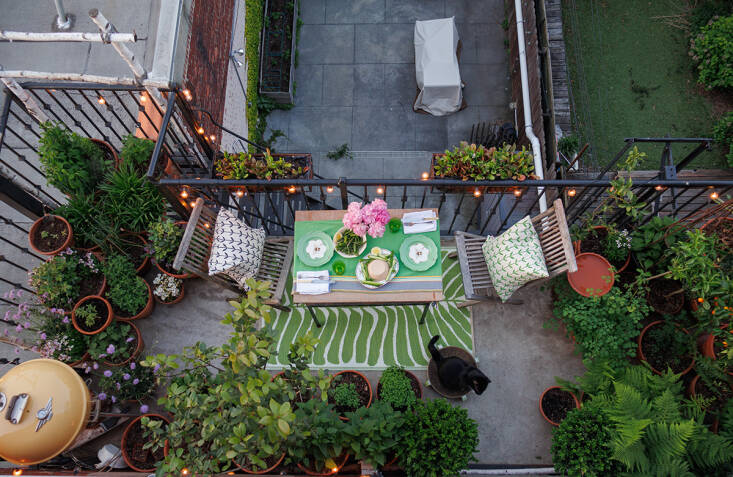
There were losses, too. One of three boxwoods didn’t make it, just two feet further from a sheltering wall than its companions. And I lost a treasured spicebush tree, grown from seed by someone who attended one of my botanical walks in the city. These were the only casualties after that bitter winter.
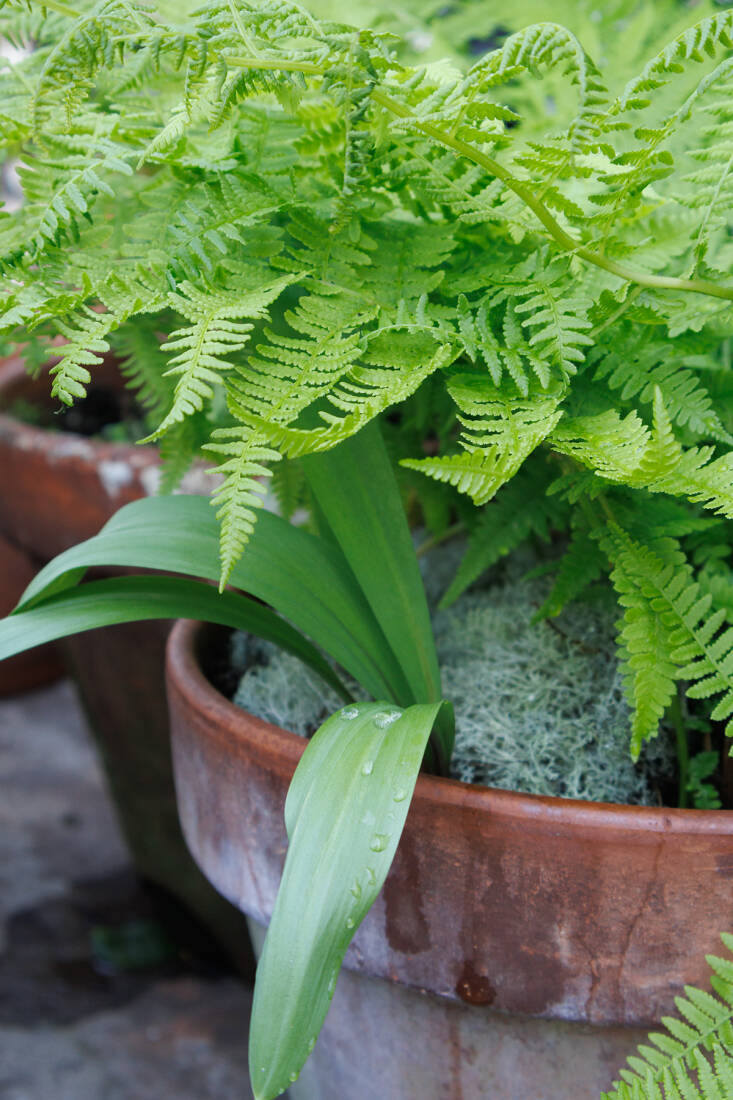
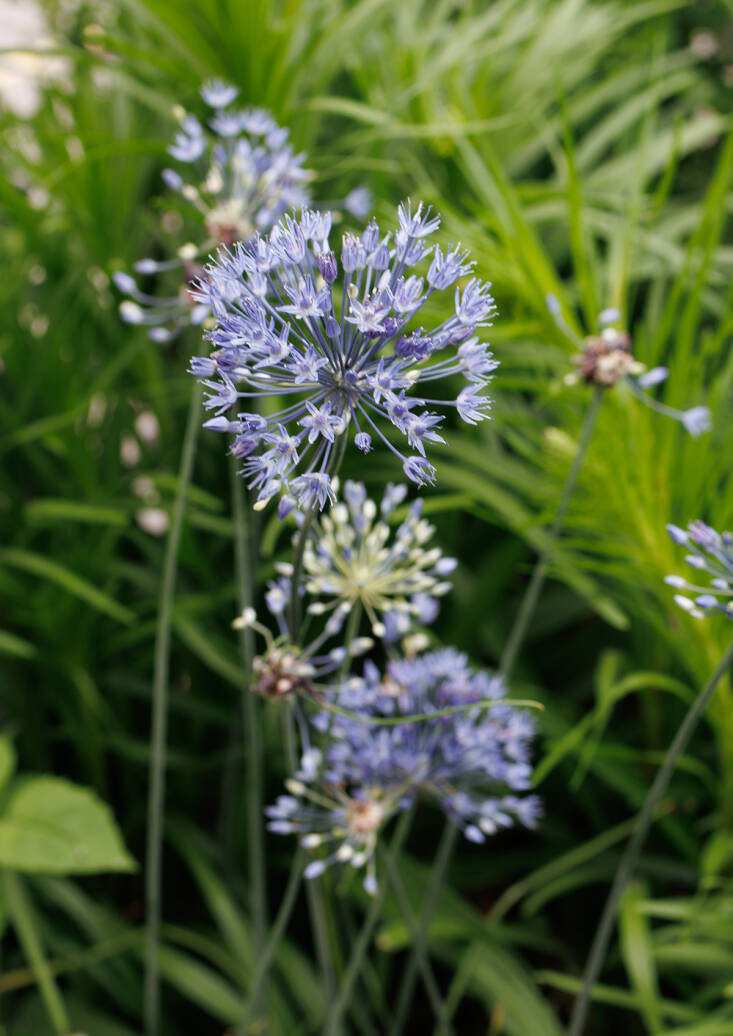
The ramps (Allium tricoccum) share pots with northern lady ferns (Athyrium angustum), whose tall, delicately broad fronds unfurl to create shade for the native wild onions. In June the ramps bloom, a single stem from the soil, their spring leaves long gone. The white flowers set seeds, which drop, and the plant returns to a sound sleep until next spring.
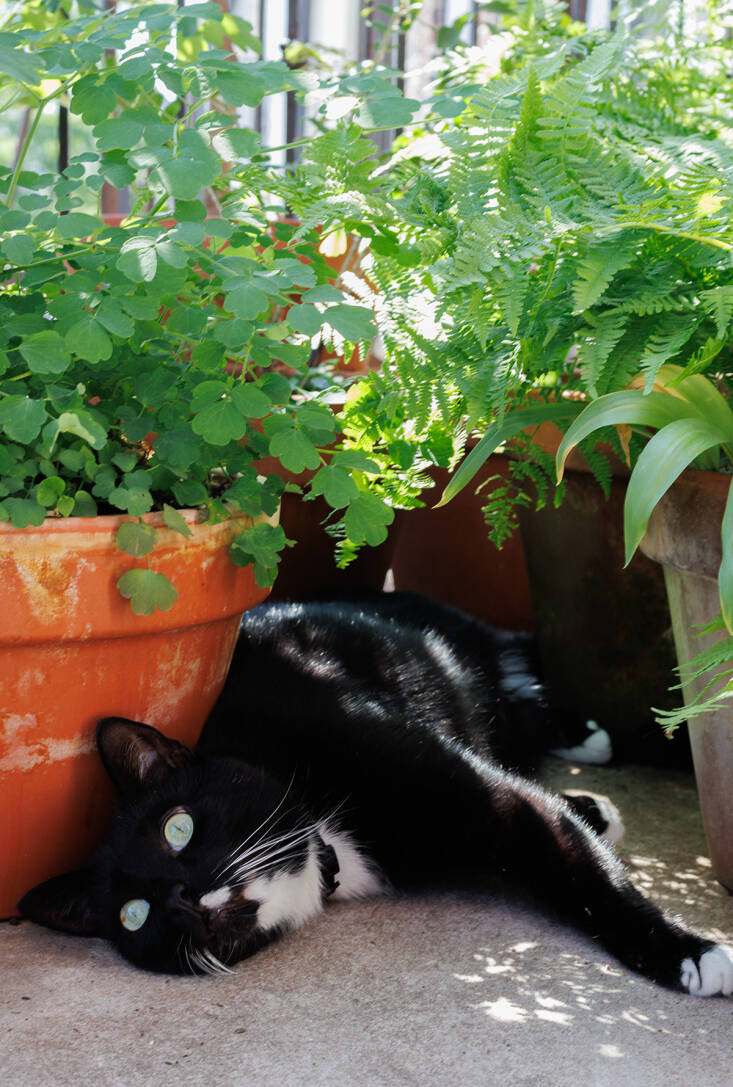
The ferns also offer welcome shade for our cat, Nkwe Pirelli, who treats the spot beneath them as his private cabin when he is outdoors (we do not leave him unsupervised because his killer instincts are death to our local bird visitors. We learned that lesson after a single Unfortunate Incident). At night we have seen a raccoon trundling beneath the leafy ferns on its patrols across the rooftops via the fire escapes and fences on our block. A small forest for this washing bear in the concrete jungle.
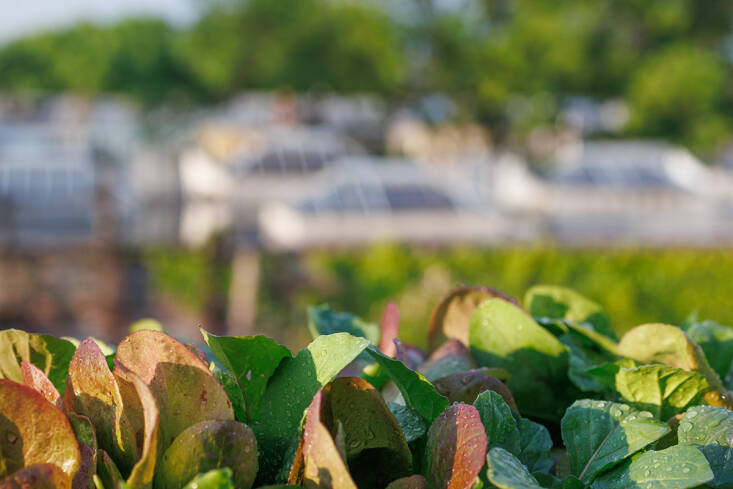
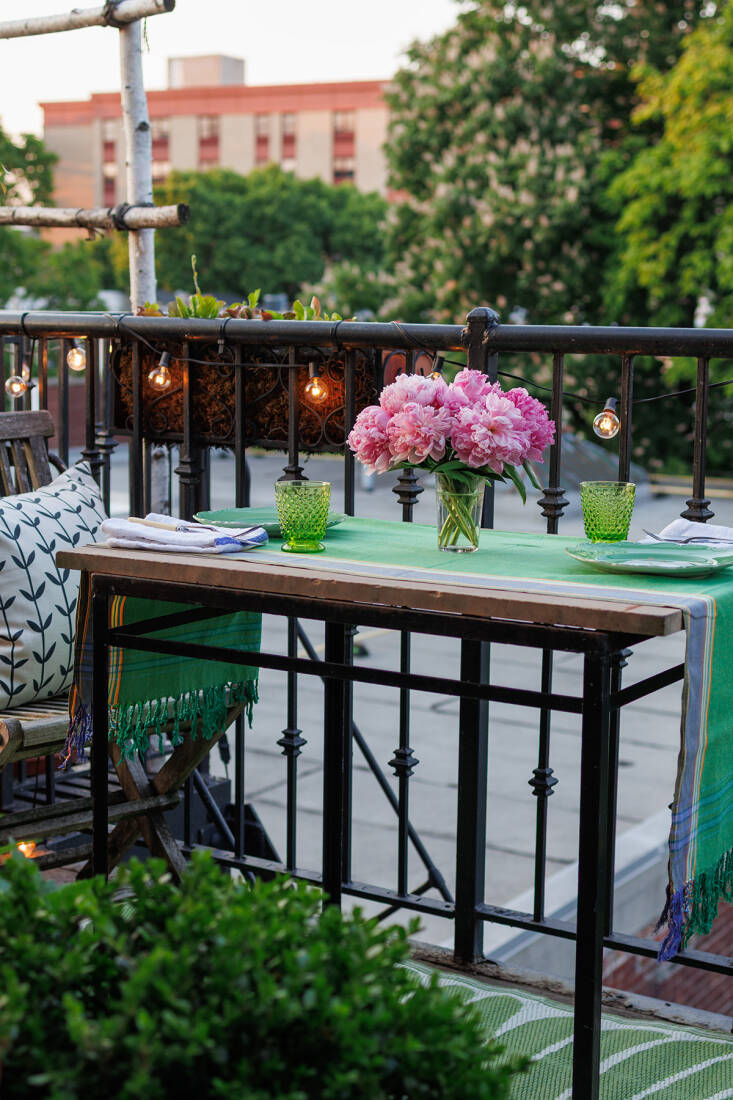
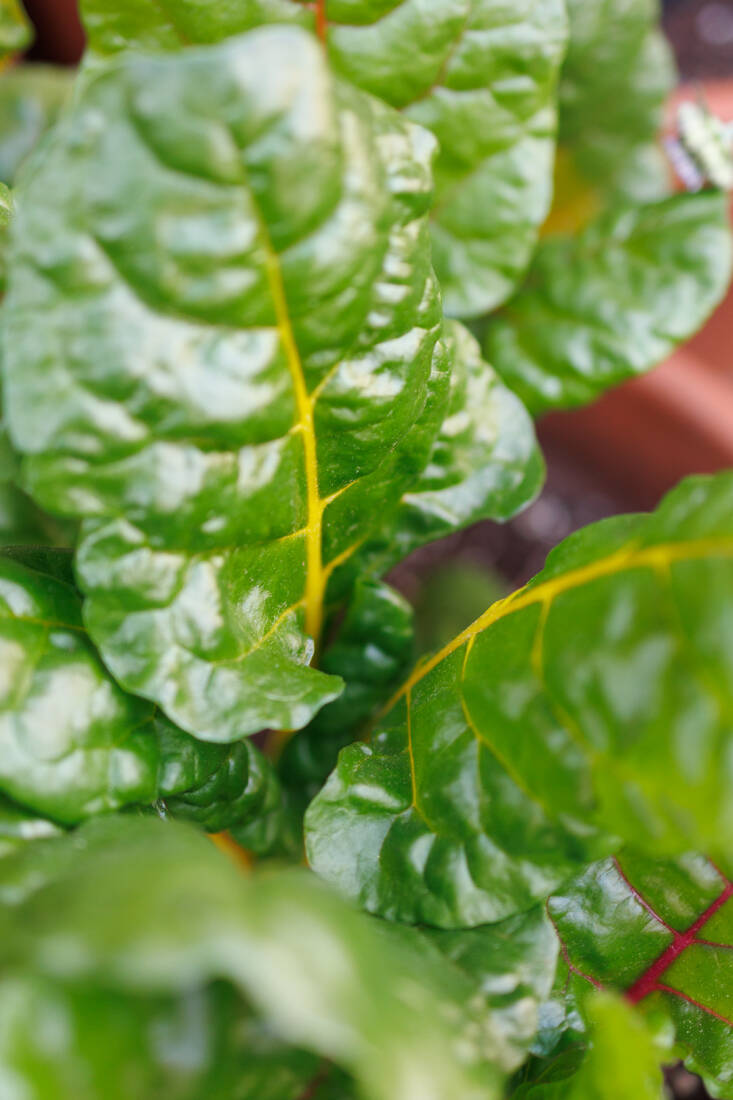
From early spring to early summer the windowboxes host cut-and-come-again mesclun mixes and indestructably delicious arugula. The cool-weather greens don’t mind the dips into cold overnights and at their peak provide us with daily salad fixings.
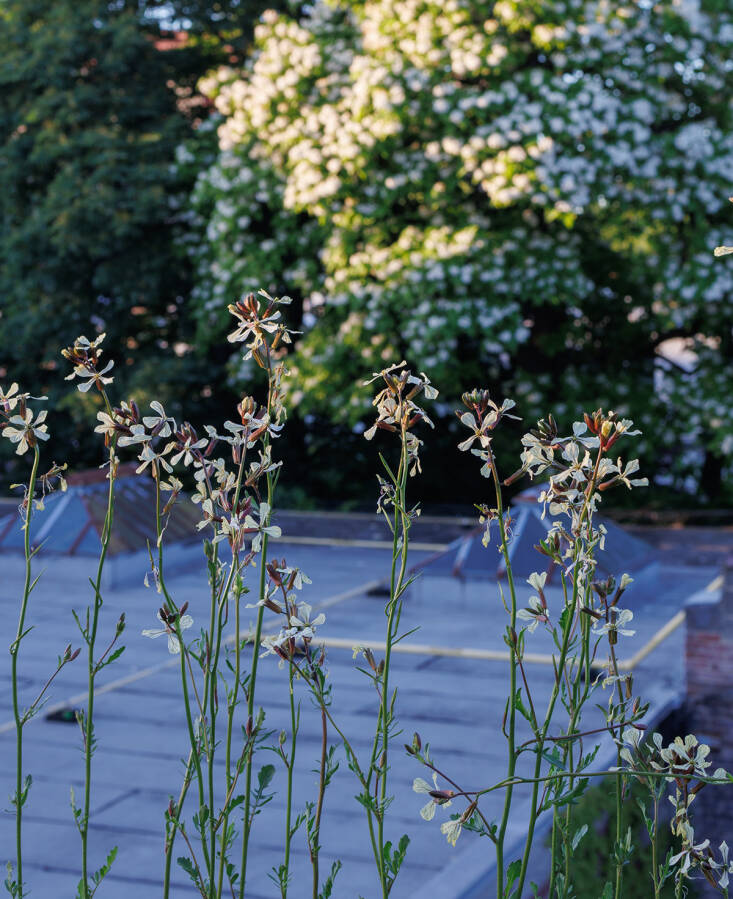
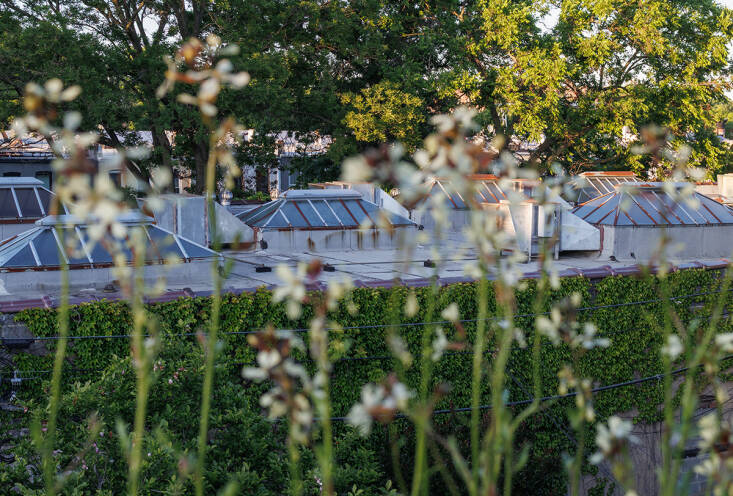
By the time the arugula has bolted (its peppery flowers join the salads) the regal catalpa tree soaring above the vintage industrial laundry that hugs our row of townhouses has erupted into white bloom so beautiful we toast it when we sip an evening drink. Soon, the salad leaves will be pulled to make way for African blue basil, a bee magnet that grows plush despite this limited space for its roots.
I checked the dimensions of our terrace garden just before writing this. Measuring your plot again seems a little like taking stock of your life from a perspective altered, remembering what you have and how and whether it matters. Would I wish for more space? Maybe. I would know how to use it. But I also know how all-consuming it can be, in terms of time and attention. The backyards below us are mostly unused—not gardens but yards, silent and empty but for their various infrastructures.
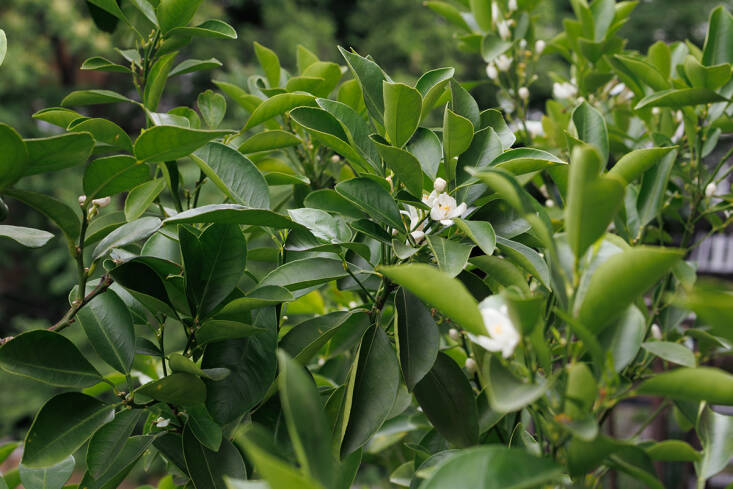
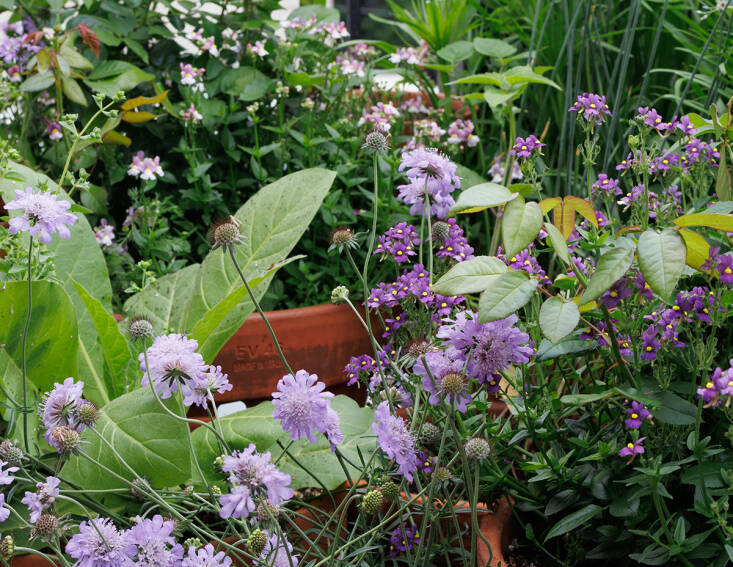
With a garden there is always something to look forward to: the fragrant Bolero roses are in bud, the flowering stems of the tall meadow rue, living up to its name, have not reached their zenith. Liatris and the pinched-back agastache have yet to bloom (the latter will repeat until frost). Those asters, which will flower for many weeks when the weather has turned cold again. And a new season of fruit on the now-blossoming finger lime and yuzu, calamansi and makrut.
I would wish a garden for everyone but the truth is that not everyone wants or values one. I think of all the people in this teeming city who don’t have one and who need to plant and grow in the way that I do. To observe and learn, to create and to provide, to soothe and to inspire. To have the seeds of beauty at your fingertips, in the soil, and the knowledge that watering and waiting will deliver something extraordinary—something that makes life as we know it on this planet possible, and often, bearable.
See also:
- Garden Therapy: 13 Gardening Tasks to Quiet the Mind
- Lessons Learned: Growing, Killing, and Reviving a Meyer Lemon Tree
- Spring Stroll: A Walk Through Brooklyn’s Windsor Terrace

Have a Question or Comment About This Post?
Join the conversation