


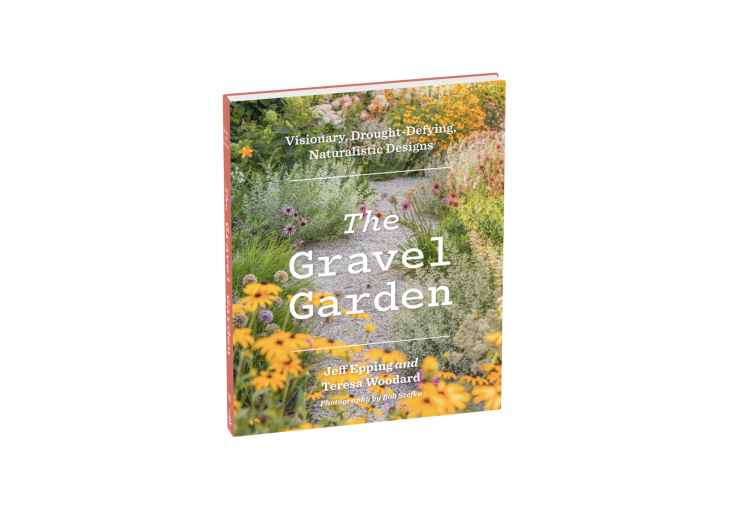
Most seasoned gardeners have heard about gravel gardening (or dry gardening), but chances are they haven’t tried it yet. A gorgeous new book, The Gravel Garden, aims to change that.
Gravel gardening, frankly, sounds a little weird, if not counterintuitive. You scrape away the topsoil, cover the earth with a thick layer of gravel, and plant right into the rocks. Then, after watering for establishment, you cease irrigating or fertilizing altogether. “It’s the opposite of the way we were taught to garden, right? More organic matter all the time, fertilize your plants, water your plants. But so often that leads to plants dying,” says horticulturist and garden designer Jeff Epping, one of the co-authors of The Gravel Garden. “Plants are tough and what we’re finding out from top garden designers around the world is that plants are better off in more impoverished soils with less fertility.” In fact, drought-tolerant perennials thrive in these conditions and the gravel suppresses weeds and conserves water.
Epping and his co-writer Teresa Woodard hope to persuade more gardeners to try this unique type of gardening. “We wanted to show people how beautiful these gardens can be,” Epping tells us. “Because oftentimes when I say ‘gravel garden,’ somebody just has this look on their face like, ‘Who the hell would want that? It sounds awful.’”
Talking to Epping or reading the book, it’s hard not to get excited about the prospect of a gravel garden (he describes a gravel garden as 80-percent less work than a traditional garden), but it is the photos that really sell the idea. Open The Gravel Garden and you’ll quickly be disabused of any notion that gravel gardens are mostly rocks. The 24 gardens featured in the book are lush, diverse, and just as pretty as any conventional garden.
However, Epping doesn’t want to just convince readers gravel gardening can be beautiful: He wants them to actually try it. So, the book is also filled with detailed advice for how to create and maintain one. The photo captions are particularly generous in their detail. This combination of inspiration and instruction makes it a title that both professional and home gardeners will find useful.
Curious to learn more? Here, Epping shares some basics of gravel gardening:
A gravel garden can be (almost) anywhere.
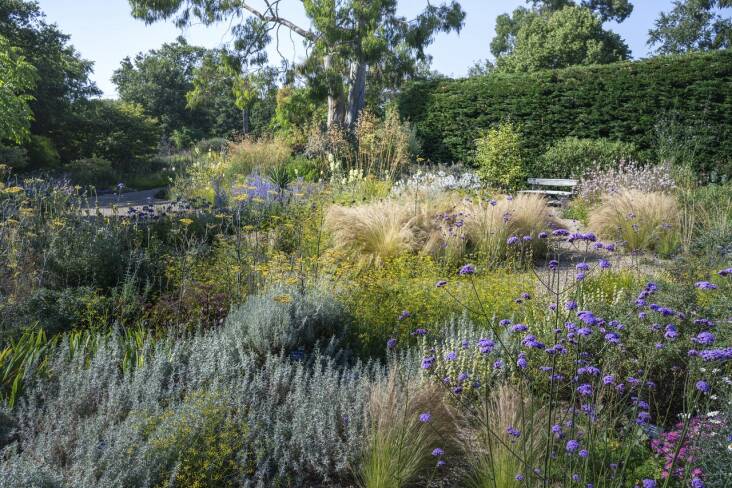
The Gravel Garden features home gardens, public gardens, urban plots, and others way out in the country. The book also includes gardens from many regions in both the U.K. and the U.S., ranging as far south as Texas. (Epping says he would have liked to shoot some in the western states, but time and budget did not allow.) Epping thinks a gravel garden can work anywhere that drought is a concern, but notes, “If you’re in a climate that’s very wet, you probably wouldn’t want one.”
A gravel garden is an ideal lawn replacement.
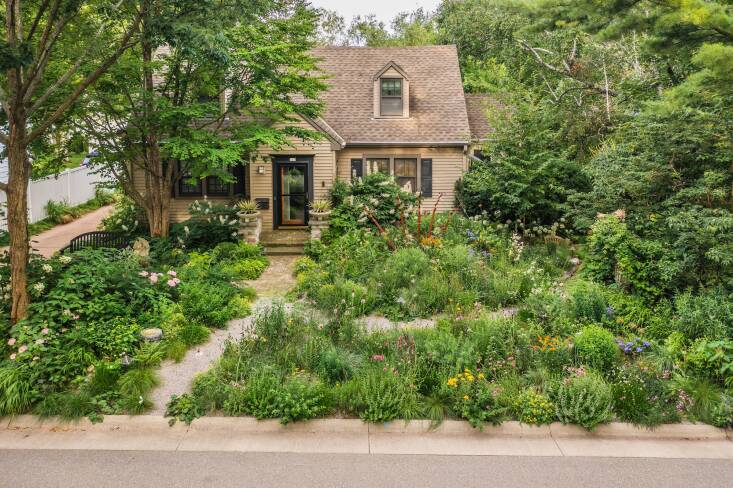
If you’re wondering where to put a gravel garden, look to areas currently covered in turf grass. “The number one garden element in the United States is the lawn. We have so, so, so much lawn,” says Epping, who replaced his own Wisconsin lawn with a gravel garden. He notes that lawn areas are often well-suited to a gravel garden because they’re typically in full sun. “Full sun is really what these gardens want to thrive,” notes Epping.
But don’t plant one under a tree.
Even if your chosen plants might tolerate some shade, Epping cautions against planting a gravel garden beneath trees. “In the beginning I tried creating gravel gardens in the shade of trees and the plants did just fine, but after about five years the organic matter built up in the gravel. We just could not keep up with all the debris that fell from trees.”
Gravel gardens are low—not no—maintenance.
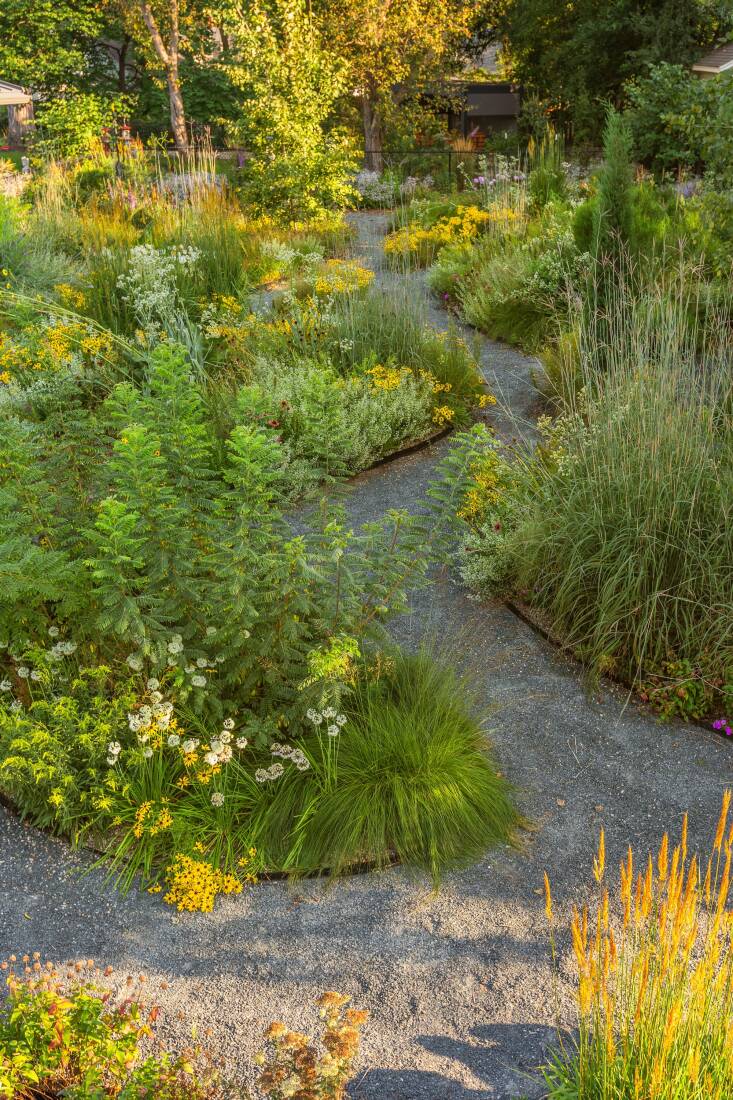
While gravel gardens don’t require mulching, fertilizing, or even watering, that doesn’t mean they’re completely hands-off. “It is super important that you do a thorough cleanup and remove all the organic matter from the garden so that the gravel does not get infiltrated with organic matter,” says Epping. Once organic matter builds up in the gravel weeds can find their way in.
It’s up to you how much gravel to show.

As the book’s photographs reveal, there are different gravel garden aesthetics. Epping likes to plant fairly close together, so that you don’t see much gravel when plants have leafed out. However, others like Sean Conway and Andrew Bunting prefer gardens with plants spaced farther apart to allow for more visible gravel.
Borders are a must.
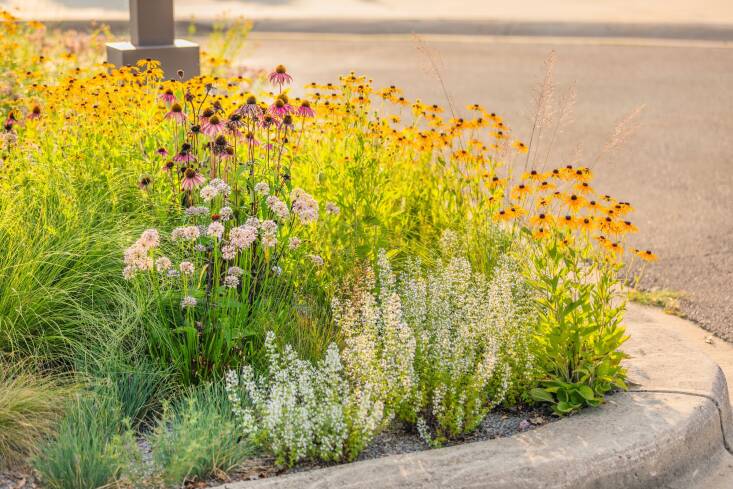
A successful gravel garden requires containment—whether that is some kind of garden edging material, the foundation of your house, a sidewalk, a driveway, or a curb. “You need to have that gravel five inches deep up to the very edge,” cautions Epping. “If you don’t bind the edge, the edges go down from five inches to four to three to two to none, and that’s where you get all the weeds.”
There are many ways to start your gravel garden.
Epping shares step-by-step instructions for creating a gravel garden, but he’s quick to point out there is no one correct way to create a gravel garden. At Chanticleer Garden in Pennsylvania, horticulturist Lisa Roper mixes the existing soil and grit with the gravel, and tops it with a little bit more gravel (this means there are weeds, but she likes the spontaneity of self-seeders). When Conway covered over a former vegetable bed to create a gravel garden, he spread his gravel nearly 12 inches(!) deep.
- Garden Visit: Beth Chatto’s Courtyard Scree Garden
- The Low-Impact Garden: In Coastal Australia, a Gravel Garden Inspired by the Wild
- Lessons Learned: My Gravel Garden that (Almost) Looks After Itself



Have a Question or Comment About This Post?
Join the conversation