

This is part of a series with Perfect Earth Project, a nonprofit dedicated to ecological gardening, on how you can be more sustainable in your landscapes at home.
Fall used to be a time of endless raking and cutting back perennials, but now that we’re leaving the leaves and stems the way nature intended, we have more time to do things we enjoy in the garden, like sharing the native plants we love with friends. What can be better than giving plants you know have been grown organically, coming from a gardener they know and trust—the very best provenance.
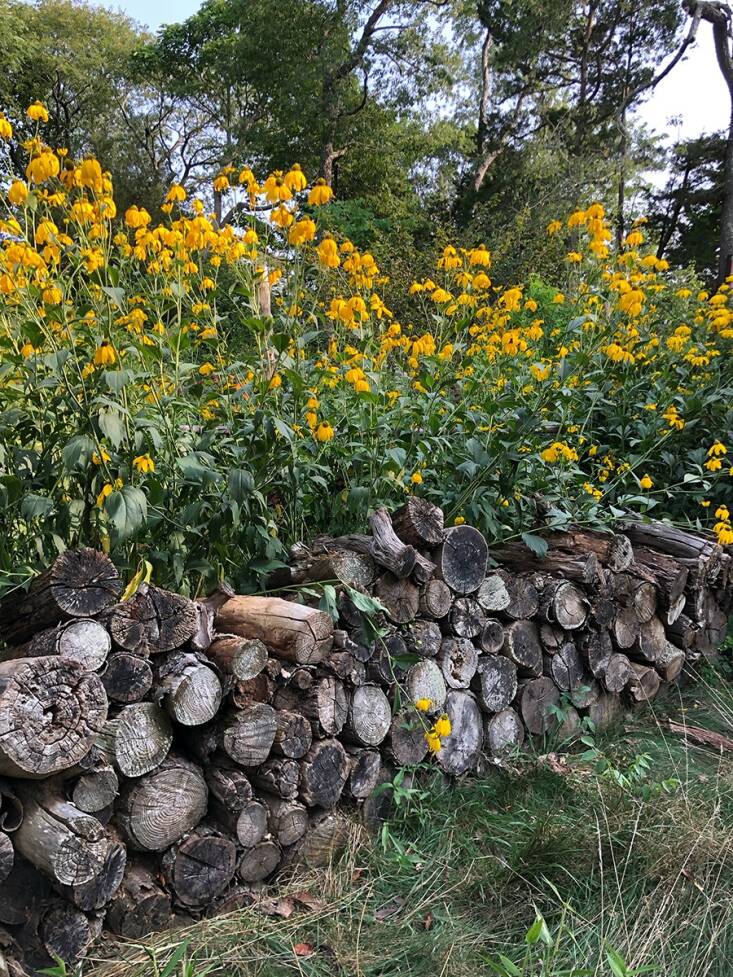
Sharing native plants also helps fill in the gap in supply now that more people want to grow them. These value—and valuable—plants are beautiful and beneficial to the ecosystem, supporting pollinators, who nibble their leaves and drink their nectar, and birds and animals, who feast on their seeds. Sharing plants is also a fun way to edit your garden, thinning out or moving, shall we say, particularly exuberant varieties—we’re looking at you, Rudbeckia, Coreopsis, goldenrod, and Aster, to new homes.
Photography courtesy of Perfect Earth Project.
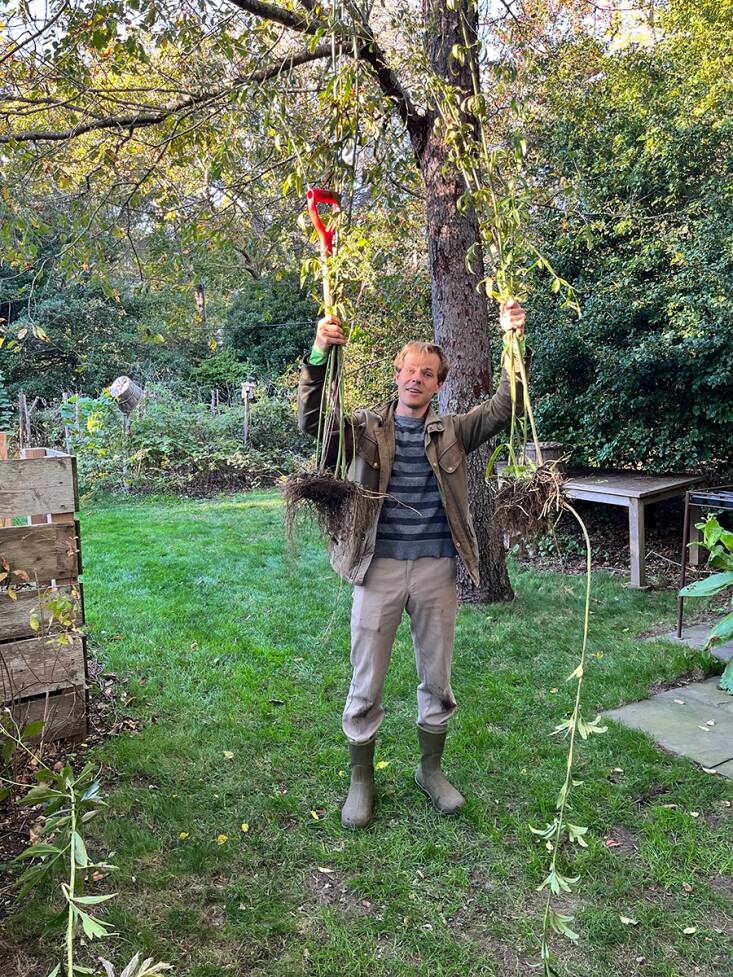
“Fall is ideal because you don’t have to worry about stressors like heat and drought,” says landscape designer and Perfect Earth Project founder Edwina von Gal. Plus, in fall plants are easier to identify since their blooms or foliage are still visible. Be sure to plan your digging when your friends are available to plant them quickly, she advises. “It’s important not to let the roots dry out, so never leave recently dug-up plants out in the sun,” she says. Here’s where you can put those plastic nursery pots you’ve been saving to good use. Once you dig up the plants, pot them up to share. When replanting, remind your friends to tamp down the soil to make sure there are no air pockets around the roots and to water them well.
One note to consider: Keep a watch on warm-season plants, those that thrive during summer’s heat. Since their roots aren’t actively growing in the fall and winter months, plants that haven’t rooted in well, especially those with small root systems, can “heave” or rise out of the ground during freeze and thaw cycles. Don’t let it deter you. If this happens to your newly planted plants, don’t worry. Simply push them back into the ground. As Rosemary Verey once told von Gal when she visited Barnsley House, “The time to take a cutting is when it is offered.”
Spread the love and the joy this season and give some stellar native species to your friends and neighbors before the ground freezes. Here are von Gal’s suggestions for three different types of plants.
Flowering Perennials
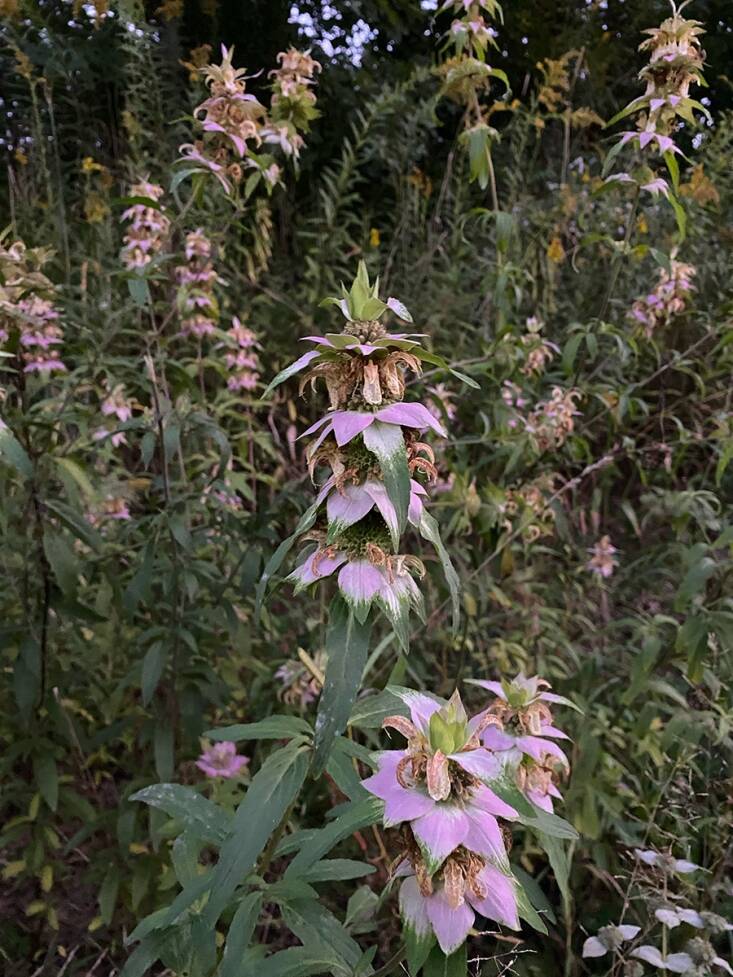
Plants that spread horizontally by rhizomes or stolons are especially easy to share since their roots don’t tend to grow all that deep. Using a garden fork gently tease out or loosen the soil around the plant you’re going to divide. For plants with massive root systems, a sharp spade might be needed to separate them from their community. Pull up a clump, making sure each division has both roots and shoots intact.
We know we recommend leaving stems standing over the winter for wildlife. But for some transplants “it’s important that the roots stay stable when you place them in the ground,” says von Gal. If the plant is big and floppy, like tall Coreopsis, it’s okay to cut it back, to a foot or so, depending on how stable it feels to prevent it from moving too much and potentially uprooting after replanting, she says. If you are very energetic, staking is also an option.
Ferns
Use a fork or spade to break apart ferns with creeping rhizomes, like hay-scented, sensitive, and ostrich ferns. Divide the plants, making sure there are lots of roots and place them in moist shady locations. They are best planted quite shallow with lots of leaf mold or compost.
Shrubs
Some shrubs, like elderberry, produce offshoots or suckers. Dig them out with a sharp spade, being careful to keep the roots intact, and then plant them in a new spot. Stake any that might blow over in the wind to keep them upright.
Need the right tools for fall gardening? Browse our Shop Our Picks page for editor-approved finds.
See also:
- Time to Thin Out the Garden? How to Divide (and Multiply) Popular Perennials
- Secrets of an English Head Gardener: How to Transplant Shrubs and Perennials
- Autumn Reset: ‘Fall Is an Ideal Time to Rebuild Your Yard’s Long-Term Health’


Have a Question or Comment About This Post?
Join the conversation