

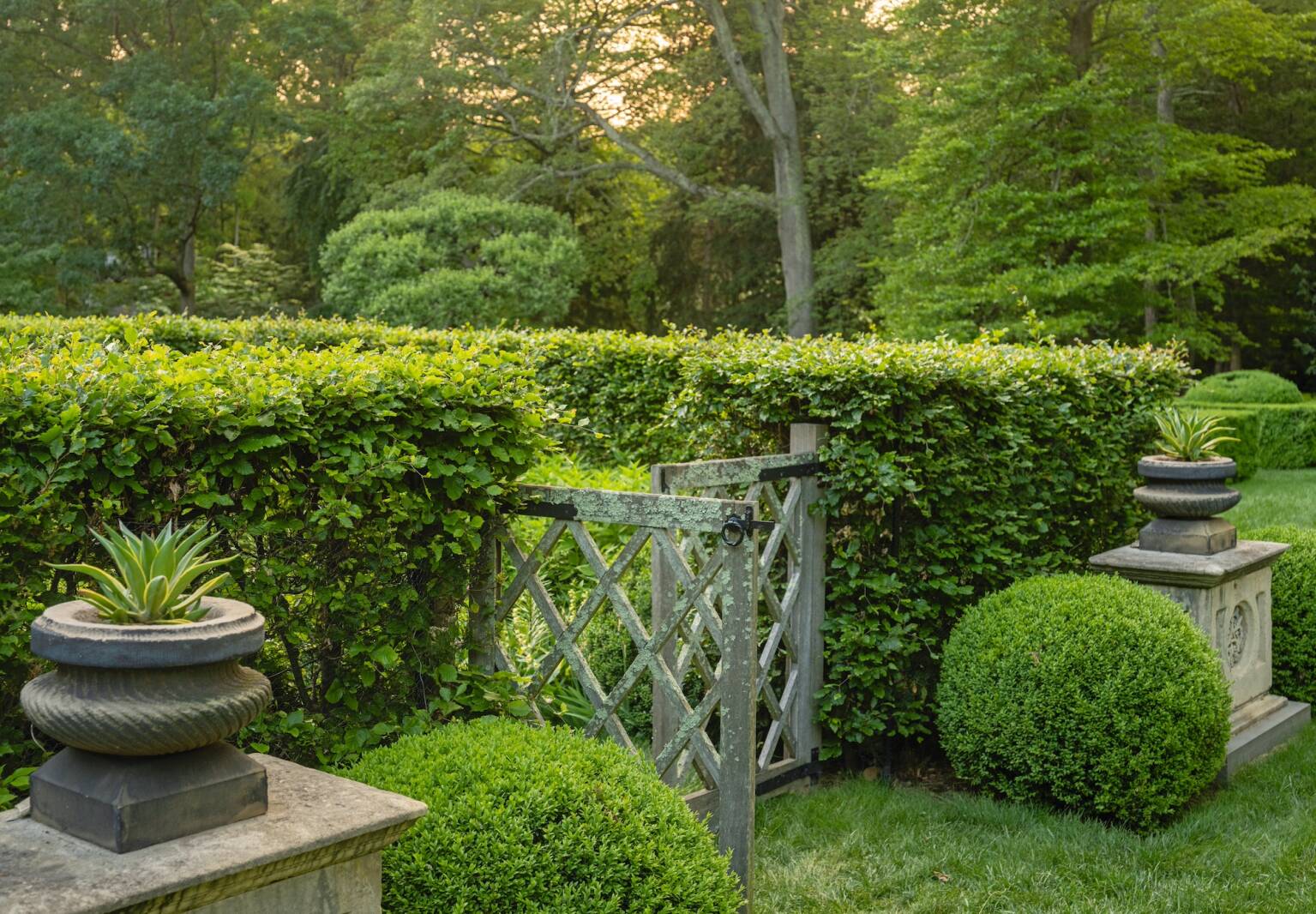
The most immersive garden books are often a monograph of a particular designer’s work in which you can experience their singular vision applied across many different conditions. We have a soft spot for books that are even more focused: Those devoted to a single garden.
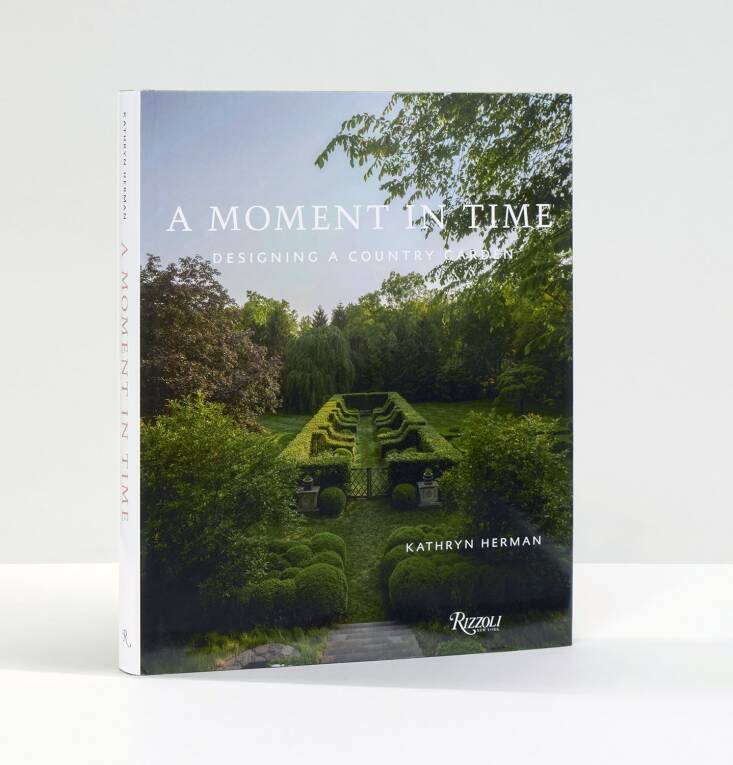
Landscape designer Kathryn Herman’s A Moment In Time tells the story of her own garden in Fairfield, Connecticut. With 28 years stewarding her 20-acre property under her belt, it is no surprise that Herman could fill a book with just this garden. (It’s also a garden already beloved by the hundreds of people who have visited it through the Garden Conservancy’s Open Days program.)
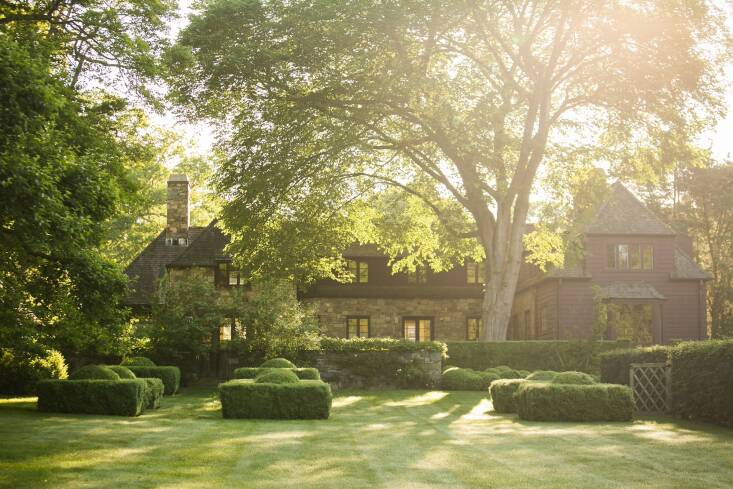
In 1998, Herman bought her property, a piece of the former Pepperidge Farm (yes, the baked goods empire), which had been divided up. Herman’s parcel is composed of a secondary building and several smaller structures—a grooms’ cottage, garage, caretaker’s apartment, and gamecock house. Around the main house, Herman has carved out a series of clearly defined garden rooms that are also the organizing principal of the book.
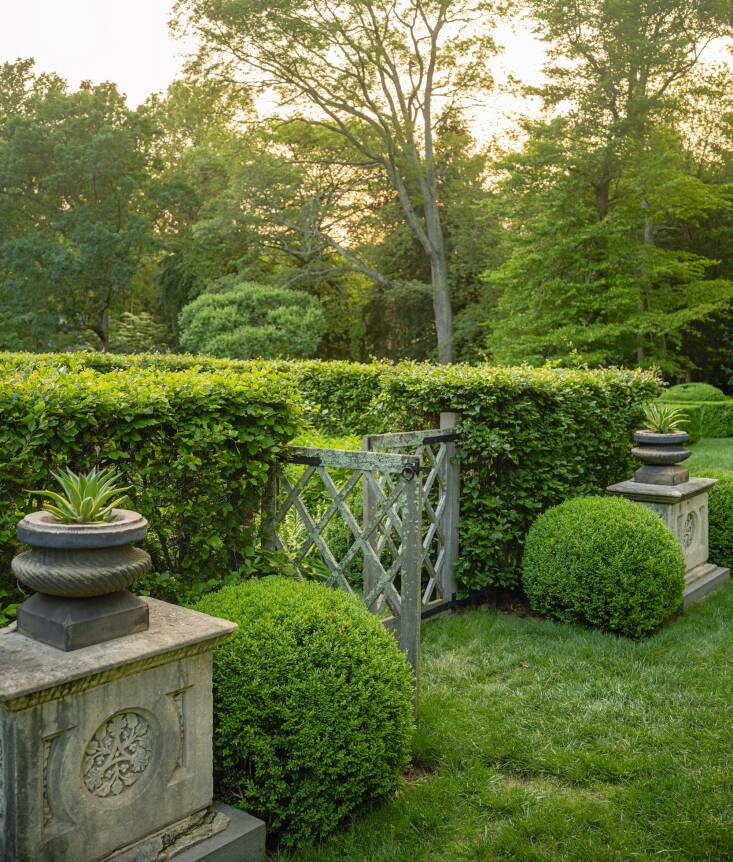
Paging through A Moment In Time, there are many dreamy images to linger upon, and there is much to appreciate about a landscape that has evolved over nearly three decades. We see the garden in all four seasons, over a stretch of many years. “Gardens are never fully completed because they’re ever-changing, but it is important to be able to go back and document how they change and evolve,” says Herman. The book is not just a gorgeous document of place, though; Herman shares her garden design philosophy on these pages, and there are many lessons that gardeners of all levels of experience can take away.
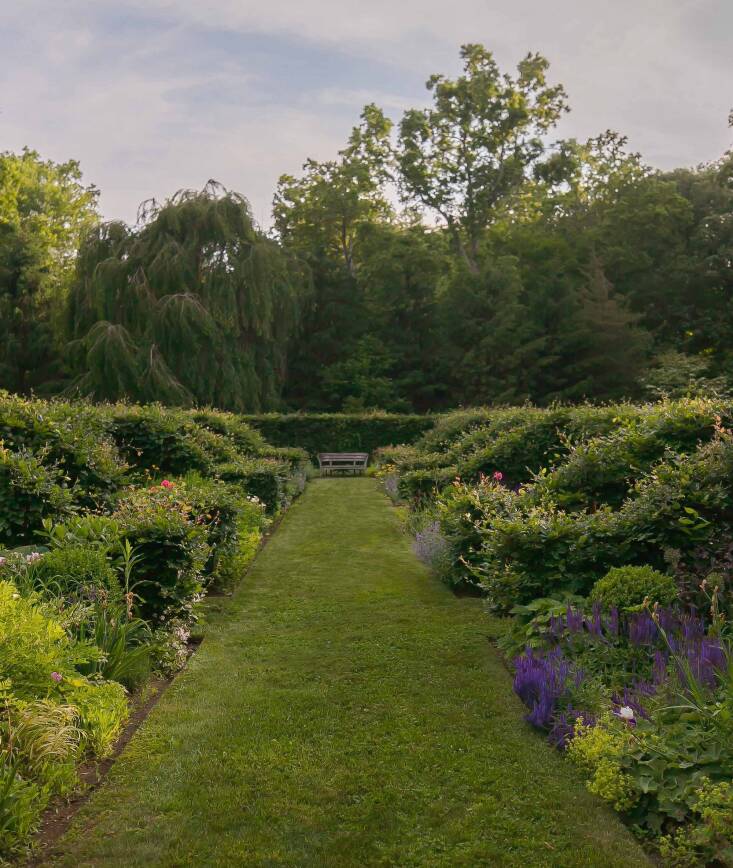
Seven essays, tucked between chapters on the garden rooms, go deep on topics like hedging (a strong presence in Herman’s garden, including many hundred-year-old yews). “The essays allowed me to talk more fully about different things that I put into practice, not only for myself, but for my projects for others,” Herman tells us.
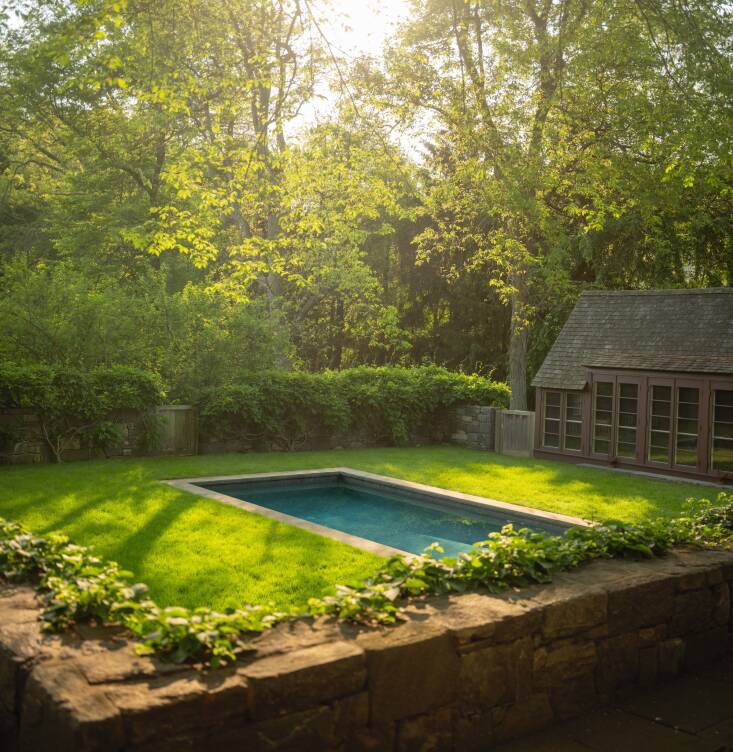
Herman is also especially generous with the details, like a friend offering insightful advice. For example, here’s her precise description of her pool: “The pool measures 12 by 24 feet, mirroring the dimensions of the original gamecock house, now a dining pavilion. Three inch-thick, rock-faced bluestone coping edges the pool, which is finished in a French gray plate.” Likewise, her notes on plants are conversational and useful, like when she describes Orlaya grandiflora, Herman tells the reader, “It self-sows easily, making groupings achievable, but is not problematic or invasive.”
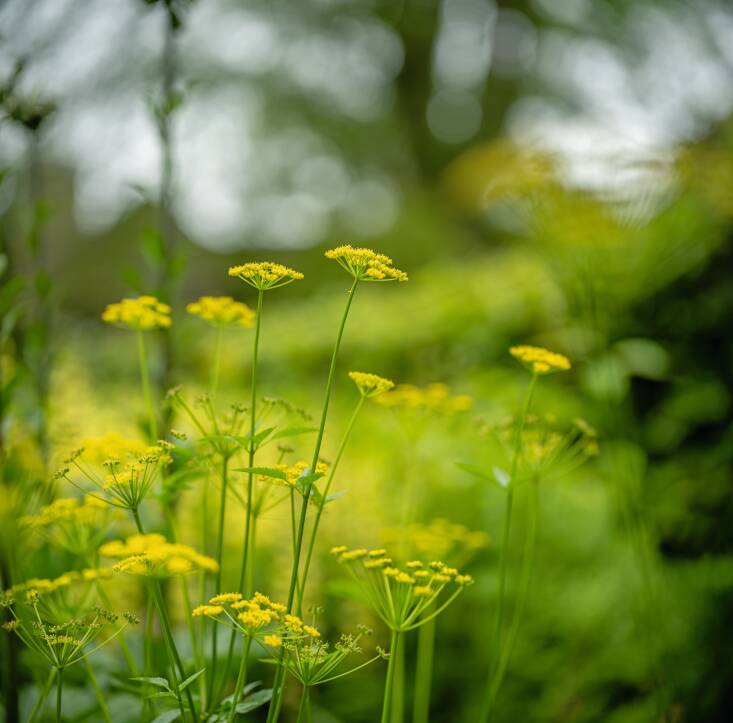
Herman is clearly a devoted plantswoman. The book features many hero shots of specific plants (all helpfully labeled). Of those close-up moments, she tells us, “I think it’s really important to have that sense of intimacy, paired with big, broad shots for context.” Herman says there easily could have been more, noting “it is about all those individual pieces that make up the greater whole.” Herman has included a Resources section at the back of the book with all her favorite places to buy plants, seeds, and garden ornaments, which will be of particular interest to gardeners in her region.
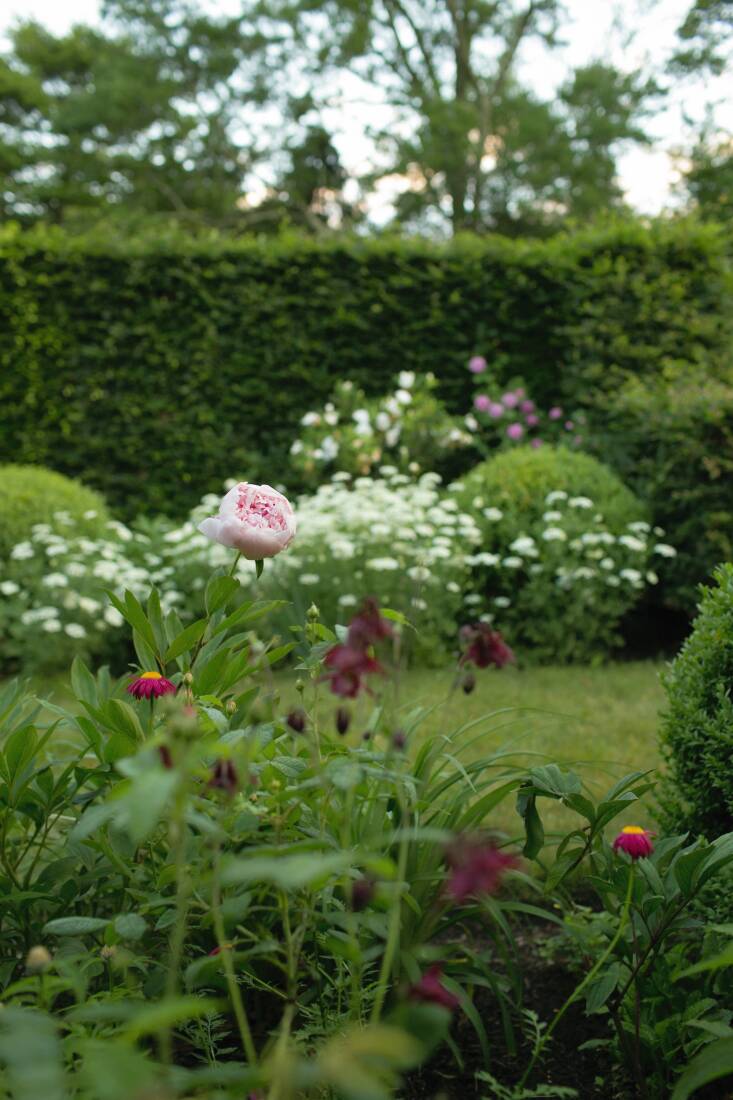
This book will appeal to anyone with an appreciation for formal, English-inspired gardens, but is also a surprisingly intimate book that any seasoned gardener will relate to.
See also:
- ‘Not Really a Garden at All’: Artist John-Paul Philippe’s Lightly Edited Landscape in Connecticut
- Homeward Bound: My Childhood Connecticut, Only Better, at Dirt Road Farm
- Garden Visit: Classic English Garden Style at Hollister House in Connecticut



Have a Question or Comment About This Post?
Join the conversation