

With the start of the new year, our minds are a-swirl with ideas for what we’ll do in our gardens come spring. For inspiration, we asked garden and landscape professionals to tell us the changes they’re planning for their own gardens this year. Their answers run the gamut from ecological resolutions to fixes for eye sores, but one common thread runs through them: landscapes are always changing—and these garden pros aren’t bothered by that. They simply have to keep up and change alongside them.
Rethinking lawn removal.
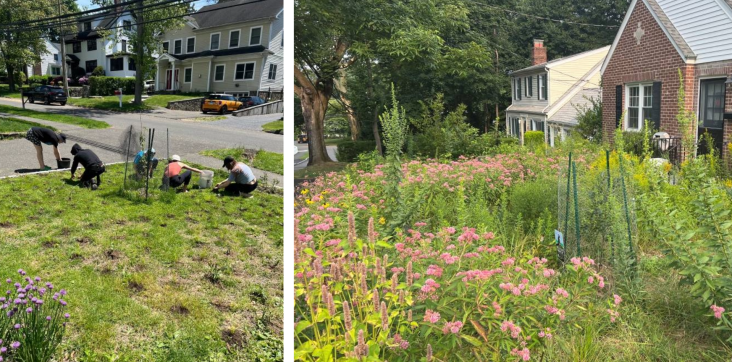
Heather Evans, co-founder of Design Your Wild, a newsletter and online community, says she’s not removing gras—even though she’ll be decreasing the amount of lawn in her new yard by more than 50 percent. “Instead, I’ll be planting hundreds of native trees, shrubs, and perennials into the existing lawn. The turf will act like mulch while the natives grow in and will eventually be crowded out by them. After trying every method of killing lawn before planting, I realize it’s often not necessary and even harmful, inviting invasives, disturbing the soil microbiome, and causing compaction.”
Trying a new palette.
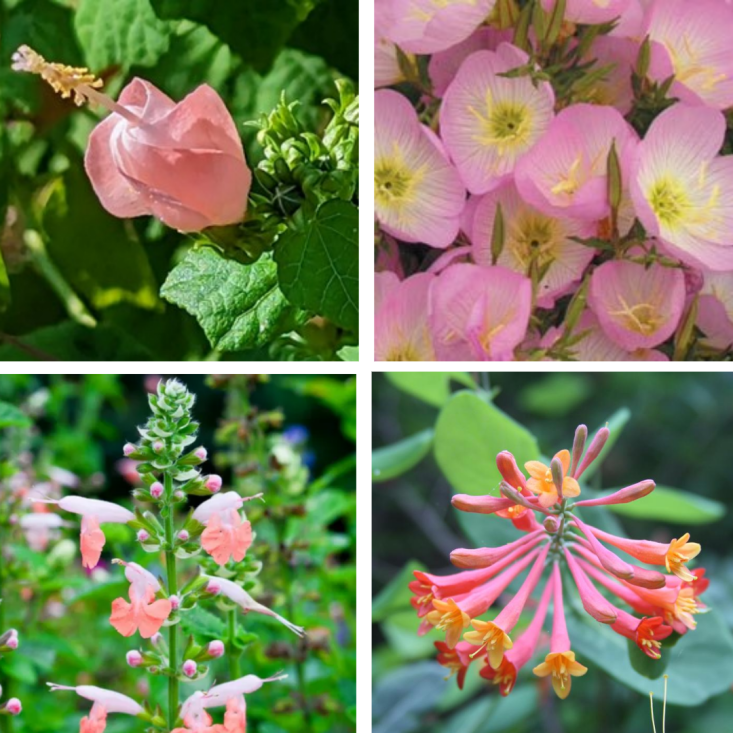
Evans is also making an aesthetic change in her new Florida garden: She’s thinking in pink. “I’ll be planting species—and even cultivars!—from beyond my native range to execute my white-pink-coral floral palette,” says Evans. “I’m loving Texas natives like showy primrose, Drummond’s phlox, and pink Turk’s cap, in addition to Florida native trumpet honeysuckle, pink scarlet sage, and Pinxter azalea.” While maintaining her palette, Evans is planning to plant “two thirds for the birds” (at least 70 percent locally native species to support birds and butterflies). “I’m relying heavily on locally native shrubs and trees. I’m especially excited about white-flowering fringe tree, flatwoods plum, and Walter’s viburnum.”
Dealing with an eyesore.
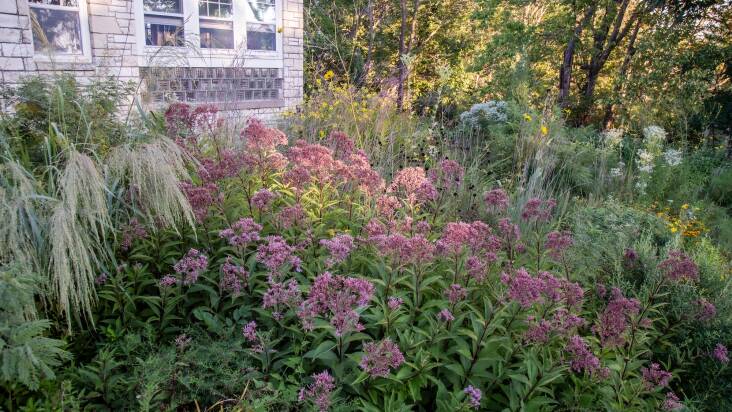
The biggest change author, horticulturist, and garden designer Kelly Norris will embrace in 2026 is disguising an ugly addition to his yard: A newly-installed heat pump and exhaust vents. “It’s a reminder that home improvements, however necessary, can significantly change the experience of a home garden,” says Norris. “After lots of hand-wringing and probably much eye-rolling from our plumbers, we located it in a spot we deemed least visually consequential. It’s still a bit of an eyesore that will require reworking our prairie border, but the upside is that the old A/C condenser unit is no longer in our outdoor entertaining area.”
Learning a new skill.

Garden designer Susan Nock, founder of Thistle in Wellesley, Massachusetts, says she has several changes she hopes to make this year, among them is one goal all gardeners might take to heart. “This is my year to learn to sharpen my own tools,” says Nock. “Like most gardeners, I am hard on my secateurs and snips. While I clean and disinfect them when trimming plants that may have diseases or pests, I have not had them properly sharpened for many seasons. But this year I ordered a sharpening stone and oil from Niwaki, one of my favorite sources for garden tools, and am ready to start restoring them this January.”
Planting endangered species.
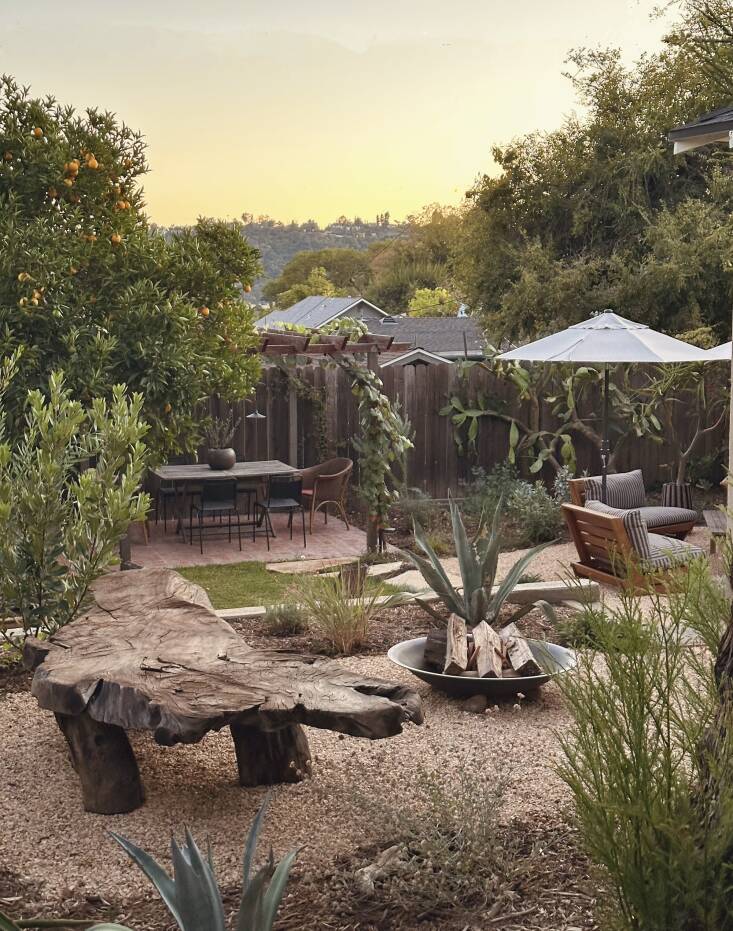
Out in Los Angeles, garden designer Fi Campbell has conservation on her mind. She says, “My goal for the coming year is to plant more endangered native species, including Malacothamnus fasciculatus var. nesioticas, a shrub native to California.” Campbell also has designs for a little bit of guerilla gardening: She plans to sow California native wildflower seeds on the parkway and public hillock across the street.
Seeking out hyper-local seeds.
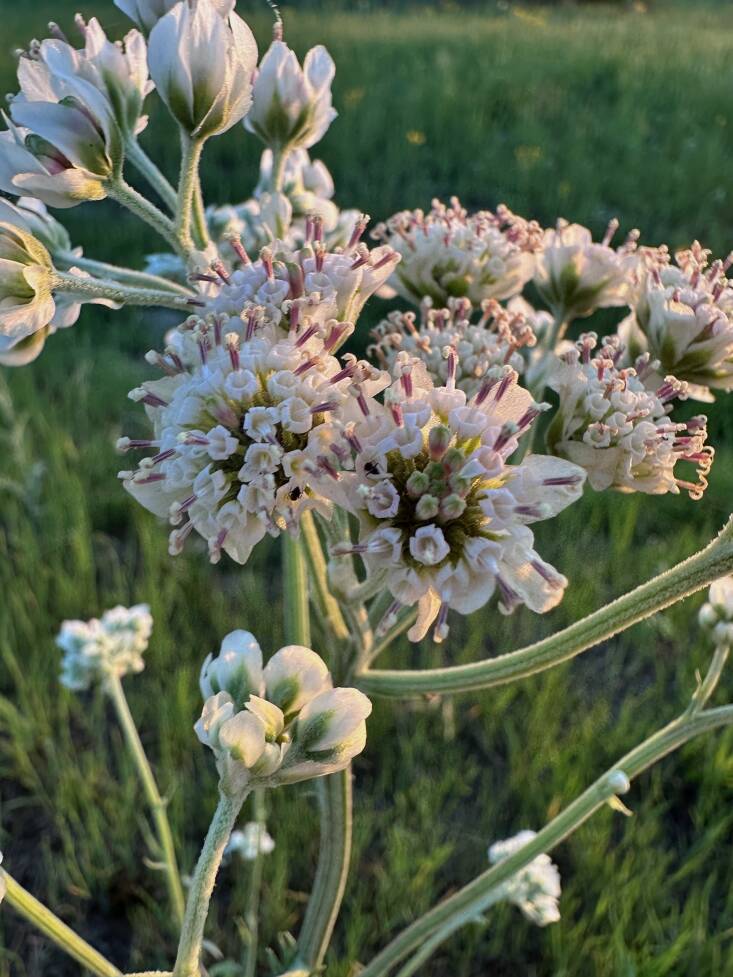
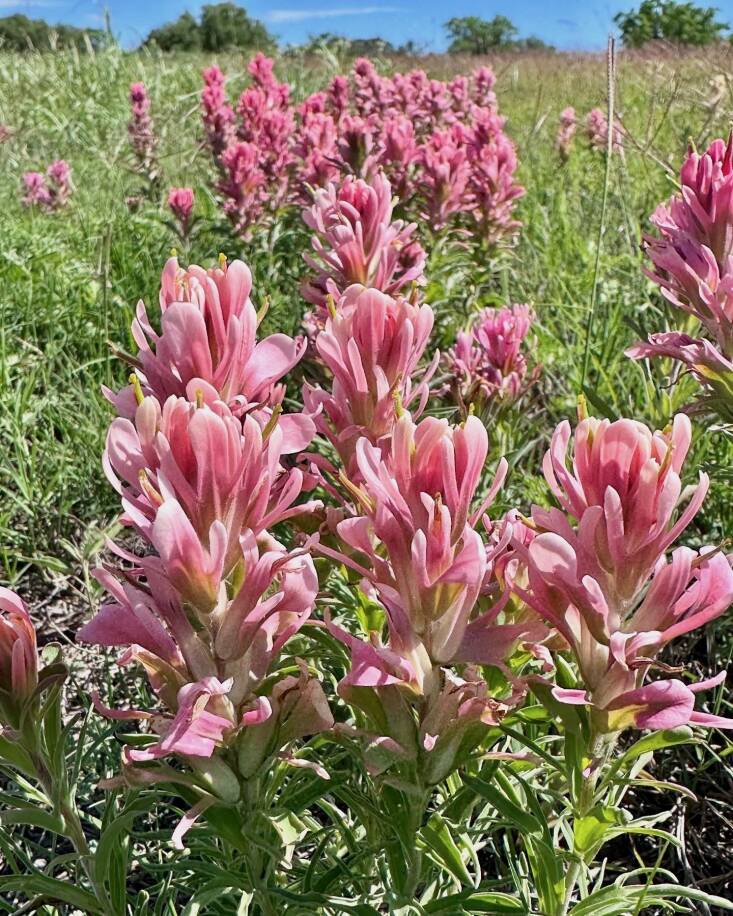
When we reached out to Blackland Collaborative, an ecology based consulting group in Austin, Texas, all three of the firm’s principals shared a personal garden goal for the new year. Co-founder Emily Manderson says, “This year I’m going to focus on seeding more.” She adds “I want to push myself to locate hyper-local genotypes of species that aren’t commercially available. We gardeners need to be the drivers of biodiversity, and it can start with our yards.”
Making space to gather rain.
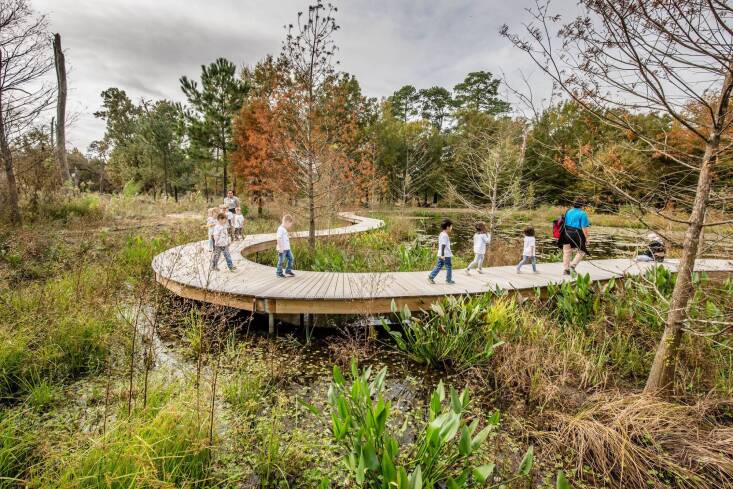
Michelle Bertelsen, another principal at Blackland Collaborative, is aiming to incorporate more micro-topography into her garden. “I want to hold onto the few and far between rain events that we get in Texas. A lot of our firm’s large-scale restoration projects incorporate low-impact development features, or vernal pools. I plan to create the “sponge effect” in my own yard by incorporating small depressions throughout the property. You won’t really see them when the grasses and forbs are growing, but each little depression will allow the land to hold onto the most vital of gardening resources.”
Diversifying a lawn.
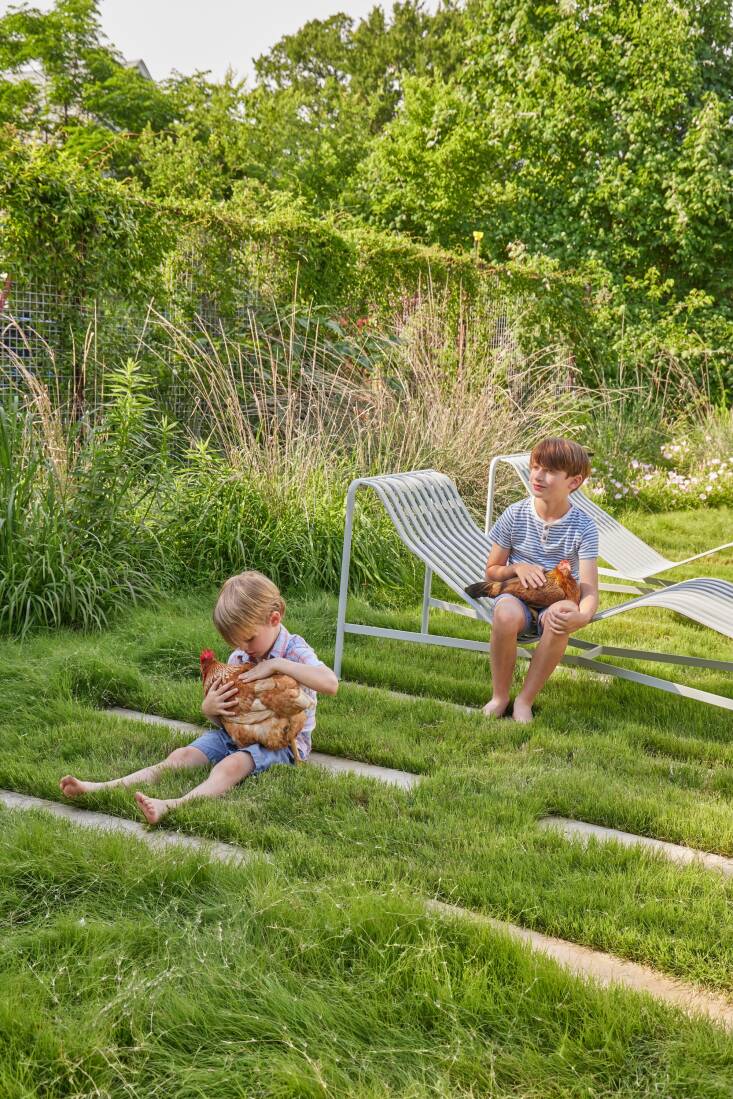
Blackland Collaborative’s third principal John Hart Asher, whose home is featured in our new book The Low-Impact Garden, tells us he is going to focus on further diversifying his native grass lawn area. “While we were at the Lady Bird Johnson Wildflower Center we developed the native species and drought tolerant Habiturf™. This mix of shortgrass prairie species features three great grasses, but during our research phase we had seven species, and that mix outperformed almost all currently used turf varieties. Unfortunately, four of the species were not, and still aren’t, commercially available,” he says. “I’m adding species that were originally included in the research mix such as slender grams (Bouteloua repens), Texas grama (Bouteloua rigidiseta), hairy tridens (Erioneuron pilosum), and little barley (Hordeum pusillum). I’m also adding some color by adding blue eyed grass (Sisyrinchium angustifolium), which isn’t really grass—it’s in the iris family and flowers periodically—but the leaf structure resembles grass blades, so you can sneak it in.”
Adding art.
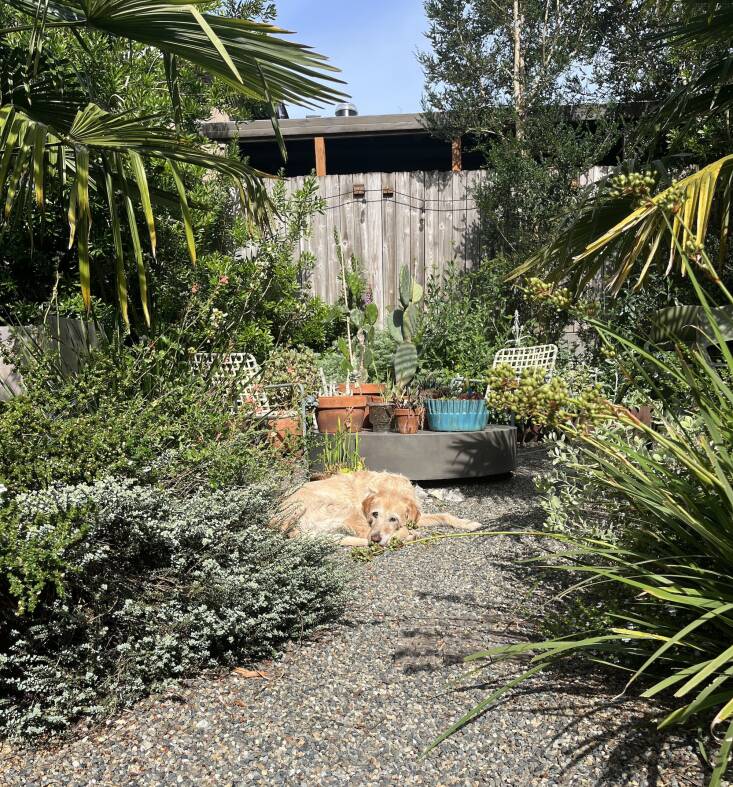
Landscape designer Naomi Goodman, the founder of Seattle’s Firecracker Design Studio says, “This year, I’m most excited about designing and installing some long desired art pieces. I lost a tree in my back border several years ago. This spot is a key, visual sight line from my back deck through the central planting beds, to the assorted seating areas. The loss has become a great opportunity to create a fantastic visual anchor for the garden that I originally hadn’t planned.”
Sitting back to observe.
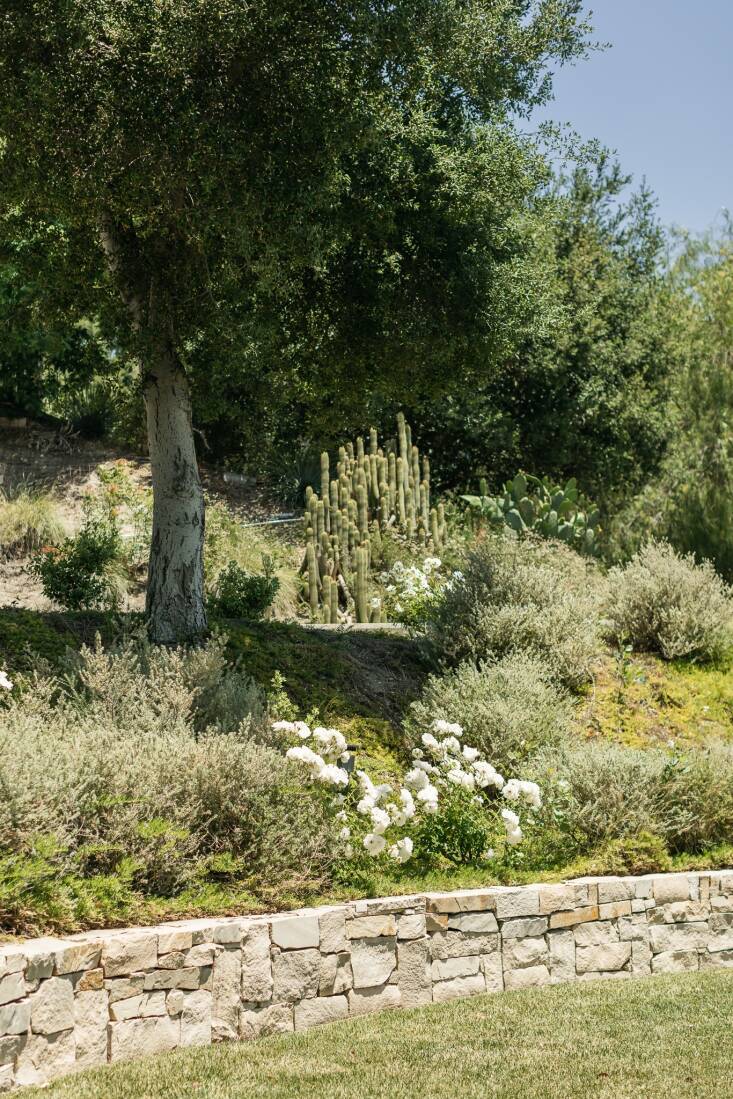
“In my own garden this year, I’m editing less and observing more. I’m allowing certain self-seeders and understory plants to establish where they naturally appear, treating those moments as information rather than something to immediately correct,” says Mintee Kalra, the founder of Peruse, a landscape design firm in Los Angeles, whose own garden is still very much a work in progress. “I’m currently rebalancing the soil to suit the topography of the Santa Monica Mountains after decades of neglect, which is a slower, long-view approach rather than an immediate visual moment.”
See also:
- The Year in Gardening: Looking Back With Joy (and Looking Ahead With Hope)
- Greatest Hits 2025: 10 Ideas for a Lawn-Free, Low-Impact Front Yard
- Out With the Old: 7 Bad Gardening Habits to Break Now



Have a Question or Comment About This Post?
Join the conversation