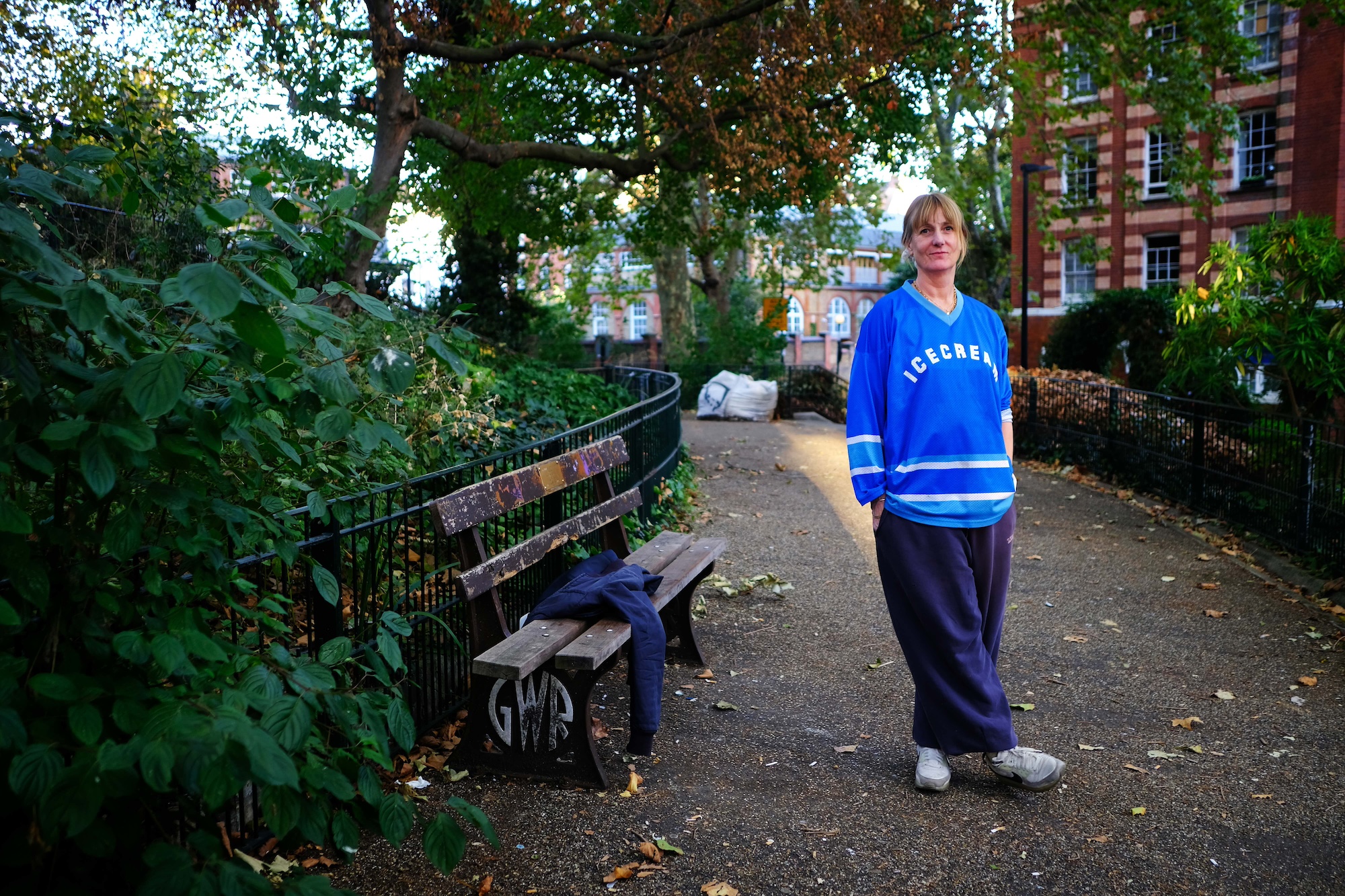



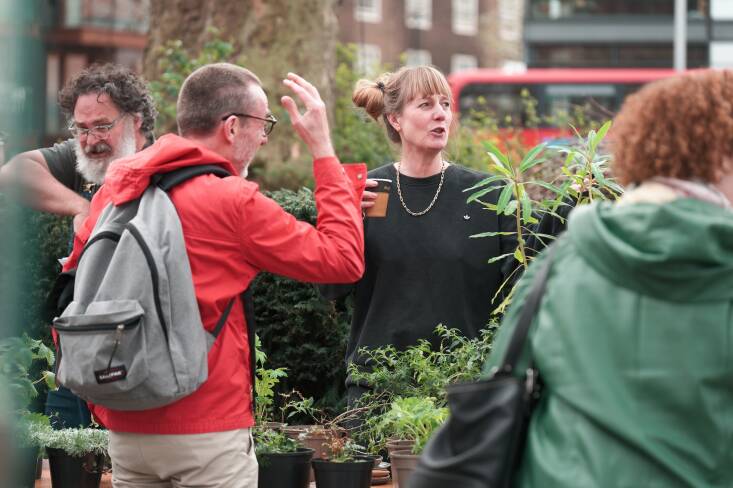
“I am a gardener, garden designer, and writer. My consultancy, LINDA, designs and plants biodiverse urban gardens that are plant-focused with an emphasis on re-using existing materials where possible. I also organise and curate London’s best plant fairs—the Spring Plant Fair at the Garden Museum and the Autumn Plant Fair at Arnold Circus.”
Read Susanna Grant’s bio, and you’ll be able to glean a few truths about her. One, she sees herself first and foremost as a gardener, a steward of the land, a caretaker of plants. Second, spontaneity and breeziness are key to her designs, as evidenced by the fact that she named her firm after a friend’s dog. And third, she’s keen on building a community of like-minded plant obsessives. (Count us in!)
True to form, Susanna, who wrote a book on shade planting, is also a volunteer gardener and a trustee of Friends of Arnold Circus, and a director of Care Not Capital. “I’m particularly excited by the Modern Gardener training we are delivering to trained gardeners through Care Not Capital this summer at John Little’s experimental garden Hilldrop,” she tells us. “We’ve just opened applications for the second year of our free training.”
Below, she tells us why she’s not a fan of sedum green roofs, how to easily get rid of a lawn, which plant stars in all of her projects, and more. (And if you’re curious to see more of her projects, be sure to go here and here.)
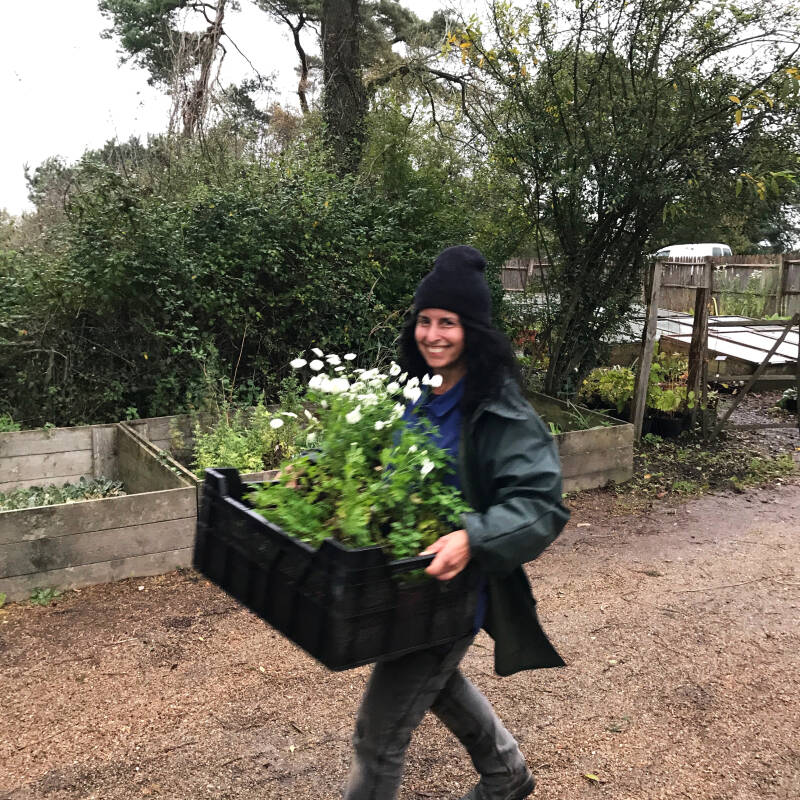
Photography courtesy of Susanna Grant.
Probably my grandparent’s garden. They had a small rectangular pond with a miniature waterfall made out of bricks that my granddad built. It was deeply suburban! I loved lying beside it watching the water boatmen bugs on the surface.
Richard Maby’s Flora Britannica and Weeds: In Defense of Nature’s Most Unloved Plants. His writing is so conversational and captures the emotional connection we have with plants alongside his scientific observations. Both really good for dipping into. Derek Jarman’s Modern Nature is another favourite—again because of the deep relationship he nurtures with his garden. We live with nature, as nature—it is not something separate. These are books you don’t have to be a gardener to enjoy and they might change your perception of the plants around you.
@dandelyan, @howardsooley, @coyotewillow, @bennyhawksbee, @thetemperategardener, plus @johnderian for his occasional leggy pellie [etiolated Pelargoniums] posts. Sorry, I spend far too much time on there to be able to limit it to one!
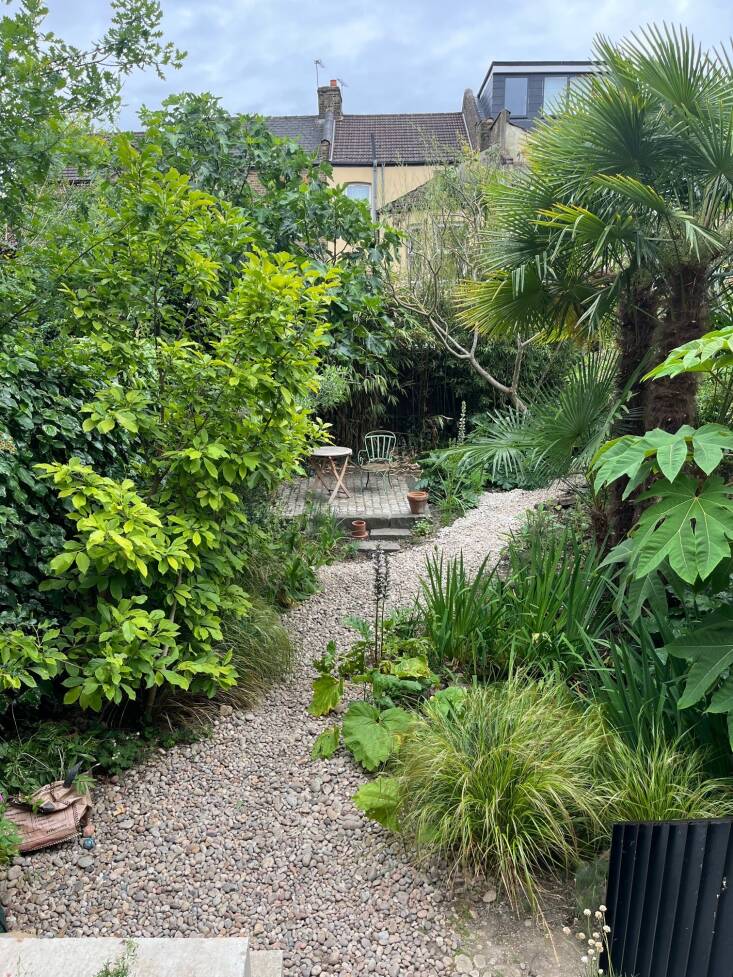
Natural, kind, plant-heavy. I want my gardens to look like they’ve always been there.
Oenothera stricta sulphurea—it’s the way the sunset colours seep into one another and gently glow at dusk. I rarely get to use it, as most of the gardens I plant are clay and have a fair amount of shade, but I will get it in whenever I can.
Euonymus japonica ‘Aureomarginatus’. I’m trying to like variegation more and can take a silvery edge or delicate white splash, but the yellow and green of this euonymus is too much!
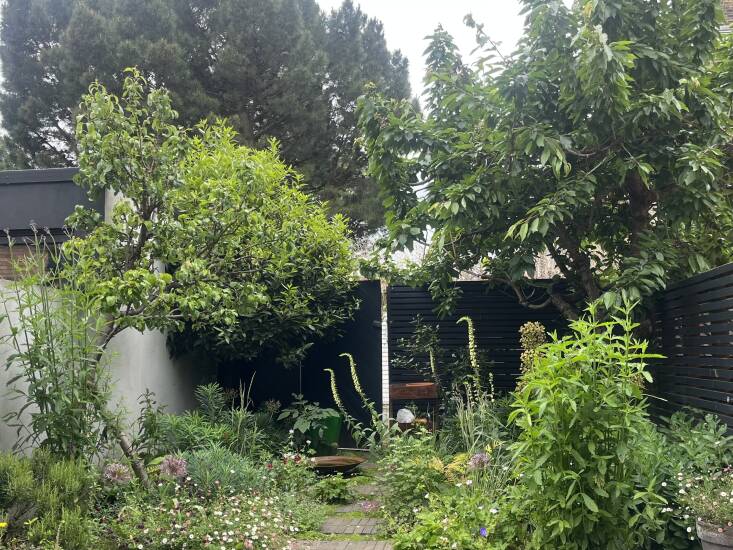
Digitalis lutea. She goes everywhere with me. Tough, evergreen foliage, soft yellow flowers with a beautiful little deferential nod at the tip, good seedheads, good for pollinators, good for shade, good for most gardens.
Probably accepting that gardened spaces are ephemeral. You can pour your heart and soul into a design and planting and make sure it’s cared for, but someone can come and change all of it a few years down the line.
Maybe also stop buying plants from nurseries that I don’t need and have nowhere to put them!
I’m not convinced by the current trend of drought-tolerant Mediterranean planting in the UK as a simple answer to climate change. Yes, summers are getting hotter here, but winters are looking like they are going to get colder and wetter and a lot of Mediterranean plants won’t survive that. Climate emergency means constant adaptation and there isn’t a one-size fits all.
Sedum roofs. Nothing against green roofs—they can be great, biodiverse spots, rich with pollinators if planted properly—but a sedum roof is a non-native monoculture that has limited opportunities for wildlife. And don’t get me started on outdoor kitchens.
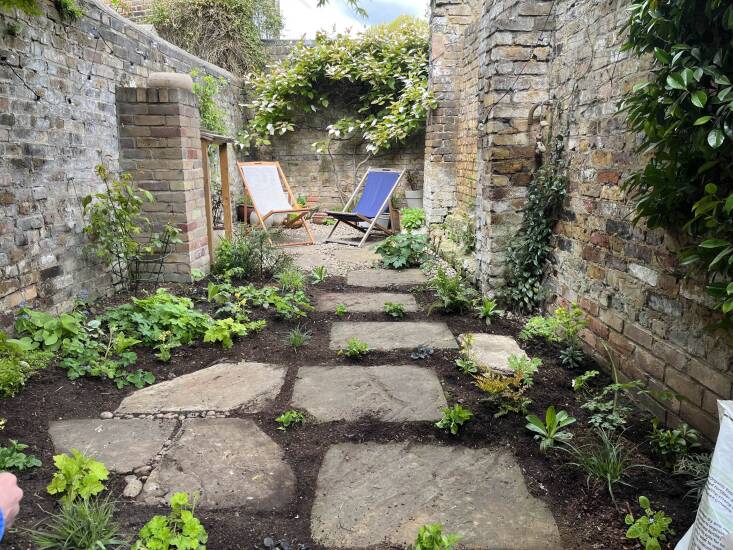
I don’t know if it’s an old wives tale but putting a thick layer of cardboard on top of a lawn, soaking it, and adding a thick layer of compost on top of that, then planting directly into those layers works. [See The Garden Decoder: What Is ‘Lasagna Gardening’?]
Plane tree leaves do actually break down into a useable mulch. There are so many plane trees in London and there’s a widely believed truth you can’t compost them. But you can! Takes a year and chicken manure pellets help, but you get a great dark mulch at the end.
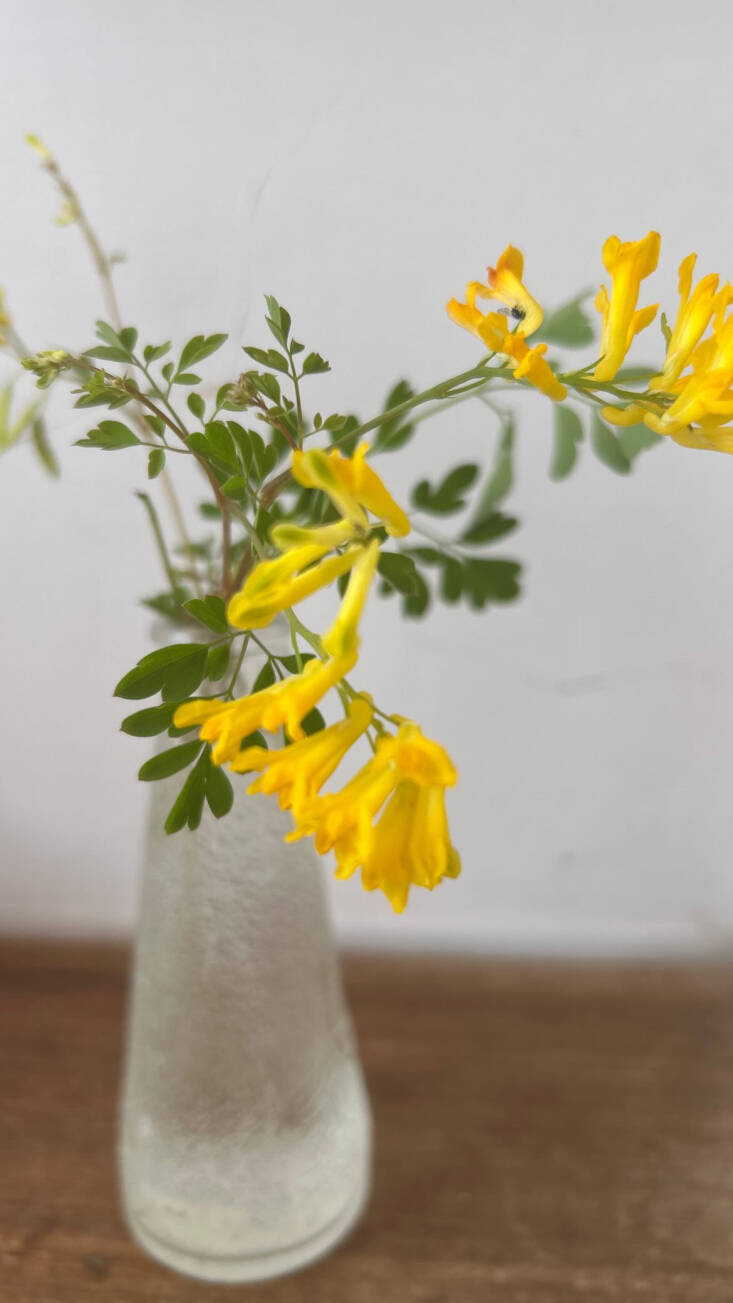
On a design level, bringing planting right up to the windows. On a literal level, I stopped buying cut flowers a long time ago, but a snip from a blossoming blackthorn hedge, some cow parsley, a few dandelions, corydalis growing out of a wall. Whatever is around, I’ll bring home and put in a small vase.
An oversized sculpture. Just kidding. A journey. No matter how small the garden, you can create a journey with planting and a path.
Whatever is already on site that can be re-used in a creative way to look good. Even better, finding materials that are buried beneath the existing beds.
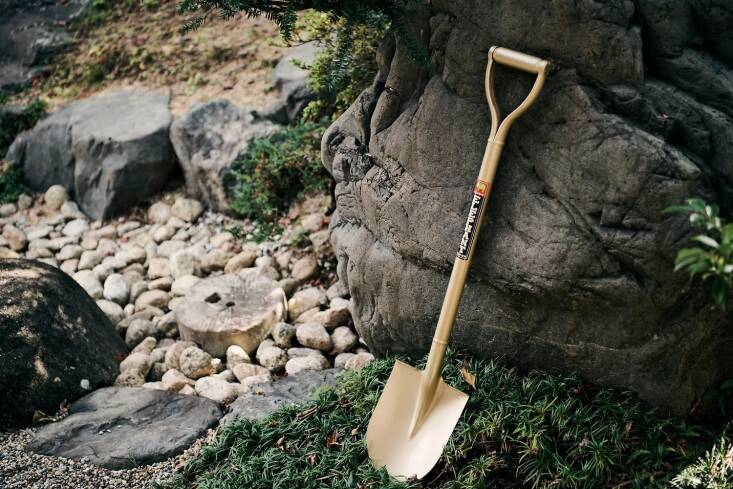
Niwaki gold spade.
Usually whatever I’m wearing at the time, which is not always very sensible.
Leahurst Nursery, a total gem in north London. Great Dixter and Beth Chatto nurseries, too.
I want to visit more gardens, Lowther Castle and The Hepworth in Wakefield have been top of a long, long list for a while. And a Sneeboer planting trowel.
Inner Temple Garden in London. It’s a very special garden, small in terms of public gardens but totally punches above its weight. The head gardener, Sean Harkin, is constantly innovating and you are constantly looking and learning.
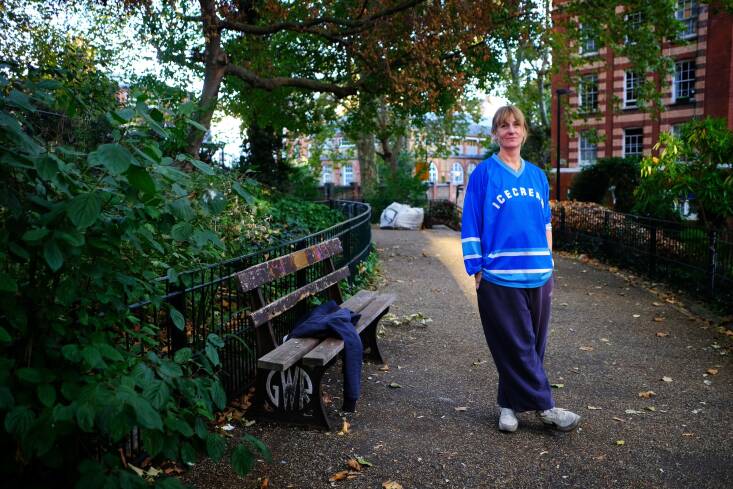
It’s the best job—transforming a small space with plants and watching that change and grow, giving pleasure to everyone and everything in it. And you’re always, always learning.
Thanks so much, Susanna! (You can follow her on Instagram @hellotherelinda.)
For our full archive of Quick Takes, head here.




Have a Question or Comment About This Post?
Join the conversation