

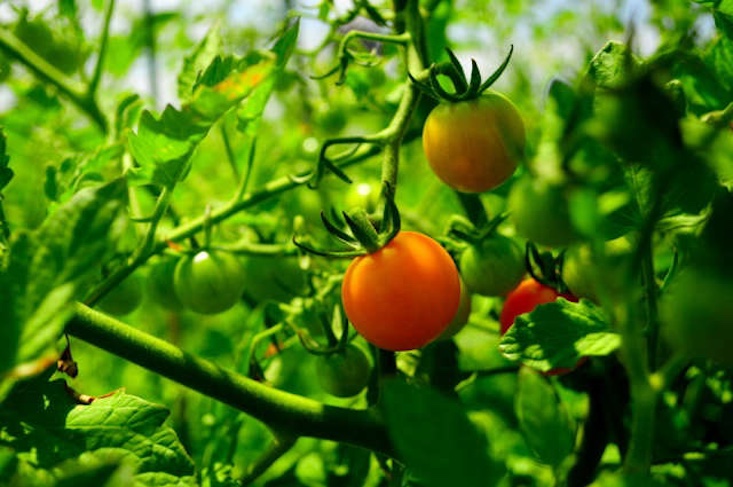
No homegrown vegetable gets more love than the tomato. While you can buy corn, carrots, eggplants, and peppers from farmers’ markets and CSAs that taste the same as home-grown, tomatoes are special. Maybe it’s because the disappointment from biting into one too many pasty, bland supermarket tomatoes have taught us to raise our standards. We can grow them at home instead! That satiny, still-warm sweet orb just picked off the vine will always make our mouths water.
What wouldn’t we do to make that happen?
Actually, we can do quite a bit.
Here are some tips and tricks to increase yield and keep them from harm.
Photography by Joy Yagid, unless noted.
1. Remove lower leaves.
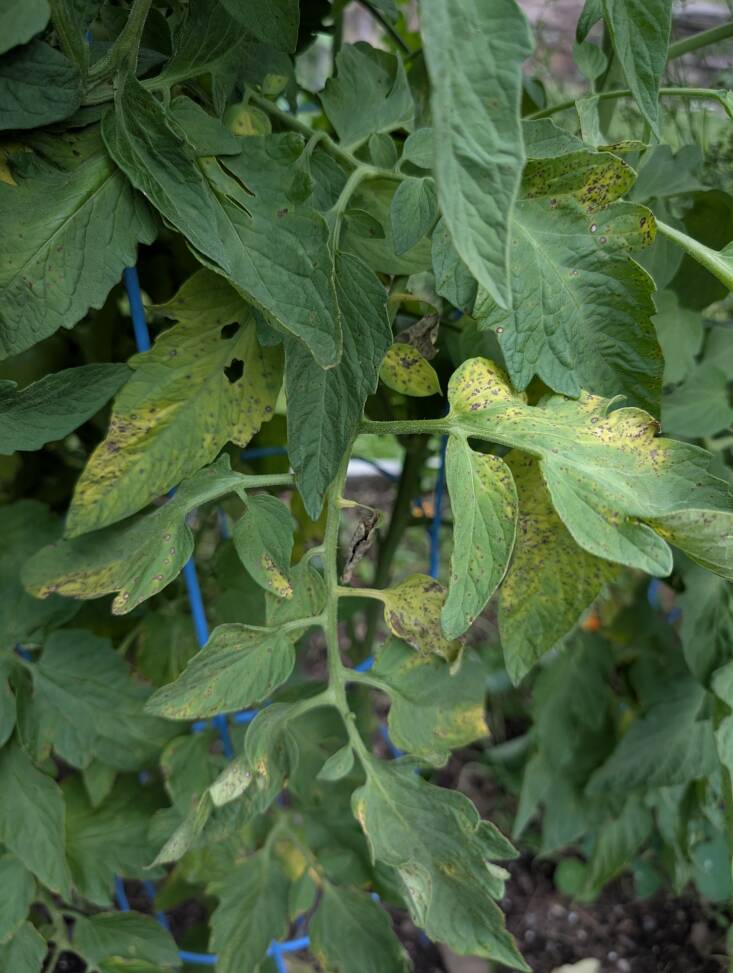
Tomatoes, even the resistant varieties, can get blight. One sign of blight is yellowing of the lower leaves as the disease works its way up the plant. Since blight resides in the soil, the goal is to keep the soil off the leaves. Mulching with pine needles, shredded hardwood, or even green mulch will keep the soil from splashing on the leaves. Removing all the lower leaves that touch the soil helps as well. Continue to remove the lowest leaves until the plant is three feet tall. There should be about 12 inches from the soil line to the lowest leaf.
2. Pinch shoots.
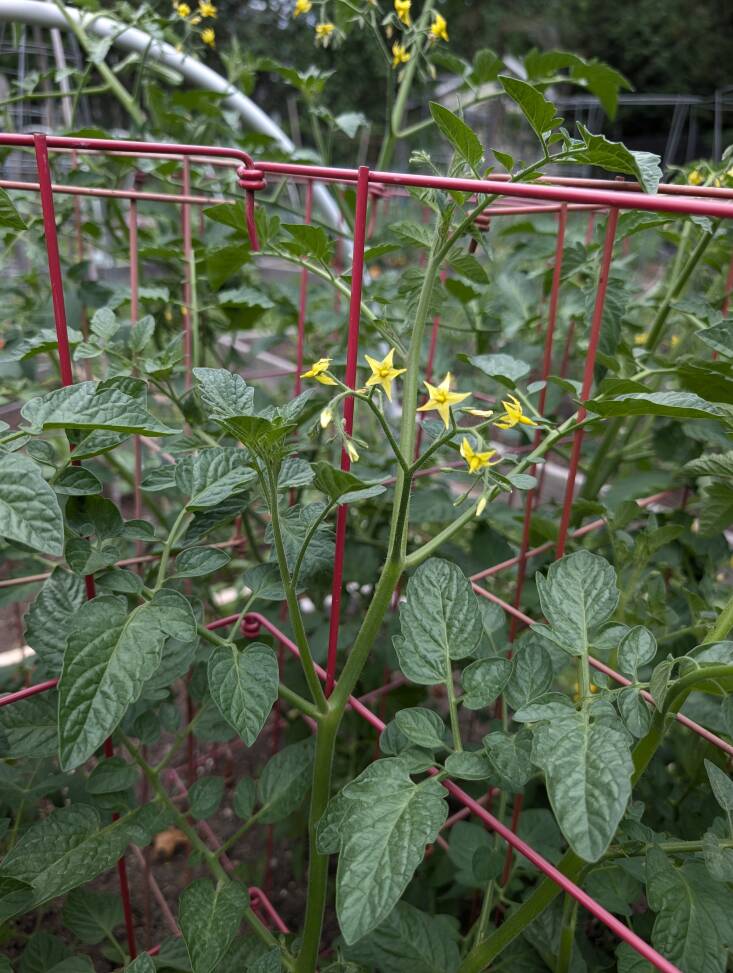
This can be confusing depending on which grandparent you’re listening to. Everyone has an opinion. Generally speaking, you want to pinch out the side shoots to create a strong central main stem. You can go further and pinch off a few flowers to have the plant pour all its effort into making fewer, but larger fruit. Determinate tomatoes (some heirlooms, paste varieties) should only be lightly pinched since they set fruit over a few weeks. Indeterminate tomatoes, which set fruit until frost (most cherry and grape varieties), benefit from more aggressive pinching.
3. Water deeply and slowly.
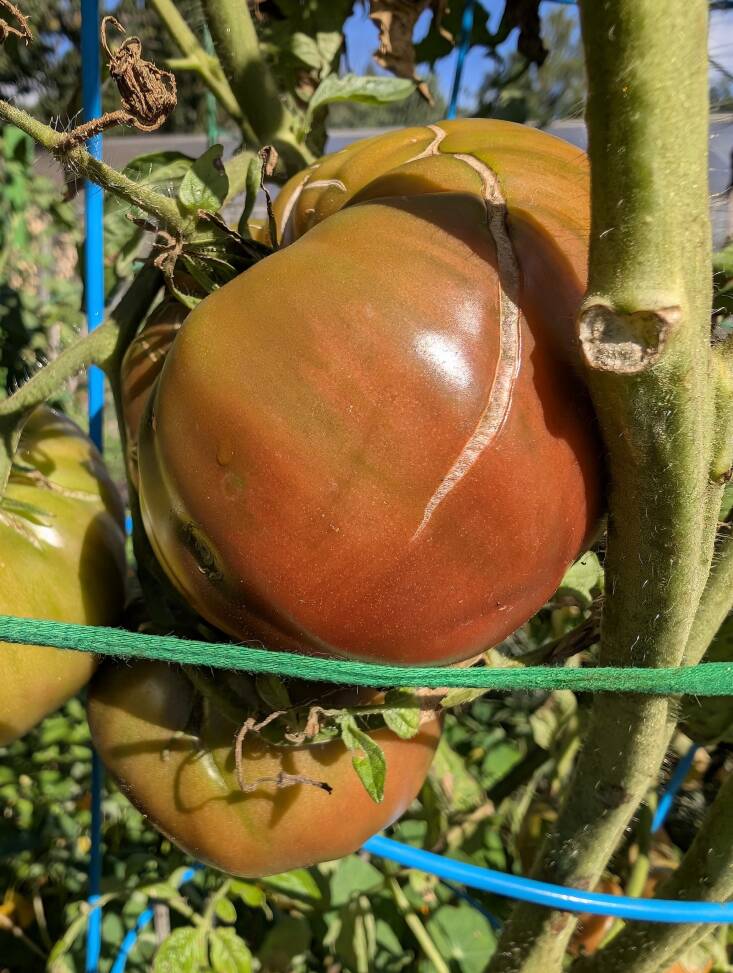
Tomatoes need one inch of water per week once established. While a rain gauge is best to see if your plants are getting enough water, simply digging down two to three inches to check if the soil is damp works just as well. And be sure to water the soil, not the plant, as watering the leaves can cause diseases. Last, make sure you’re not watering too much and too fast: Your tomatoes crack when they drink too much.
4. Provide shade.
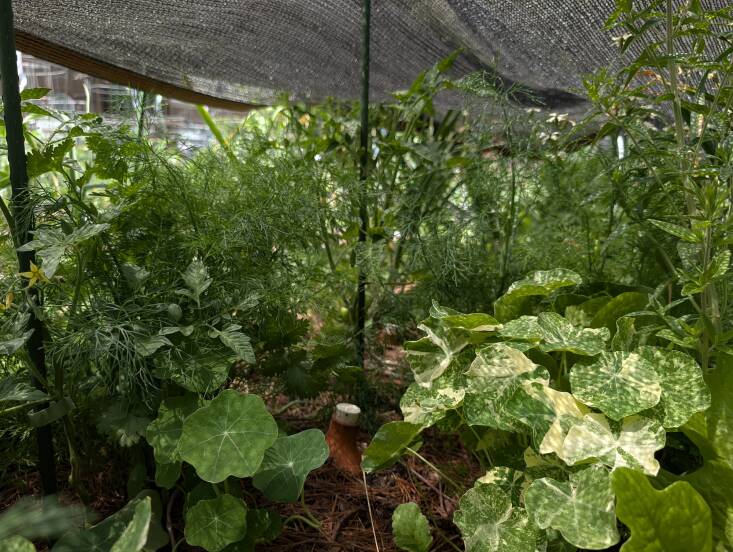
Tomatoes are temperamental when it comes to temperature. They like nighttime temps in the 60s to low 70s and daytime temps no higher than the upper 80s. The excessive heat can cause flower drop, poor pollination, smaller than normal fruit, and sun scald (a sunburn for tomatoes). If you know a heatwave is coming, a shade cloth can help mitigate some of the damage. Or, try this trick: Red plastic party cups cut down one side and placed over the tomato like a bell or cap, can shield them from the sun.
5. Protect from critters.
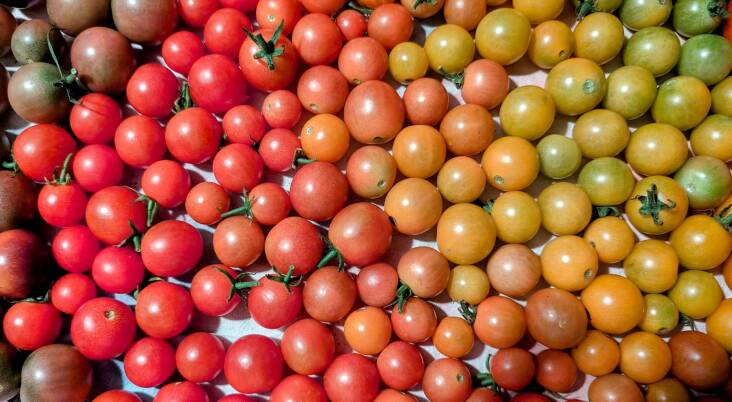
You think you’re the only one who loves tomatoes? Squirrels, groundhogs, and birds love them, too. To deter squirrels, hang red plastic Christmas balls on the plant while the fruit is still green to trick them into thinking there’s nothing good there. If you have resident groundhogs, make the top 12 to 18 inches of the fence floppy so they can’t get a good grip. And to prevent birds from noshing on your tomatoes, use the above plastic cup trick. All bets are off if there’s a drought. Critters will be looking for water, and tomatoes are mainly water.
6. Companion plant.
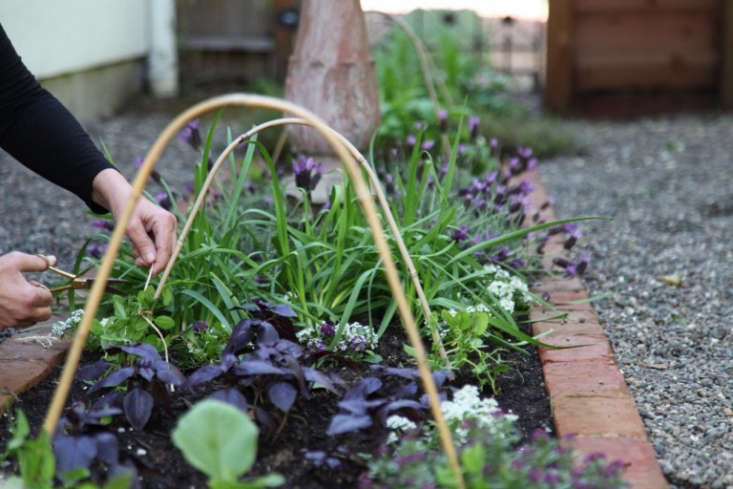
The tomato hornworm is the main enemy of a good harvest when it comes to pests, with whiteflies a close second. The best defense is to plant natives like dill, fennel, and alyssum to bring in the beneficial insects that target the hornworms and whiteflies. Or get a blacklight flashlight and find the hornworms at night. They glow in the dark. Whiteflies can also be “treated” with a strong stream of water to the undersides of the leaves. This normally fixes the issue in one or two applications.
7. Harvest at the right time.
Harvest at the “breaker stage” for those priceless heirlooms. This is when the tomato is fully ripe but doesn’t look like it. When the blossom end turns color, the tomato is ripe: not eating-ripe, but ripe in the sense that the plant isn’t giving it any more resources. It’s just hanging out…ripening. You can pick it at this stage and either leave it on a kitchen counter or in a paper bag with a banana or an apple. Is it as rewarding as eating a nice juicy tomato right off the vine? No. Is it a thousand times better planning to harvest a gorgeous tomato the next morning only to find out the squirrels got to it? Yes, yes, it is.
For more expert advice on growing tomatoes, see:
- Grow What You Love: A Life of Tomatoes
- Fall Gardening 101: How to Ripen Green Tomatoes Off the Vine
- Gardening 101: Everything You Need to Know About Growing Tomatoes





Have a Question or Comment About This Post?
Join the conversation