

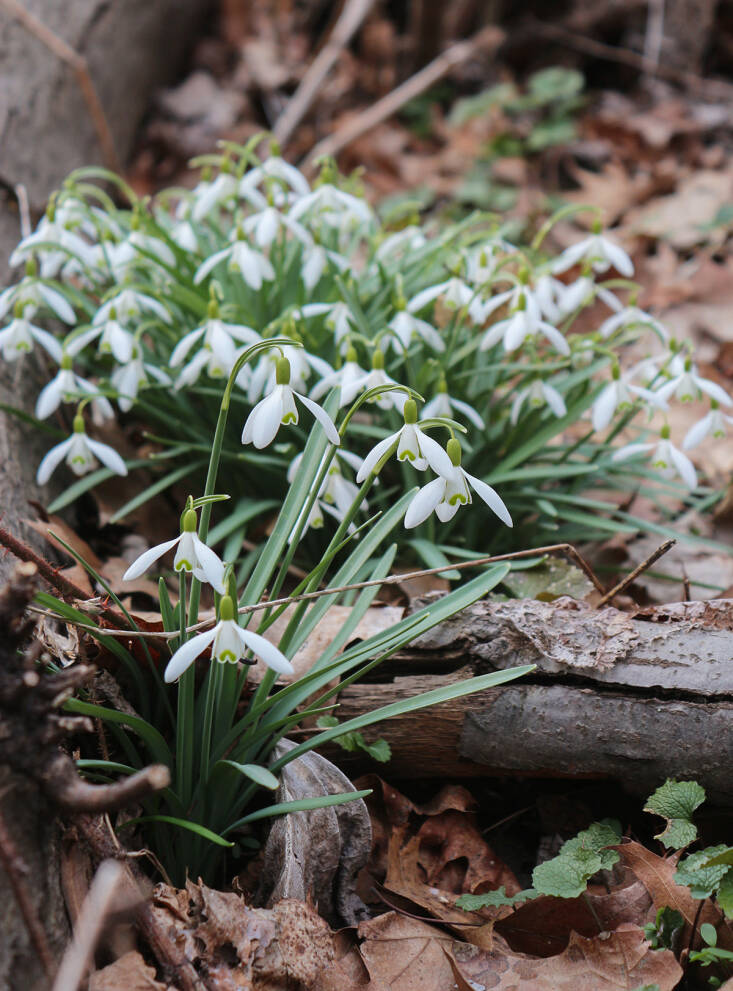
Snowdrops always catch us by surprise. In the bleakest month their green leaves push up through brown leaf litter or through snow, and their white buds appear, first tightly clasped, then plumping into svelte bells. Fresh snow will cover them. When it melts, there they are, ready to keep growing, until the bells turn into into tiny parasols, tipped—on the inner circle of petals—with green. Snowdrops are resilient and they are prepared, armed with enzymes that protect them in freezes. They are a symbol of hope and a promise that winter will end.
They are not native to North America, but the late winter glimmer of snowdrops is a gift to gardeners who take courage from the small signs of things to come.
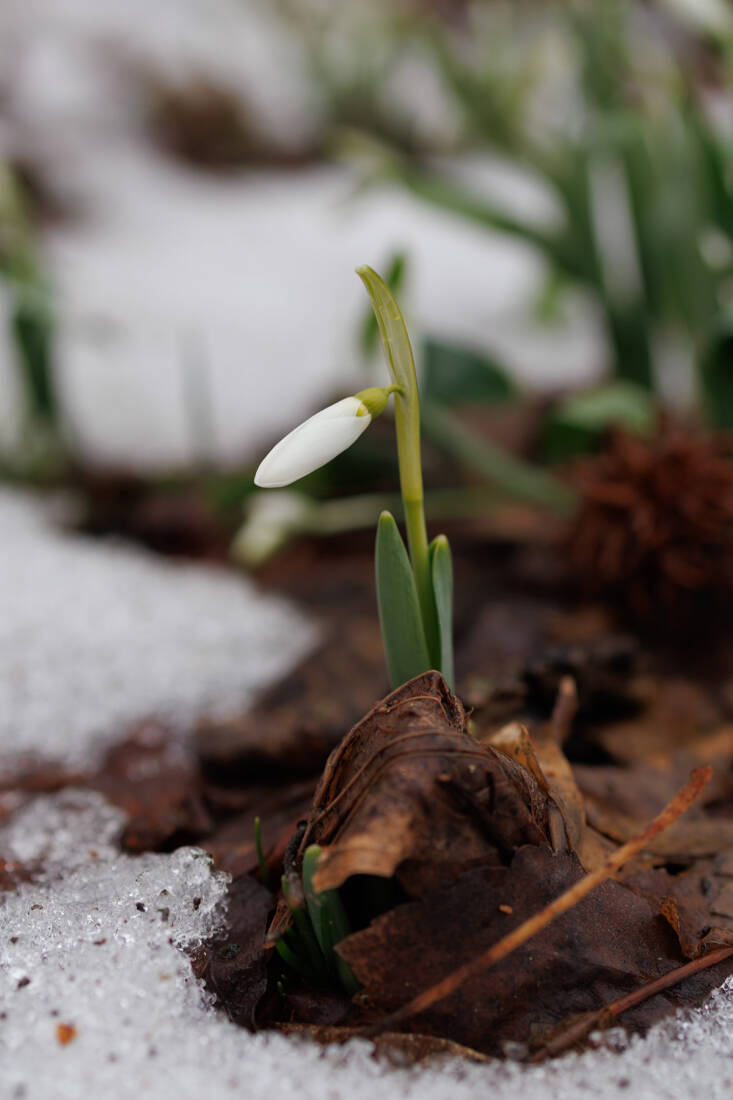
Native to continental Europe, the Eastern Mediterranean, and parts of the Middle East, snowdrops belong to about 20 species in the Galanthus genus, the etymology stemming from the (transliterated) Greek gala for milk, and anthos for blossom, or flower. There are hundreds of named cultivars.
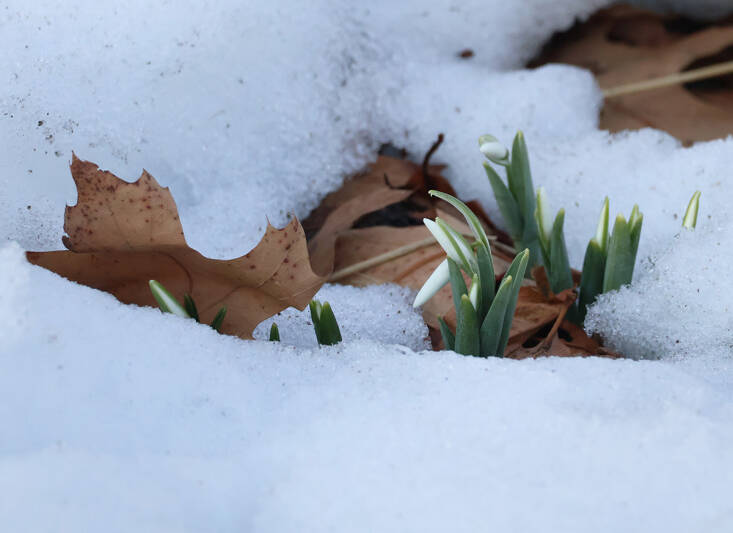
The resilience of snowdrops is due in part to enzymes that protect them from freezes, and it is also speculated that the large size of their genome allows them (as well as other geophytes) to develop leaf and flower-parts within the bulb the previous year, so that in spring those cells are inflated with water, skirting the need for mitosis, a type of cell division.
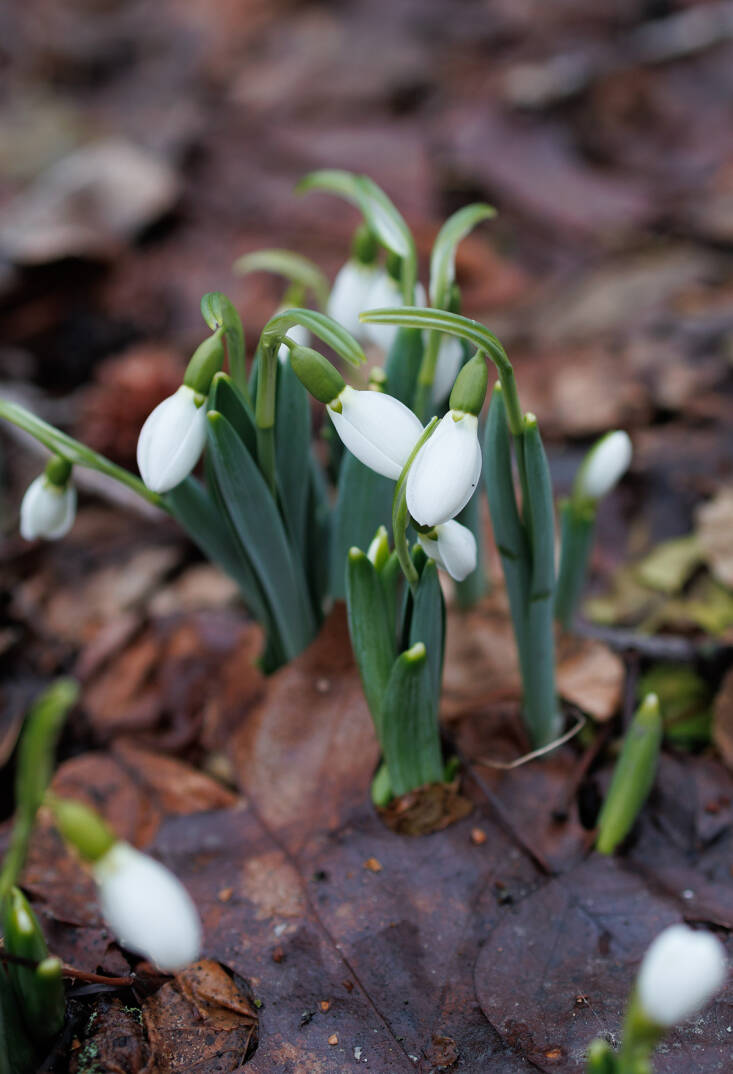

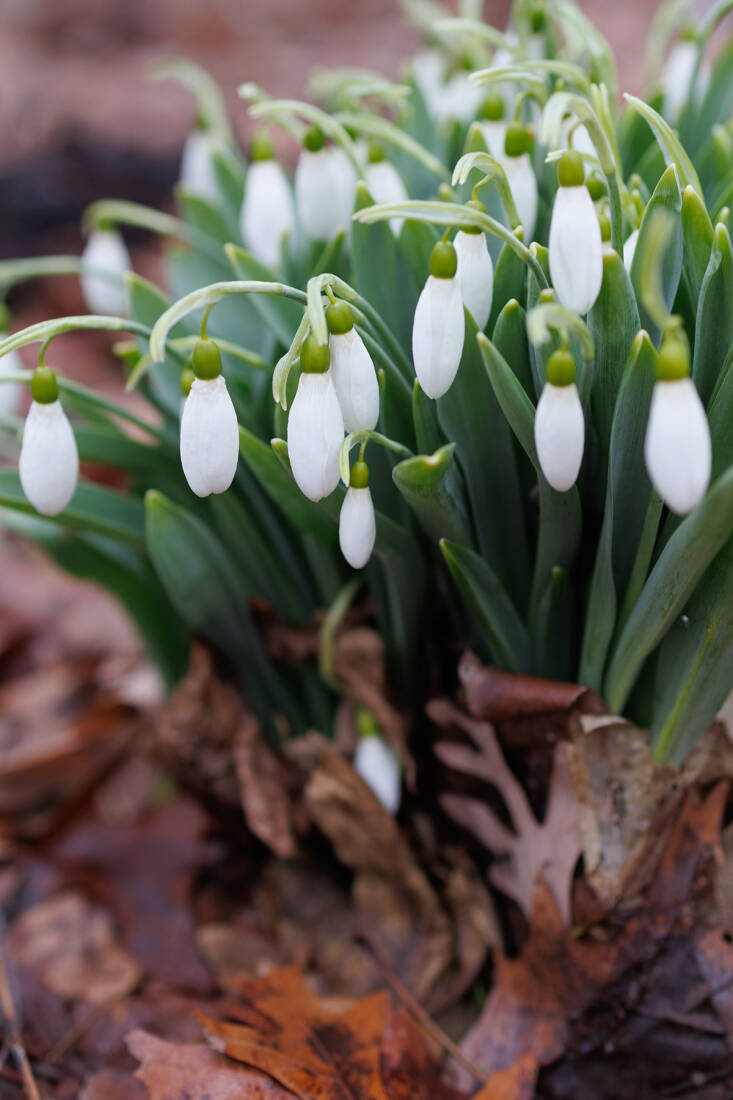
While they are a charmingly ubiquitous component of pre-spring gardens, in the wild Galanthus nivalis is listed as near-threatened. Partly, this due to habitat loss, but also to an intense trade in bulbs and the over-collection of natural populations.

Fascinating Facts:
- Galanthamine is an alkaloid extracted from Galanthus (and other members of the Amaryllidaceae family) and is used to treat Alzheimer’s disease (don’t try this at home).
- A lectin (a carbohydrate-binding protein) from snowdrops—Galanthus nivalis agglutinin, or GNA—is highly toxic to insects and is the subject of bio-research regarding the genetic modification of crops.
- Their bitter and toxic alkaloids make them unpalatable to deer and squirrels as well as tinier garden pests.
It follows that pets should not be allowed to nibble on snowdrops.
See also:
- How to Start Your Own Snowdrop Collection
- Garden Visit: Snowdrop Season at Painswick Rococo Garden
- Everything You Need to Know About Bulbs and Tubers




Have a Question or Comment About This Post?
Join the conversation