

Beyond the double-glazed sash windows of our apartment, it is frigid February, but the air indoors smells like a citrus orchard in springtime. After my previous Meyer lemon tree succumbed to a fungal pathogen, brought on by overwatering, I was sure I would never grow this particular citrus again. I loved that tree, most of all when it was in sumptuous bloom, its scent a constant presence. But its slow and relentless decline due to root rot, and my decision to hasten its demise with several swift chops of a pair of Felcos, left me feeling ashamed. I had failed the tree, even as others—bergamot, yuzu, Thai limes—thrived.
A couple of years passed. As they do. Then, in September 2024, my citrus-growing friend Rachel Prince mentioned that she had a Meyer lemon up for adoption. It was a beautiful tree with a quirky swoop to its trunk.
How could I say no?
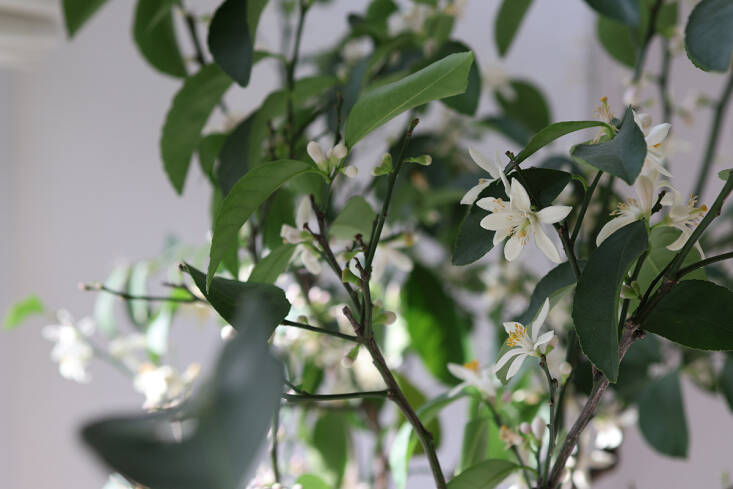
The adopted Meyer lemon spends late spring through fall on our Brooklyn terrace along with the rest of the citrus trees, before coming indoors for winter. In December I picked its beautiful lemons and wrote about making limoncello.
Then, with the lemons harvested, I was very careful not to overwater the tree, which no longer needed to nourish all those fat fruit. It had been at this, post-harvest point that I had managed to swamp the previous Meyer lemon, watering it (thoughtlessly) as much as I had when it was heavy-laden. Citrus trees hate soggy roots.
Shortly after harvest, still in December, the tree looked a little different. I was worried that I had done it again. The leaves either hung limp, or curled. Not curled downwards, but inwards, which typically means they are drought-stressed. But the moisture meter I use read damp, even wet. So I ignored what I know, and trusted the meter.
After a week of this I decided to look at the roots, certain I would find a fungus at work, the telltale threads of roots exposed as the root sheaths slough off, fatally. On butcher paper on the bedroom floor I pulled out the tree and its rootball from the pot and discovered…not damp but drought. The potting medium was bone dry. Some roots had turned to dust. After worrying about overwatering, which is the most common cause of citrus decline, I had underwatered the lemon tree.
I also found very compact areas in the potting medium, and this might be what caused the moisture meter to be off; the meters measure electrical conductivity and the soil mix can affect that. This single experience has made me reassess my reliance on a meter when in doubt.
You make mistakes. You learn. Repeat.
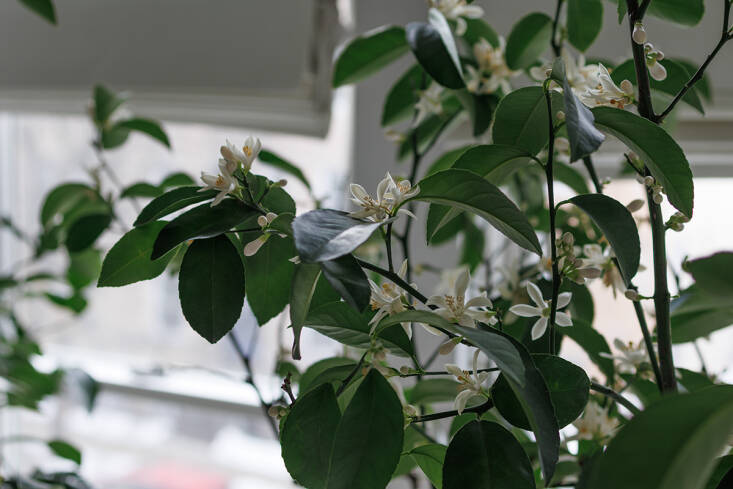
To repot the tree, I mixed orchid bark, potting soil, and a cactus potting mix that is very gritty. This is a blend that drains well, and quickly—my recipe keeps evolving. The tree was tucked back into its pot and given a good drink (three quarts, if you are curious; a quart more than usual). To remove the excess water that runs into the saucer, I use the usual, designated turkey baster.
No one said that citrus trees are low-maintenance. At least, no one should.
Soon, I noticed the first pinpricks of flower buds. And here we are, eight weeks later.
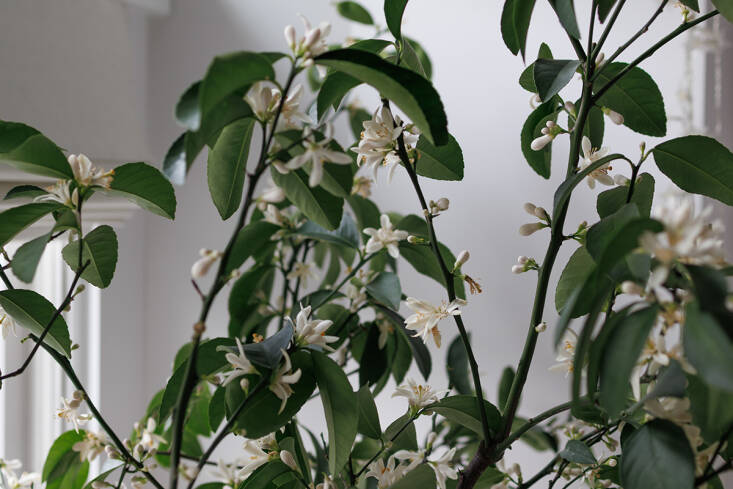
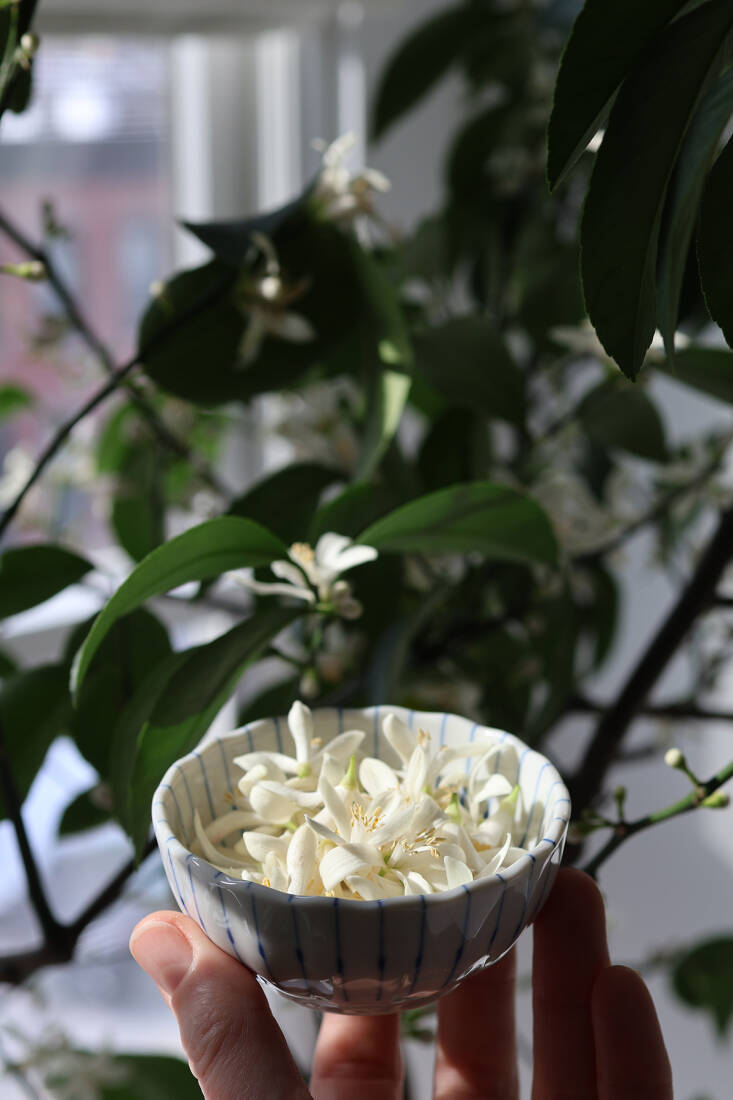
The tree is in peak bloom. Flowers have been opening for 14 days (you begin to count, because each days seems like a miracle). Mature petals are dropping, and sometimes whole flowers fall off, intact; that’s okay, in moderation—the tree could never support hundreds of fruit. But I am being very vigilant.
Sometimes, in the morning or evening, I lie in bed (our bedroom is where the sun lives) and look at the branches, festooned with blossoms. I look, and breathe, in, and out. And think about nothing—try to think about nothing—but what I am seeing. Petals, rich green leaves, on a tree within reach.
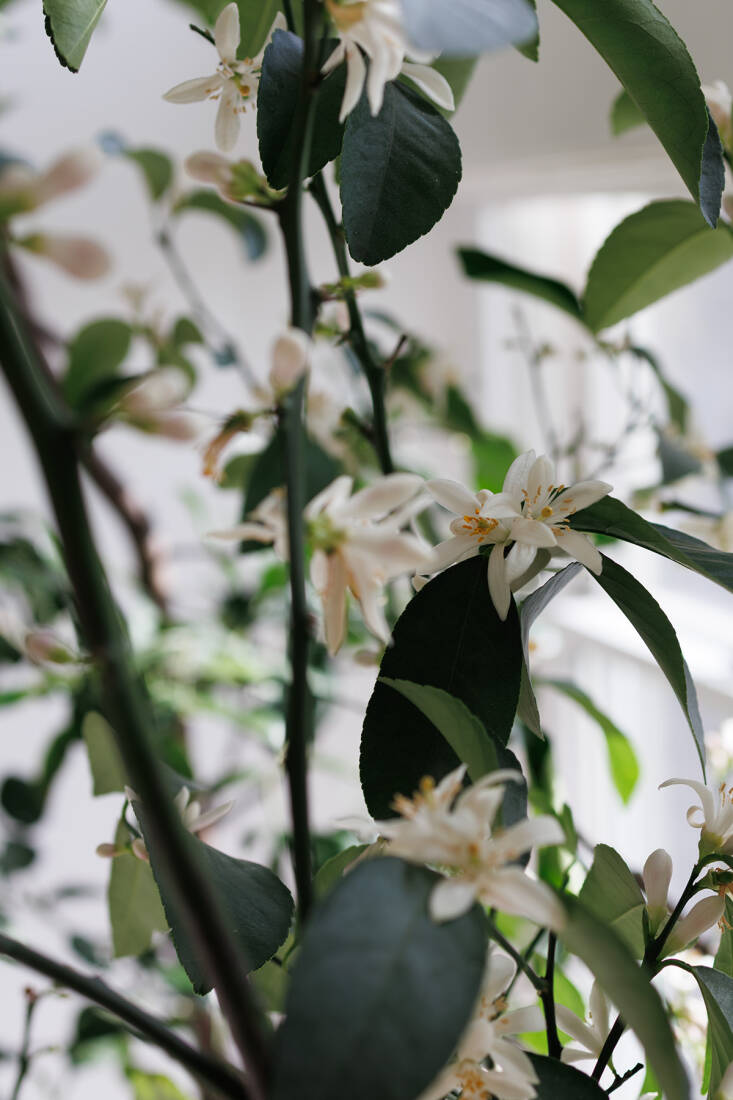
These are some of the questions I am asked most often about growing lemons and other citrus. Obviously, I do not have all the answers. But here are a few.
FAQs
Q. Do you use growlights for your citrus trees?
A. No. The citrus trees are in a series of tall, south-facing windows that let in a lot of light as well as direct sunlight. Any less, and growlights would be necessary. I find that citrus like Thai limes (makrut, Citrus hystrix) and calamondin (Citrus microcarpa) are tolerant of less sun, whereas Meyer lemons are uncompromising.
Q. What fertilizer do you give your lemon tree?
A. The regular food for all my citrus trees is Espoma Citrus Tone granules, applied monthly per the bag’s instructions for the pot size. This winter I added two new foods to the trees’ winter feeding schedule: a weak solution of a liquid kelp (miraculously smell-free) and a liquid Espoma Garden Tone. They seem to be absorbed more easily.
Q. How much do you water your lemon tree?
A. My tree now receives three quarts about every 7 to 12 days. But every situation is different. It depends on how quickly an individual tree uses water, and that relates to its size and health, and light and temperature conditions, how much foliage it has and whether it is carrying fruit.
Q. What potting soil do you use?
A. A blend: Citrus trees need very well-draining soil. I mix potting soil with equal volumes of orchid bark and either chicken grit (finely crushed stone) or the Desert Blend cactus potting mix by Spike & Bloom. Orchid bark and potting soil mixed equally are also good, but the bark does break down over time.
Q. Do you have to hand-pollinate the lemon flowers for fruit?
A. I used to, using a paint brush. It’s fun, and it can’t hurt. But I have not noticed a difference in fruit set.
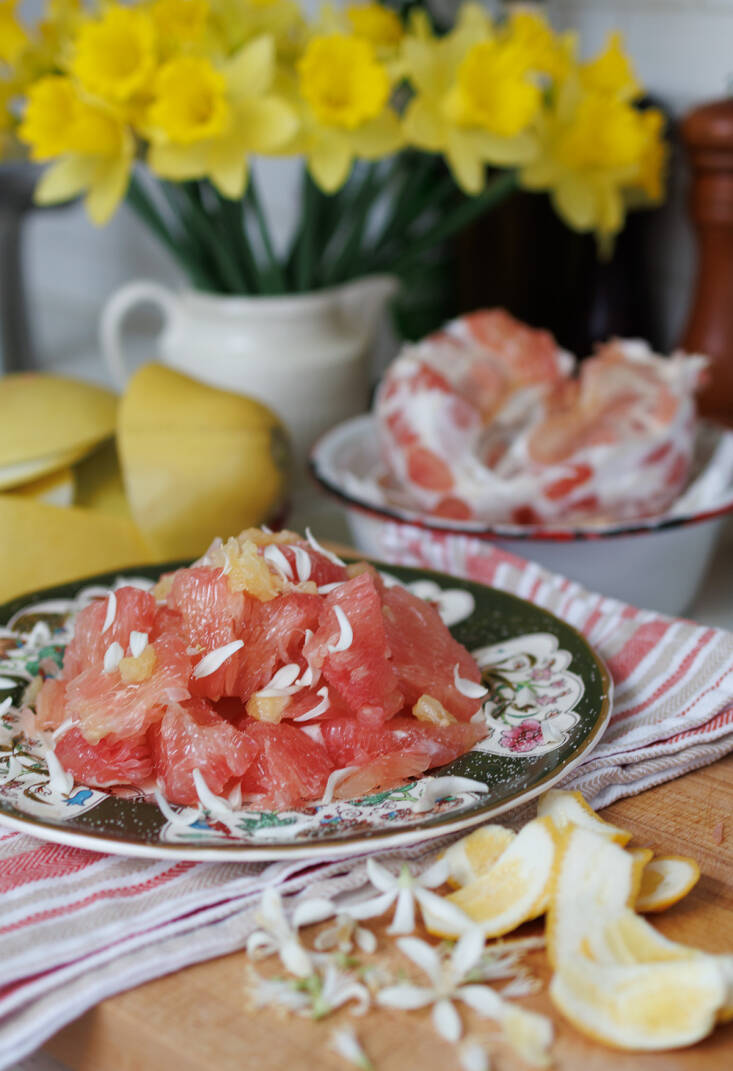
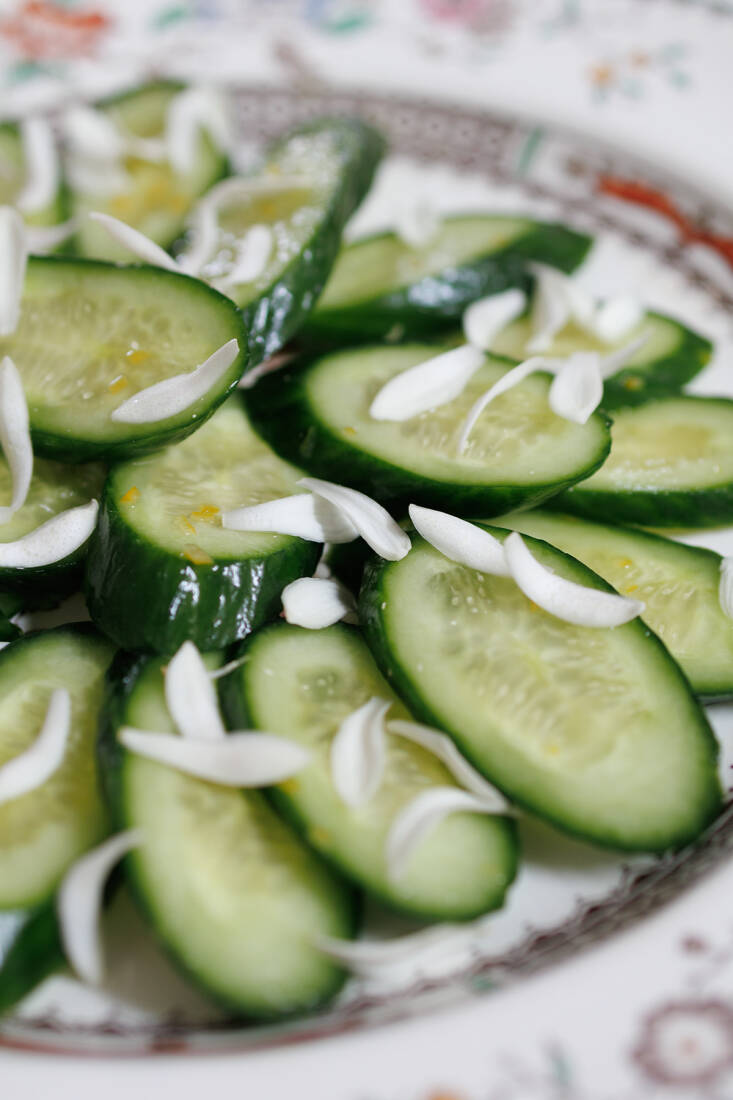
The fallen petals are lovely in salads. They taste the way they smell—very perfumed, but not sweet at all. I like them with a sweet-savory salad of pomelo segments with tiny quarters of lemon, or atop cucumber slices that have been salted and flavored with Meyer lemon zest.
Soon, I will be sweeping up petals every day, and then the flowers will be no more. Tiny green fruit will have formed and some of those will drop, too.
In late April the lemon tree will be carried out again to the terrace, to enjoy spring in the company of fresh air, birds and insects, and in real sunlight unfiltered by windows. Summer may bring a second flush of flowers. By then these bitter days, when people froze to death in the streets and ice was everywhere, will be a memory. Fruit will ripen, to be collected again as the days darken and grow short.
We have a long way to go, but if we pay attention, catch any mistakes, and the tree stays alive, there will be blossoms again in winter.
See also:
- 14 Things Nobody Tells You About Indoor Citrus Trees
- Winter Is Coming: How to Keep an Indoor Citrus Tree Happy
- Citrus Peels: How to Waste Nothing and Taste Everything





Have a Question or Comment About This Post?
Join the conversation