Icon - Arrow LeftAn icon we use to indicate a rightwards action. Icon - Arrow RightAn icon we use to indicate a leftwards action. Icon - External LinkAn icon we use to indicate a button link is external. Icon - MessageThe icon we use to represent an email action. Icon - Down ChevronUsed to indicate a dropdown. Icon - CloseUsed to indicate a close action. Icon - Dropdown ArrowUsed to indicate a dropdown. Icon - Location PinUsed to showcase a location on a map. Icon - Zoom OutUsed to indicate a zoom out action on a map. Icon - Zoom InUsed to indicate a zoom in action on a map. Icon - SearchUsed to indicate a search action. Icon - EmailUsed to indicate an emai action. Icon - FacebookFacebooks brand mark for use in social sharing icons. flipboard Icon - InstagramInstagrams brand mark for use in social sharing icons. Icon - PinterestPinterests brand mark for use in social sharing icons. Icon - TwitterTwitters brand mark for use in social sharing icons. Icon - Check MarkA check mark for checkbox buttons.
You are reading

Garden Visit: A Secret Garden in Clinton Hill, Brooklyn

Search

Garden Visit: A Secret Garden in Clinton Hill, Brooklyn

December 10, 2025

Overhauling a townhouse backyard after a renovation is a fairly common assignment for a New York City landscape designer. For one recent project, Julie Farris, the founder of XS Space, was given different a task. “Rather than erase and start anew as most projects do, the goal with this project was to identify the aspects of the previous garden, and to try to magnify those aspects in a more targeted and precise way,” says Farris. The results are a garden that felt deeply personal from Day One.

Farris’s clients had lived in their Brooklyn brownstone for some time before deciding to add an addition to the ground level. The family loved their home and slightly wild yard, where they had built many memories. “It sort of had this secret garden kind of feel,” says Farris. But as is so often the case post-construction, the 20 x 45-foot garden was left in a sorry state in need of a total overhaul. 

“They wanted it to feel very natural and organic—sort of revealing what was there rather than inventing a new landscape,” says Farris. The clients requested a stretch of grass for the kids and a little more privacy from the nearby neighbors, but they didn’t have a laundry list of outdoor rooms and functions they wanted to cram into their space. What they wanted was simply a garden. 

“It was more about having a quiet sanctuary for their family and some friends and not being a showy kind of garden,” says Farris. The family was also intent on doing it as sustainably as possible. “They wanted native plantings, birds, and butterflies,” says Farris.

The resulting garden is something of a sleight of hand: It honors the spirit of the previous garden, but almost every inch of it was built from scratch. It’s a lesson in the power of restraint and resourcefulness: All the sustainable materials and climate-appropriate plants make this garden feel like it belongs here. Now it’s ready for decades more memories.

Take a tour of the understated yet elegant space.

Photography by Matthew Williams, courtesy of XS Space, unless noted.
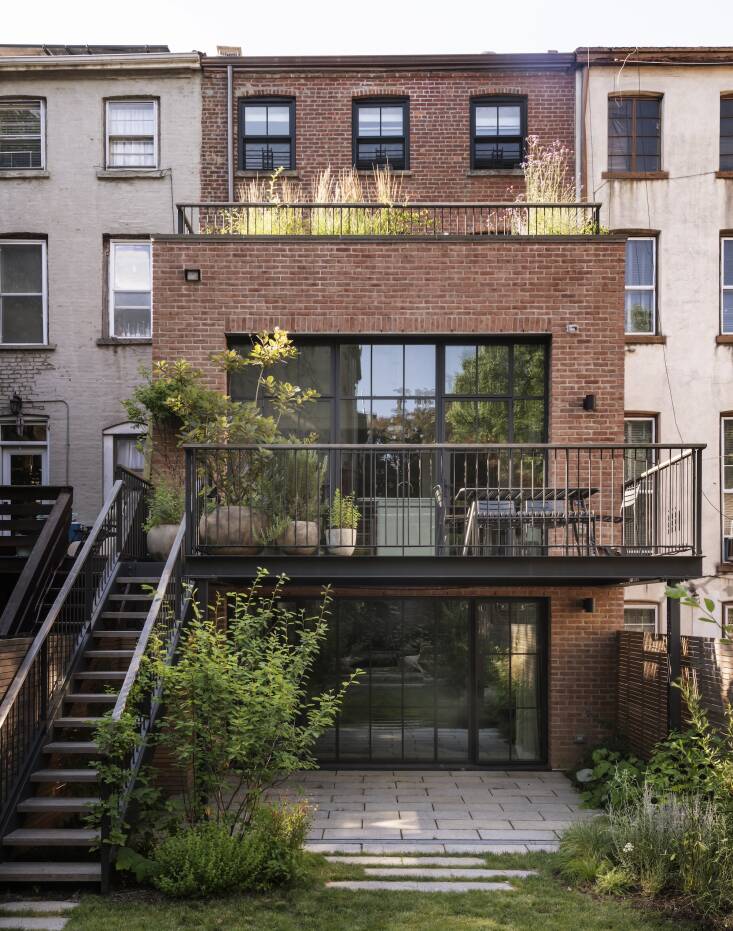
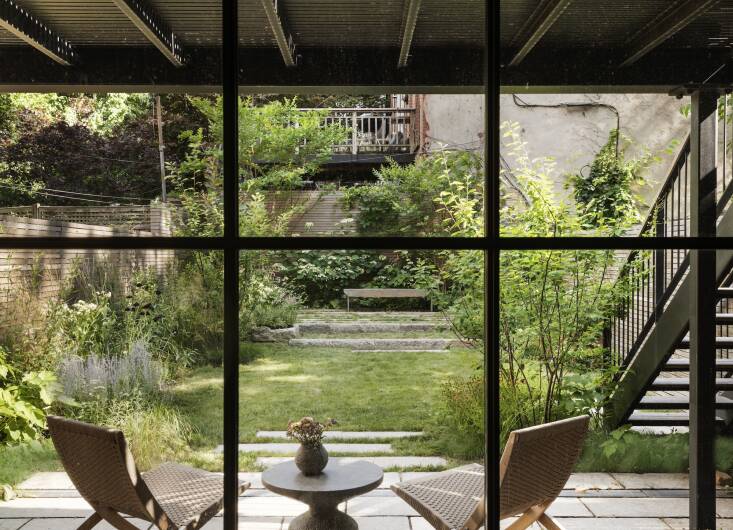
Architecture firm Bangia Agostinho Architecture designed the two-story rear extension and deck on the house. The renovation resulted in three different outdoor spaces for Farris to design: The backyard, a new deck, and a little terrace off of the primary bedroom that sits on the roof of the extension.
Above: Architecture firm Bangia Agostinho Architecture designed the two-story rear extension and deck on the house. The renovation resulted in three different outdoor spaces for Farris to design: The backyard, a new deck, and a little terrace off of the primary bedroom that sits on the roof of the extension.
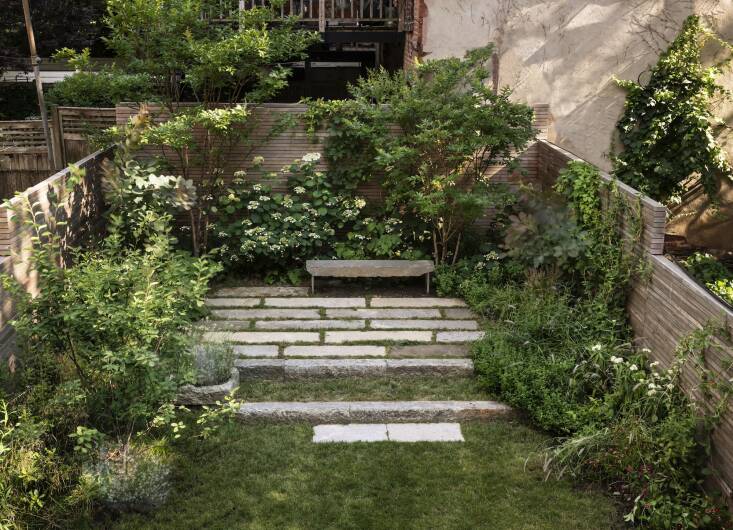
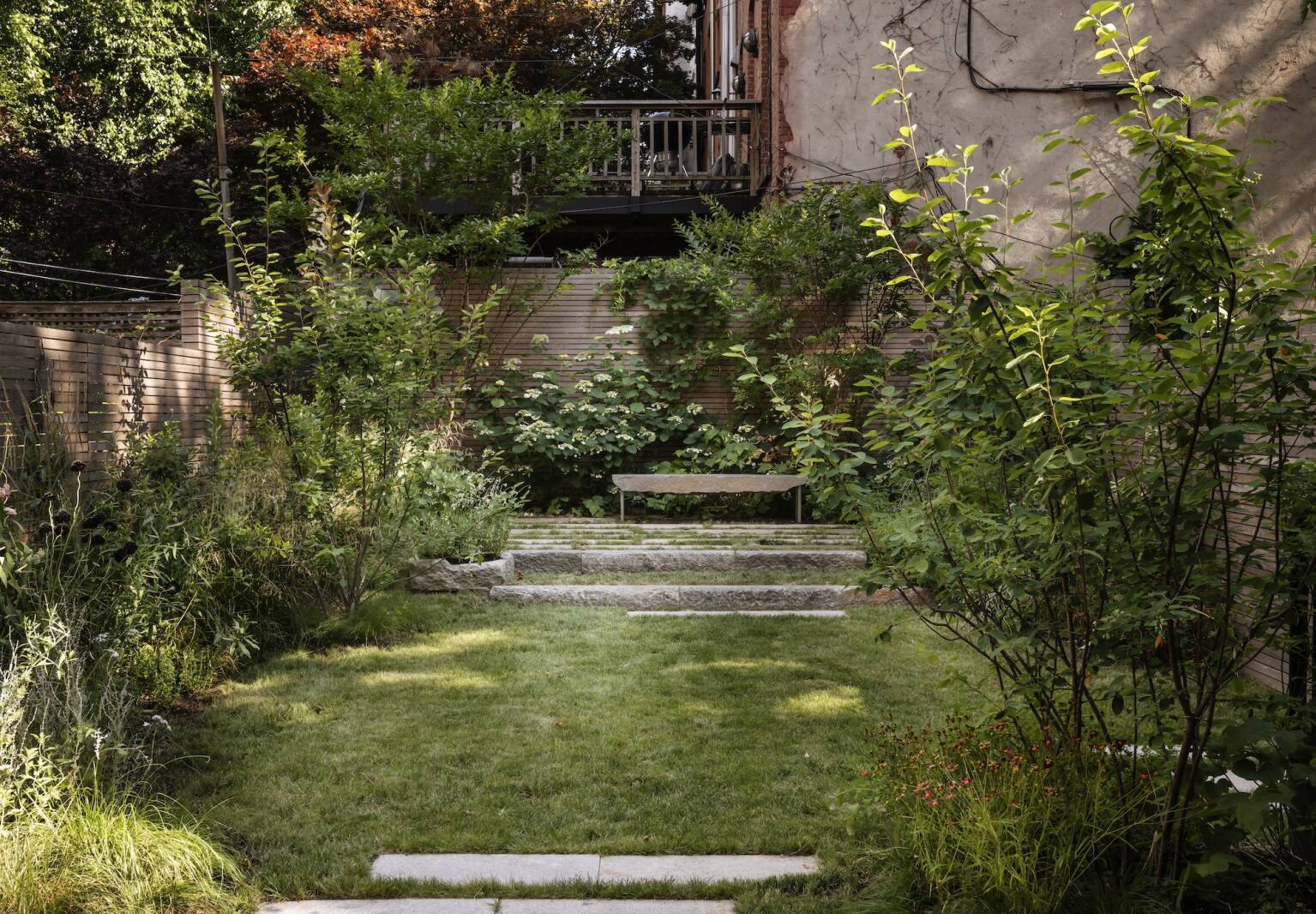
Farris describes designing the garden as a process of “sculpting the edges” to draw the eye outwards. “There&#8\2\17;s this negative space, and then you&#8\2\17;re just kind of feeling how you want to structure the space in terms of hierarchy and softness,” she says. 
Above: Farris describes designing the garden as a process of “sculpting the edges” to draw the eye outwards. “There’s this negative space, and then you’re just kind of feeling how you want to structure the space in terms of hierarchy and softness,” she says. 
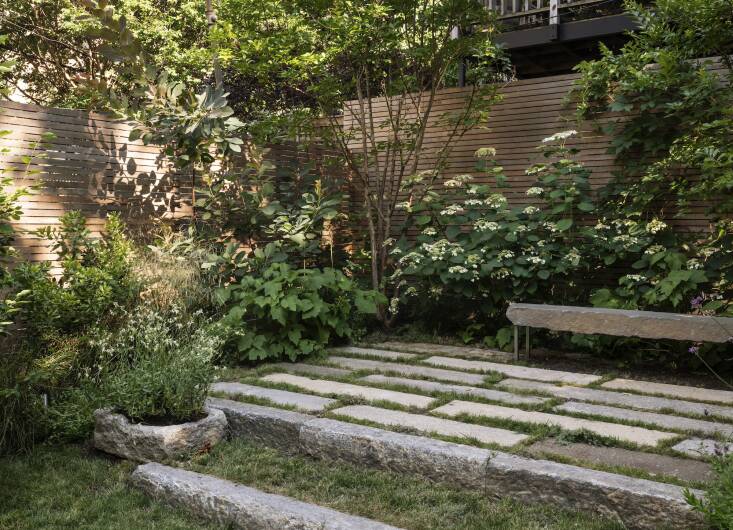
 Above: The clients wanted a sustainable, low-maintenance lawn, so Farris had her contractor seed a turf grass and clover in the lawn area below and grass mixed with thyme in between the stone pavers at the back.
Above: The clients wanted a sustainable, low-maintenance lawn, so Farris had her contractor seed a turf grass and clover in the lawn area below and grass mixed with thyme in between the stone pavers at the back.
Reclaimed stone planks aligned with Farris’s clients’ desire for sustainable materials and also instantly made the garden feel more established. The furthest back section of the yard had dirt piled up post-construction, so Farris had her contractors terrace it. Upcycled granite curbs hold the higher level. 
Above: Reclaimed stone planks aligned with Farris’s clients’ desire for sustainable materials and also instantly made the garden feel more established. The furthest back section of the yard had dirt piled up post-construction, so Farris had her contractors terrace it. Upcycled granite curbs hold the higher level. 
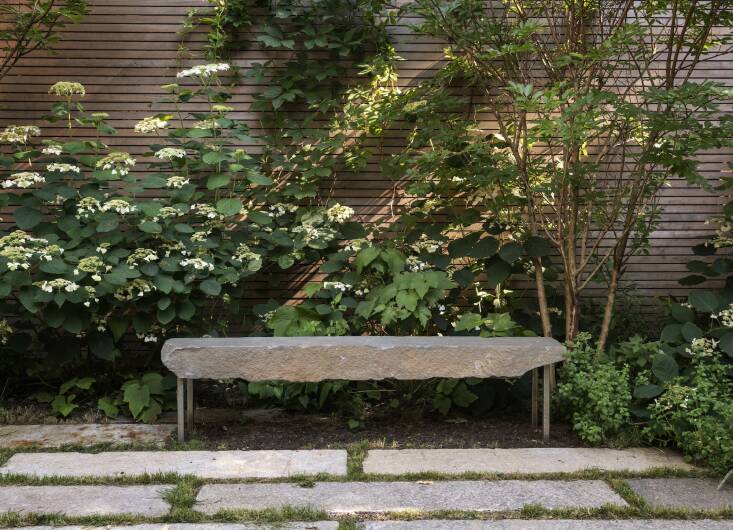
 Above: The bench, flanked by two crepe myrtles, is a chunk of bluestone Farris found at the stone yard and commissioned 6\18 Design to make it look like it&#8\2\17;s floating. Farris says the design of the clear cedar fence (a sustainable wood) was inspired by a project by Tom Stuart Smith.
Above: The bench, flanked by two crepe myrtles, is a chunk of bluestone Farris found at the stone yard and commissioned 618 Design to make it look like it’s floating. Farris says the design of the clear cedar fence (a sustainable wood) was inspired by a project by Tom Stuart Smith.
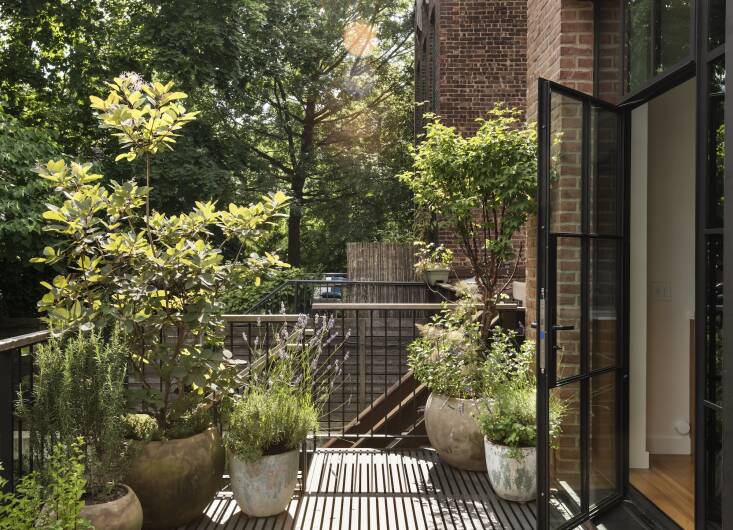
The parlor floor deck features an abundance of aged terra cotta pots planted with herbs, trees, (including a smoketree at left), grasses, and flowering vines. Farris notes that all the plants “soften” the architecture. The dining table and chairs are from Fermob.
Above: The parlor floor deck features an abundance of aged terra cotta pots planted with herbs, trees, (including a smoketree at left), grasses, and flowering vines. Farris notes that all the plants “soften” the architecture. The dining table and chairs are from Fermob.

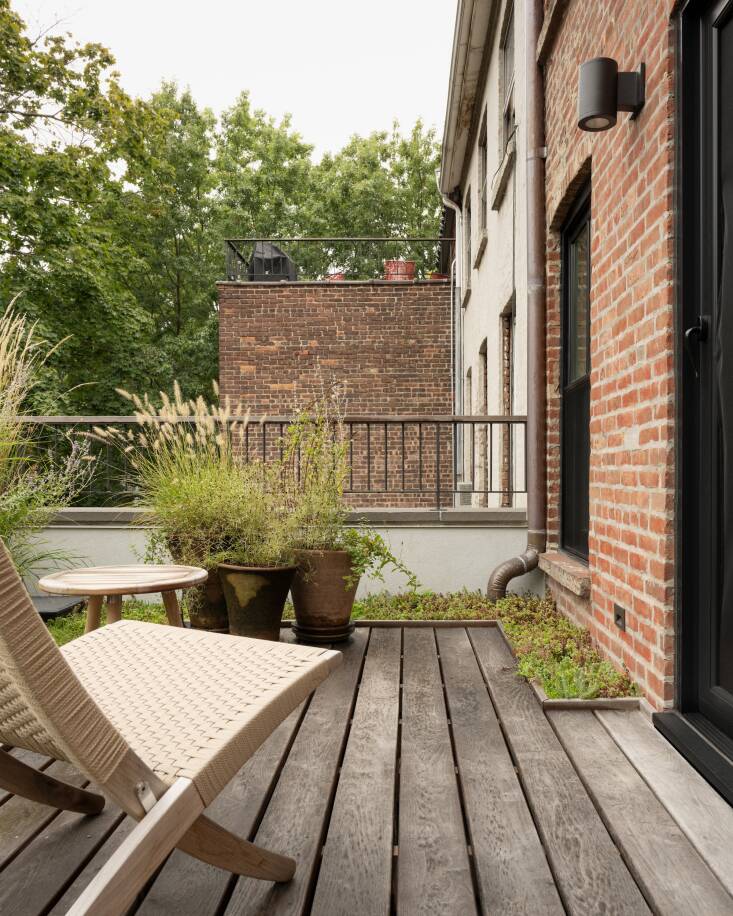
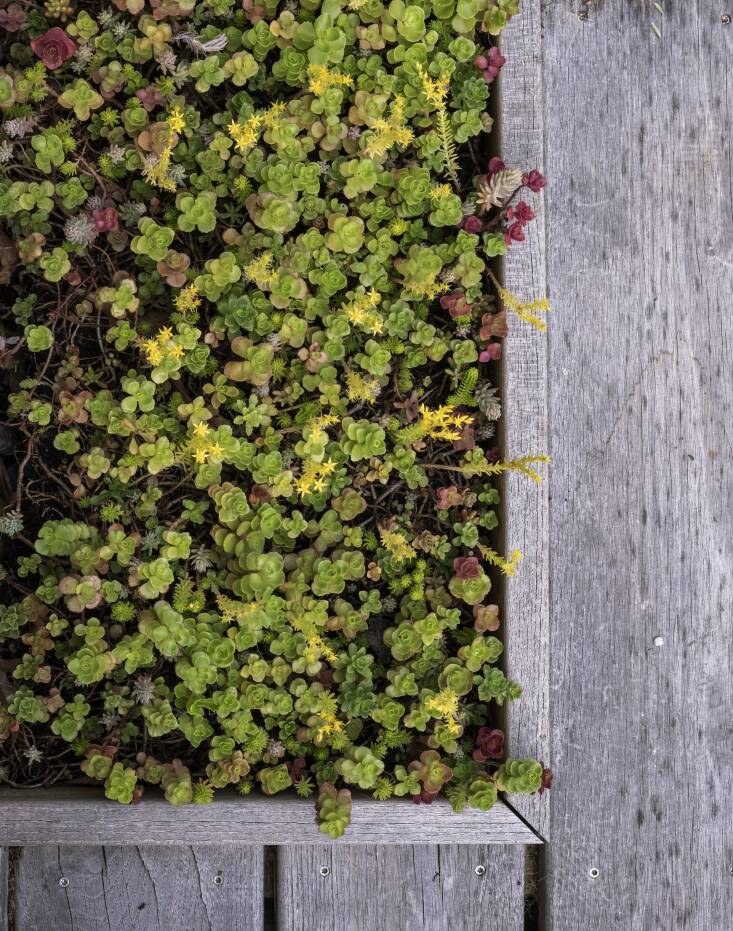
Above: To create a small floating deck on the roof of the addition, Farris specified a black locust, which is a locally-sourced, native hardwood. The deck is surrounded by a sedum green roof. The terracotta pots are from Campo De’ Fiori and the Carl Hansen & Son Cuba chairs were purchased from DWR. Photograph at left by Pia Ulin.

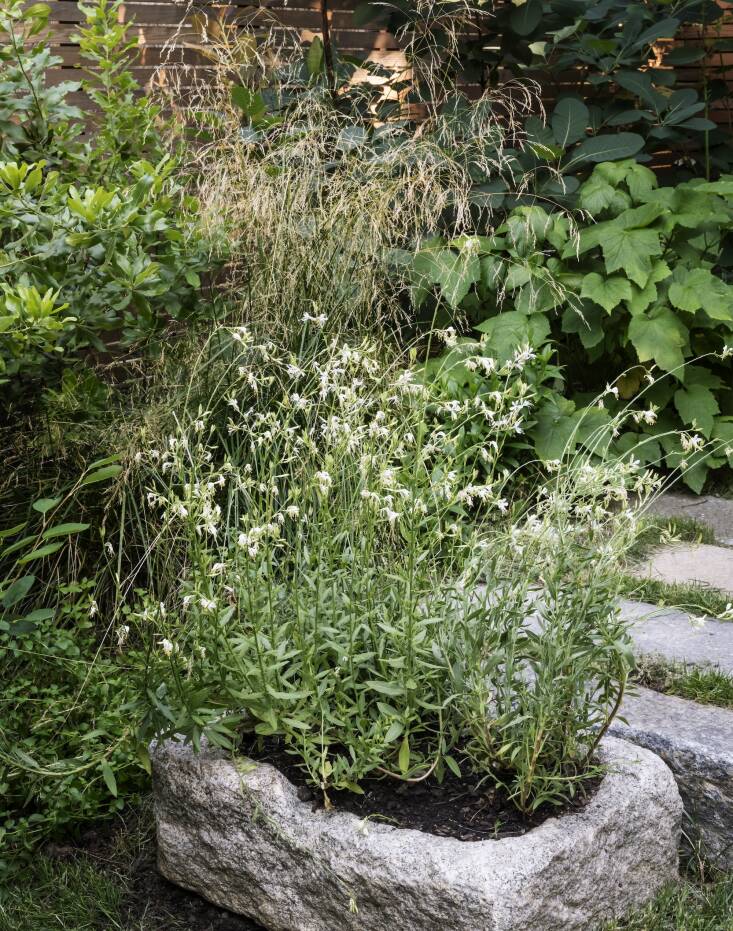
Above: In a relatively small space, Farris says, “having a sense of airiness was important.” Many of the plants she chose have movement or lightness to them. Both Farris and her client also had favorite plants that they incorporated into the garden, including Guara (left) and ‘Black Knight’ Scabiosa (right).

See also:

(Visited 178 times, 178 visits today)
You need to login or register to view and manage your bookmarks.

Have a Question or Comment About This Post?

Join the conversation

v5.0