

As the year comes to a close, mailboxes (both real and digital) are flooded with donation requests from nonprofit organizations. This is a critical time for charities because how much they raise in the final weeks of December influences what they can spend in the year ahead.
Here at Gardenista we are firm believers in the transformative power of gardens, so we’re happy to direct some donor dollars to organizations that promote gardens and, more generally, plants and wildlife. Today, we’re highlighting a dozen of these deserving nonprofits.
The Garden Conservancy
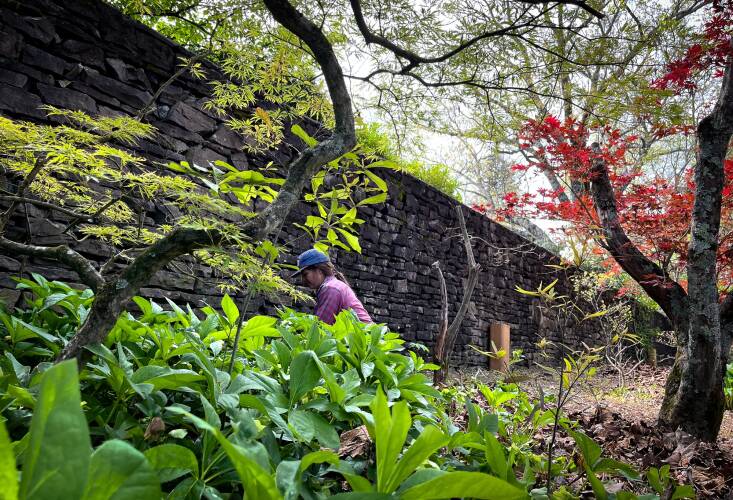
The Garden Conservancy’s mission is “to preserve, share, and celebrate America’s gardens and diverse gardening traditions for the education and inspiration of the public.” The organization’s work includes direct support to preserve public gardens and as well as funding smaller garden-related nonprofits, but what we love most is the sharing part of their mission: The Garden Conservancy makes it possible to experience gardens in person through its Open Days program.
The Native Plant Trust
Originally founded in 1900, the Native Plant Trust was U.S.’s first plant conservation organization; its mission is to “conserve and promote New England’s native plants to ensure healthy, biologically-diverse landscapes.” In addition to running a public botanic garden and a native plant nursery, the Native Plant Trust offers a wealth of online and in-person courses.
Homegrown National Park
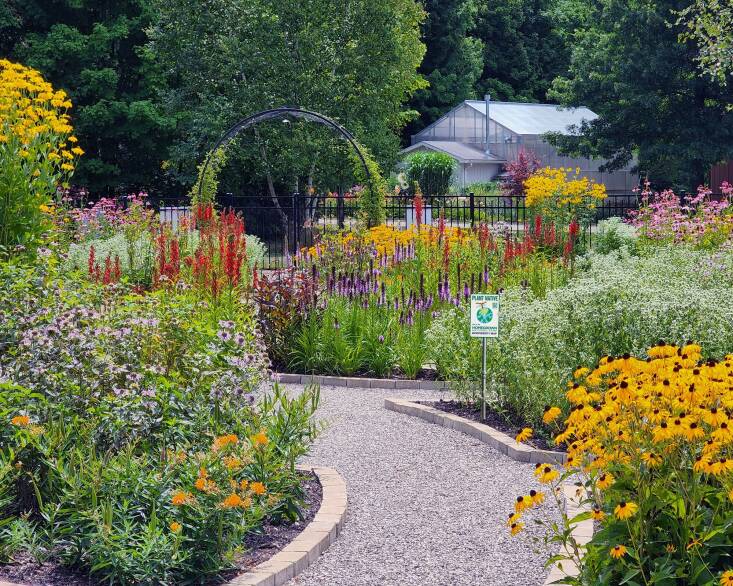
Founded by entomologist and author Doug Tallamy, Homegrown National Park’s name stems from Tallamy’s assertion that our National Parks are too small and separated from one another to preserve native species to the levels needed, so we need to extend “national parks” to our yards and communities. The organization’s mission is to raise awareness about the biodiversity crisis, and more importantly to inspire action, “adding native plants and removing invasive ones where we live, work, learn, pray, and play.”
Wild Seed Project
Based in Maine, the Wild Seed Project is one of the U.S.’s only nonprofits focussed on native seeds. The organization collects and distributes wild seeds and encourages gardeners to grow hyper-local plants from wild seed. Members receive the organization’s excellent annual publication as a perk. (Through the end of 2025, all donations to Wild Seed Project will be matched, up to $20,000.)
Wild Ones
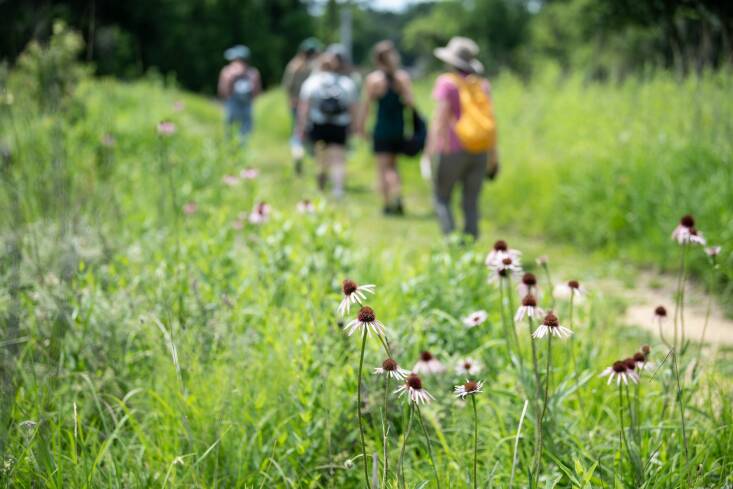
Based in Wisconsin, Wild Ones promotes environmentally sound gardening practices and aims to “preserve biodiversity by educating the public about the preservation, restoration, and establishment of native plant communities.” We love that Wild Ones has expanded their free Native Garden Design Program, which provides region-specific, professionally designed templates to help people transform conventional yards into native-dominated landscapes. There are currently more more than 100 local chapters.
Xerces Society for Invertebrate Conservation
While not technically a garden-related organization, the Xerces Society’ is dedicated to the “conservation of invertebrates and their habitats,” which often dovetails with how individuals manage their home and public landscapes. The Xerces Society produces high-quality, research-backed publications that help guide effective conservation efforts; they’re Gardenista’s go-to source when it comes to garden practices that are most supportive of insects and invertebrates.
Perfect Earth Project
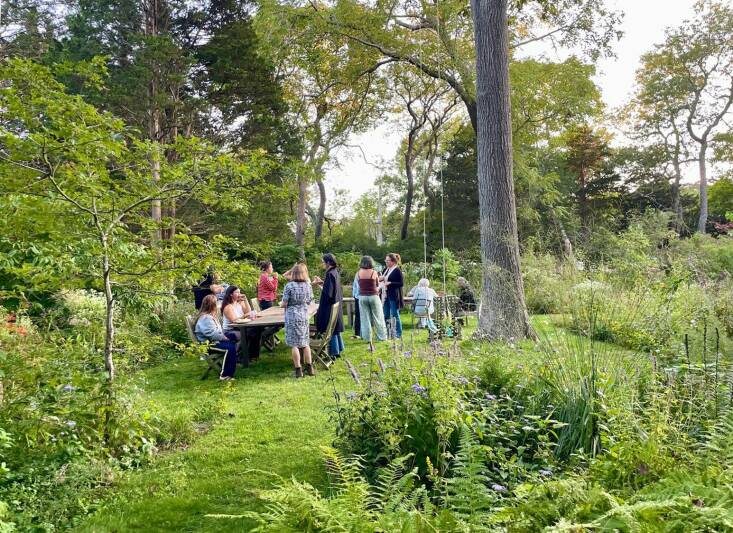
Gardenista has partnered with Perfect Earth Project on ecological gardening content for the last two years. Founded by landscape designer Edwina von Gal, this nonprofit aims to educate and inspire individuals to adopt toxic-free, nature-based, and climate-responsible landscaping practices, with a special focus on garden pros, land care professionals, and community decision-makers.
Seed Savers Exchange
Passionate fruit and vegetable gardeners will appreciate Seed Savers Exchange’s mission to “keep heirloom seeds in our gardens and on our tables.” They do this through their seed exchange, which collects and shares heirloom seeds with members and nonmembers alike.
American Horticultural Society
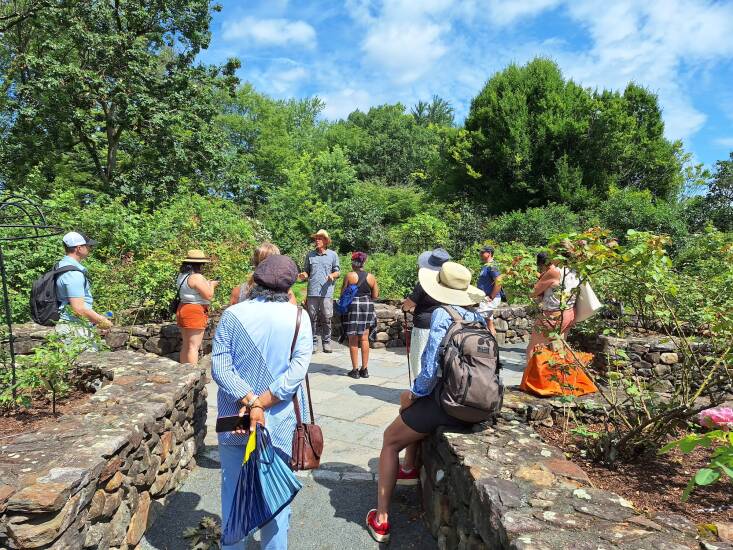
The venerable American Horticultural Society, whose mission is “inspire a culture of gardening and horticultural practices that creates and sustains healthy, beautiful communities and a livable planet,” has been quietly undergoing a revival. In the last year AHS has revamped their magazine American Gardener, published two books (with another on the way in 2026), and launched a new grant program for youth educators. Membership gets you a subscription to their magazine and access to partner gardens across the country.
The American Public Gardens Association
As its name suggests, The American Public Gardens Association supports public gardens and public gardeners, with a focus on bringing garden professionals together to learn from each other. The organization also advocates for hundreds of public gardens in North America and internationally.

National Wildlife Federation
While the National Wildlife Federation’s overall mission is to ensure wildlife and people thrive in a rapidly changing world, their Garden for Wildlife initiative is focussed on gardens as a force to support wildlife. In season, they sell native plants by mail (and a gift card would make an excellent last-minute gift).
Botanical Gardens
Your local botanical garden is a natural place to donate (and a membership makes an excellent gift). If your community doesn’t have a botanical garden, you might give to a garden that is pushing research forward. New York Botanic Garden is home to one of the world’s largest plant research and conservation programs. Gardeners and horticulturists rely on the plant trials from Chicago Botanic Garden and Delaware’s Mt. Cuba Center, which help identify the best perennials and native plants for horticultural and ecological value. Missouri Botanical Garden is another research hub with an expansive herbarium.





Have a Question or Comment About This Post?
Join the conversation