

In just two weeks, Gardenista: The Low-Impact Garden lands in bookstores! We are so appreciative of all the interest the book has already generated. As a thank-you, our publisher is offering a 20-percent discount when you pre-order our book from their site (use code: GARDENISTA20) before October 14.
And if you need further enticement, here’s another sneak peek from the book: a tour of an inspired residential garden in Australia that takes its cues from the coastal national park right next door.
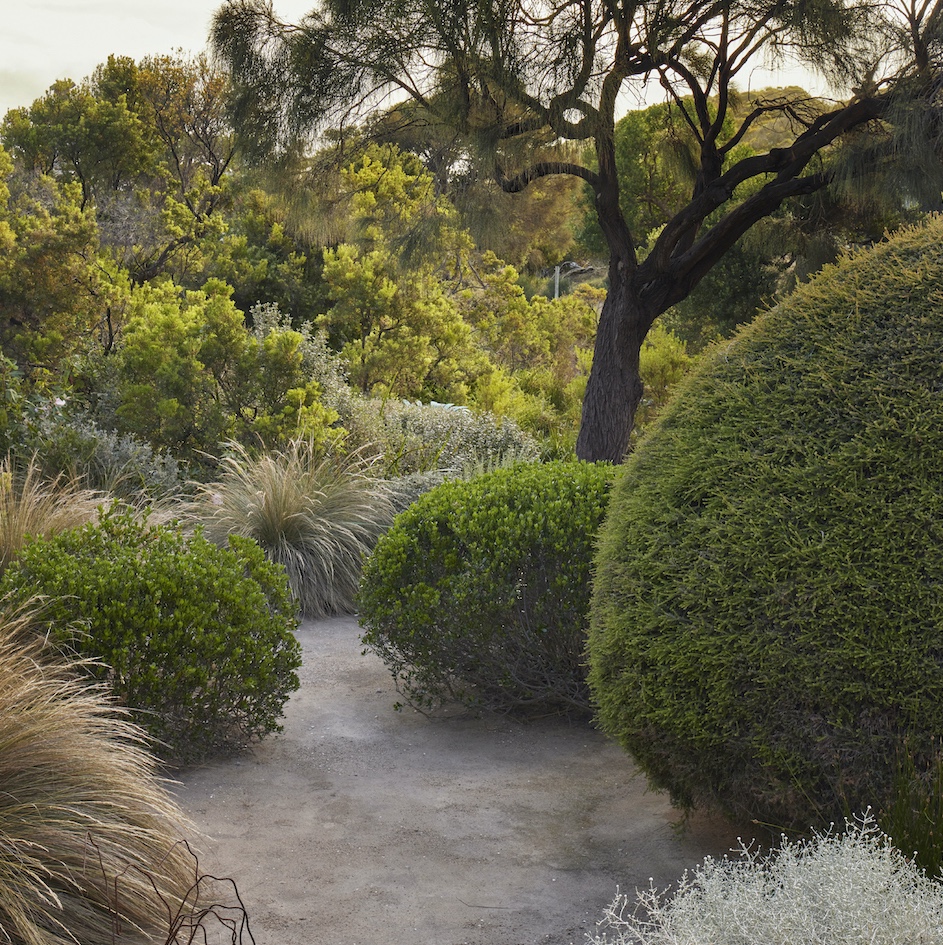
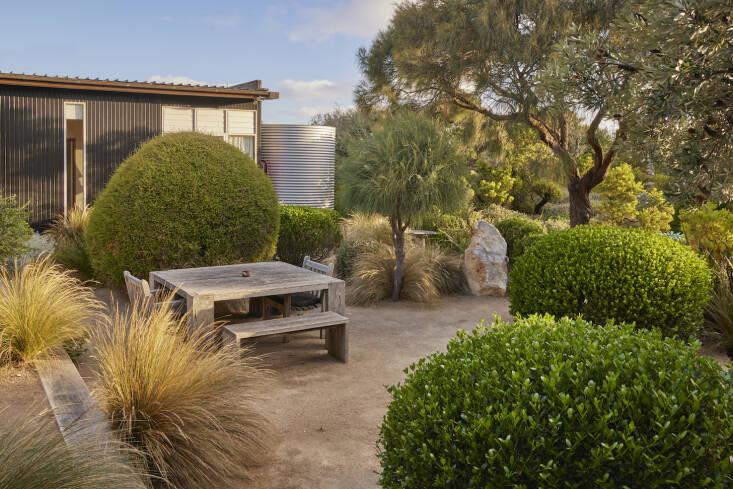
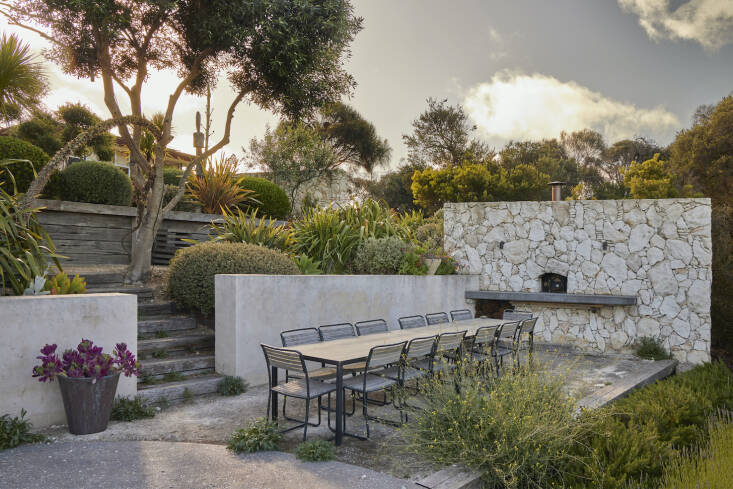
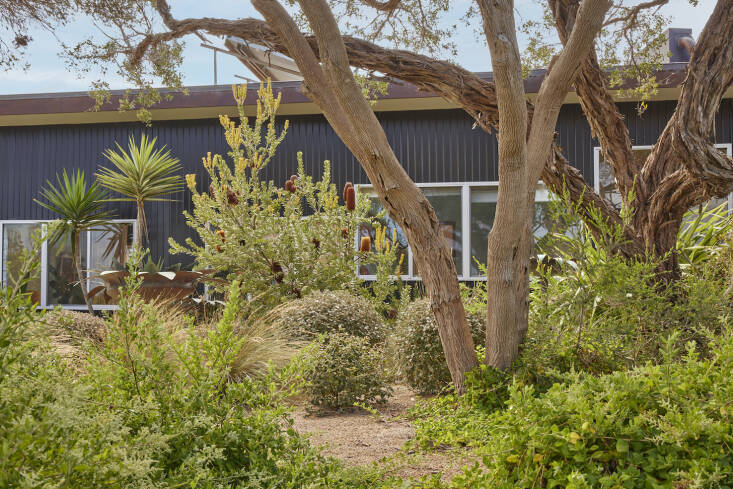
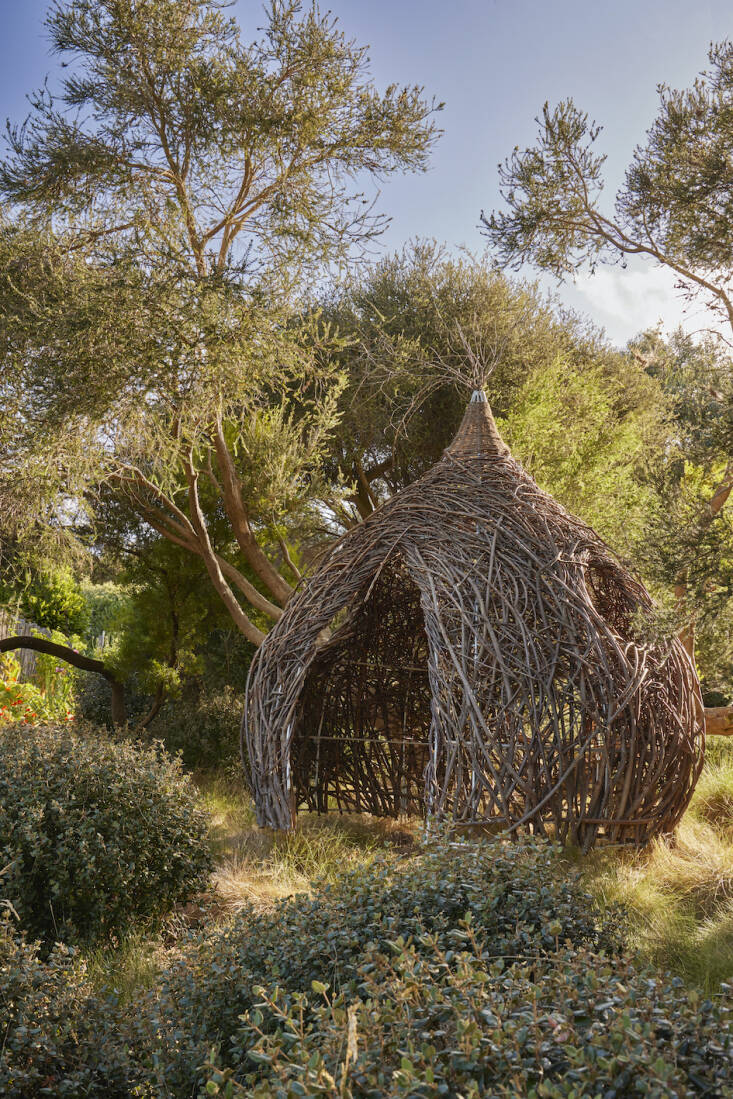
Fiona Brockhoff grew to love the Mornington Peninsula’s wild ocean landscape as a child on vacation. When the renowned landscape designer built her family home here, the style was a nod to 1950s beach shacks—powered by solar panels and rainwater. Her garden is rooted in ecological resilience.
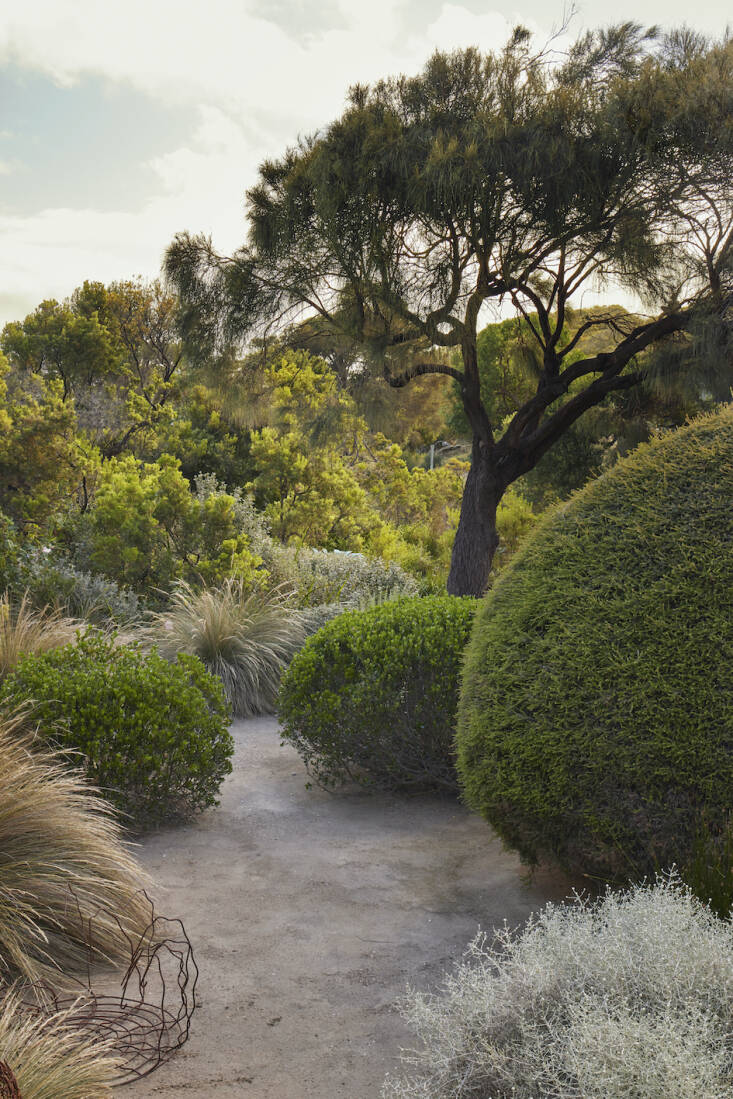
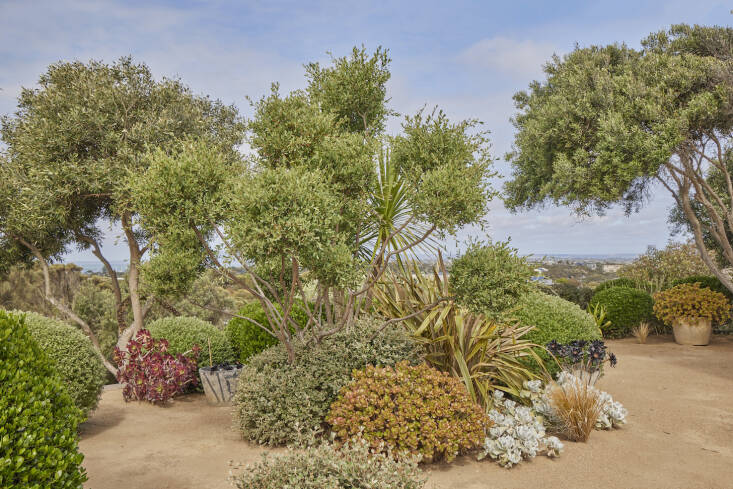
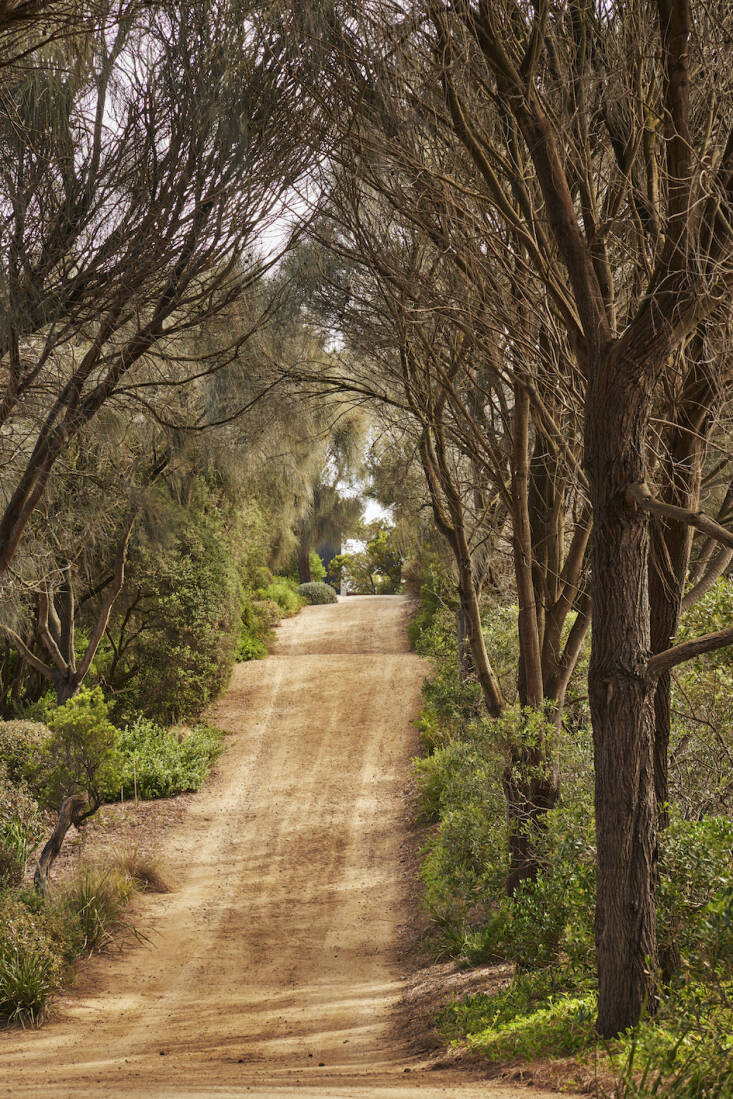
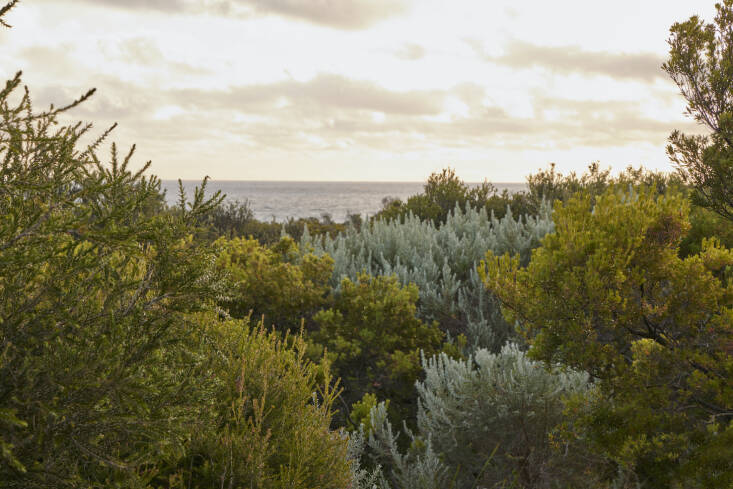
Fiona’s love of native plants stems from long acquaintance, aided by her love of bush walking (or hiking) and camping. The house, named Karkalla after an indigenous coastal plant, and which she shares with her partner and extended family, sits on a strip of land that has the ocean on one side and Port Phillip Bay on the other. “It’s quite a harsh environment—it’s very windy and the soil is sandy,” explains Fiona. “The decisions we made were not just about the layout of the garden and the hard landscape elements. A lot of the plants that I chose were those I’d seen when I’d been walking in the Mornington Peninsula National Park, adjacent to our property.”
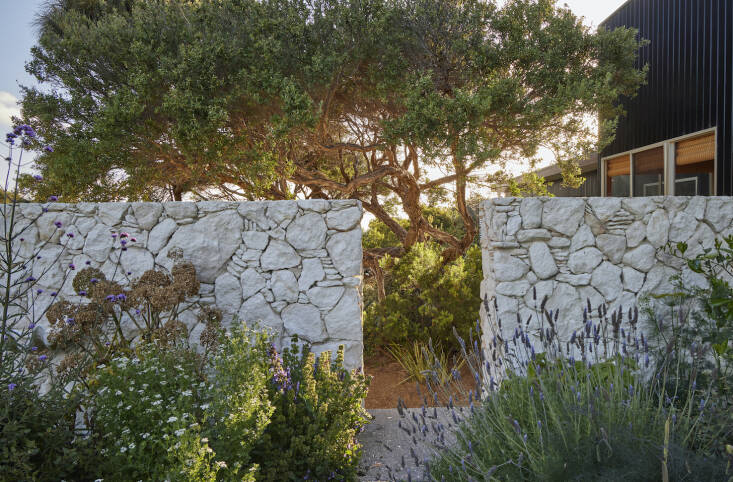
The provenance of materials is as local as the plants: “The gravel comes from a nearby quarry, and a lot of the timbers are from a jetty that was renovated when we were building the garden.” Walls of regional limestone anchor the house and garden and are the continuing work of stonemason David Swann, Fiona’s partner, whom she met on the build.
Fiona focuses on “appropriate planting” rather than lecturing people on the rights and wrongs of natives versus non-natives. When a client asks for bamboo and miniature maples to go in a Japanese-style garden, she asks them to go back a step and think about what it is about a Japanese garden that attracts them. Is it the simplicity and the restricted number of plants and elements in that kind of garden? If so, she suggests creating that feeling using local, indigenous plants.
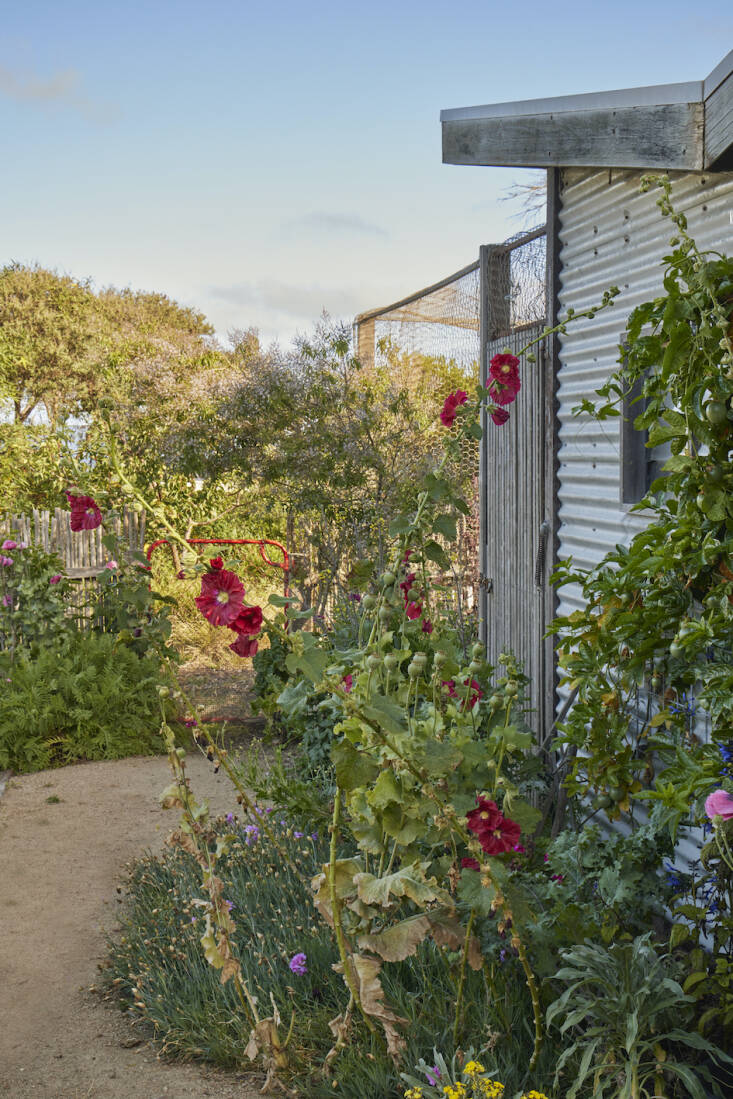
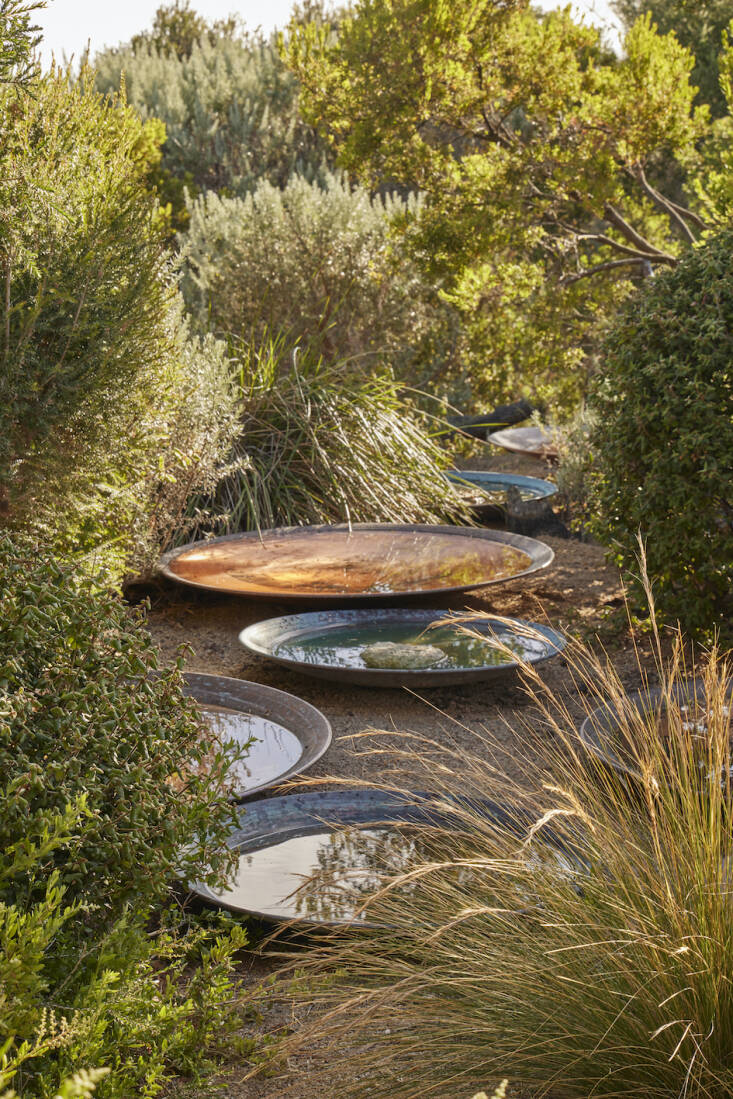
City people on the Mornington Peninsula can bring with them a Melbourne mentality, thinking that constant vigilance is required in watering and general fussing over plants. Fiona tells clients that unless they are growing vegetables, this is not necessary. “It’s more about allowing those plants to be themselves. They don’t require a lot of maintenance because they’re mainly indigenous, or they’re a good ecological fit. Yes, there’s some pruning, and the gravel needs a bit of raking, but on the whole, it’s about working with nature.”
Photography by Caitlin Atkinson.
Lessons Learned: See Plants in a Different Way
Fiona’s planting choices were almost entirely influenced by the landscape around her, in the national park near her house. Here are three ideas for landing on the right plant palette.
• Notice how plants paint a picture. “It’s really important to use your eyes when you observe nature, but also when you see other people’s gardens,” says Fiona. “To try to look at that garden analytically, and work out why it is that you’re drawn to it.”
• Be open-minded. Step away from set ideas and look a bit deeper. Says Fiona: “A lot of my consideration when it comes to planting is about foliage color and shape—and also plant habit, rather than, Has it got purple-blue flowers?.”
• Go for full immersion. Hiking is good and camping is even better for learning about plants. When she was thirteen, Fiona spent a whole year living out in nature with her classmates. “I started looking at the bush [trees, brush, and scrub] with completely different eyes.” Fiona is now permanently drawn to spending time in coastal and alpine environments (and not always in Australia), noting the adaptations of plants in surviving harsh conditions, and seeing how they might work in her own garden.
For more on our new book, see:
- The Garden as a Restored Prairie: A Sneak Peek from Our New Book ‘The Low-Impact Garden’
- Announcing Our New Book: ‘Gardenista: The Low-Impact Garden’



Have a Question or Comment About This Post?
Join the conversation