

The first thing to know is that Oro Blanco is not your grandma’s super tart grapefruit, the kind that puckers your lips and makes you squint like you’re staring at the sun. Oro Blanco is light years from this.
A cross between an acid-less pomelo and a white grapefruit, Oro Blanco (or Oro) is a large citrus with a unique flavor. It’s surprisingly sweet, like a cross between honey and a pear. The real bonus is that it lacks the bitterness that most people shy away from. Other reasons to try the fruit: Oro’s thick but soft, spongy pale yellow rind makes it easy to peel, quite like an orange with segments that separate easily too. Oh, and Oro is seedless and quite juicy, making it a lovely addition to dressings, marinades, and cocktails such as a Paloma. The peel can even be candied, if you fancy that sort of thing. You can, of course, slice this grapefruit in half, old school, and sprinkle brown sugar on top and slide it into the broiler like grandma did with those traditional bitter types, but this grapefruit holds its own and doesn’t really need a sugar topping.
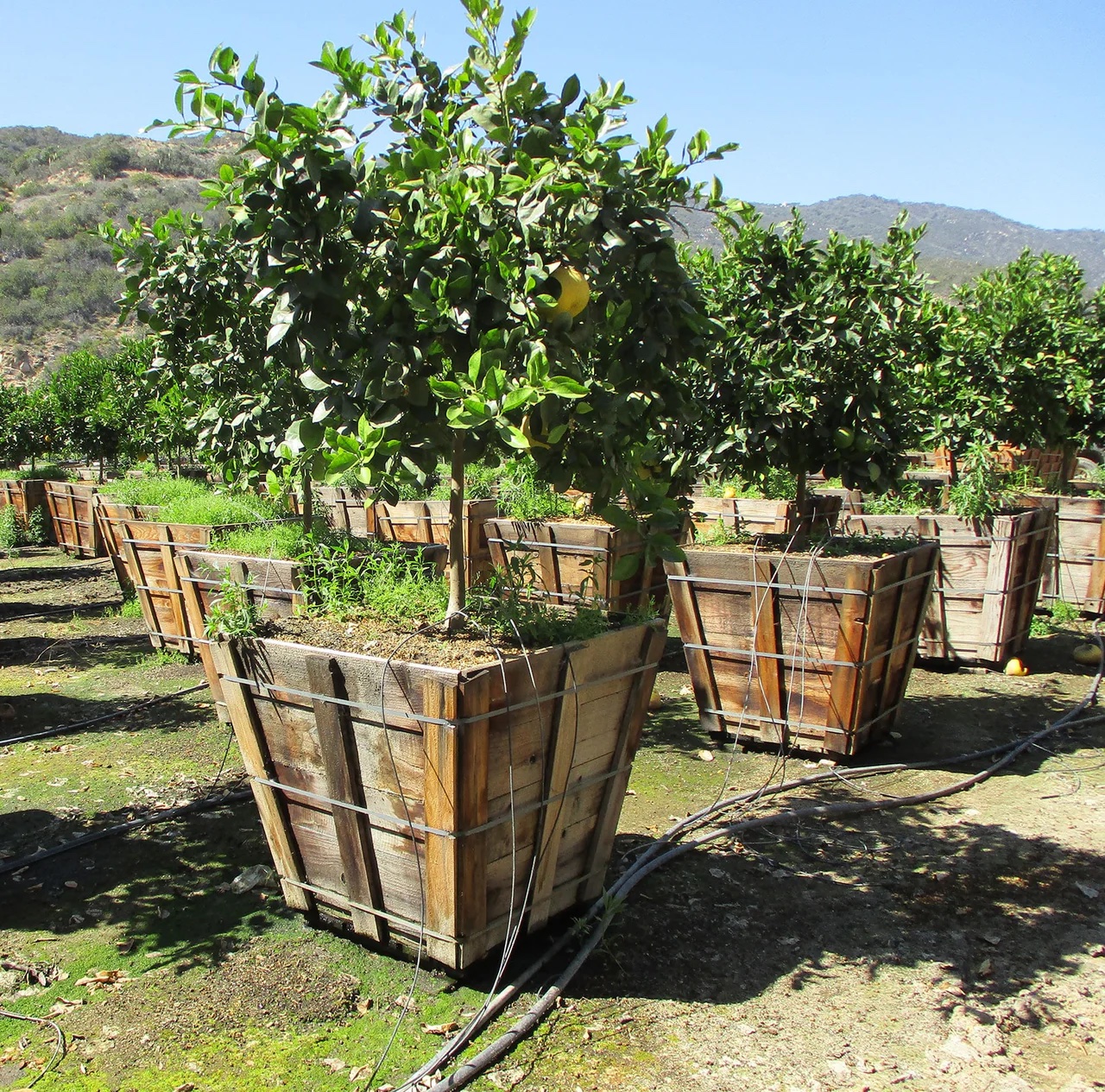
Oro Blanco (Spanish for ‘white gold’) was developed at the Citrus Experiment Station at the University of California, Riverside in 1958 by geneticists James E. Cameron and Robert Soost. The hybrid (created using traditional cross-pollination techniques) took over nine years to develop, and was patented and released to commercial markets in 1980. Interestingly, this grapefruit faced its fair of challenges due to customers mistaking its green skin for being unripe. In Israel, the fruit was rebranded as Sweetie, which helped sales and spread the sweeter word.
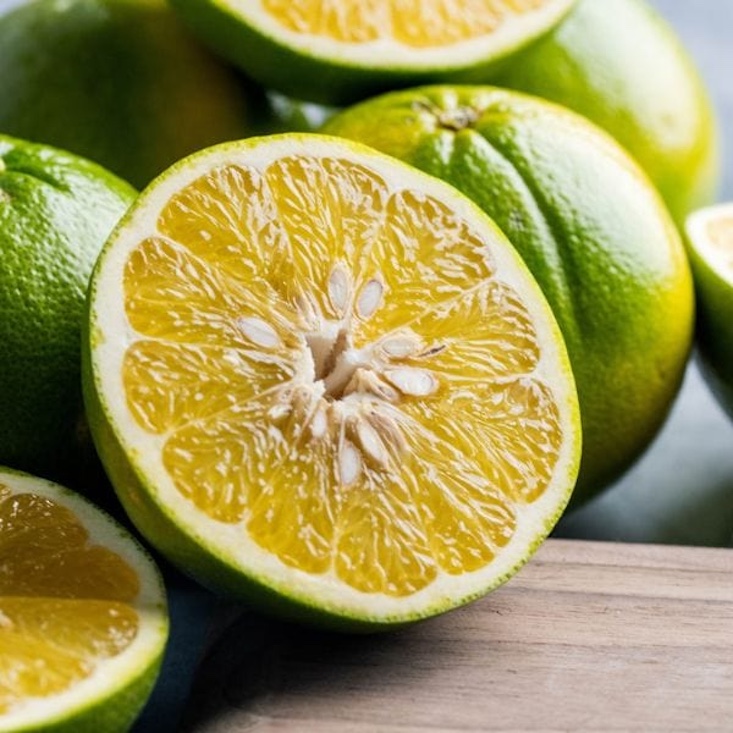
Tip: Look for yellow-green to bright yellow skin but, like mentioned, color isn’t a true indicator; fully ripe ones may still sport green splotches. You can find these citrus treats at farmers markets and specialty stores in the fall season through early spring. Or easier, grow your own outdoors in USDA Zones 9-11. Outside of these zones, consider protecting your citrus from heavy frost by bringing your plant inside or moving it to a warm greenhouse.
Cheat Sheet:
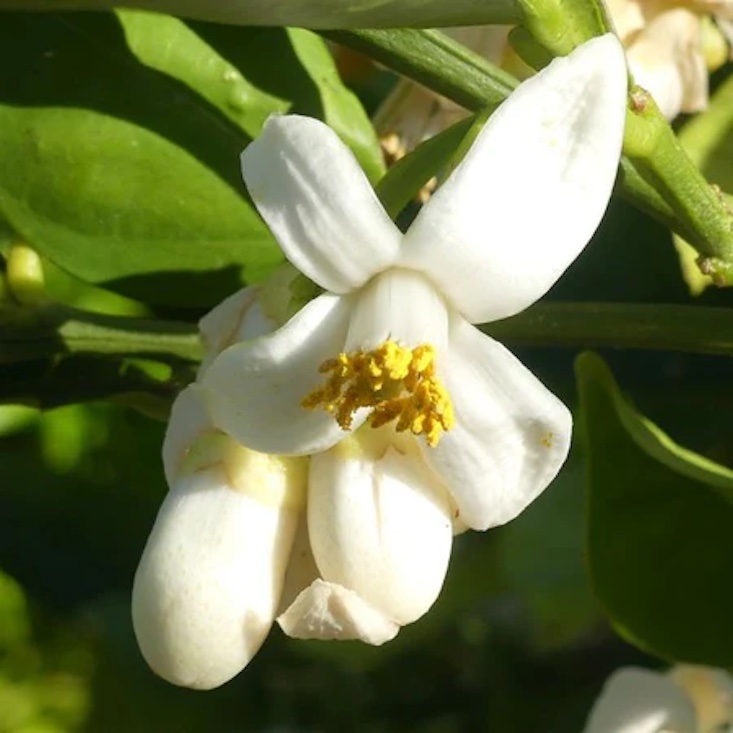
- Intensely fragrant flowers delight people and bees.
- A great source of Vitamin C and useful in various food and drink recipes.
- Perfect for adding to an orchard, edible garden, or sunny balcony.
- Deep green evergreen leaves make it also a wonderful ornamental tree.
Keep It Alive:
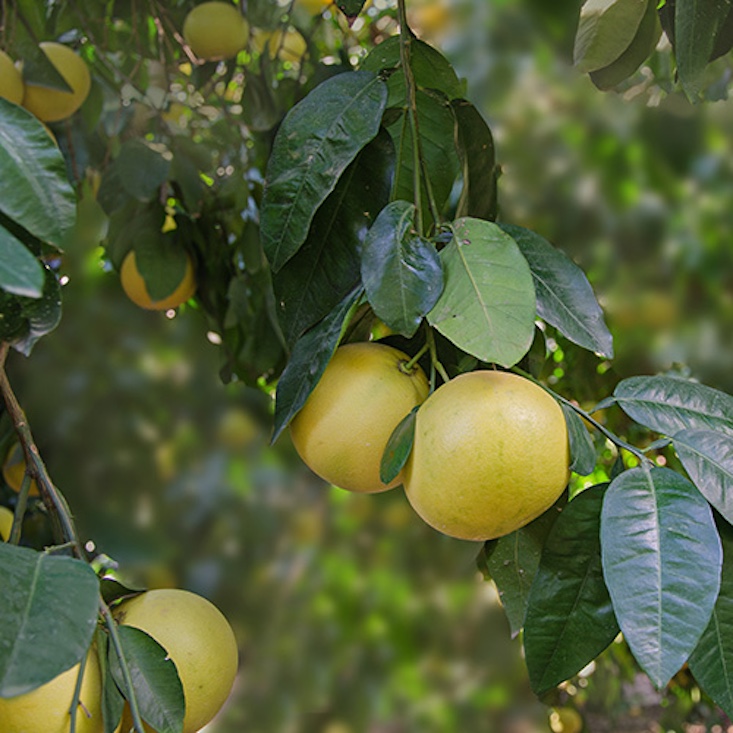
- Grow in a spot that receives at least six hours of direct sun, either planted in a large container or in the ground.
- Use well-draining, sandy loamy soil for planting. Soggy clay is ill-advised as this can lead to rot. You can even look for soil mixes specially formulated for citrus.
- Plant your grapefruit on a slight mound and avoid burying the graft.
- Water deeply and then let the soil dry slightly between drinks.
- In the spring, feed your tree with some organic citrus fertilizer per the label’s instructions.
- Keep your plant well-mulched but do not let the mulch cover the stem.
- Prune to shape and remove any dead stems if they occur.
See also:
- The Citrus Tree I Didn’t Know I Needed: Kumquat
- Expert Advice: 10 Tips for Growing Indoor Citrus Trees
- Hardy Orange: A Velvety, Cold-Climate Citrus






Have a Question or Comment About This Post?
Join the conversation