

The Garden Club of America (GCA) has named Vernonia lettermannii ‘Iron Butterfly’ Plant of the Year—which, according to its website, “is awarded annually to acknowledge the cultivation and use of native plants, trees, shrubs, ground covers, vines, and perennials that are little known but deemed worthy to be preserved, propagated, promoted, and planted.”
“We engage with a small group of horticulture professionals from various botanical gardens and arboreta in the US. They receive all nominations and rank the plants based on growth factors, ecological services, adaptability, etc.,” explains horticulturalist and Freeman Medal vice chair Cynthia Druckenbrod, of the selection process. “They chose Vernonia lettermanni ‘Iron Butterfly’ because of its late season color, compact growth habit making it successful in backyard gardens, and drought and disease tolerance.”
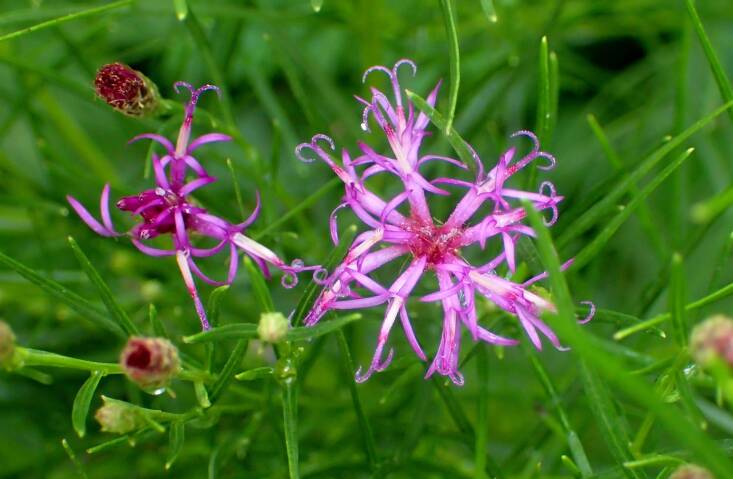
While ironweed itself is not unknown, this cultivar is a recent addition. “More nurseries are growing and selling this cultivar now. It was a relatively recent introduction in 2014, and Mt. Cuba Center’s trial of Vernonia cultivars was conducted between 2020 and 2023. During that time, their botanists ranked V. lettermannii ‘Iron Butterfly’ very high,” she shares.
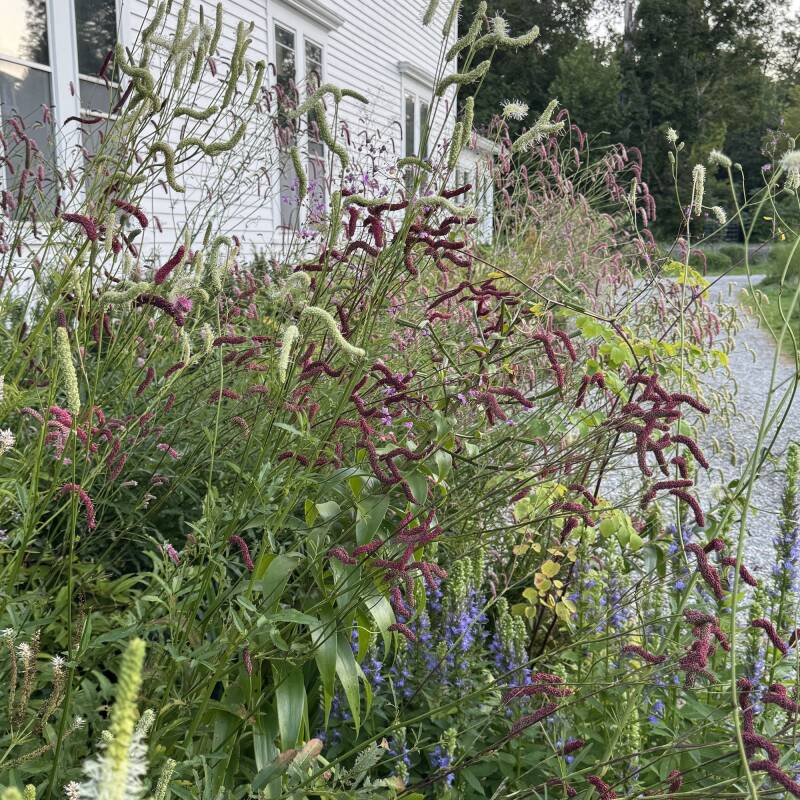
The cultivar has a lot going for it—and landscape designers have taken notice (Piet Oudolf has been known to incorporate the plant into his landscapes). With beautiful, almost fern-like narrow leaves, it adds soft mounds of texture in the garden. Its clumping habit makes it well behaved. It can tolerate drought as well as the occasional deluge, making itself happy in just about any part of the garden that has full sun. It can grow in poor soil and doesn’t require much attention, but can benefit with a Chelsea chop in May. Its purple-ish flowers bloom as early as July and can continue to frost, providing food for migrating hummingbirds and butterflies.
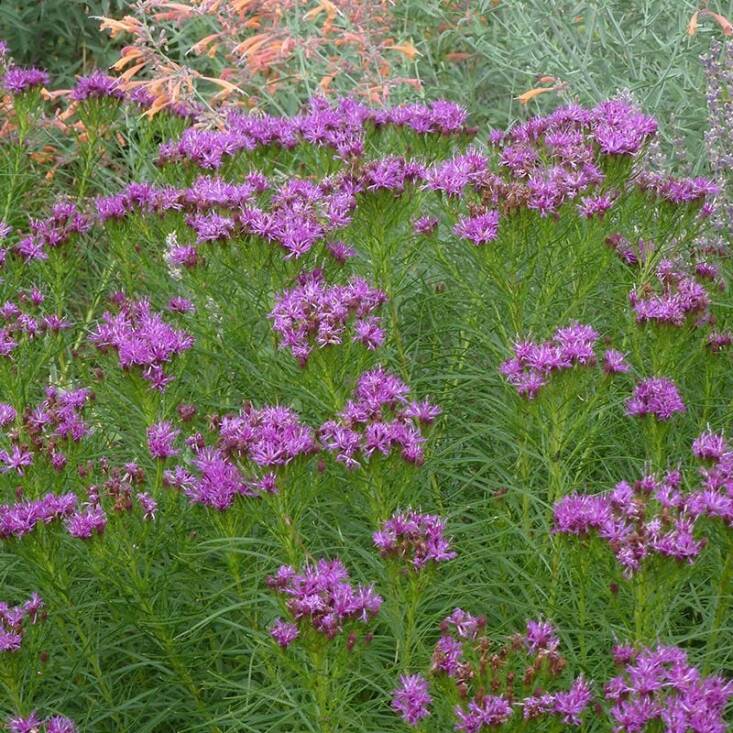
“Gardens should provide nectar sources for pollinators equally during spring, summer, and fall if possible. I think most tend to focus on mid-summer blooming perennials. Fall-blooming perennials are a real delight providing color until frost and important food resources for insects that overwinter or are laying eggs in the fall.”
One last thing, if you are wondering if the plant was named after rock band Iron Butterfly, the answer is, yes! Steve Castorani, from North Creek Nurseries, gave it its name as a nod to the band and to the plant’s toughness and ability to thrive in poor conditions.
Cheat Sheet
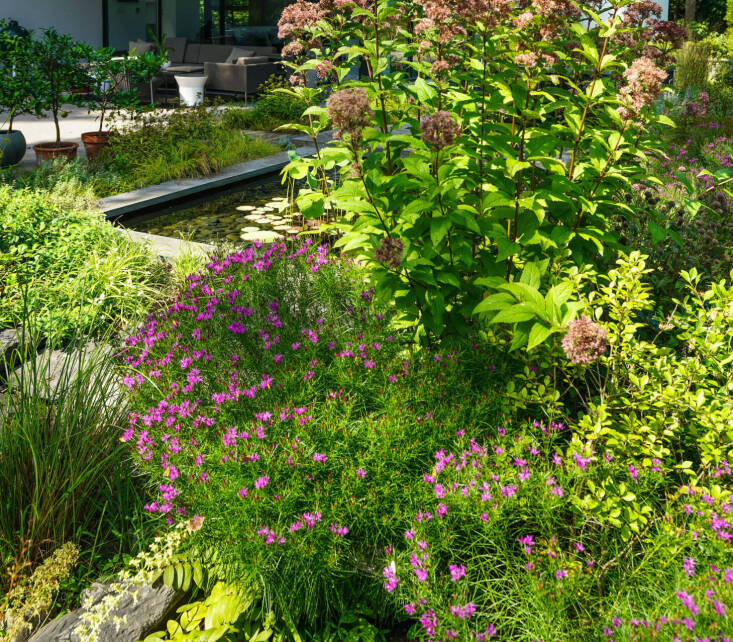
- Native to Arkansas and Oklahoma, the hardy perennial does best in zones 4 to 9.
- Tolerates a wide range of soils.
- Grows to 24- to 36-inches high and 18- to 36-inches wide. Clump forming.
- Drought tolerant once established.
- Low maintenance. Happy in a prairie as well as a rock garden.
Keep It Alive
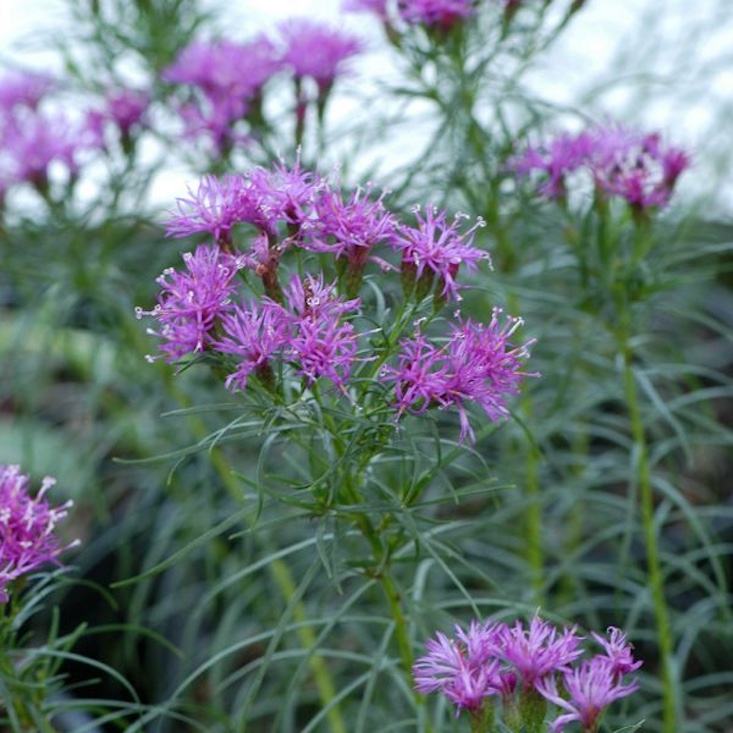
- Prefers full sun but will tolerate light shade. Too little sun will make the plant floppy.
- Quite happy in poor soil, since over-rich soil will do the same as too little sun.
- Very disease- and pest-resistant.
See also:
- Now Trending: 9 Surprising Purple Palettes for a Garden
- 5 Favorite Hummingbird-Approved Plants
- Jewelweed: An Annual to Lure Hummingbirds




Have a Question or Comment About This Post?
Join the conversation