


When I was a child, my plant-obsessed parents would take my sister and me to any garden and nursery that was within reasonable distance from our home in Mill Valley, CA. One nursery we frequented, basically so my parents could buy obscure plants, required a journey through towering redwood trees and along winding roads. The trip felt like we were traveling far out to a hidden sanctuary. This was Western Hills Garden.
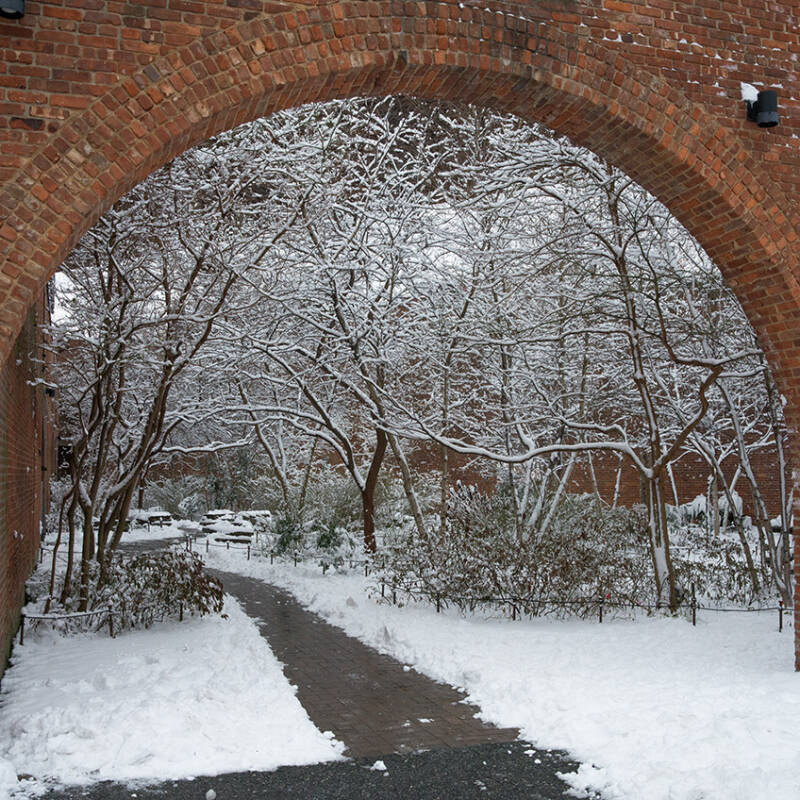
Recently I returned to the magical three-acre garden nestled in Occidental, eager to see if my childhood memories would resurface—verdant visions of hidden ponds, wooden bridges, and dense plantings. I was also excited to discover what the new owners, Hadley Dynak and Kent Strader, were doing to carry on the legacy. And though I visited in slumbering winter, the garden’s structures, the underlying design, the meandering paths—illuminated by soft filtered light through stately trees—all confirmed that Western Hills remains a true paradise for plant lovers, just the way I remembered it.
Please join me for a wander through this wooded garden filled with curiosity, experimentation, and a rich legacy.
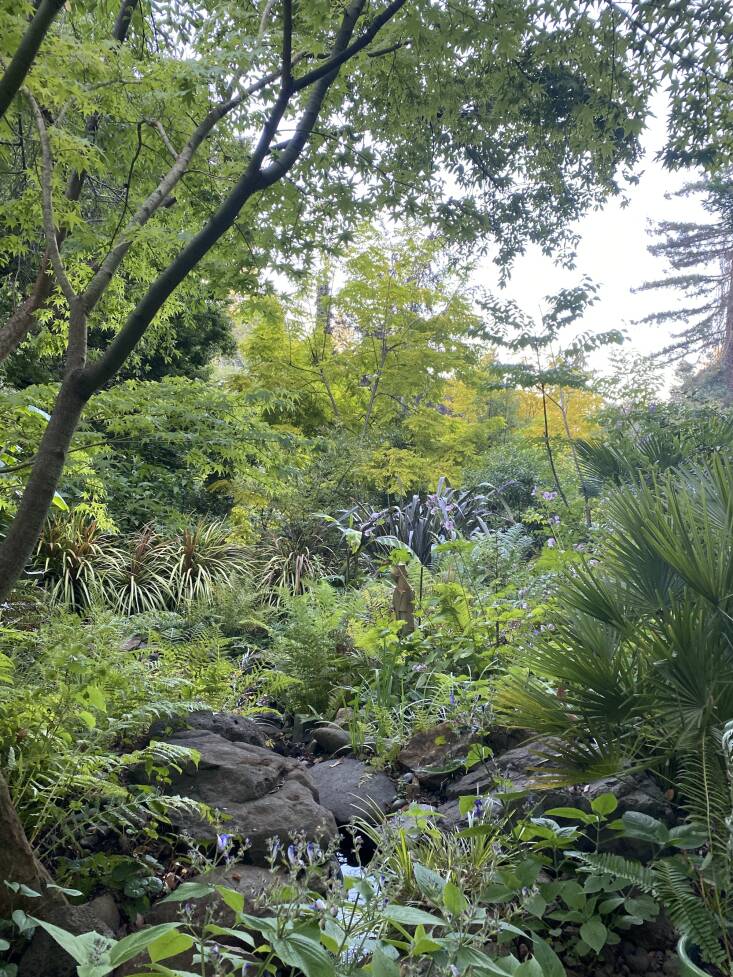
Founded in 1959 by landscape designer Lester Hawkins and botanist Marshall Olbrich, Western Hills Garden became famously known as a pioneering summer-dry garden, where serious horticultural experimentation took place. Rare plants from across the globe were rigorously tested and generously shared with fellow horticulturists and plant collectors. It was a unique place where rare nursery plants could be seen in situ, where ideas and cuttings were exchanged, and where afternoons were filled with lengthy conversations.
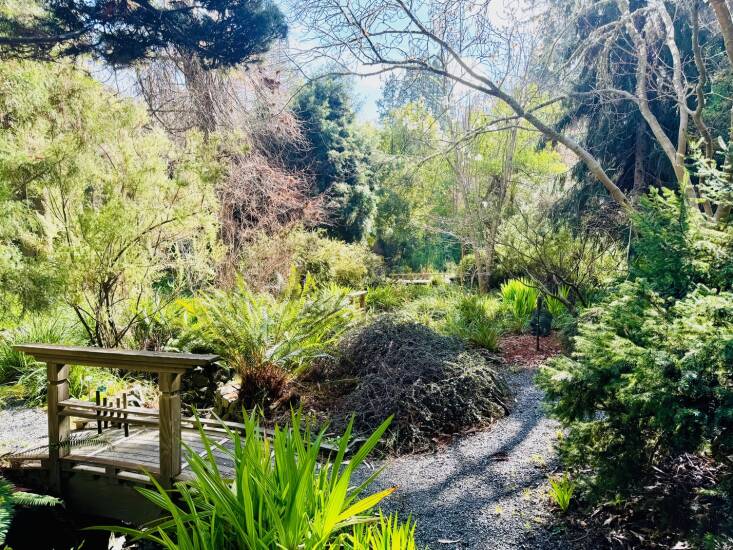
RG Turner, editor emeritus of Pacific Horticulture and the first executive director of the Ruth Bancroft Garden, called it, “a salon in the redwoods.” In its next chapter, Maggie Wych, the garden’s second owner, preserved both the collection and the welcoming community spirit, maintaining Western Hills as a quiet pilgrimage site for plant enthusiasts and a rare plants nursery.
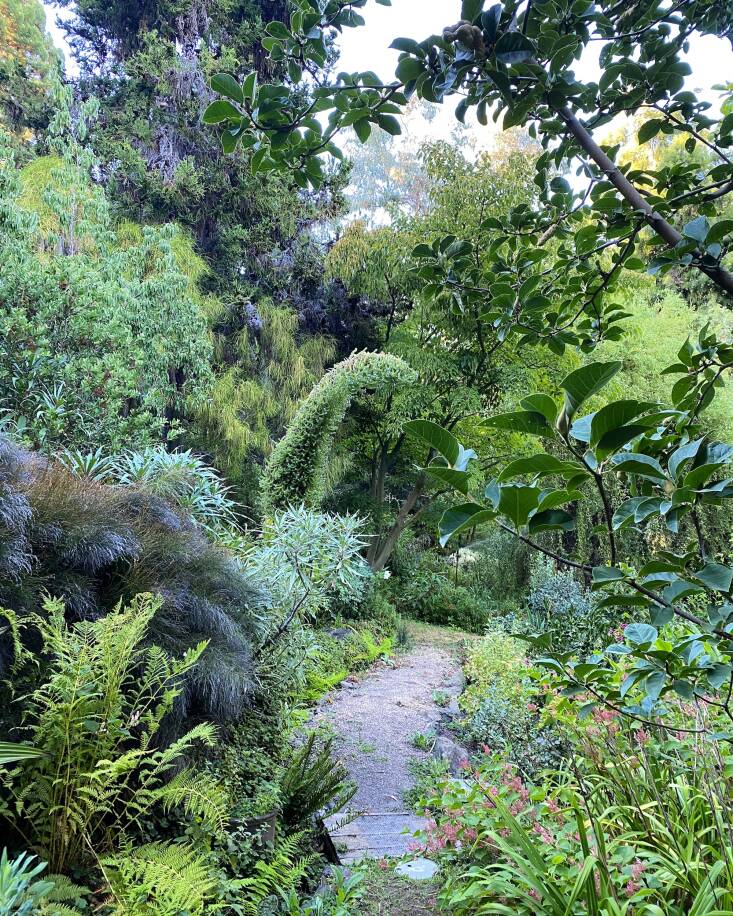
Enter Hadley and Kent, who were immediately captivated by the garden’s beauty, wildness, history, and future possibilities. Hadley shares, “The idea was never ‘own’ a private botanical refuge but to share it with the community as a public garden space.”
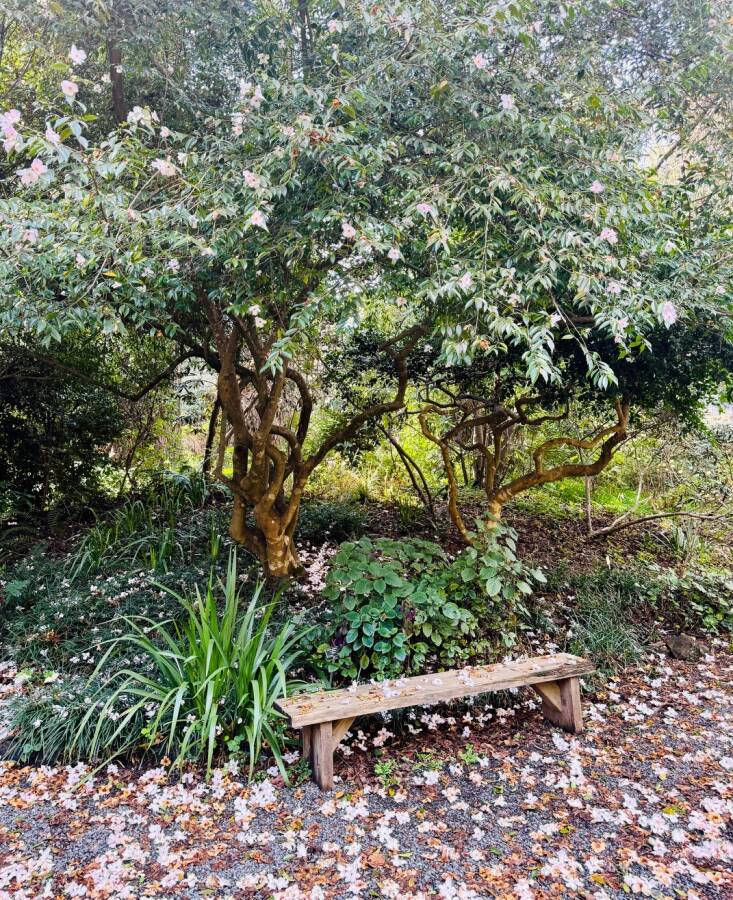
Soon after purchasing the property, the ambitious couple began the hard work of weeding, unearthing, and pruning. More important, they reached out to those who understood its legacy and to their extended network of friends, family, and professional connections. The couple formed a horticultural advisory committee, which includes leaders from UC Berkeley Botanical Garden, Filoli, Cistus Nursery, and Santa Rosa Junior College, among others. “Preserving Western Hills,” Hadley explains, “means protecting its experimental spirit as much as its specimen plantings.”
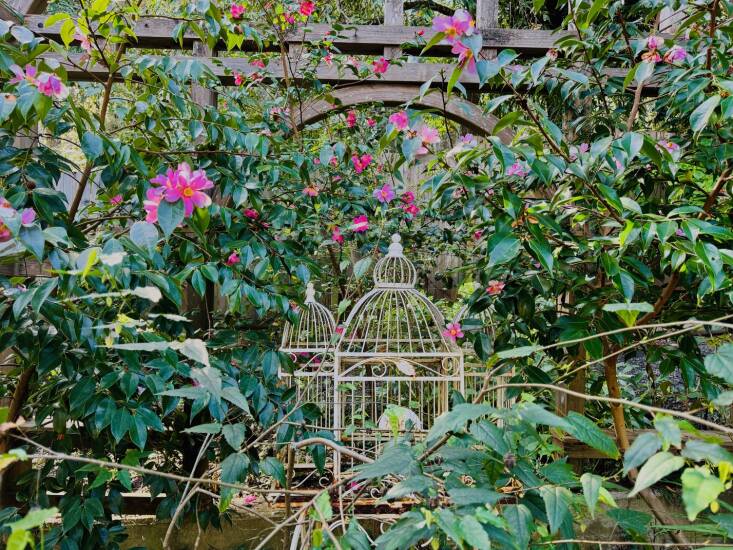
Over the past four and a half years, Western Hills has transitioned to nonprofit status, shifted the focus to its stunning garden, and expanded its programming with artist residencies, lectures, school visits, summer camps, and seasonal gatherings as well as horticultural and creative workshops.
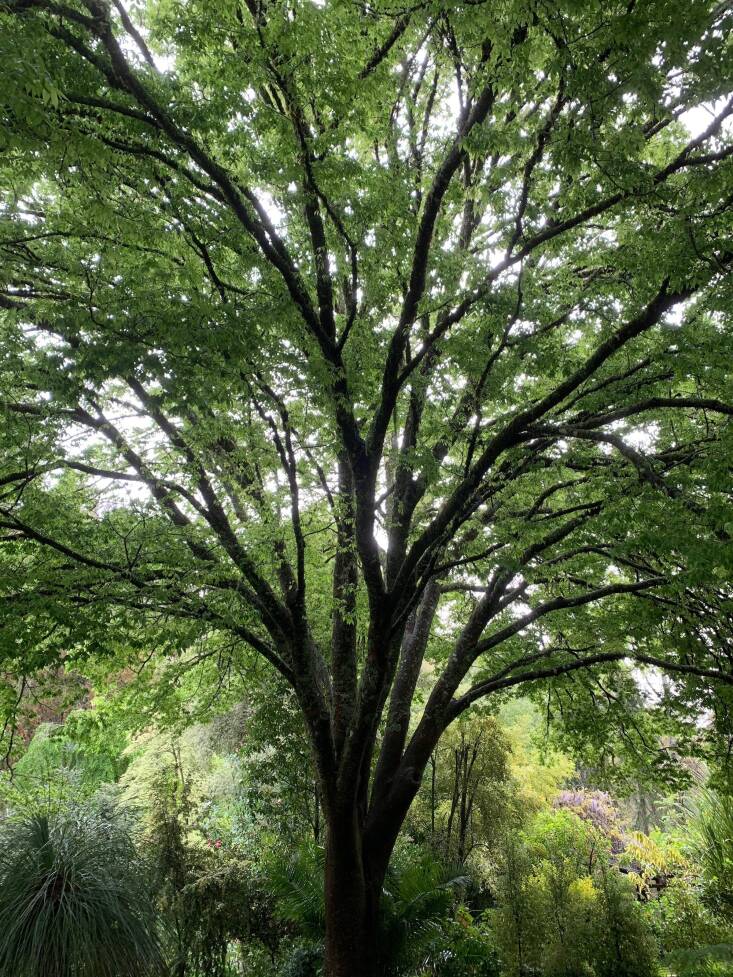
Hadley adds, “The garden has always been a place to learn about horticulture, and we’ve formalized that by developing an Emerging Horticultural Leaders Program to train the next generation of gardeners.” Although Western Hills was once anchored by its substantial rare plants nursery, Kent shares that now the smaller nursery carriers a more selective set of unusual, climate-appropriate plants propagated onsite.
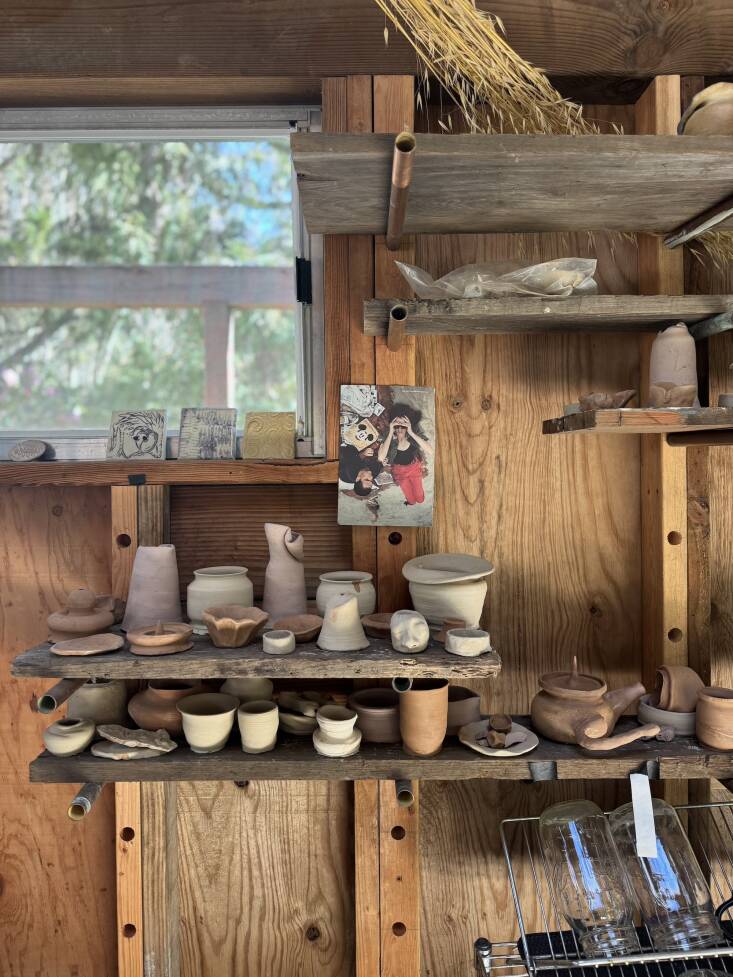
Western Hills is open on weekends from 10–4 and by appointment during the week. Visitors are also encouraged to bring a book, journal, or sketchpad and settle in. “The roots are deep. We’re simply extending the canopy,” says Hadley.
See also:
- Garden Visit: Beverley McConnell’s 12 Acres of Eden
- Garden Visit: Iford Manor in Somerset, England
- Garden Visit: A Hidden, Beautifully Wild Rhododendron Sanctuary in Maine




Have a Question or Comment About This Post?
Join the conversation