

Some elements incorporated into gardens are common, basic, and even—dare I say—uninspired. And then there are garden features that are truly unique and make a statement. For me, moon gates are these standouts.
What is a ‘moon gate’?
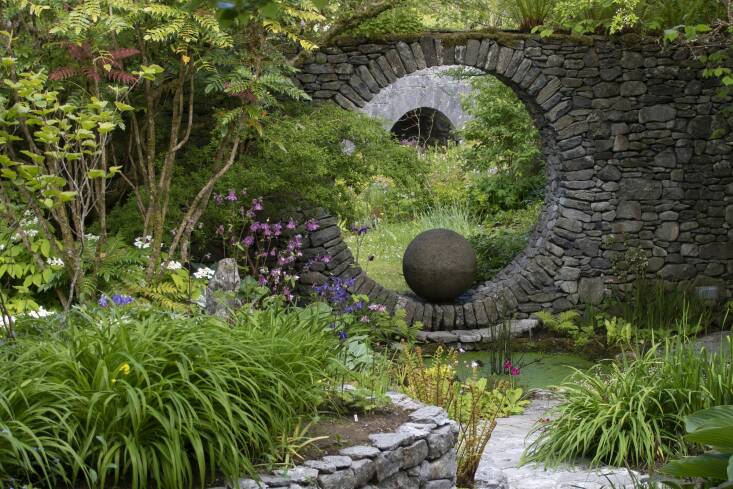
Easily identifiable, a traditional moon gate is characterized by a circular opening in a wall with a small supporting foot that gives it a keyhole appearance. Dating back thousands of years to the gardens of nobility and Chinese emperors, moon gates were used as passageways into the estates. But these iconic portals served more than a functional role. Embedded in a garden wall, the wide open arches represented the harmonious link between humans and nature and symbolized inclusion, wholeness—the circle of life.
Where are moon gates popular?
I went down the inevitable rabbit hole and discovered that, interestingly, moon gates are also a national symbol in Bermuda, where they’re often built from local limestone. Some say the tradition dates back to a seafaring Bermudan who spent time in China and brought back the design. Today island tradition is that anyone—but mainly newlyweds—who walks through a moon gate will get their wishes granted. Of course, moon gates have migrated to other cultures and countries as well, with the design reinterpreted, redesigned, and modernized.
How are they constructed?
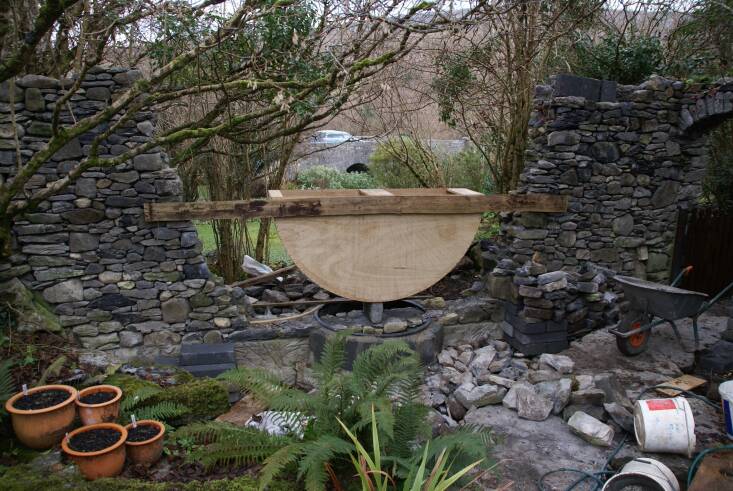
Built stone by stone around around a temporary wooden frame that is eventually removed, the moon gate is complete when a critical keystone is placed at the apex. Superb skill and fine craftsmanship is needed, as it is all done freehand, with no mortar between the stones. Other variations on the style and materials have emerged over the years, and today you can find moon gates constructed from concrete, stucco, metal, brick, wood, or repurposed materials. Moon gates can also be built in various sizes and appear in different garden themes and settings.
Why add one to your garden?
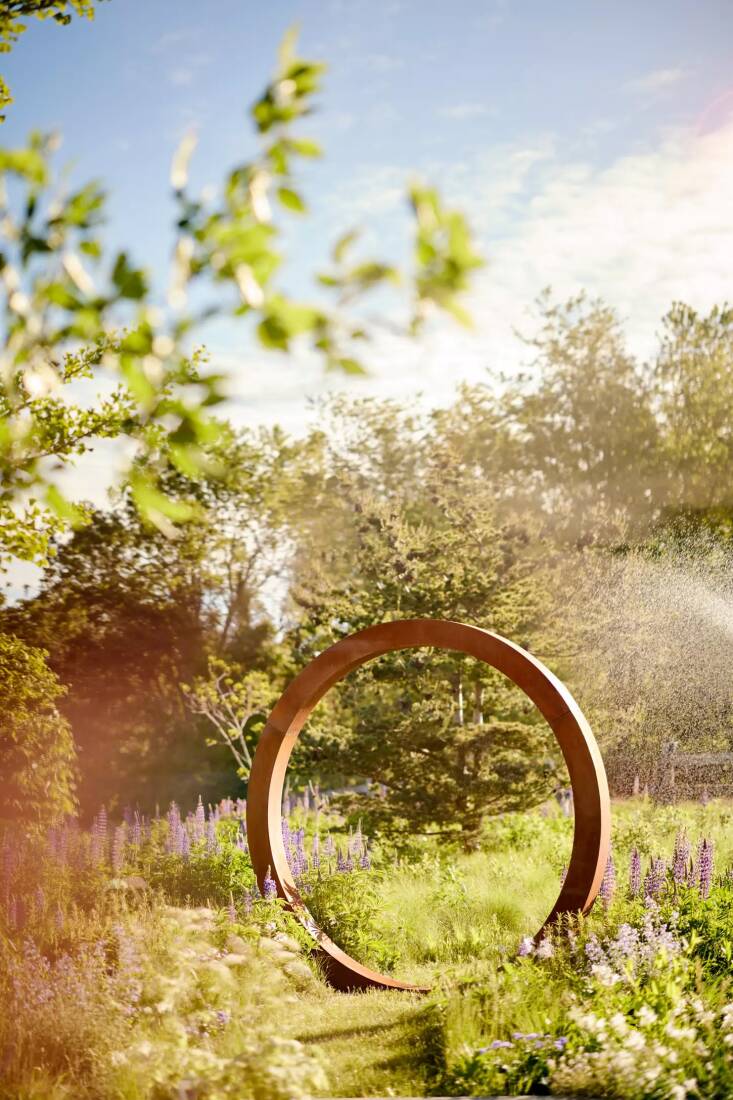
Aside from its symbolism, a moon gate can set the tone, create a partial enclosure, and transport a garden visitor either physically or visually from one space to another in an intimate way. The artful circular feature, regardless of what it’s made from, can even create a bit of intrigue. Its ultimate power, though, lies in its ability to enhance and frame a chosen view, magnifying the scene much like a telescope would. It’s a great way to draw attention to a special part of the garden, a calming water view, or an architectural feature worth highlighting.
See also:
- Ask the Expert: Tom Eaglestone on How to Reuse Preexisting Materials in Your Garden
- In Praise of Dry Stone Walls, for Permanence and Habitat
- Hardscaping 101: Dry Stone Walls





Have a Question or Comment About This Post?
Join the conversation