

This is part of a series with Perfect Earth Project, a nonprofit dedicated to toxic-free, ecological gardening, on how you can be more sustainable in your landscapes at home.
. . . Do not raise
your small voice against it. And do not
take cover. Instead, curl your toes
into the grass, watch the cloud
ascending from your lips. Walk
through the garden’s dormant splendor.
Say only, thank you.
Thank you.
—Ross Gay, Thank You
Even for the most optimistic of us, it can be hard to stay positive these days. But hope, it is “the thing with feathers,” and there are moments that can make us soar with joy, propelling us forward: the successful bans on pesticides like neonicotinoids; the sweet burst of a juneberry still warm from the sun; the return of the whooping crane after it teetered on the cusp of extinction. We asked a selection of our ecological gardening friends to share what keeps them going—plus one small thing we can all do in our yards next year to keep the momentum going.
Jeff Lorenz and Kayla Fell of Refugia:
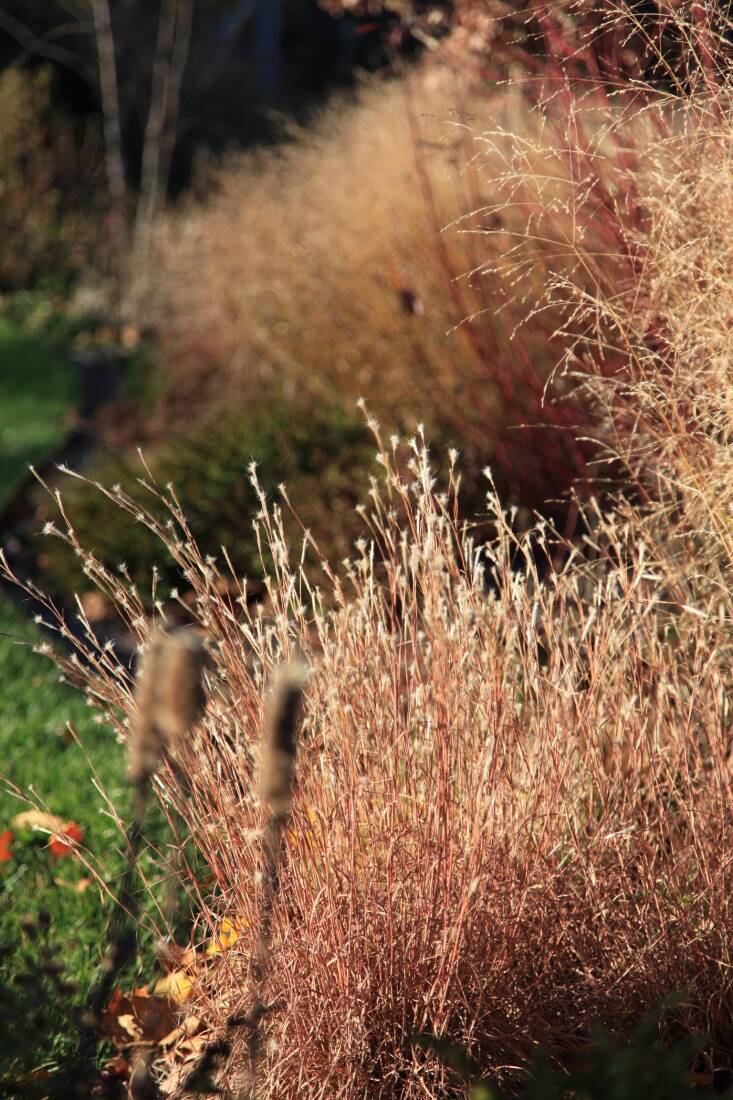
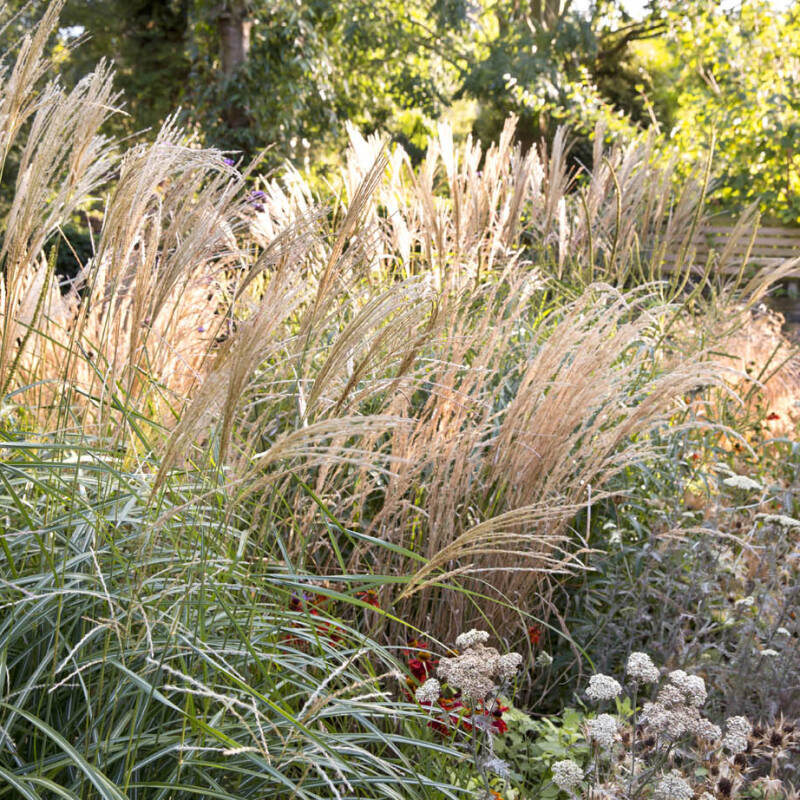
“At this time of year, we are enamored by the stories laid bare in the landscape. Perennials that are left standing through winter are permeated with narrative: tales of shelter and sustenance, dynamic encounters of fullness and decay. While seemingly silent, they are instead performing amazing feats of survival and renewal out of sight—just like us!—silvery-white seed tufts, seedheads glittering with frost. Winter celebrates delicate details that we often miss during the showier exuberant summer months.
“One simple thing that everyone can do to make a difference this year is to talk to their neighbors: Gift a plant when dividing perennials, add educational signage that speaks to the jobs your garden is heroically doing (habitat! stormwater!), and label plants for curious gardeners-to-be passing by. We are not defined by the division seemingly sown around us! Instead, we can inspire others. Connectivity for plants, wildlife, insects, and people is the most powerful tool we have. Don’t be surprised to find your lawn-loving neighbor carving off a sliver to plant milkweed and coneflowers next summer, and then some.“
Uli Lorimer, Director of Horticulture at Native Plant Trust:
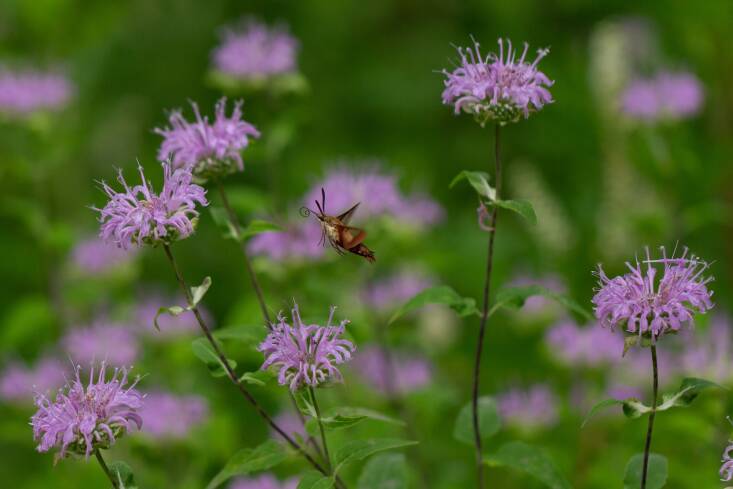
“December is a time of reflection as we look back on the growing season past and ponder what the upcoming season may have in store. I want to zero in on a single image that embodies what ecological horticulture means to me and why practicing its tenets gives me hope for the future. The pink firework blossoms of Monarda fistulosa reliably draw hummingbird clearwing moths to the garden, and this image I find absolutely magical. So many things lie behind the picture of a moth captured mid-air with its proboscis curled. The garden provides an appropriate host plant for the larval stage. The plants were grown and managed without pesticides, ensuring the moth isn’t harmed in its pursuit of food. Lastly, this image is a source of wonder and awe, helping me feel connected to this place and motivated to keep my eyes and heart open. So many moments in nature are ephemeral, but mystery, spirit, and magic abound when we slow down to watch. My spirit can’t wait to see what magic awaits next year.”
Richard Hayden, Senior Director of Horticulture at the High Line:
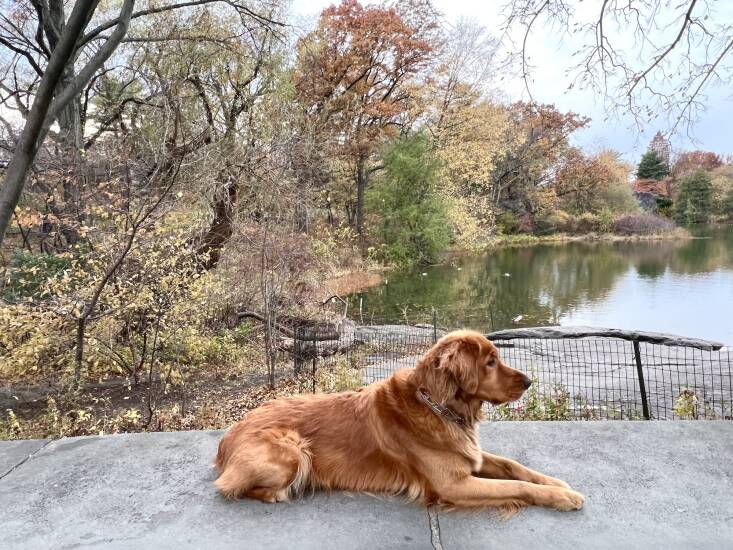
“I stay sane in these crazy times by starting my day with a meditative, off-leash nature walk with my dog, Jasper. I’ve always wanted to live somewhere where I could walk out my front door, engage with wildlife and woodlands, and the pup could run free. I just never suspected that I would achieve that living in the middle of the most populous city in the country! But living on the Upper West Side of Manhattan just a half a block from Central Park, which is off leash to dogs in many areas between 9 pm and 9 am, has allowed me to achieve just that. The park has incredible 150-year-old trees, various water features like Turtle Pond that provide habitat for interesting waterfowl, and lots of shrub thickets to support songbirds and even coyotes! What a treasure.
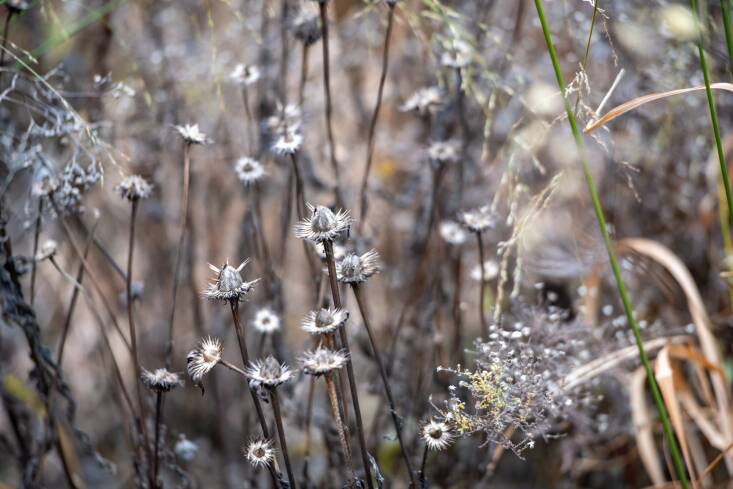
“One thing everyone could do in their gardens this year is embrace the beauty in decay. Leave the leaves, leave the seed heads for the birds and for the fabulous patterns they make with the first snowfall, and enjoy the winter beauty of your dried grasses and perennials and wait to cut them back until spring. Nature needs a bit of mess to support the beetles, moths, and birds; consider creating an undulating twig pile in the back of your deep borders. You’ll be rewarded with an increased variety of visiting wildlife.”
Georgia Silvera Seamans, Environmental Studies Professor and Co-chair of the New York Biodiversity Task Force:
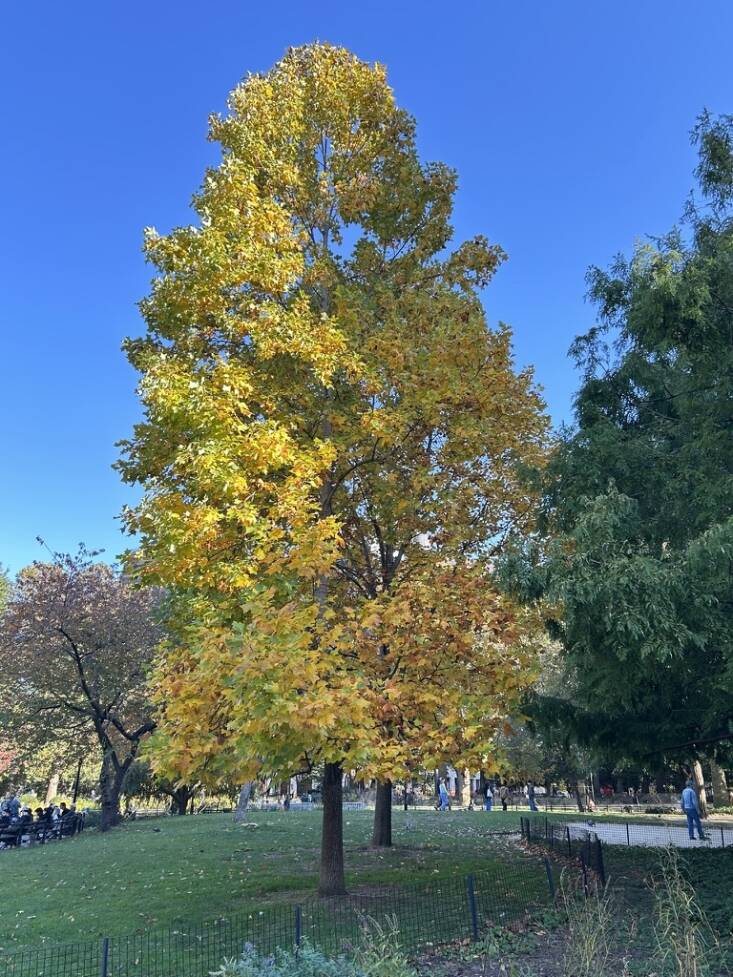
“This season, the thing that has brought me joy is listening to students talk about their weekly observations of trees in Washington Square Park. Students chose individual trees to monitor seasonal changes including the presence of green and colored leaves, fallen leaves, open flowers, immature and ripe fruits, and fallen fruits or seeds. They used Nature’s Notebook to record the phenological data they collected. Students selected their trees for diverse reasons: of all the trees on their way to class, they were fascinated by the northern catalpa; they grew up with oaks, but not a swamp white oak; their grandparents had an American sweetgum in their yard.
“Guided by John Muir Laws’s nature journal prompts—’I Notice, I Wonder, It Reminds Me Of’—students created zines to share their observations and experiences of the trees and the wild lives associated with them. They eagerly awaited the flowering of American witchhazel and fall color in Kwanzan cherries. They expressed disappointment at low acorn production this fall. Students noticed how wildlife responded to the closing of the lawn around the swamp white oak: within a week of the closure, the ground was bustling with birds and squirrels. One student tested the soil around their tree out of concern for the tree’s health.
“Students made deep connections with their trees. Some reported observing their trees beyond the required observation period. Many reported they would return in the spring to witness the breaking of leaf buds and the blooming of flowers.”
Yinuo Sun and Nadia Alquaddoomi of Terremoto:
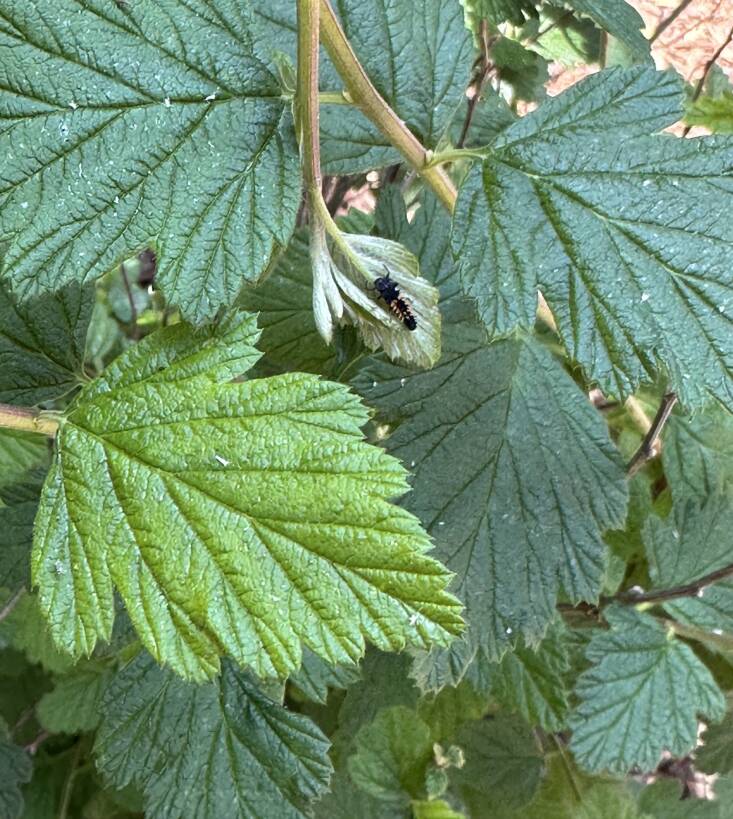
“Our office has started a small experimental native plant nursery where we grow the seeds we collected from our test plots. It has been a very nourishing experience to get our hands dirty and learn about how each plant develops in their life cycle.
“This coming year, we encourage people to hand water their gardens, if possible. You can conserve precious water this way, by watering only when the plants need it so that no drop is wasted. It is especially important in places like California. When you spend more time (even just a few seconds) watering them, you’ll feel more connected with each individual plant in your garden. You’ll be surprised by how much you can learn by watching them evolve each week. And you get to notice all the (little) beautiful insect visitors in your garden.”
Kelly D. Norris, Ecological Horticulturist and Author of Your Natural Garden:
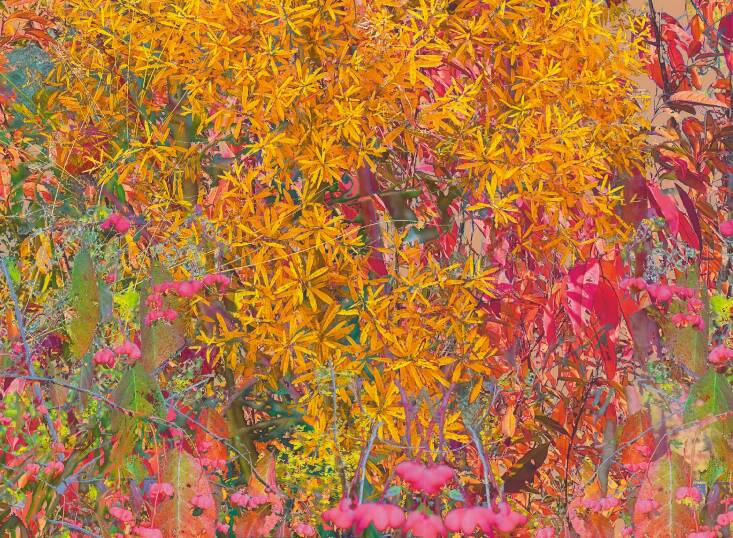
“After daylight savings time ends, I try to reframe the darkness as an antidote to inevitable melancholy. Those additional dark hours are a gift of time to focus my creative attention on pursuits other than the stewardship of the garden. For the last several years, I’ve been working on a series of digital doodles and collages that abstract images of plants and landscapes into pictorial fantasies. It’s a joyful way to remember the growing season and, often, rediscover photos I didn’t remember taking.
“The making of these is very much in dialogue with my broader creative practice. There’s an aesthetic aspect to them, naturally, but also something more atmospheric and organized around a theme of place. I’m often asking, ‘Do these go together?’ as if this digital collage had some real-world consequence. In that way, though, I’m expressing an organizing theme for how I think about plantings and landscapes.
“Next year, I encourage everyone to grow something from seed, raise it to transplant, and tend it to establishment. There’s something really special, even intimate, about being present with and observing a plant’s life from its earliest origins into maturity. It’s the only way you can really get to know a plant.”
Edwina von Gal, Founder of Perfect Earth Project:
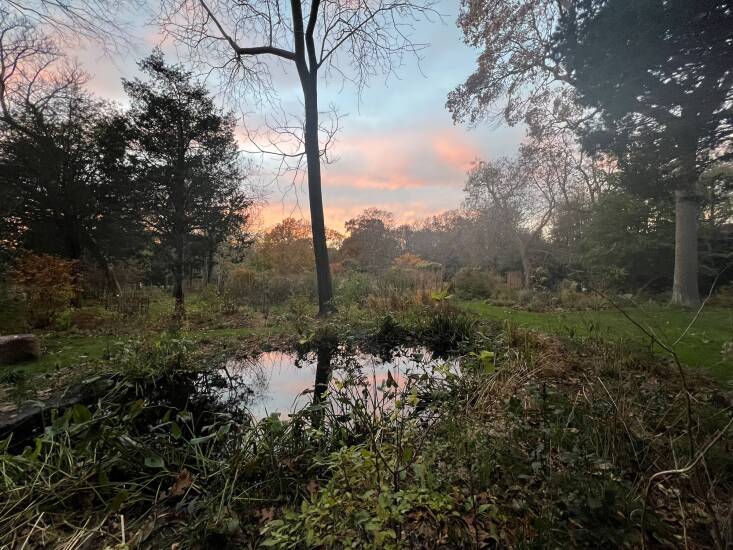
“In this time of intensity with so much fear and worry about what our future brings, it makes me happy that people are coming together as concerned citizens of the Earth. Our community is growing, and more and more people are taking action in their own yards. I’m also happy to see the incredible new discoveries in science supporting what we’ve always known about the harms caused by pesticides to all living things and the healing power of nature. Every time I take a deep breath outside and put my hands in the soil, I’m breathing this whole world of wonder that connects us all.
“I would love for people to make their New Year’s Resolution to do no harm. Let’s all think carefully before we squish a bug or reach for a spray. Let’s heal, not harm.”
See also:
- Ask the Experts: The NYC Biodiversity Task Force on 5 Ways to Help Support Your Ecosystem
- Cues to Care: How to Design an Ecological Garden That Still Looks Cultivated
- Yes, Deer: How to Live in Harmony With the Notorious Garden Foe




Have a Question or Comment About This Post?
Join the conversation