

This is part of a series with Perfect Earth Project, a nonprofit dedicated to toxic-free, ecological gardening, on how you can be more sustainable in your landscapes at home.
“One must have a mind of winter,” wrote Wallace Stevens in “The Snow Man” and after blizzards and record-breaking frigid temperatures in the Northeast this past month, it’s been hard to think of anything else. But for many gardeners, winter is often the neglected season—the one spent mostly indoors, flipping through seed catalogs, dreaming of spring. But there’s so much to be learned—and enjoyed—from the winter landscape. We spoke with Leslie Needham of Leslie Needham Design; Rashid Poulson, director of horticulture at Brooklyn Bridge Park; William (Ned) Friedman, director of Harvard University’s Arnold Arboretum; Edwina von Gal, and landscape designer and founder of Perfect Earth Project about what they love about the season, and what it can teach us all.
Let the winter vibe be your guide.
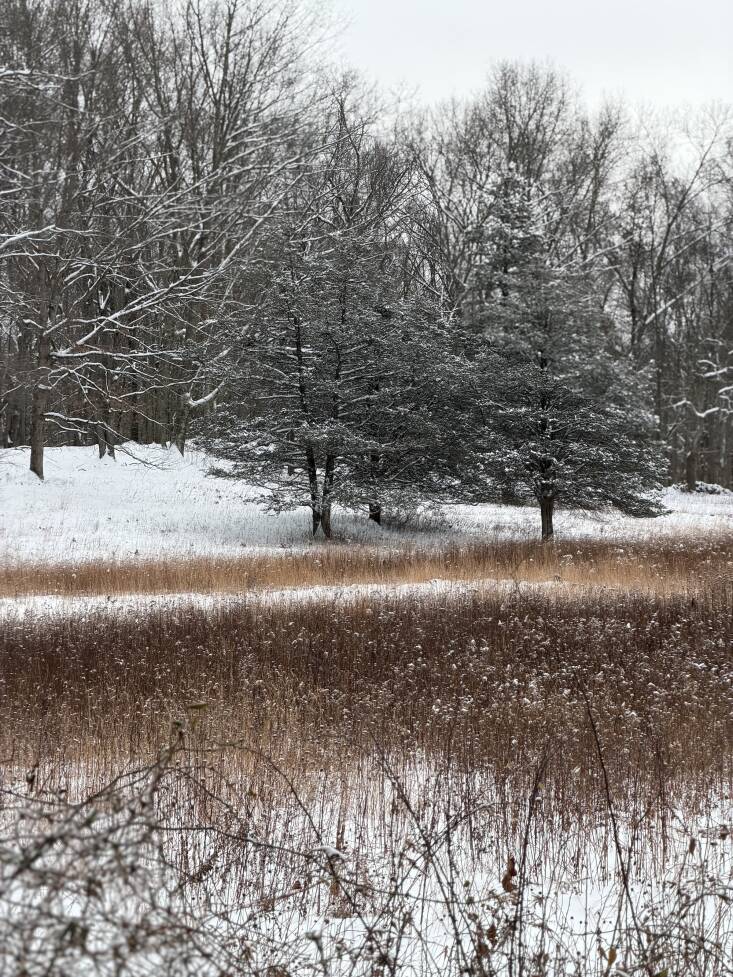
For landscape designer Leslie Needham, winter is a time to rest, slow down, and engage with the garden. “I really love the quietness,” she says. “When plants are blooming, there is so much action. It’s go, go, go all the time, but in winter, I can really appreciate the small things.” She notices the structure of the garden and loves the beauty of seed heads framed against a bright blue sky. It helps her rethink how she approaches gardening. “I’d love to shift the way we think about nature. We should be less controlling and try not to manage it so much,” she says. And winter, when there is less to do, teaches us this. “It is a time for quiet engagement, to sync up with nature, and appreciate its beauty and embrace it throughout the year.”
Look out for where the wild things are.
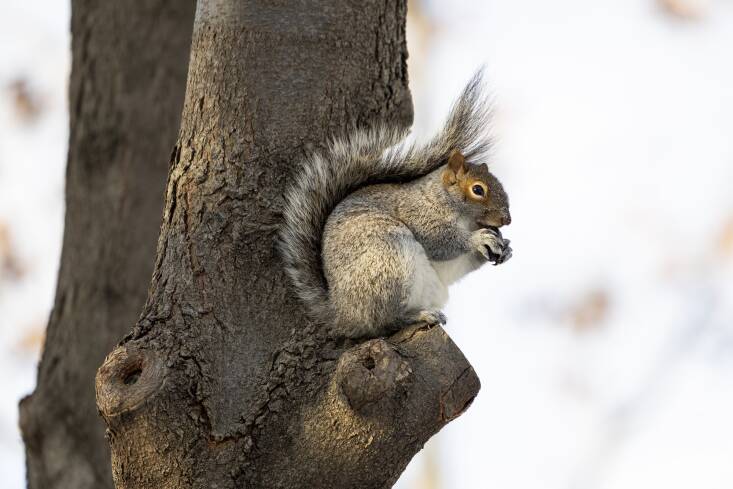
It may seem quiet but there is life all around. Insects are overwintering beneath leaf piles and in stems, some emerging when the temperature rises, others waiting until spring. Winter birds and animals are foraging seeds and berries from plants and taking shelter. While tending to the Carolina roses a few weeks ago, Rashid Poulson, the director of horticulture at Brooklyn Bridge Park, and his team observed the subnivean zone, the insulated area between snow fall and the ground that is an important habitat for mammals, in action. “A colleague was standing on banked snow along the berm, pruning the native rose, when all of a sudden the snow gave way and he fell in to his knee,” Poulson recalls. “A few minutes later, four squirrels came dashing out of the hole he made in the snow. We were all in awe.”
Take stock and review how a garden is working.
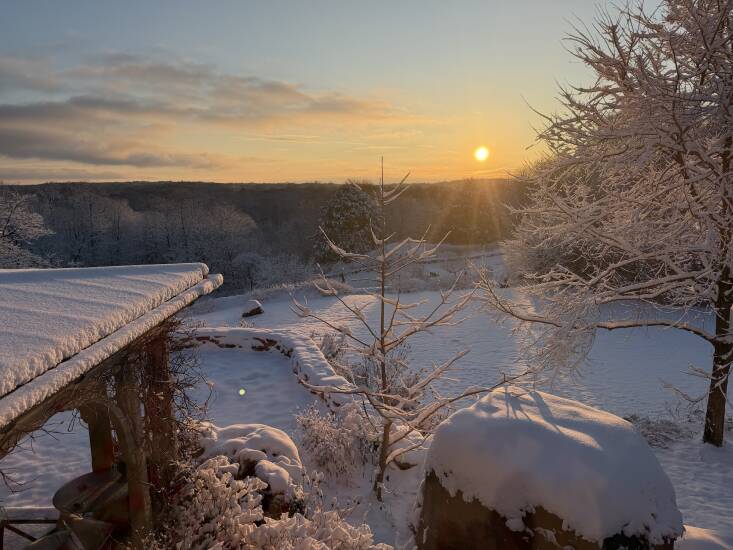
“Winter is an opportunity to adjust our interactions with gardens and the plants within them to step back and frame the big picture,” says Poulson. Needham agrees. “This time of year, I review the garden’s program to see what’s working and what’s not, like if an area could use more massing or where to find a spot for a tree,” says Needham. “The garden in winter is like looking at a black-and-white photographer or a drawing. You notice things you don’t necessarily see when everything is blooming.”
Think forward.
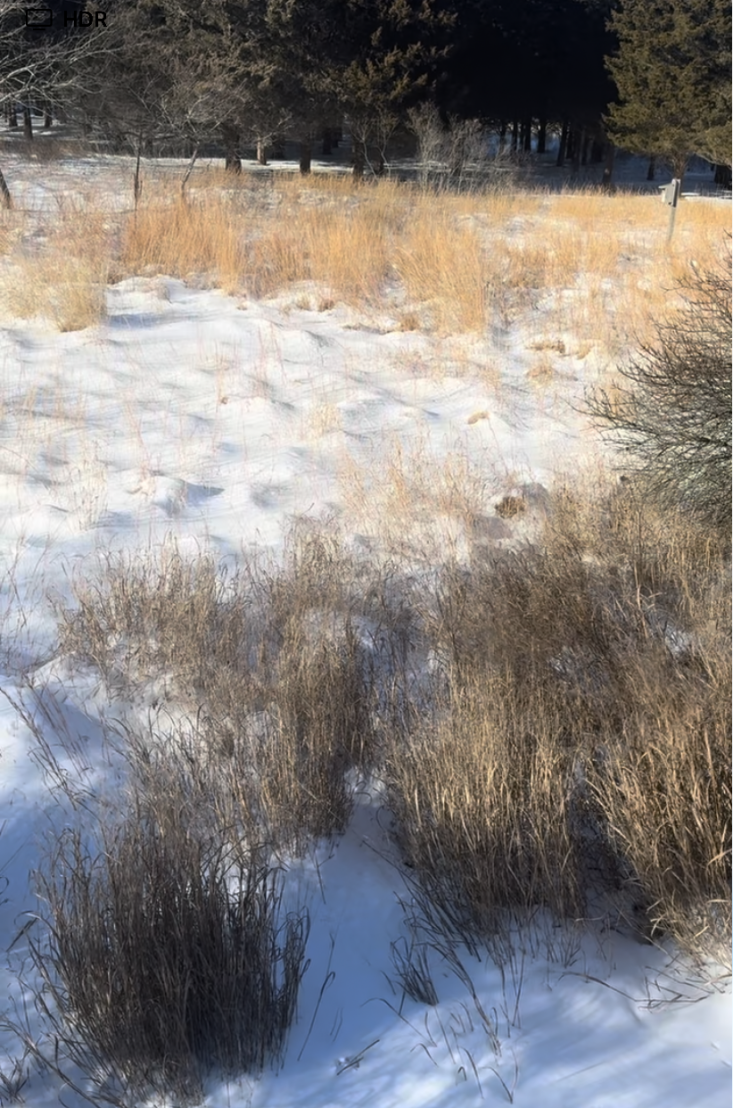
“The snow is like a fresh sheet of paper. It has lots of stories to tell and the garden is writing them each day,” says landscape designer and Perfect Earth founder Edwina von Gal. As she walks around her snowy garden, she notices what has fallen from her trees, who has been in the garden from the tracks in the snow, and how the plants grow and interweave together. “When the meadow is covered in snow, it’s also a great time to observe grasses, to see how they arrange themselves next to one another in between each other and plan for planting in the spring,” she says.
Wander and wonder.
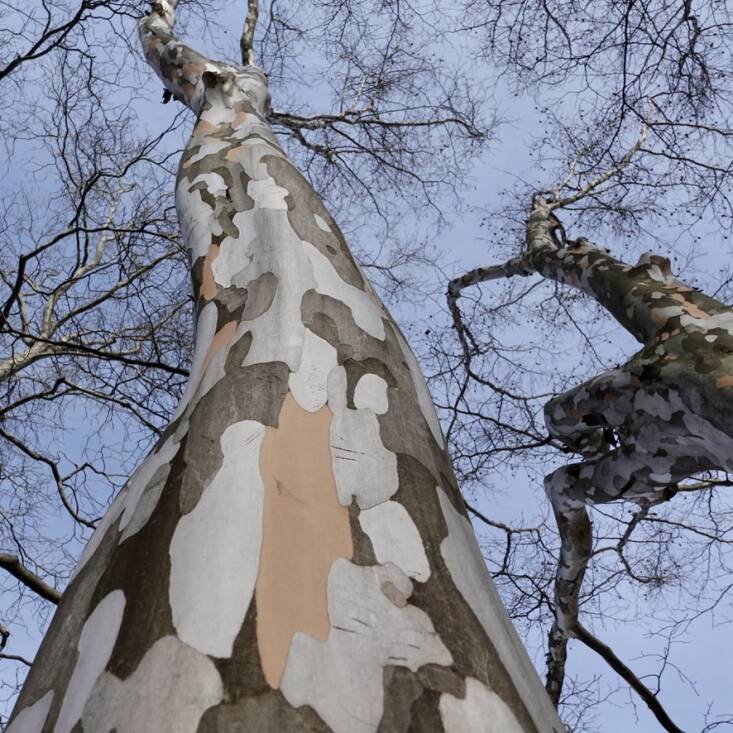
“I would probably hug every tree I walk by if I could,” admits William (Ned) Friedman, the director of Harvard University’s Arnold Arboretum. “There isn’t a tree I don’t love.” Though after a pause he clarifies. “Except for Norway maples,” he says of the nonnative tree that has been overtaking forests throughout the U.S. “There should be a law requiring their removal.” Invasive trees aside, Friedman’s love of trees is infectious. (Read Margaret Roach’s New York Times story about Dr. Friedman’s Harvard tree seminar). While he loves trees in all seasons, he holds a special spot for winter. “The seasonality of trees is really one of the best parts of the temperate world, you have deciduousness, bud break, leaf fall, and this beautiful period of winter where you notice their bark and architecture,” he says.
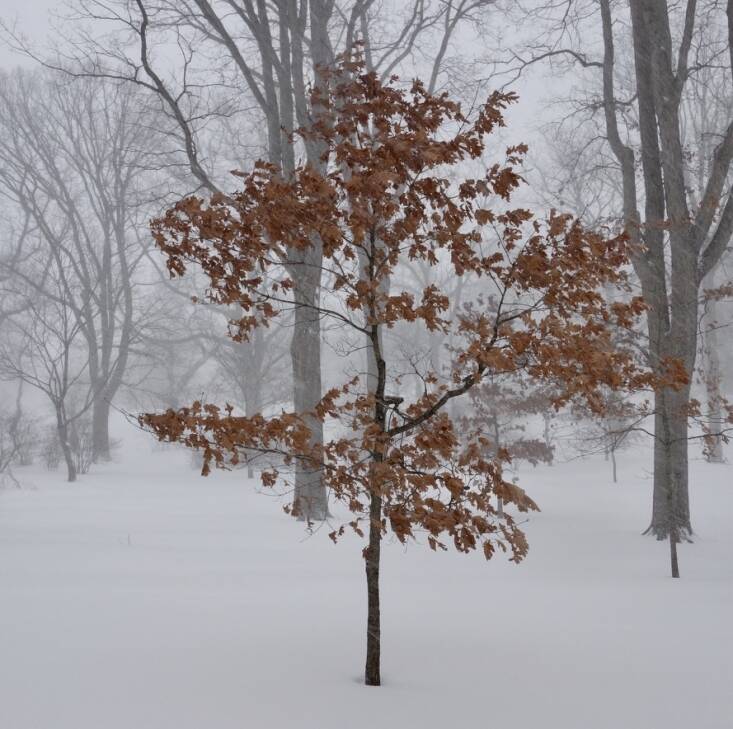
Friedman encourages everyone to meander during the winter and botanize. Look at the tree’s shape and branching patterns—its architecture. “When trees are leafless against the sky it’s almost like you’re catching them mid dance,” he says. Then get up close and notice the bark and how the buds begin to plump up in the late winter. “They may look like they’re dormant but they’re preparing for what’s going to happen very soon.” Let the trees and plants teach you, he recommends. “Use iNaturalist if you want to identify something, but the most important thing is to get outside and explore. No expertise is required. All you need is an open heart, open mind, and open eyes to slow down and let the natural world in.”
See also:
- Expert Advice: 9 Tips for a Moody Winter Garden
- Magic in Maidenhead: An English Garden That Glows in the Winter
- Ground Rules: 3 Smart Gardening Chores to Do in the Winter




Have a Question or Comment About This Post?
Join the conversation