

Here in New Jersey, we have a stormwater problem. Due to climate change, the state is getting heavier and more intense downpours from hurricanes, nor’easters, and intense summer thunderstorms. We also happen to be the most densely populated state in the country, with a high percentage of impervious surfaces. All those houses, roads, and other built-up areas don’t allow water to soak into the ground. Not only does that water have nowhere to go, but those parking lots and streets, and the vehicles that use them, are the largest source of water pollutants in the state.
But one middle school in New Jersey is learning about stormwater and its runoff—and doing something about it. The South Orange Environmental Commission, with the help of the Rahway River Watershed Association (RRWA), recently created a rain garden at South Orange Middle School, in South Orange, New Jersey. The money to build the garden came from a grant from Sustainable Jersey and funds from South Orange Village. Students at the school are learning first-hand about stormwater runoff and how rain gardens can help solve the problem of pollution. The garden will be a part of the middle school’s science curriculum.
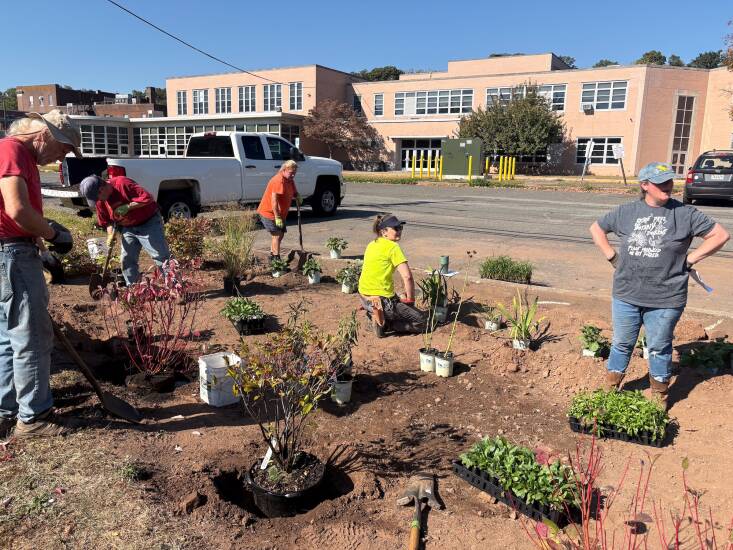
Located between the school parking lot and the East Branch of the Rahway River, this rain garden is special. “It is one of very few rain gardens that is equipped with monitoring instruments to measure how much runoff is captured,” says Kirk Barrett, Ph.D., president of Rahway River Watershed Association. “Moreover, middle and high school students will be involved in collecting and analyzing the data.”
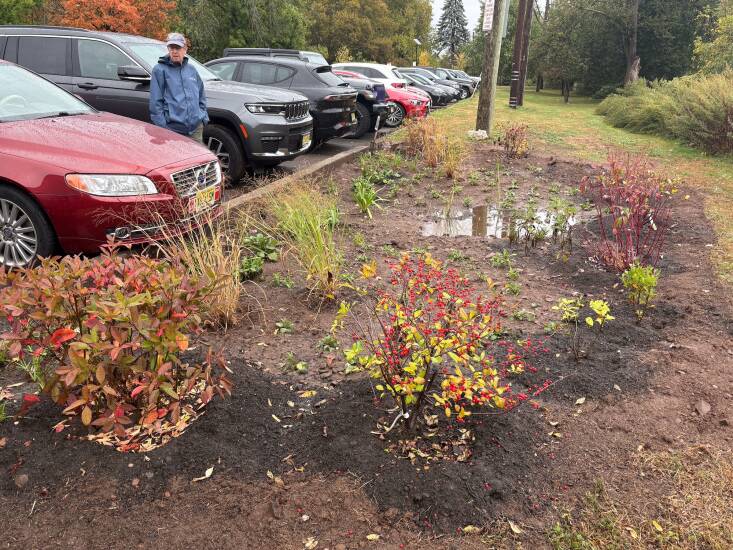
“The students will collect the data from the instrument that measures water level and calculate how much stormwater runoff was captured by each storm.” Barrett continues, “They will also measure rainfall to determine the percentage of runoff that is captured on an annual basis.”
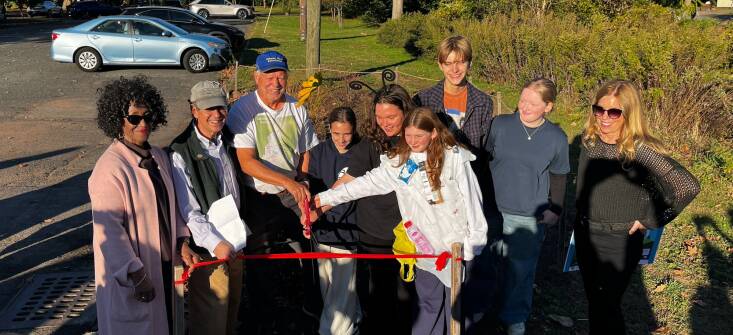
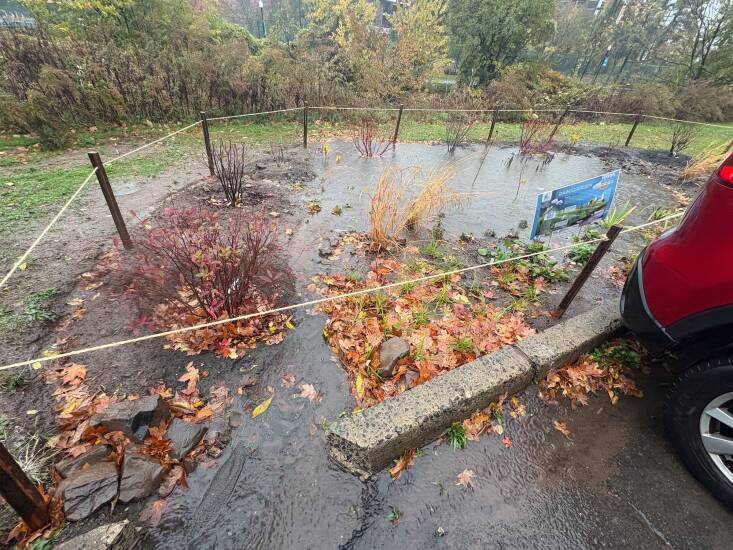
This site was selected for maximum environmental benefit, as a rain garden here will capture the polluted runoff from the parking lot into the East Branch of the Rahway River. It’s estimated that it will absorb more than 100,000 gallons of stormwater runoff over a typical year.
Barrett describes how the garden works, “Before the rain garden, this runoff went directly into a stormwater inlet and then into the river. The rain garden will allow most of the runoff to soak into the ground, filtering out the pollutants. Furthermore, by reducing the volume of runoff, the rain garden helps reduce the physical disruption of habitat in the stream caused by high flows in the river.”
Barrett hopes that this rain garden will inspire people to put in their own rain gardens, since 95 percent of NJ’s waterways are considered impaired, meaning they don’t support one or more of the following uses: drinking water, biological habitat, or recreational uses.
See also:
- Ask the Expert: Jeff Lorenz on Planting Strategically for Stormwater Management
- Ask the Experts: How to Lower Your Carbon Footprint When Creating an Outdoor Space
- Curb Appeal: 10 Ideas for a Lawn-Free, Low-Impact Front Yard



Have a Question or Comment About This Post?
Join the conversation