


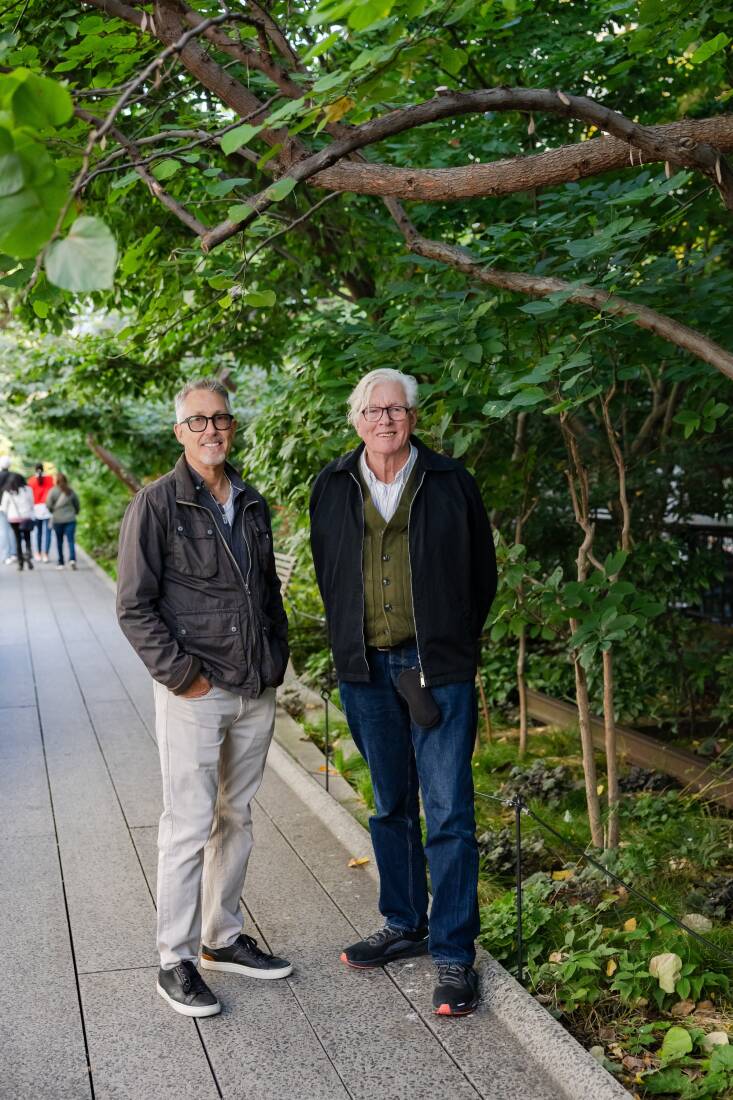
More than three decades ago, Richard Hayden left New York City for Los Angeles, where he thrived as a landscape designer for glamorous clients like Julia Louis-Dreyfus, Candice Bergen, and Angela Bassett, and later as the assistant deputy director at the Natural History Museum of Los Angeles County, where he was the primary project manager “for the reimagining of the La Brea Tar Pits Museum and the surrounding 11-acre park site,” he says. What could have possibly compelled him to return to the Big Apple? Two words: Piet Oudolf.
A self-described “passionate horticulturist dedicated to an ecological and naturalistic approach to garden care and design,” Richard was tapped to serve as the senior director of horticulture at the High Line, the magnificent Oudolf-designed public park built on a stretch of elevated rail track in Manhattan’s West Side. “I lead a team of 11 horticulturists in the stewardship and public programming of what I think is one of the most important public gardens of the 21st Century.” We agree!
“I’m so lucky to get to work with this maestro of landscape design,” he says of Oudolf. And today, we’re so lucky to share Richard’s Quick Takes! Read on for his hard-earned advice on weeding, planting, and more.
Your first garden memory:
We had a big vegetable garden in the back yard, and my dad, who loved to fish, would pay me a nickel for every night crawler worm that I could find as I dug and turned the soil before spring planting. It was all designed to get me to cultivate the garden for him, looking back, I’m not sure how effective a job a 4-year-old could do.
Garden-related book you return to time and again:
Planting in a Post-Wild World, but Thomas Rainer and Claudia West. It really changed the way I think about garden design and care. The book has informed my approach to land care as one of curating a dynamic community of plants rather than a routine maintenance trying to constantly return to an idealized initial design.
Instagram account that inspires you:
@pietoudolf! I’m so lucky to get to work with this maestro of landscape design as we work to keep the High Line gardens looking amazing after 16 years. And I’ve visited enough gardens with Piet to know that when he takes a picture and posts it to his Instagram account, he really likes that plant or garden section. And he posts a lot! The first time he re-posted one of my High Line photos to his story, I was in heaven.
Describe in three words your garden aesthetic.
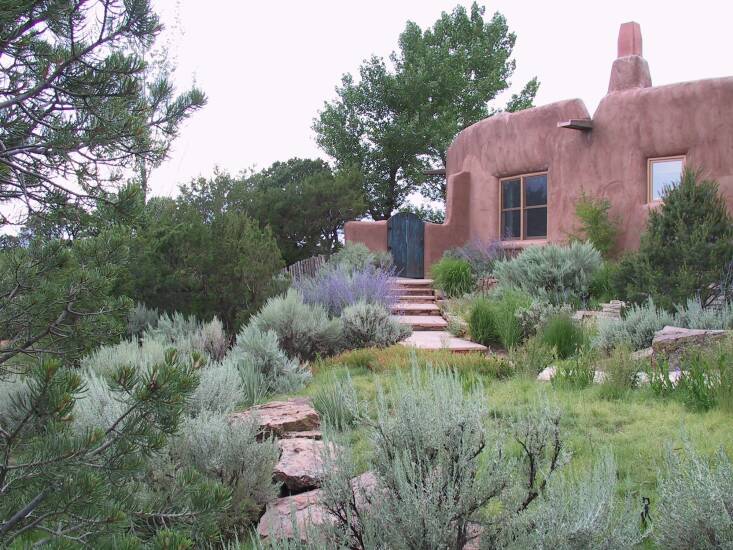
Wild. Textured. Alive.
Plant that makes you swoon:
How much space do I have for this answer?!? I could list a hundred easily—agaves, aloes, and dudleya from my Los Angeles days. On the East Coast: milkweeds, especially purple milkweed because I love monarch butterflies; Culver’s root, which has great leaf texture and form and winter interest; trees!—especially oaks, redwoods, and giant sequoias. I was a certified arborist for years and have such respect for a mature or ancient tree.
Plant that makes you want to run the other way:
Hybrid roses, pom-pom hydrangeas, double flowered forms of any plant—there’s no way for pollinators to reach their pollen or nectar. I also find boxwood and privet to be just boring.
Favorite go-to plant:
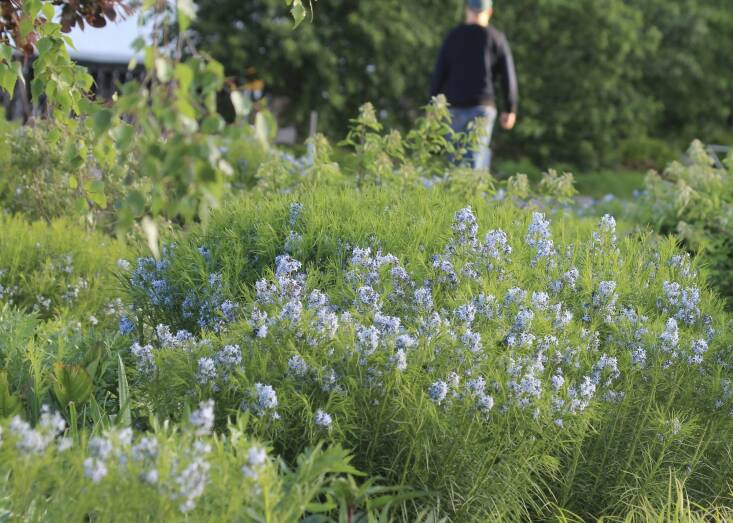
Threadleaf bluestar (Amsonia hubrechtii). A 3- to 4-foot-high perennial originally native to Arkansas and Oklahoma. Great ferny leaf texture that moves well in the breeze, terminal blue blooms in the spring, and a blazing bronzy gold fall color with an interesting form that persists through the winter. And it’s resilient: dry, wet, and shade-tolerant.
Hardest gardening lesson you’ve learned:
Placing plants at the right spacing for long term success, especially trees and shrubs. I’ve learned it’s better to place trees and shrubs for that seven to ten year horizon, and then plant temporary large perennials or grasses in between to hold space while the more long-lived shrubs and trees fill in.
Unpopular gardening opinion:
I love when plants seed around in areas where they weren’t part of the original design. Sometimes the most interesting combinations occur this way. I call it garden design by serendipity.
Gardening or design trend that needs to go:
Colorful grafted cactus. Who ever thought that was a good idea?
Favorite gardening hack:
Weeding can be overwhelming, especially in the spring. I like to weed the front of the bed first and prioritize perennial weeds over annuals. You can manage annual weeds in the back of the beds by just cutting flowers and seeds, avoiding the soil disturbance that so often just brings up more weed seed. And I only weed for 20 to 30 minutes at a time. I find it helpful to switch the garden activities such as weeding, deadheading, and pruning so I’m using a variety of postures and muscles and not over-stressing any part of my body.
Every garden needs a…
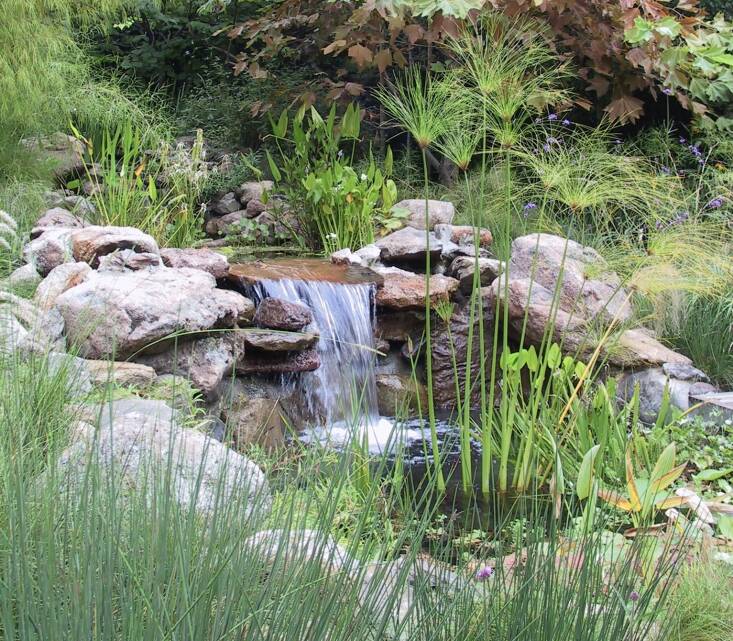
Water feature. It’s so easy now to put together a trickling fountain that creates a relaxing music near your favorite place to sit. There are even solar pumps if you don’t have an outlet for a pump nearby. It will also support wildlife, especially birds, and you can site it within view of your desk or kitchen window—it’s a great way to engage with nature.
Favorite hardscaping material:
Pea stone gravel. I love the sound of the crunch underfoot. It’s cheap to purchase and permeable so that rain water can percolate down to roots underneath. You can even plant into it. Gravel gardens are a great way to bring new categories of plants into your garden.
Favorite way to bring the outdoors in.
The most important thing you can do is actually design your garden to create vignettes that you can see looking out from your most important windows. Before anything else, pay attention to what you see of your garden from indoors and plan accordingly, thinking about all four seasons, especially fall and winter when we’re less apt to be outdoors.
Tool you can’t live without:
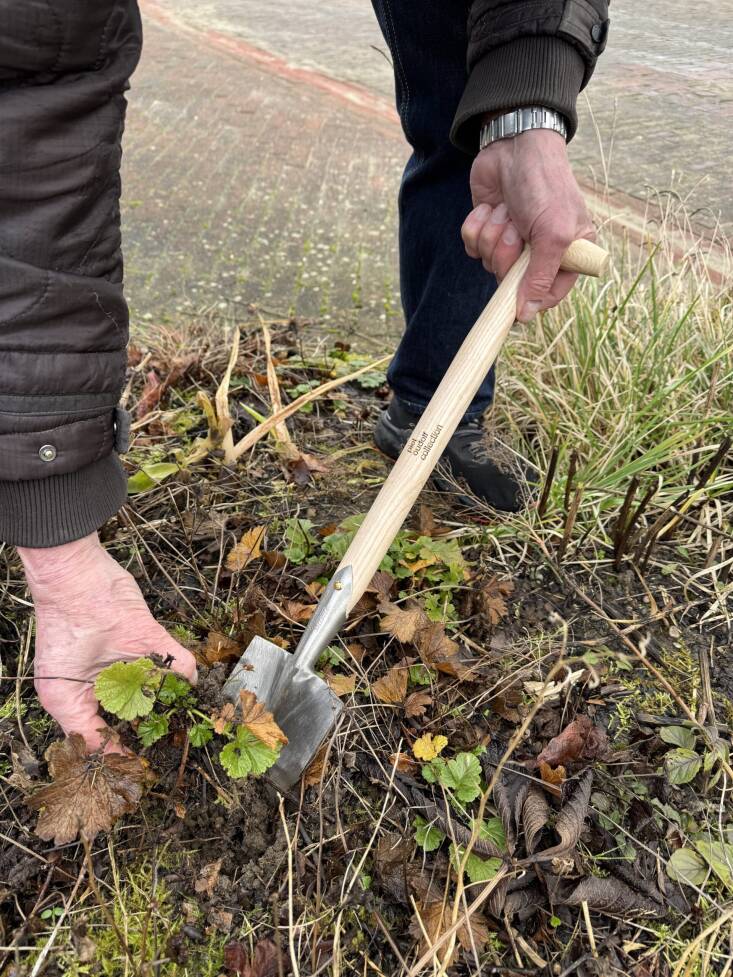
Piet Oudolf designed a set of long-handled hand tools, a spade and a fork. They’re perfect for when you’re working on your knees, but need more leverage than the normal hand spade can provide. They’re especially good for digging and dividing grasses and more stout perennials. https://sneeboer.com/en-us/hand-forged-garden-tools/piet-oudolf-hand-spade
Go-to gardening outfit:
I usually wore cargo shorts and a long sleeved camp shirt, but that was in California. Wearing that on this coast, where I keep running into mosquitos and poison ivy, I’ve had to really reduce the skin exposure. And of course a holster for my left-handed Felco pruners and my soil knife.
Favorite nursery, plant shop, or seed company:
I love Hudson Valley Seeds. They’re currently growing a variety of eco-type native pollinator perennials sourced to the Hudson Valley. I think it’s important to plant those local natives when you can.
On your wishlist:
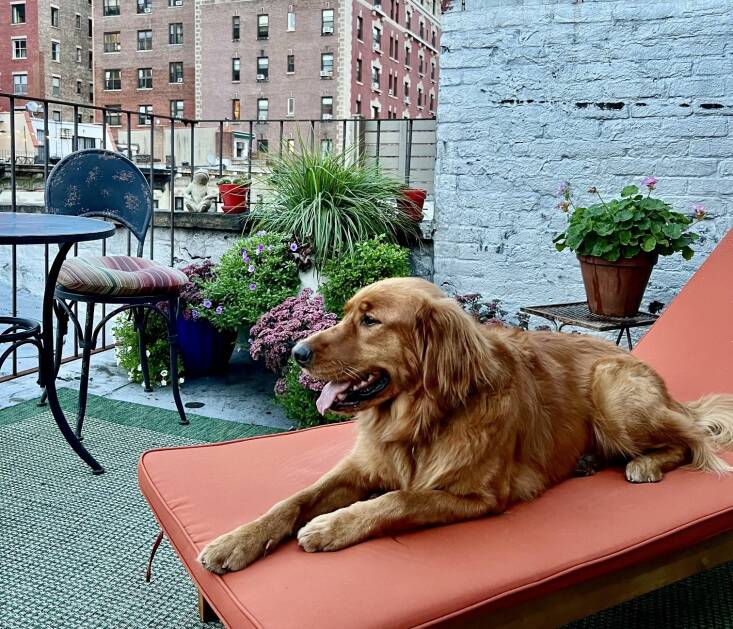
A garden of my own! I have a little roof space with my New York City rental apartment, where I grow some herbs and a couple of really resilient grasses and pollinator plants. It’s a brutal environment to be gardening on an asphalt roof on the Upper West Side of Manhattan. Plus it’s six flights up, so I’ve really resisted my urge to add pots and plants. But it’s fascinating to see all the pollinators that show up even on a random roof in the middle of the city!
Not-to-be-missed public garden/park/botanical garden:
On the East Coast, I love Mt. Cuba Center in Delaware. It’s a former estate garden, but planted with all natives in a very thoughtfully designed way. They also do amazing research on various perennials in their extensive trial gardens. On the West Coast it’s Lotusland, another former estate garden in Montecito near Santa Barbara, CA. Just a crazy, fantastical mix of palms, succulents, cycads, and cactus arranged in the most impressive way.
The REAL reason you garden:
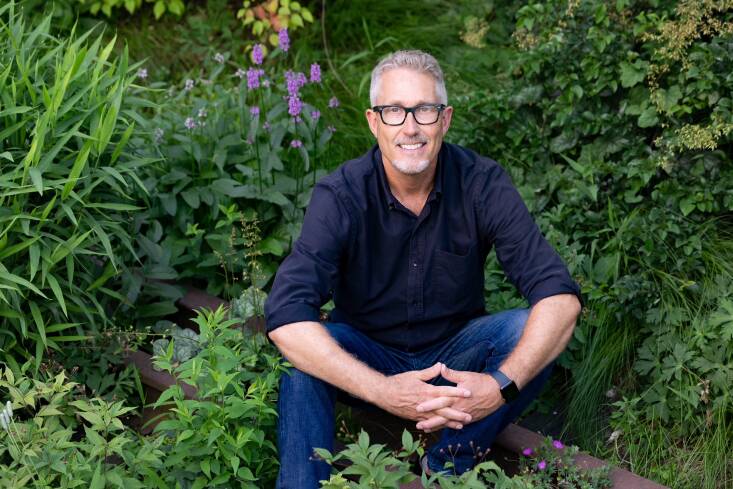
Because plants are the basis of all life on Earth, and I believe that creating and caring for gardens are, therefore, the highest form of art and interpretation that you can achieve. To create opportunities for human emotion and connection while supporting our endangered wildlife is the noblest of callings.
Anything else you’d like us to know? Future projects?
We’re renovating a garden on the High Line between 17th and 18th Streets that was impacted by nearby construction. Piet Oudolf designed a brand new planting scheme that will add 18 new plants to the High Line. We planted this in mid-November.
Thanks so much, Richard! (You can follow him on Instagram @naturegardener.)
For our full archive of Quick Takes, head here.




Have a Question or Comment About This Post?
Join the conversation