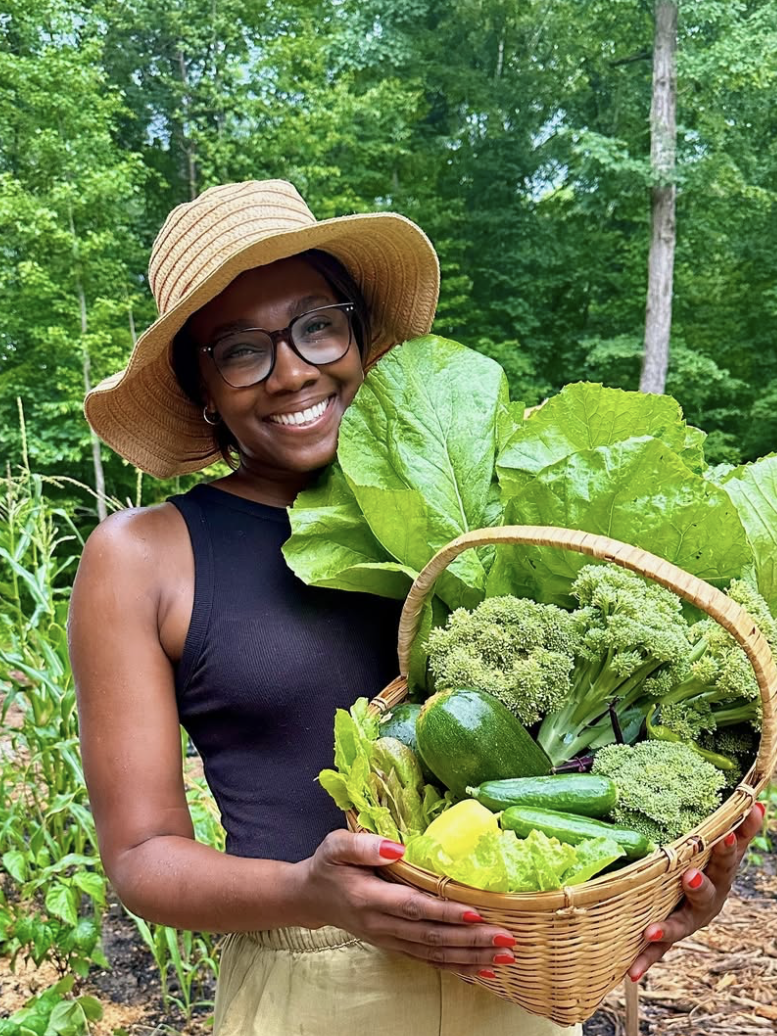


We first came to know Ashlie Thomas, aka The Mocha Gardener, when we spotted her North Carolina garden on the cover of Better Homes & Gardens earlier this year. Ashlie’s epic vegetable beds may have caught our eye for their magazine-worthy good looks, but it was learning about her background in nutrition science and ecological approach to gardening that made us want to know more. In addition to being a gardener and the author of How to Become a Gardener: Find Empowerment in Creating Your Own Food Security, Ashlie is a nutrition scientist (currently pursuing her PhD), and her work surrounding food security has deeply informed how she gardens. When she and her husband, Tyler, started their first garden, she says, “We just wanted to increase the amount of nutritious foods that we were able to have available to us.” But the garden quickly became something more when Ashlie began sharing her gardening journey through her platform The Mocha Gardener.
“I share my journey of growing food with purpose, using gardening as a tool for wellness, education, and community empowerment,” Ashlie explains of her work, which is grounded in both lived experience and advanced studies in nutrition and public health. “My work is rooted in a core belief that the garden is more than a just place to grow plants; it’s where we can practice environmental stewardship, reconnect with our roots, and reimagine what it means to be nourished.”
Last year, Ashlie and her husband bought a piece of land where they are building a new home and starting a larger garden that will be a place to share with even more of their community. We can’t wait to see their new garden grow.
Photography courtesy of Ashlie Thomas.
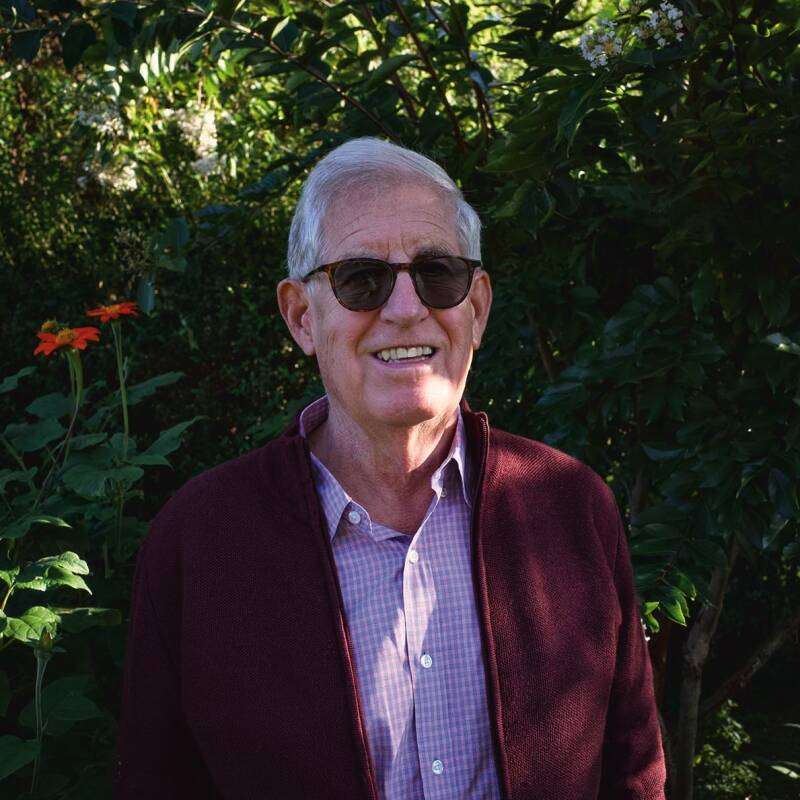
I have fond memories of helping my grandfather pick collards, squash, okra, and tomatoes from his garden in South Carolina during long, hot summers. I didn’t have the language for it then, but that’s where I first learned that food, family, and land are deeply intertwined. These days he moves a bit slower, but I’m just grateful to have him by my side helping me plant, sharing stories, and passing down tales and tips that still guide how I grow.
We Are Each Other’s Harvest by Natalie Baszile and Soil by Camille Dungy.
@deannacat and @curlycultivators
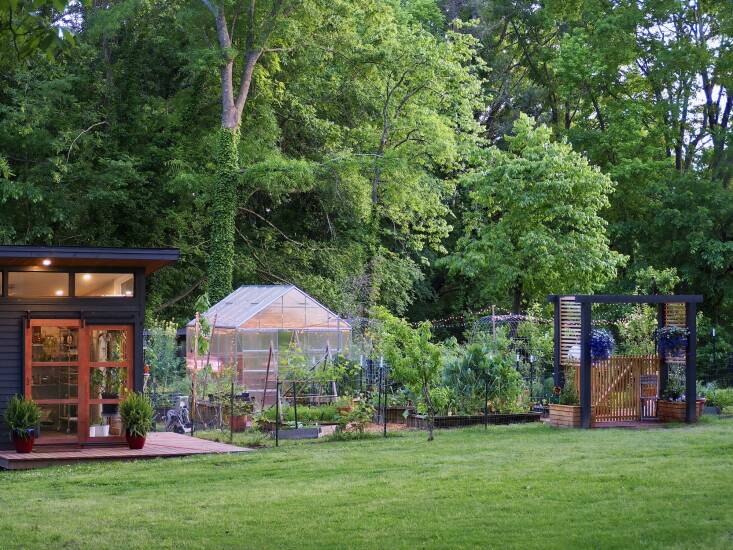
If I had to describe my garden in just three words, I’d say it’s biocultural, generative, and bountiful. It’s a space where culture and ecology are deeply intertwined, where growth is not just seasonal but continuous, and where our harvests are abundant.
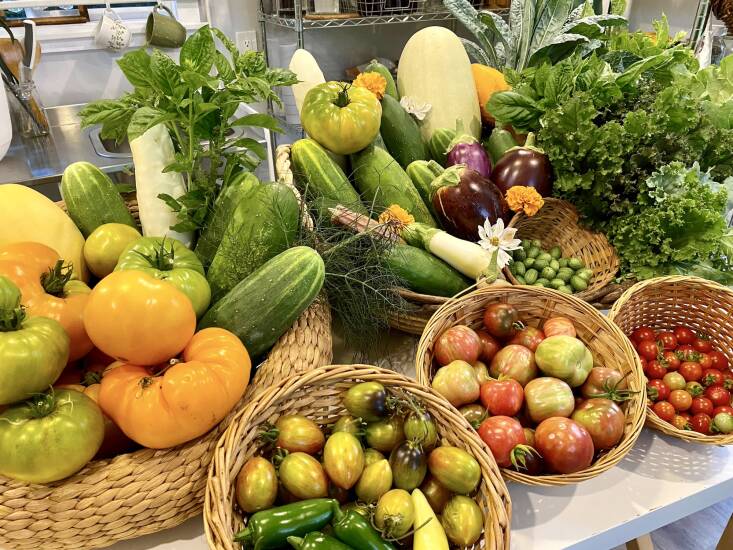
Two edible plants that make me swoon are collards and okra because both are flavorful, resilient, and deeply rooted in traditions I am accustomed to.
Orchids. As beautiful as they are, I’ve never quite figured out their rhythm. So, I respect them from afar.
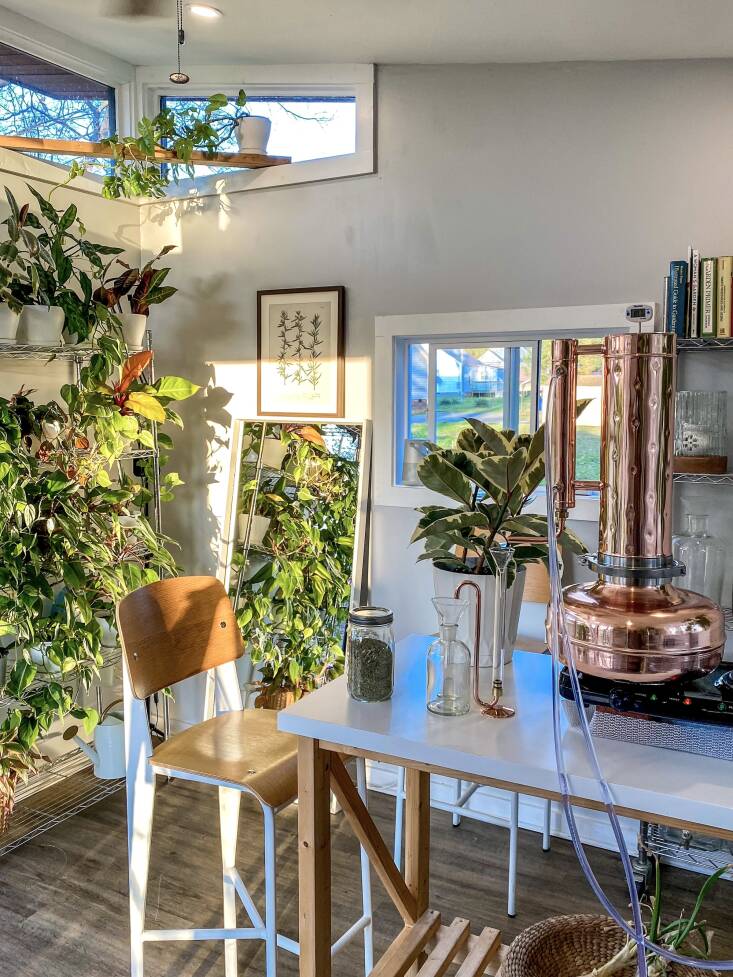
I’m a sucker for anything in the philodendron genus. There’s just something about their trailing vines and verdant, leafy presence that brings a sense of calm and quiet vitality to any space.
You’re not in control—and that’s not a bad thing. I used to take it personally when things didn’t go according to plan, but the garden has a way of humbling you and inviting you to listen more than you dictate. There’s incredible power in surrendering to nature and the many seasons it brings.
You don’t need a huge yard, a greenhouse, or a picture-perfect setup to start growing food—and you certainly don’t need to grow everything all at once. Sustainable gardening is less about having it all up front, and more about growing over time and adding things little by little. In fact, it’s often better that way: Starting small keeps things manageable, minimizes waste, and helps you build a relationship with your space and the land. Grow what you can, where you are, with what you have, and let that be enough.
Gardens designed solely for human pleasure. If our gardens are not feeding an organism or contributing to something greater than aesthetics, then there’s room to grow. Beauty is important, of course, but it can coexist with purpose, ecology, and stewardship.
A trick my grandfather taught me that works is to hold off on watering your watermelon vines once the fruit begins to mature. It forces the plant to focus its energy inward and draws sugars into the fruit. It’s one of those practices that sounds like folklore but actually has some science behind it.
I like to create little green pockets throughout my home whether it’s a philodendron trailing from a shelf, a vibrant peace lily in a sunlit corner, or a handful of cut culinary herbs in a jar by the sink. The herbs not only release a wonderful aroma, but they also remind me of what’s thriving just outside in the garden.
A compost system. Whether it’s a three-bin setup, a simple pile, or a tucked-away tumbler. Composting is a reminder that nothing in nature is ever truly wasted. All the scraps, clippings, and garden remnants eventually become nourishment.
My favorite material is wood chips from local oak, pine, and cedar trees. I usually get them from a nearby arborist, and I love this material because this helps retain moisture and adds a rich yet grounding texture to the garden paths. Plus, over time, as they break down, they nourish the soil (and microbial life) while also improving soil structure.
My hori hori knife, which digs, cuts, weeds, and measures. It’s truly an all in one tool. If it’s not in my hand, it’s definitely somewhere close by.
Soft, breathable overalls or sometimes a loose, flowey dress paired with rubber boots and a wide-brimmed hat. I like to feel cute yet comfortable and ready to dig, haul, or harvest when needed.
A large greenhouse or high tunnel for our new garden would be an absolute game-changer. It would allow me to extend our growing season, protect our crops from harsh weather, and create a space for seed starting, propagation, and greater food production. But more than that, it would serve as a learning space where community members, children, or guests could step inside and learn how food is cultivated.
The North Carolina Botanical Garden in Chapel Hill. It’s a lovely space that honors native plants and ecological stewardship in a way that is accessible and engaging.
For reconnection and reclamation. To return to the land, to my roots, and to a way of living that nourishes more than just my body. I don’t just want wellness for myself; I want it for my family, my community, and the generations to come. I believe gardening is one of the most powerful ways to bring that vision to life.
Thanks so much, Ashlie! (You can follow her on Instagram @the.mocha.gardener)
For our full archive of Quick Takes, head here.



Have a Question or Comment About This Post?
Join the conversation