

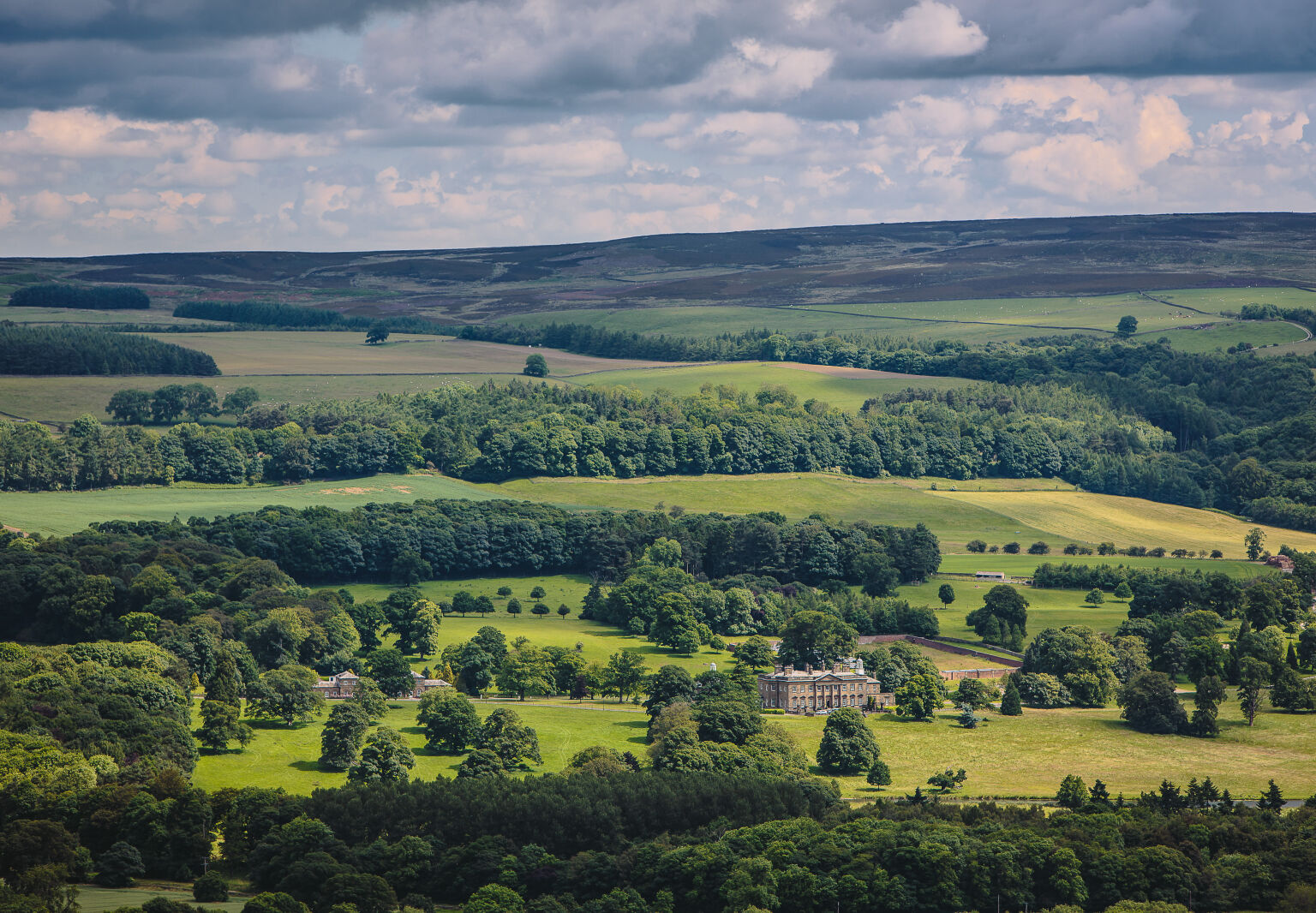
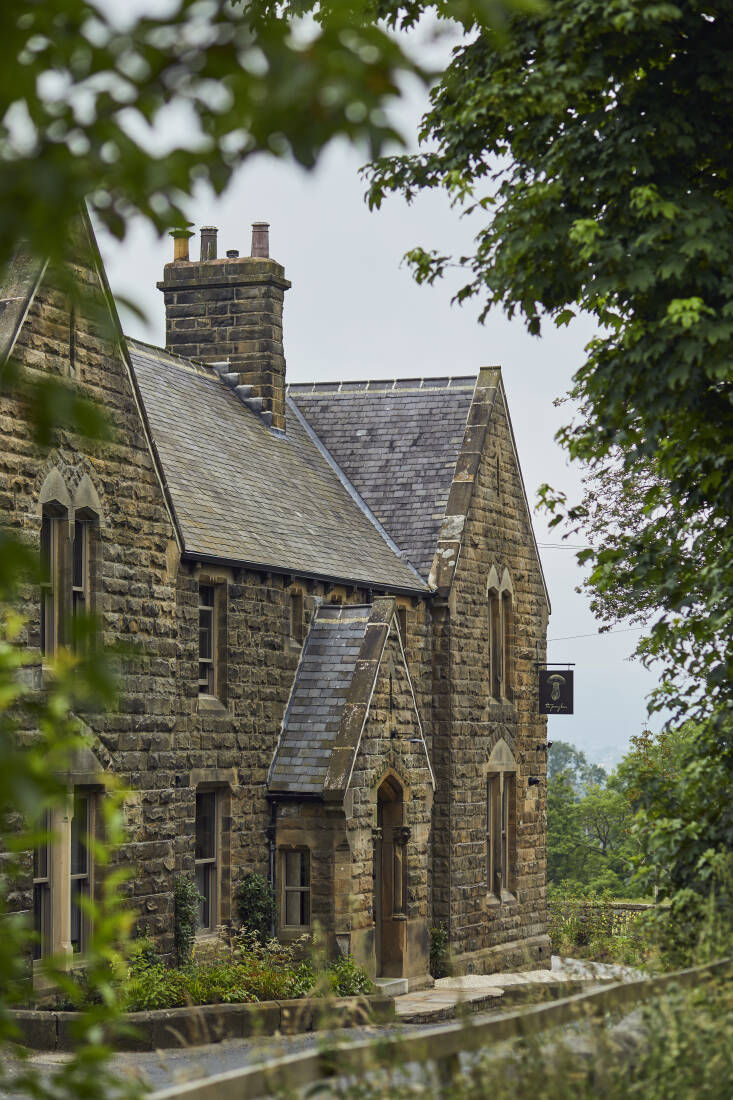
That moment when you’re winding your way up to The Penny Bun inn in the picturesque village of Askwith in Wharfedale, England, car window down, breathing in all the beauty of the wild hedgerows, drystone walls, and patchworks of lush greens, and you are obliged to stop in your tracks for a carefree pheasant out on a very leisurely stroll? It’s a reminder to slow down, to reconnect with nature, the heart of everything at Denton Reserve.
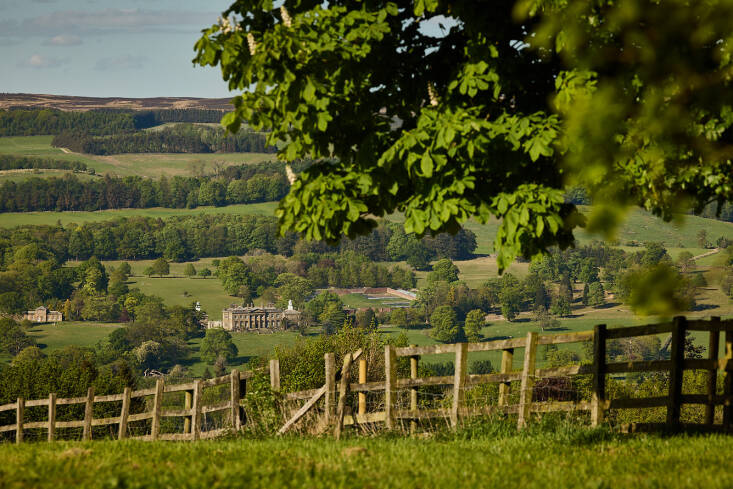
Set within 2,500 acres of spectacular Yorkshire countryside, this estate has embarked on an ambitious journey to re-imagine, re-wild, and regenerate the land in a bid to tackle the climate crisis, improve biodiversity, and restore balance for generations to come. Rooted in the local, its intent is global. And armed with long-term vision and a profound sense of purpose, the entire Reserve team, supported by members of the neighboring communities, are rolling up their sleeves and pitching in—because the future starts today.
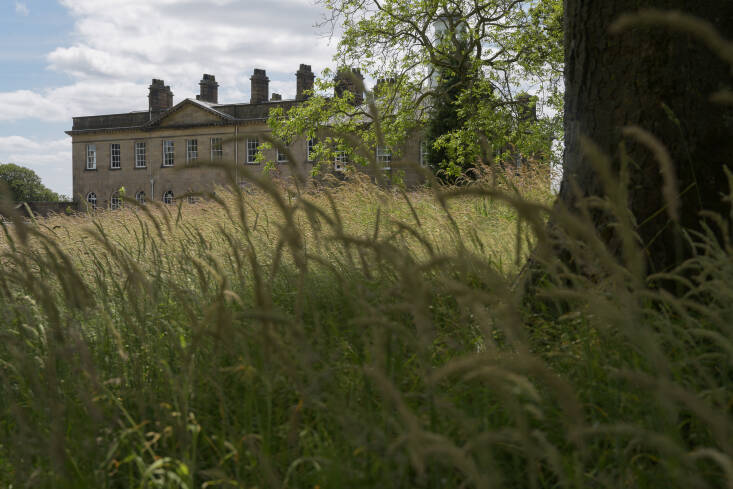
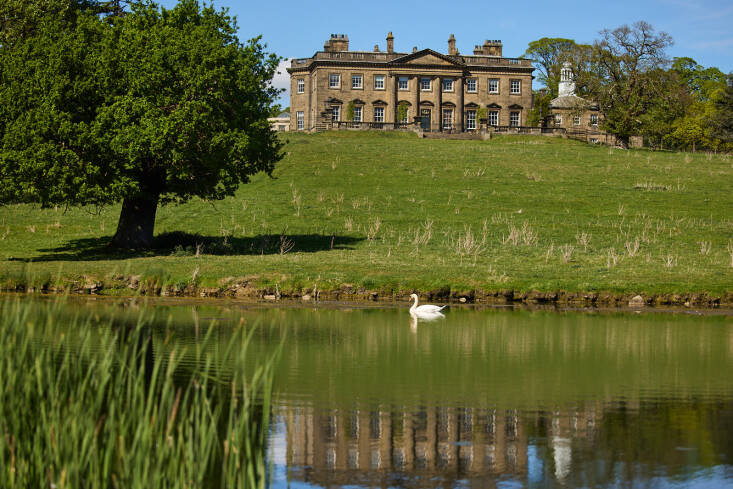
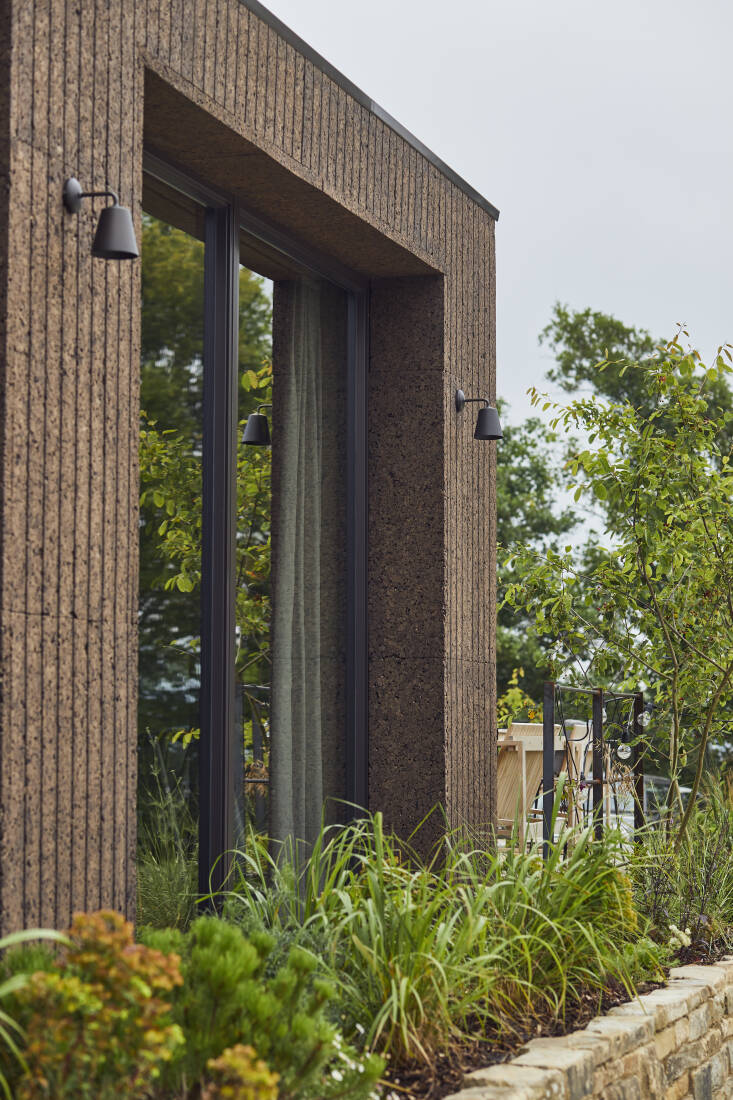
We visited two of the five main properties on the Denton estate in May: the recently opened Denton Hall, a Grade-1 listed Georgian Manor, and The Penny Bun, a 150-year old inn—both redesigned by architecture practice BOX9. We were greatly impressed by both the scale of the undertaking and the thoughtful attention to detail. (For a tour, read our story over on Remodelista.)
Here, we take a closer look at the land recovery project, as the Reserve celebrates some exciting milestones, including the creation of a beaver enclosure, the appearance of nightjars, and the promise of honey from black bees…
Photography by Sean Knott, Lucy Franks and Jake Eastham, courtesy of Denton Reserve.
Hyper-local Food Sourcing
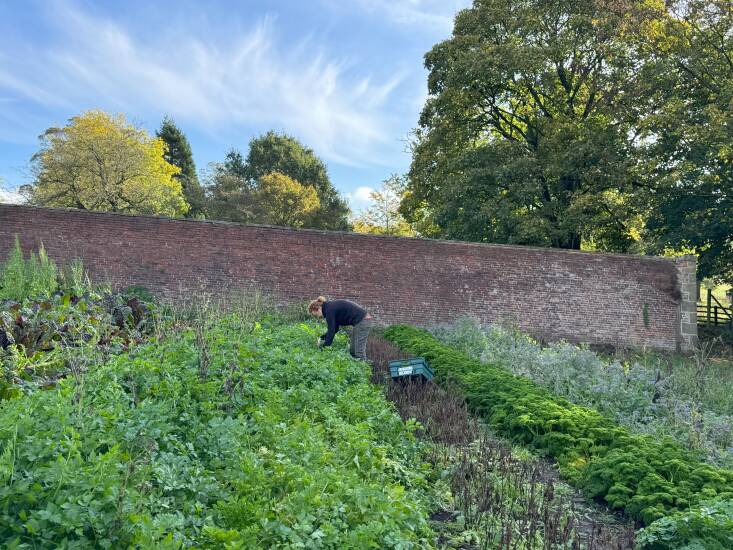
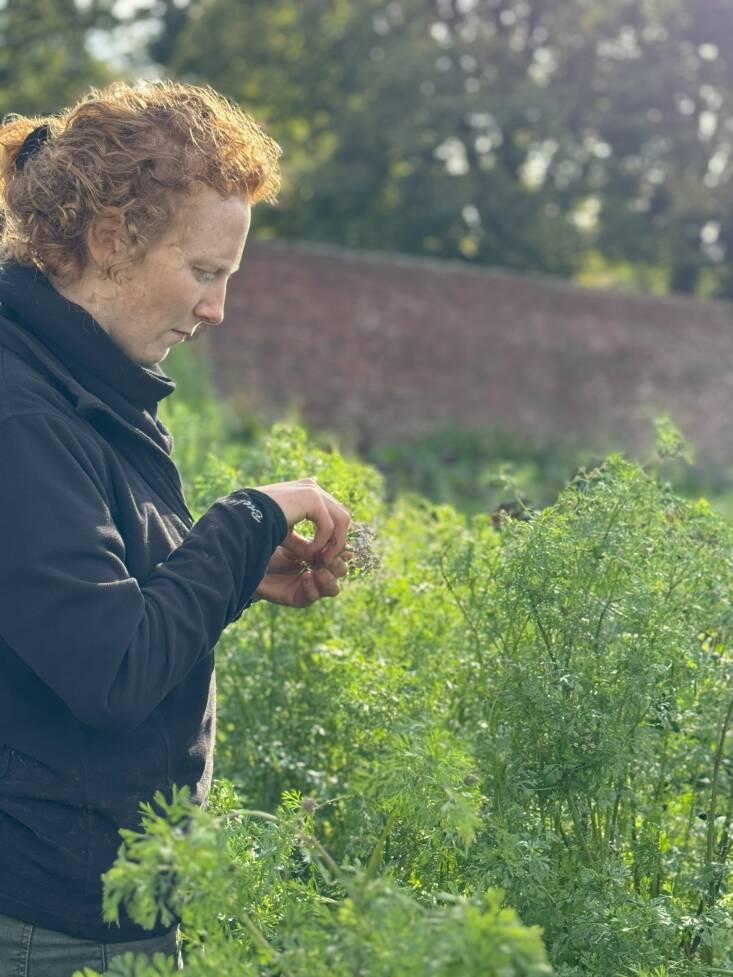
Head chef Tim Kitchen and his team believe that fresh, locally grown produce and locally reared meat is better for our taste buds and better for the planet. Aiming to reduce “food miles to food meters,” the inn offers an ever-changing, hyper-seasonal farm-to-fork menu, championing Yorkshire provenance, foraging, and low-waste cuisine.
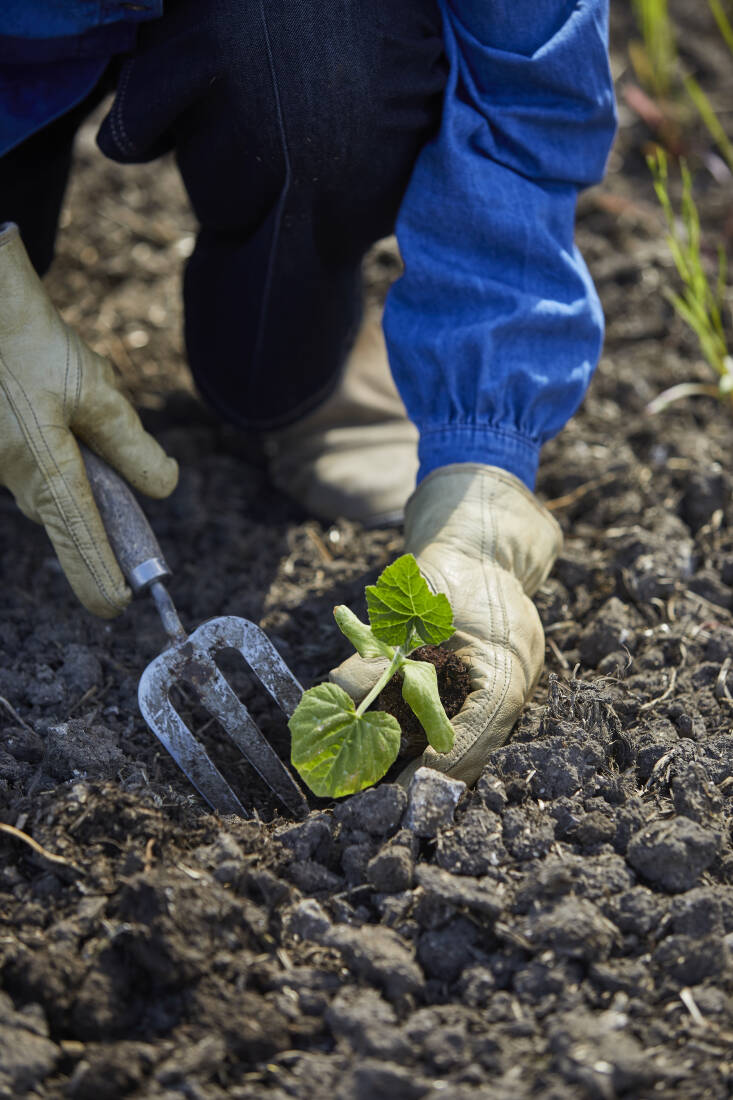
Healthy Soil
Healthy soil is vital. Decades of atmospheric pollution, forced production and overgrazing have depleted the soil biosphere, so new practices are required to help it recover and repopulate.
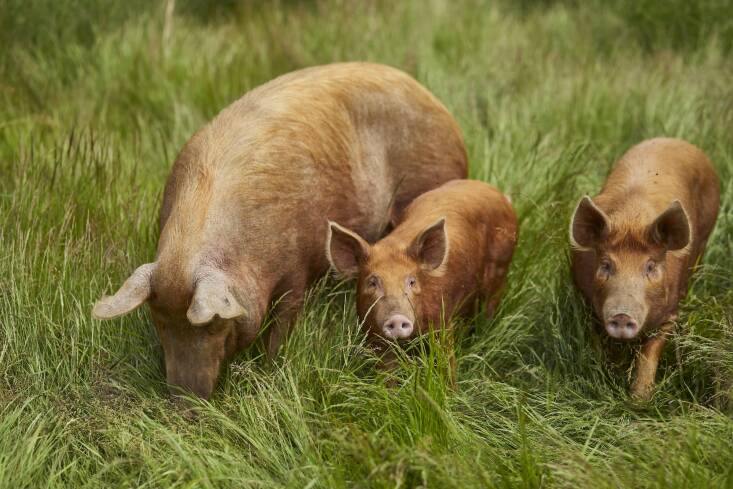
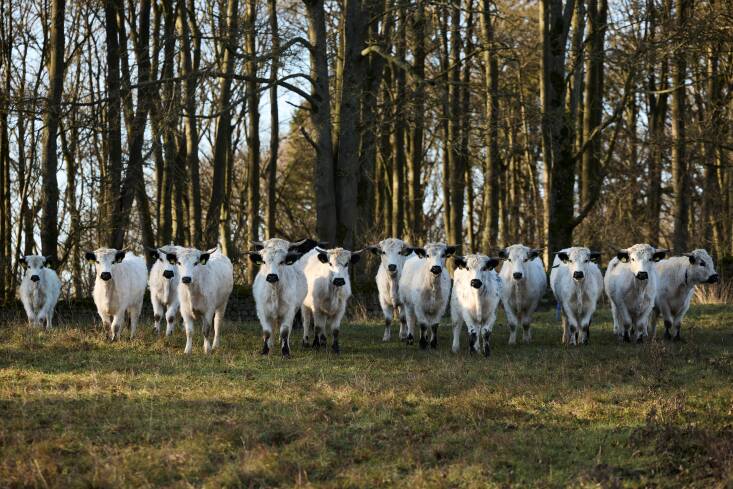
Heritage Breeds
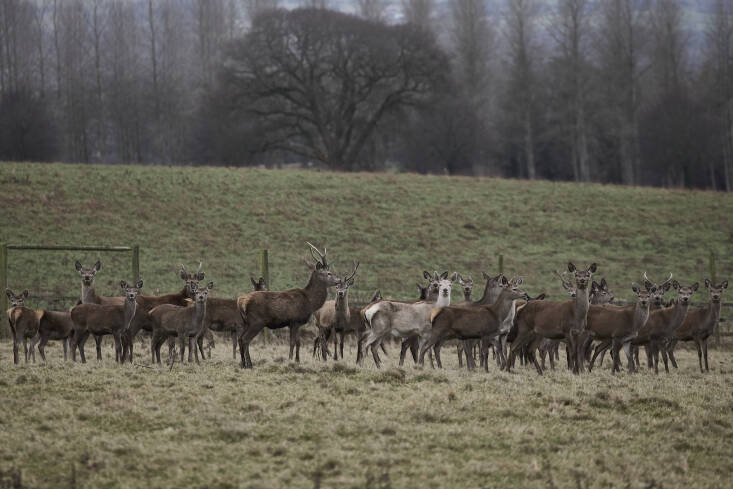
Land Restoration
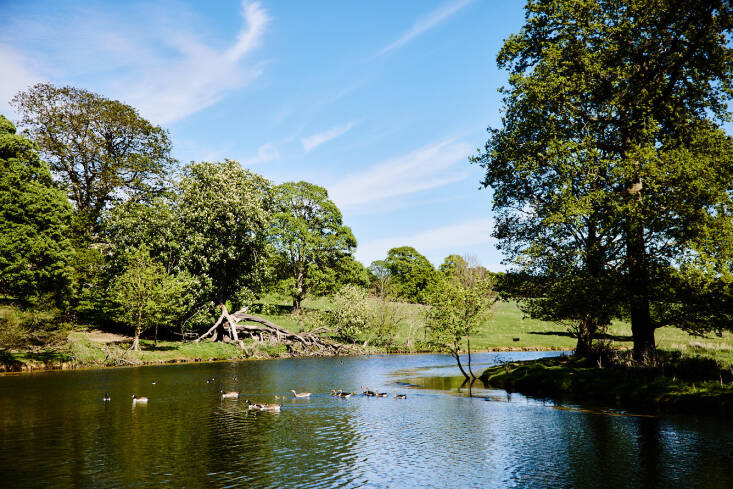
Increasing hydrological resilience in the Reserve’s upland peatland habitats, while supporting biodiversity is essential. Healthy wetland ecosystems act as carbon sinks, but degraded and dried out, release CO₂ into the atmosphere.
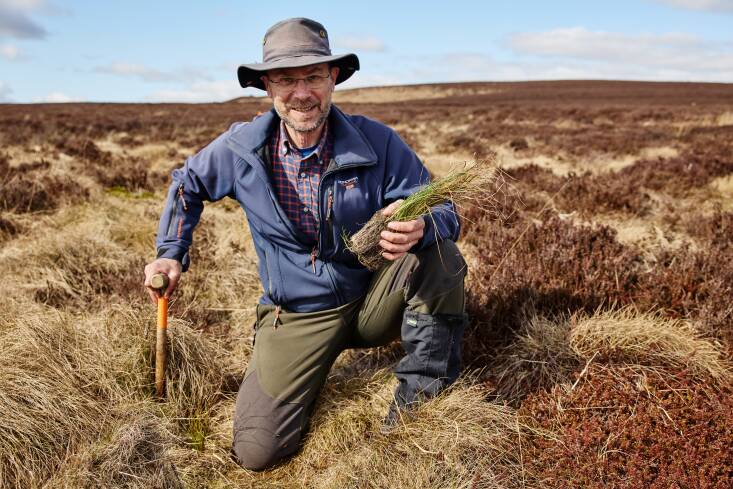
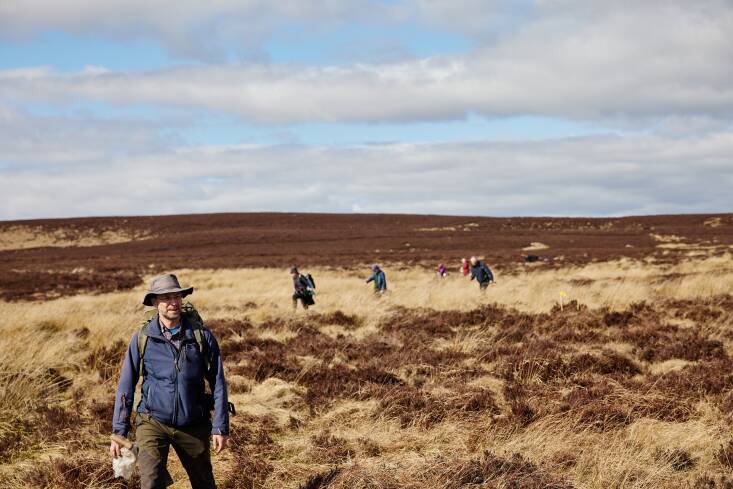
Whether organizing local community exchange evenings to inform and foster dialogue, measuring and capturing data from the whole estate (by fall, they will have a holistic picture of the prevalence of all species, counting carbon stores, habitats, trees, reptiles, birds, amphibians, deer, fish, butterflies, moths, hedgehogs, otters, mink, raptors, owls and water voles), or working with partners to gain a better understanding of the value of the natural capital on the land, Denton Reserve is observing, listening, and learning organically by letting nature do its thing.
“Mighty oaks from little acorns grow.” In all, 40,000 trees have been planted so far.
For more information about this ambitious project, follow here.
See also:
- Announcing Our New Book: ‘Gardenista: The Low-Impact Garden’
- Maranatha ‘Forest Farm’ in NJ: Sheep, Silvopastures and Sustainability in the Spotlight
- The Gardener King: The New British Monarch’s Passion for Sustainable Gardening



Have a Question or Comment About This Post?
Join the conversation