Icon - Arrow LeftAn icon we use to indicate a rightwards action. Icon - Arrow RightAn icon we use to indicate a leftwards action. Icon - External LinkAn icon we use to indicate a button link is external. Icon - MessageThe icon we use to represent an email action. Icon - Down ChevronUsed to indicate a dropdown. Icon - CloseUsed to indicate a close action. Icon - Dropdown ArrowUsed to indicate a dropdown. Icon - Location PinUsed to showcase a location on a map. Icon - Zoom OutUsed to indicate a zoom out action on a map. Icon - Zoom InUsed to indicate a zoom in action on a map. Icon - SearchUsed to indicate a search action. Icon - EmailUsed to indicate an emai action. Icon - FacebookFacebooks brand mark for use in social sharing icons. flipboard Icon - InstagramInstagrams brand mark for use in social sharing icons. Icon - PinterestPinterests brand mark for use in social sharing icons. Icon - TwitterTwitters brand mark for use in social sharing icons. Icon - Check MarkA check mark for checkbox buttons.
You are reading

The Garden Shed Reinvented: A Practical Folly in Prague

Search

The Garden Shed Reinvented: A Practical Folly in Prague

August 1, 2025

Byró Architekti’s smallest project to date is its biggest scene stealer. Located in a garden enclave just 20 minutes from Prague’s city center, the shed was built on the foundation of a dilapidated cottage. The owners use the property as a retreat and wanted an outbuilding that serves as a library, gathering space, shelter from the rain, and extra bedroom, while communing with the surrounding greenery.

To tick all those boxes, architects Jan Holub and Tomáš Hanus devised a pavilion with built-in bookshelves, a sleeping loft, and a façade that pops up to fully connect indoors and out. It’s a practical folly.

Photography by Alex Shoots Buildings, courtesy of Byró Architekti (@byro–architekti).
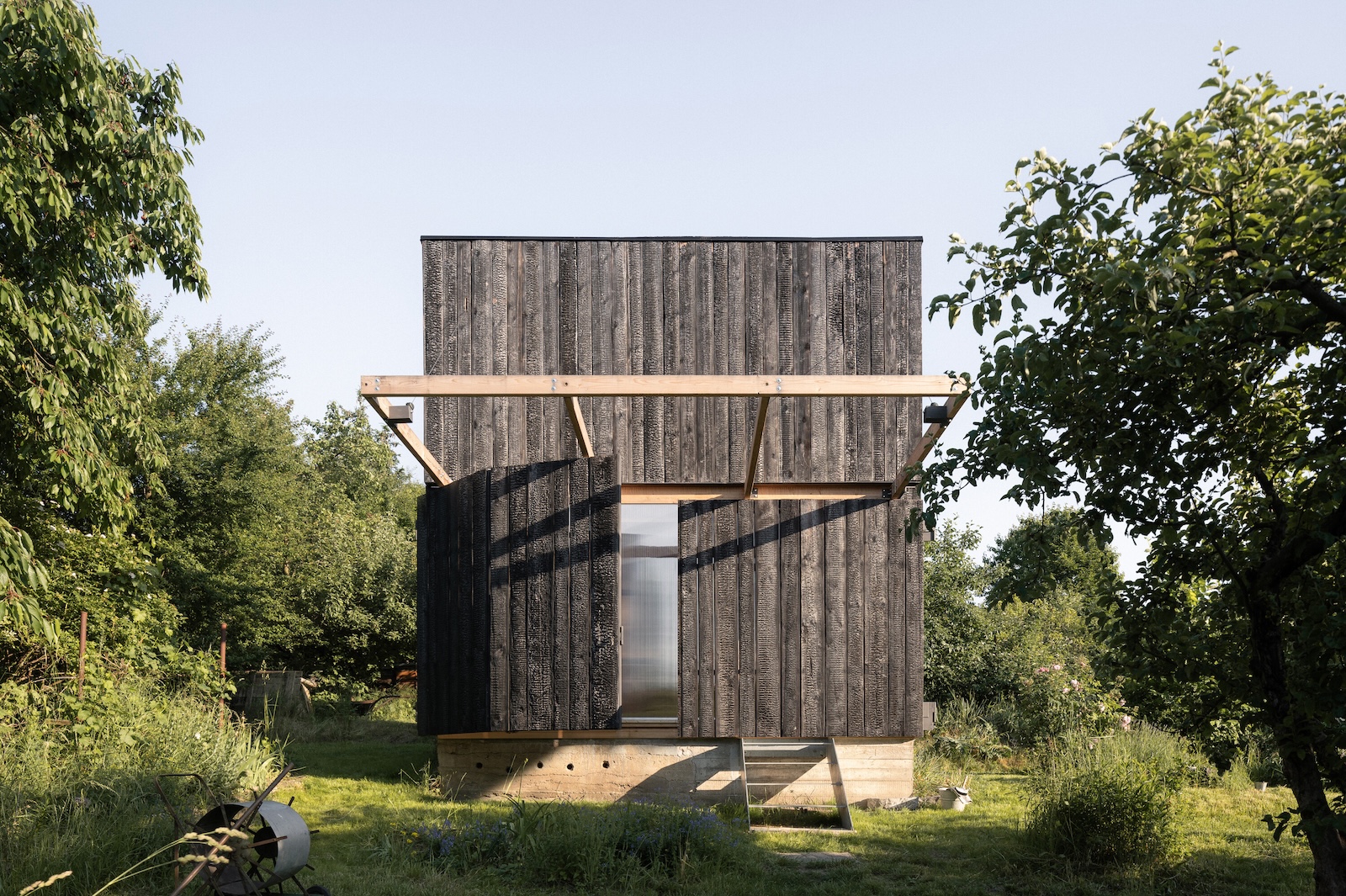
&#8\2\20;The building is designed as a wooden structure in a two-by-four construction system,&#8\2\2\1; write the architects. It&#8\2\17;s finished with blackened spruce cladding aka shou sugi ban.
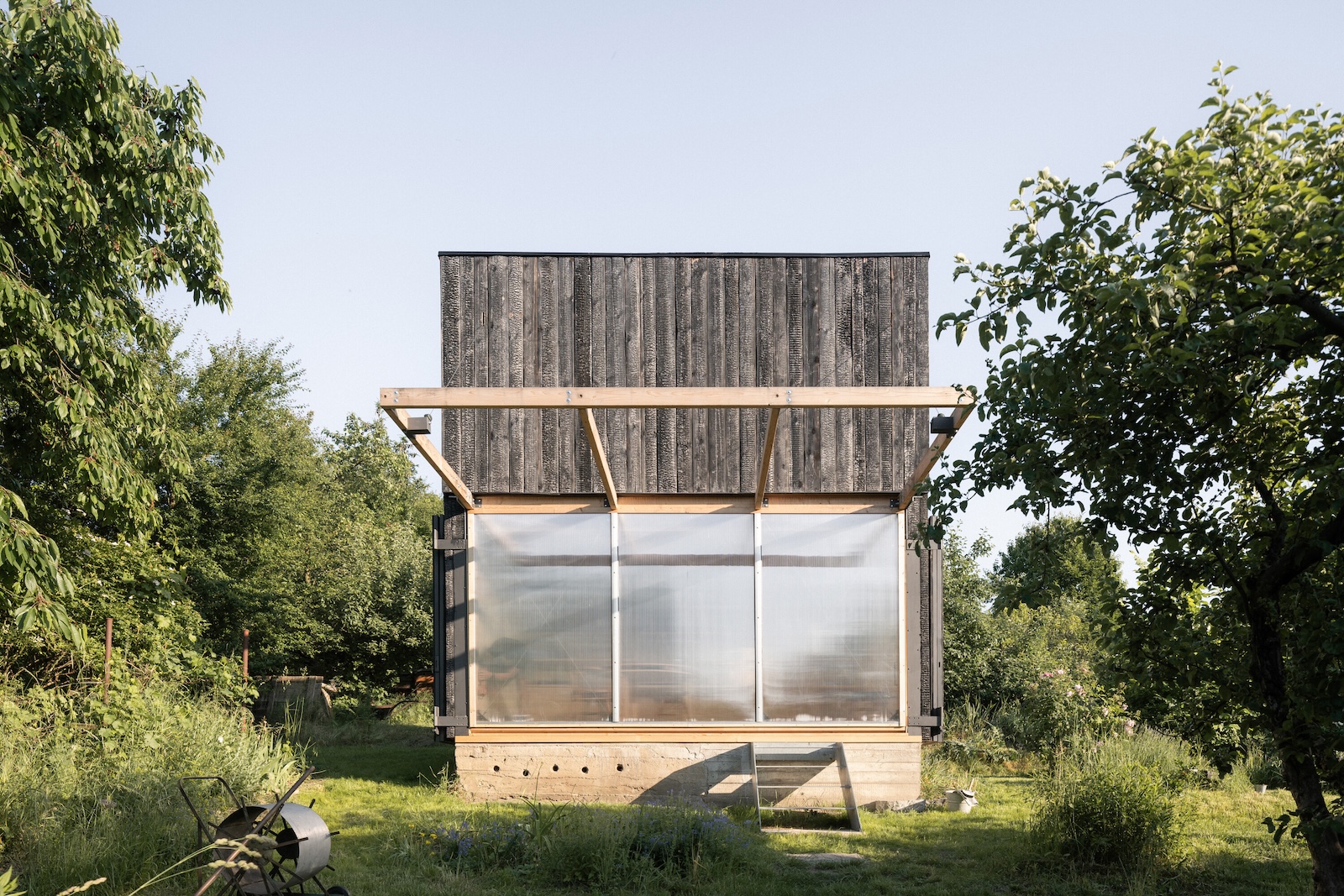
Above: “The building is designed as a wooden structure in a two-by-four construction system,” write the architects. It’s finished with blackened spruce cladding aka shou sugi ban.
Doors fold back to reveal a polycarbonate window.
Above: Doors fold back to reveal a polycarbonate window.
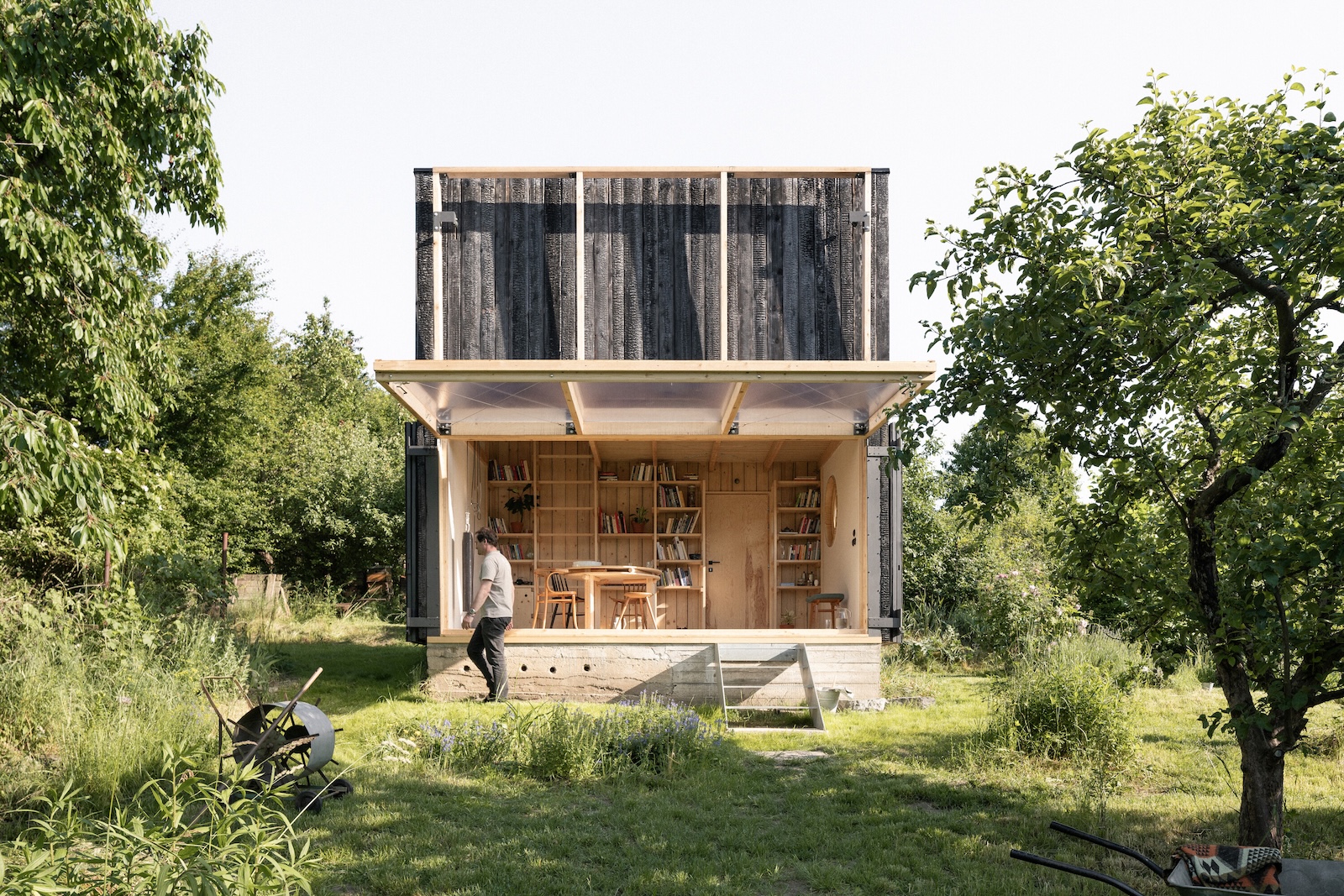
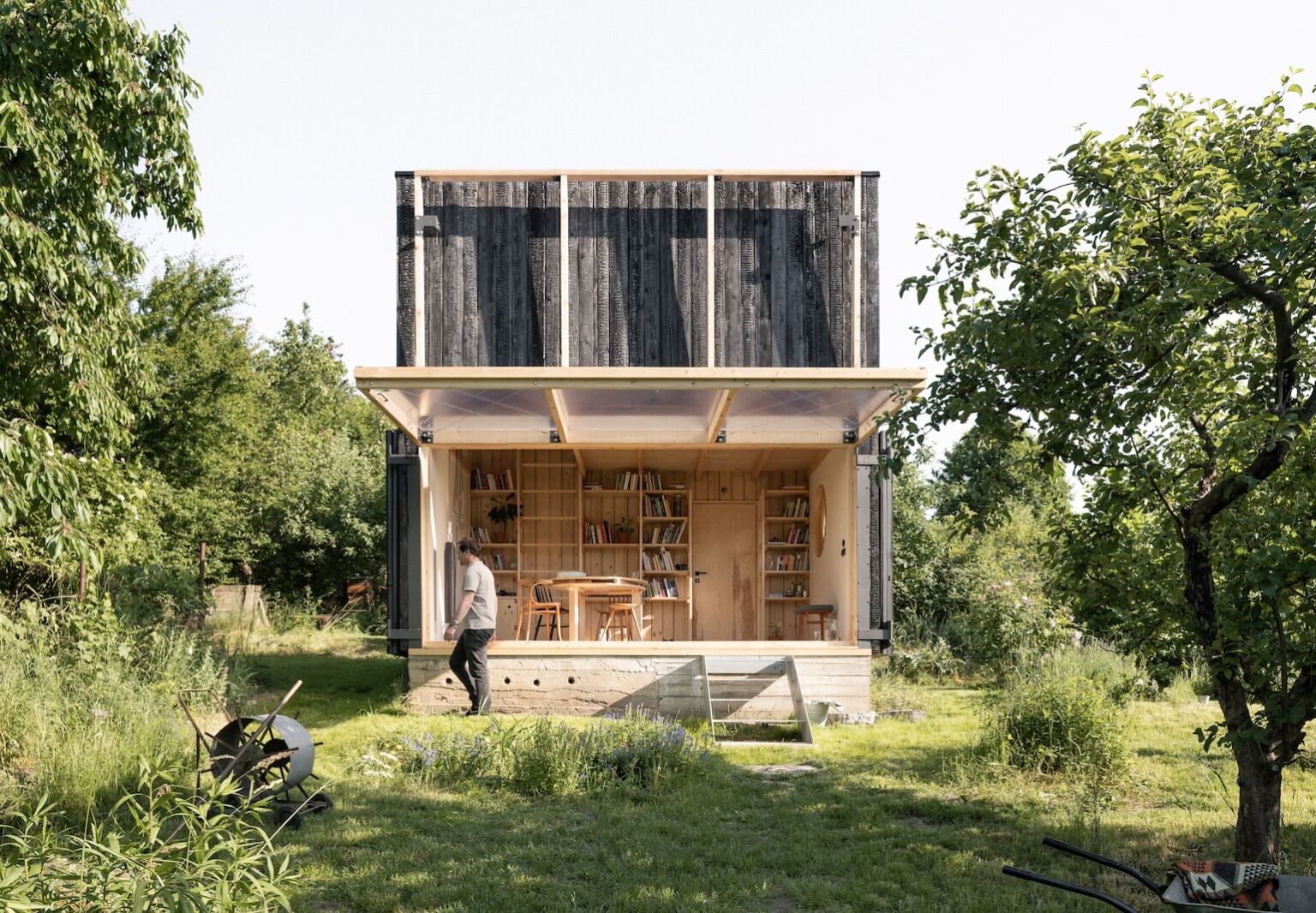
The structure&#8\2\17;s defining feature is a delightful surprise.
Above: The structure’s defining feature is a delightful surprise.

“We thought about how to connect the building as closely as possible to the surrounding garden, and we ultimately came up with the idea of a folding panel that allows one side of the house to completely open,” write Holub and Hanus.”This way, the interior seamlessly transitions to the outdoors, with the garden penetrating the building, creating a kind of paraphrase of a garden loggia, which was our architectural inspiration.”

When lifted, the polycarbonate wall serves as an outdoor roof. &#8\2\20;The panel folding mechanism consists of steel cables, pulleys, and counterweights, making it easy for one person to open the entire façade,&#8\2\2\1; note the architects. The interior walls are plaster and the furnishings were custom-designed for the space. There are integrated bookshelves and a ladder leads to the upper floor.
Above: When lifted, the polycarbonate wall serves as an outdoor roof. “The panel folding mechanism consists of steel cables, pulleys, and counterweights, making it easy for one person to open the entire façade,” note the architects. The interior walls are plaster and the furnishings were custom-designed for the space. There are integrated bookshelves and a ladder leads to the upper floor.
The bookshelves extend to the loft, which is used as a place to lounge and as an extra bedroom.
Above: The bookshelves extend to the loft, which is used as a place to lounge and as an extra bedroom.

“The library and the upper floor are made of wooden slats to create a subtle interior that allows natural light to filter through,” write the architects. “Thanks to windows oriented in three directions combined with the polycarbonate panel, the lighting mood inside the building changes during the day, and even when closed, the interior space does not feel cramped.”

The shed is entered through a door in the back. The bookshelf wall is paneled in the same spruce used to build the furniture. The front steps and joints are steel.
Above: The shed is entered through a door in the back. The bookshelf wall is paneled in the same spruce used to build the furniture. The front steps and joints are steel.
When the polycarbonate panel is down, the interior is cozy and bright. In the winter, it&#8\2\17;s used as a greenhouse for potted plants.
Above: When the polycarbonate panel is down, the interior is cozy and bright. In the winter, it’s used as a greenhouse for potted plants.
The shed has a solar panel on the roof. It&#8\2\17;s situated near the owner&#8\2\17;s vacation house, which just might be Byró Architekti&#8\2\17;s next project.
Above: The shed has a solar panel on the roof. It’s situated near the owner’s vacation house, which just might be Byró Architekti’s next project.
A cross-section of Byro Architekti&#8\2\17;s design.
Above: A cross-section of Byro Architekti’s design.
Architects Jan Holub and Tomáš Hanus of Byró. The garden pavilion received a Czech Prize for Architecture honorary mention.
Above: Architects Jan Holub and Tomáš Hanus of Byró. The garden pavilion received a Czech Prize for Architecture honorary mention.

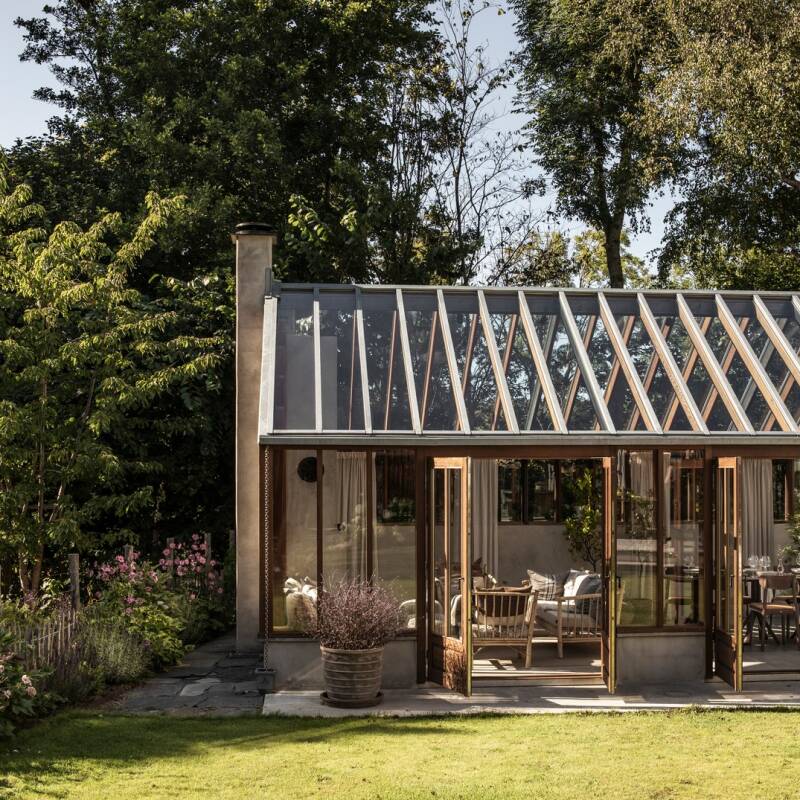
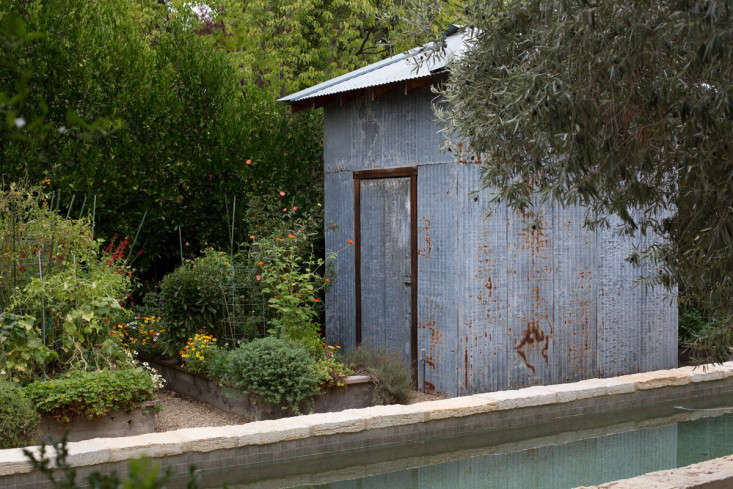
Who doesn’t love a tiny summer retreat? Here are a few more standouts:

N.B.: This post was first published on Remodelista on July 18, 2025.
(Visited 3,533 times, 7 visits today)
You need to login or register to view and manage your bookmarks.

Have a Question or Comment About This Post?

Join the conversation

v5.0