

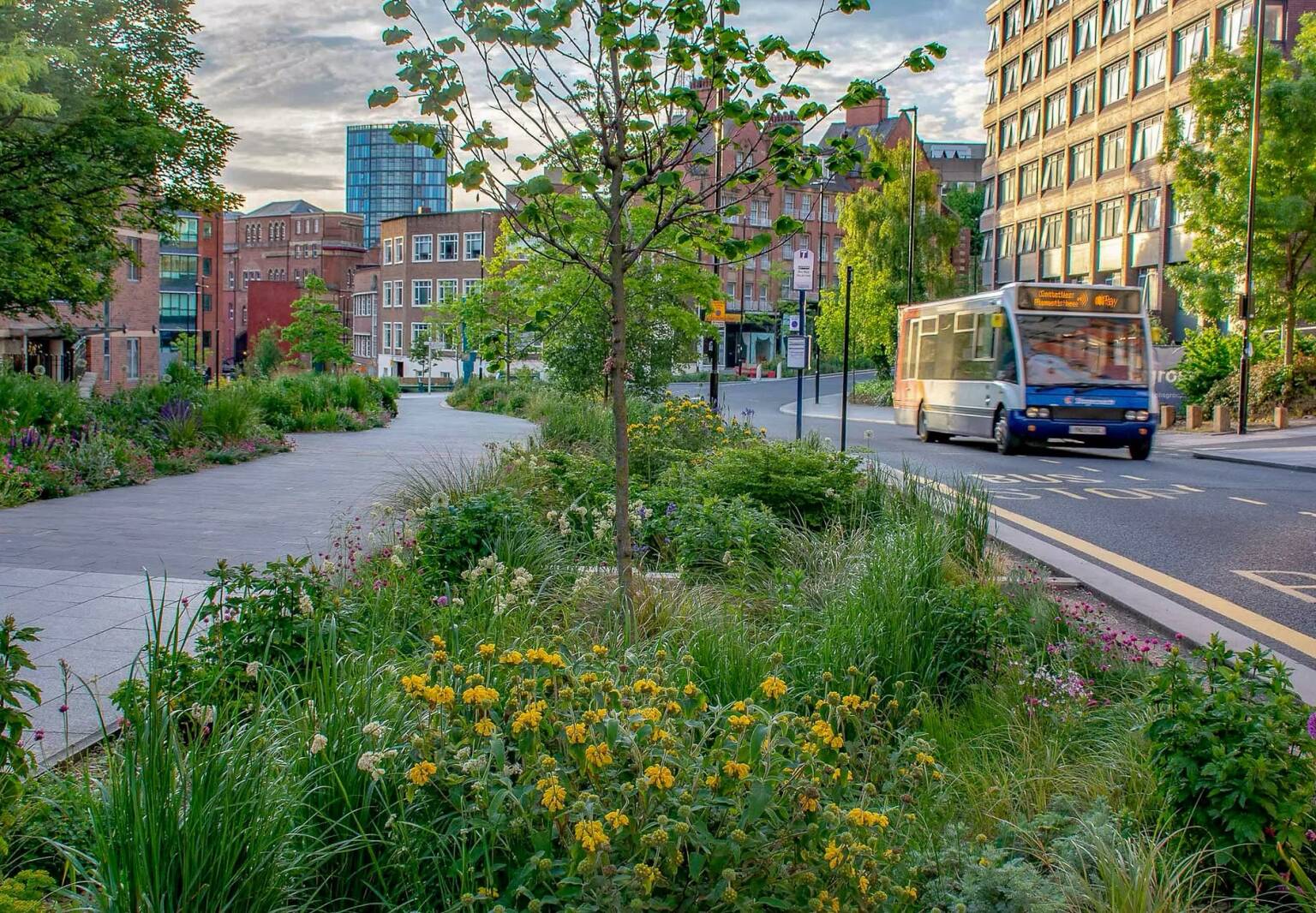
When British horticulture professors Nigel Dunnett and James Hitchmough published The Dynamic Landscape in 2002, they pitched garden professionals on an entirely new naturalistic style of gardening. “It was really the first book that integrated ideas from ecology, horticulture, design, and management,” says Hitchmough. In the book, Dunnett and Hitchmough made the case for nature–like landscapes, ones that were designed and maintained by professionals but planted in a wilder style. Today naturalistic gardens are everywhere, but 24 years ago these were cutting-edge concepts. The book influenced and shaped the thinking of a whole generation of garden and landscape professionals.
Dunnett and Hitchmough have recently released a second edition of this influential text, but this book is more than just an updated version—you could even argue it is a whole new book. “Twenty years is a long time; you have a lot of experiences and you see the world very differently,” Hitchmough tells us. “We wanted to reflect that in the new book.”
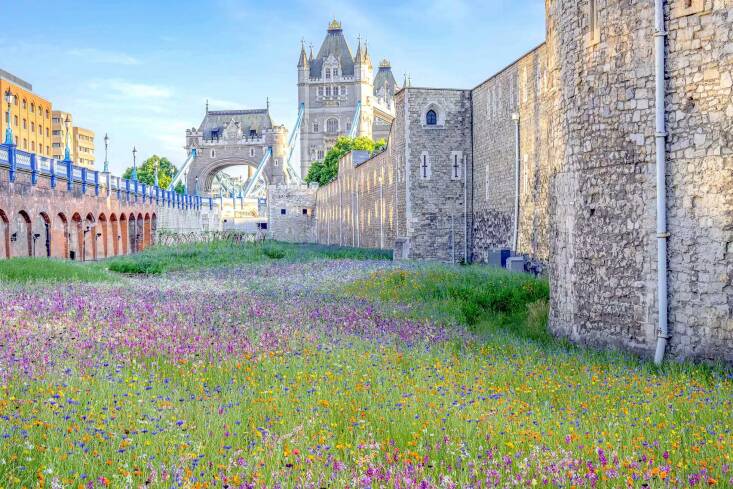
Dunnett and Hitchmough have spent the last two and a half decades making gardens, many of them quite well known and celebrated (see: The Tower of London Superbloom and London’s Olympic Park). They’ve also spent a lot of time researching the impacts of those gardens on people and pollinators. All of this knowledge has been poured into the new edition of the book, which is brimming with research citations.
One thing that hasn’t changed, which may ruffle some feathers stateside, is Hitchmough and Dunnett’s belief that urban landscapes are generally best served by a combination of native and non-native species. (When Hitchmough recently appeared on the Growing Greener podcast, it caused a stir amongst native plant purists!) At Gardenista, we believe there’s room for both, as long as aggressive invasives are left out of the mix.
We spoke to Hitchmough to highlight what’s new in the updated edition:
Photography courtesy of Nigel Dunnett unless noted.
A Fresh Look
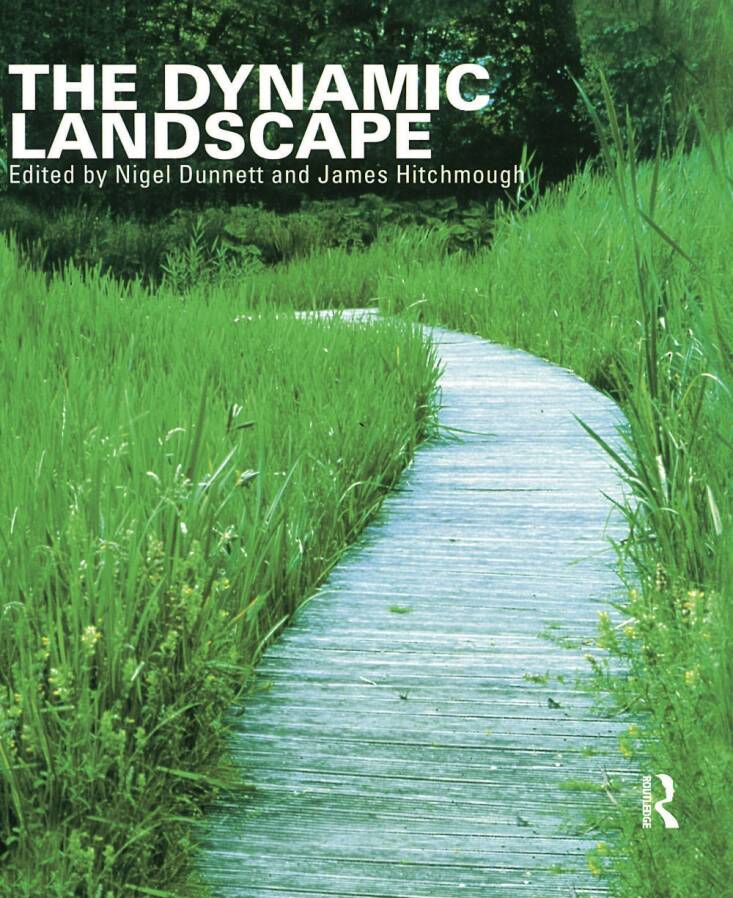
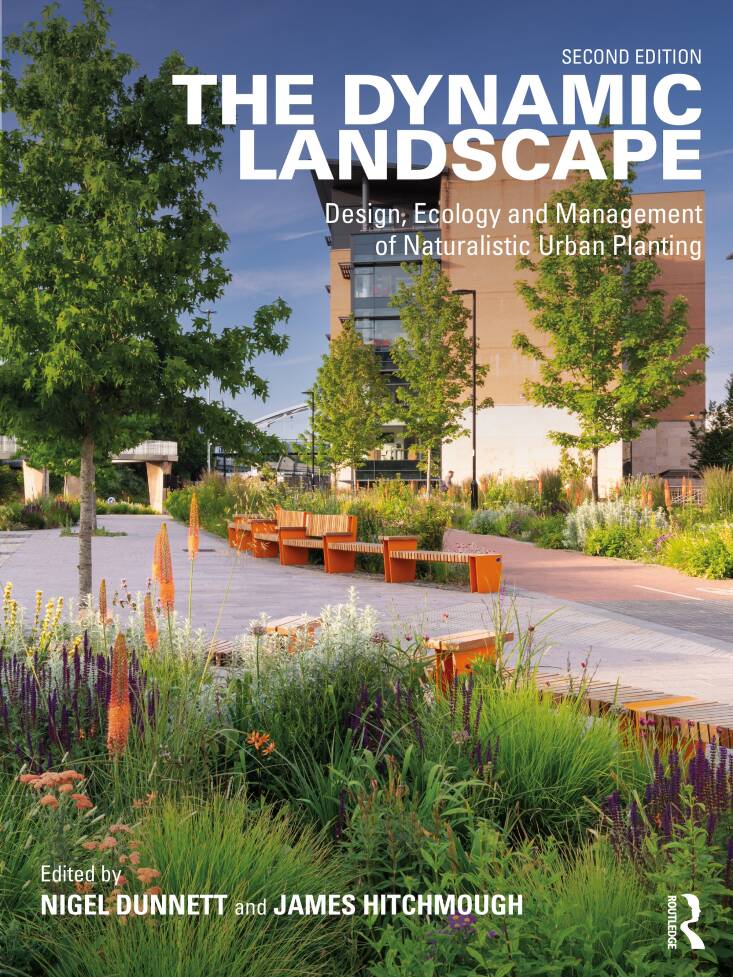
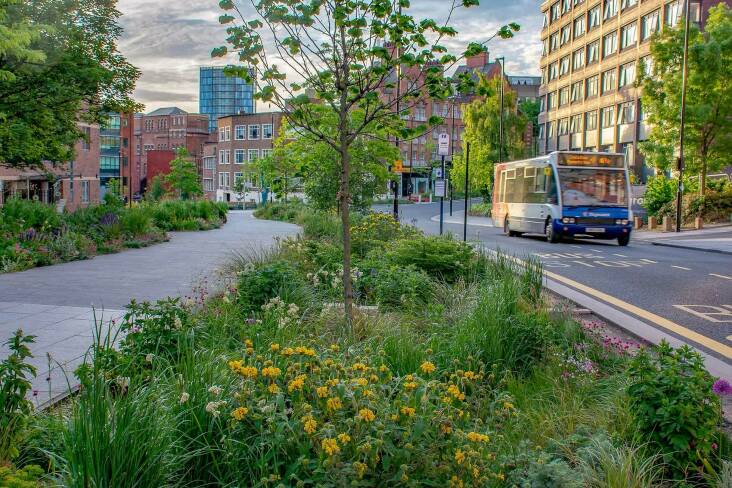
The most immediate change readers will notice is the new cover. The 2002 edition featured a bucolic image of Dunnett’s work that looks more like a nature reserve than a garden. The 2025 cover shows a kilometer-long urban drainage scheme (also designed by Dunnett) that runs through the center of Sheffield. The image of the clearly designed, climate-conscious, urban landscape tells readers more clearly what lies within the book.
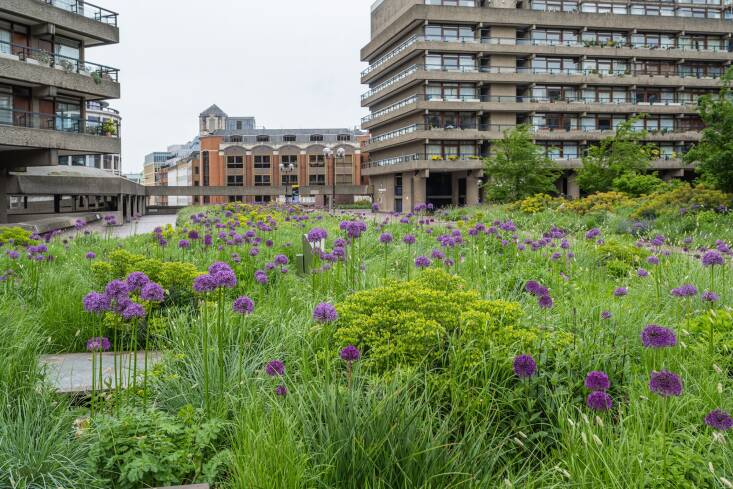
Every single photograph in the book is also new, and the quality of the printing is much improved from the first edition. Anyone who read the earlier book and was frustrated that the quality of the visuals didn’t match up to the wisdom of the text will be pleased with the visual updates.
New Authors
Both editions of The Dynamic Landscape feature multiple authors in addition to Hitchmough and Dunnett. For the new text, they called on some new contributors, including Claudia West (of Phyto Studio), Helen Hoyle, and Henrik Sjöman, among others.
New Chapters
The updated edition includes new chapters that did not appear in the first edition, including ones on:
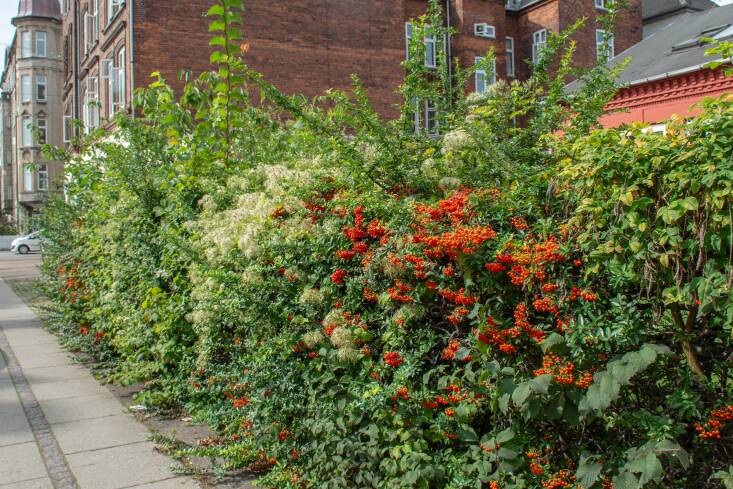
- Shrubs and small trees: It might surprise you to hear that the first edition did not cover shrubs, but Hitchmough explains “In Western Europe shrubby plants were perceived as being to do with the monocultures of modernism, and therefore they didn’t seem appropriate [to include] when we wrote the book in 2002,” Hitchmough says. “Since that time, we both think that was a terrible emission.” Today’s book remedies the gap with a section co-written by Dunnett and Hitchmough that examines a contemporary look at shrubs and small trees integrated with other plants.
- Ruderals: Another topic that didn’t get its own chapter in the 2002 edition was annuals and short-lived plants (aka ruderals). For the new book, Dunnett writes about how ruderals can be used in a “super-charged” way to provide abundant and lasting bloom, like the Tower of London Superbloom 2022, and also how these short-lived plants can be mixed in with perennials.
- Urban green infrastructure: Dunnett has also penned a new chapter on green infrastructure, such as green roofs, bioretention structures, and “green streets.” Dunnett offers case studies and lessons to take away from each.
Greater Emphasis on Maintenance
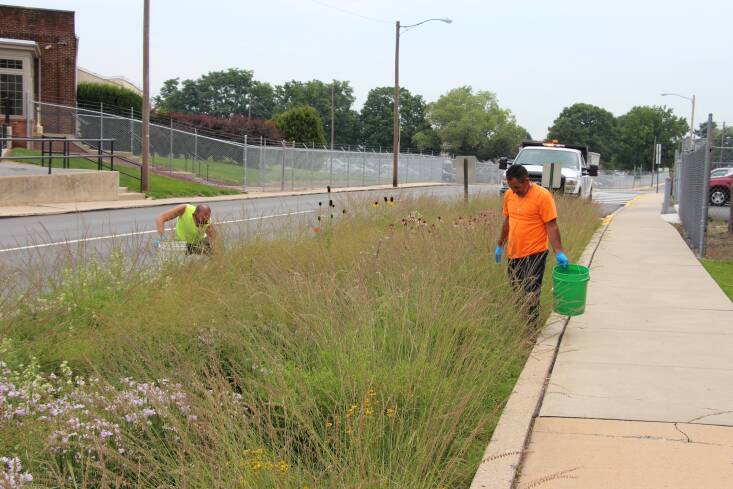
Hitchmough says that landscape management is more front and center and integrated throughout the second edition. “Management is far more important than we normally think it is. We need to take some of the funding and give it to the longer term,” he says. “At the end of the day, I know that the things I make ultimately owe more to the person who manages them than they did to me.”
Finally, Hitchmough highlights something that is harder to point to specifically. “We were able to make more connections between chapters, so it’s much more joined together,” says Hitchmough. Integration is also what sets this book apart from others: It puts planting, design, and management all into one text, while weaving in evidence-based environmental psychology throughout. This academic tome is not light reading, but we’re betting that it is one that the next generation of horticultural professionals and serious home gardeners will study as closely as the original 2002 edition.
For more recently published gardening books, see:
- Required Reading: The American Horticultural Society’s New Definitive Guide to Ecological Gardening
- ‘Gardens That Can Save the World’: A New Book on Small Landscapes with Big Ideas
- ‘A Moment in Time’: Landscape Designer Kathryn Herman’s Country Garden in Fairfield, CT



Have a Question or Comment About This Post?
Join the conversation